
When a dental emergency strikes — whether it is sudden severe toothache, a broken tooth, or a swollen jaw — most people's first instinct is to search online. They want reassurance, answers, and fast access to care. For Londoners, understanding what to expect from modern urgent dental services can make a significant difference to how confidently they approach seeking help.
Technology has transformed the landscape of urgent dentistry in London considerably over the past decade. From high-resolution digital imaging that speeds up diagnosis to same-day crown restorations and advanced infection management, contemporary emergency dental clinics are equipped to assess and manage a wide range of urgent conditions far more efficiently than before.
This article explores how modern dental technology supports urgent dental care in London, what specific tools and techniques are now commonly used in practice, and why these advances matter for patients navigating a dental emergency. It also offers guidance on when seeking professional dental assessment promptly may be beneficial to your oral health.
Experiencing these symptoms?
Delaying treatment can lead to tooth loss. We have slots available today.
What Role Does Technology Play in Modern Urgent Dentistry in London?
Technology in modern urgent dentistry in London enables faster, more accurate diagnosis and more comfortable treatment during dental emergencies. Digital X-rays, intraoral cameras, and CAD/CAM systems allow clinicians to assess conditions and, in many cases, provide restorations during a single appointment, supporting better patient outcomes and reducing treatment delays.
How Technology Has Changed the Approach to Emergency Dental Care
Emergency dental care was once characterised by fairly limited diagnostic tools and multi-visit treatment plans, even for straightforward problems. Today, the integration of digital technology into dental practice has meaningfully changed what is achievable during an urgent appointment.
Modern emergency dental clinics in London are increasingly equipped with tools that reduce the time between a patient presenting in pain and receiving appropriate care. Digital radiography, for example, produces immediate, high-quality images that a clinician can review and discuss with a patient within seconds. This is particularly valuable during an emergency, where speed of assessment directly influences the speed of treatment.
Meet Dr. Yasha Shirazi
Principal Dentist at Emergency Dentist London
"We treat hundreds of dental emergencies every month. The sooner you come in, the easier the fix usually is."
Book an appointment with our team →Similarly, intraoral cameras — small handheld devices that capture detailed images inside the mouth — allow clinicians to identify cracks, decay, and soft tissue changes that may not be visible to the naked eye. These tools also support patient education, as images can be shown on a screen to help patients better understand their condition.
It is worth noting that technology enhances clinical decision-making but does not replace the judgement of a qualified dental professional. Every urgent case still requires individual assessment. If you are experiencing dental pain or discomfort, learning about emergency dental appointments in London may help you understand what to expect when you attend.
Digital Imaging and Diagnosis in Urgent Dental Settings
One of the most impactful advances in urgent dentistry is the shift from traditional film-based X-rays to digital radiography. For patients attending an emergency dental clinic, this means:
- Faster results: Digital images are available almost instantly, allowing the clinician to assess bone levels, infection spread, and structural damage without delay.
- Reduced radiation exposure: Digital X-ray systems typically use significantly lower radiation doses than conventional film-based systems.
- Enhanced image clarity: Digital images can be magnified and adjusted to improve diagnostic accuracy.
- Improved record-keeping: Digital files are stored securely and can be accessed quickly for follow-up appointments.
In urgent situations such as suspected dental abscesses, trauma to the teeth, or significant decay, prompt imaging is frequently essential to understand the extent of the problem before any treatment is planned. For background reading, this overview of dental abscess symptoms and causes is useful.
Cone Beam Computed Tomography (CBCT) is another imaging modality increasingly available in specialist and advanced dental settings. It provides three-dimensional views of teeth, roots, and surrounding bone, which can be particularly informative for complex cases involving root fractures or dental implants.
It is important to understand that the selection of imaging modality depends entirely on the clinical situation as assessed by your dentist. Not every emergency requires advanced imaging — your clinician will determine what is appropriate for your individual circumstances.
The Clinical Science Behind Dental Emergencies
Understanding the underlying dental science can help patients appreciate why certain technologies are so valuable during urgent appointments.
The human tooth has several distinct layers. The outer enamel is the hardest substance in the body, but it cannot regenerate once damaged. Beneath it lies dentine, a softer, porous layer that contains microscopic tubules connecting to the tooth's nerve. When enamel is compromised — through decay, fracture, or wear — dentine becomes exposed, often causing sensitivity or pain.
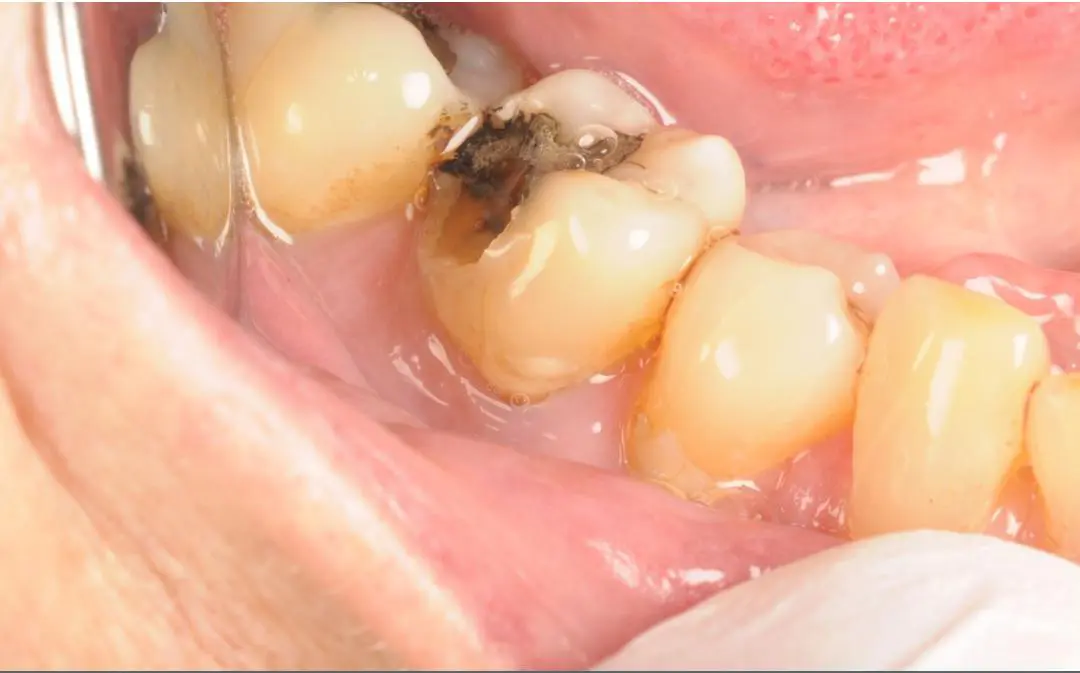
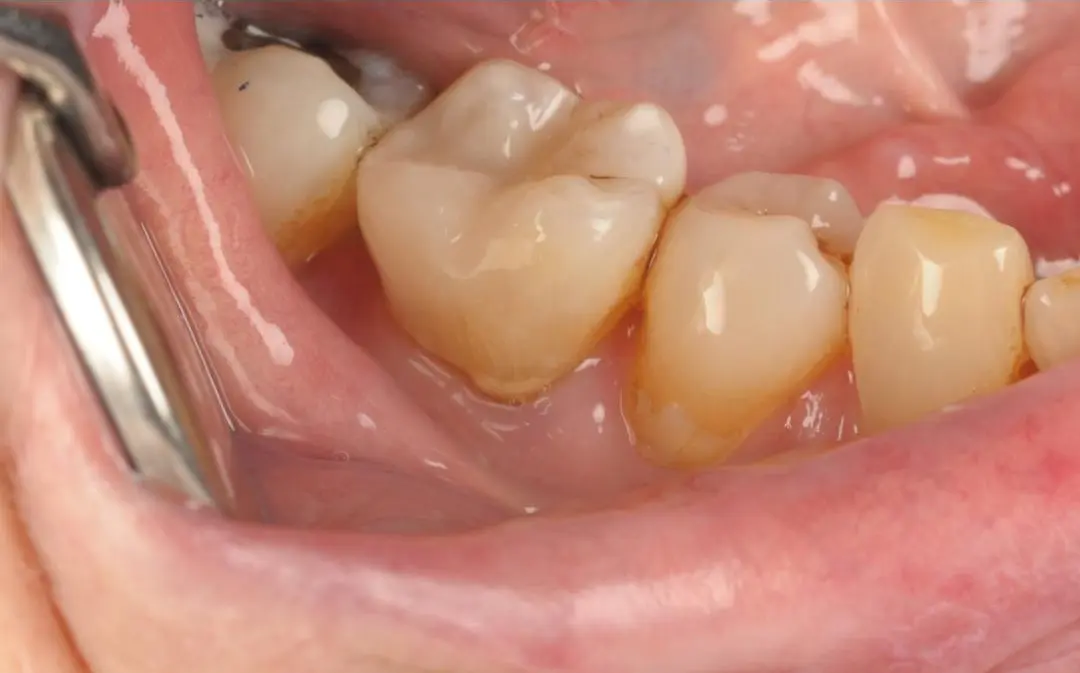
Real Patient Result: Emergency White Filling
Treatment by Dr Kamran
At the centre of the tooth is the pulp, a soft tissue containing nerves and blood vessels. When decay or infection reaches the pulp, it can trigger significant pain and, without treatment, the infection may spread to the surrounding bone and soft tissue.
This progression explains why early intervention is so important during a dental emergency. Infections in the mouth can develop relatively quickly, and the structures of the face and jaw mean that spread can occur along tissue planes. Modern diagnostic technology helps clinicians assess the stage and extent of an infection accurately, informing the most appropriate treatment path — whether that is root canal therapy, extraction, or antibiotic management alongside definitive dental treatment.
Understanding these underlying processes also clarifies why self-diagnosis from online searches alone is not recommended. A clinical examination is always necessary to understand what is happening inside a specific tooth or the surrounding tissues.
Same-Day Restorations and CAD/CAM Technology
One of the most clinically meaningful advances for patients attending urgent dental appointments is the increasing availability of CAD/CAM (Computer-Aided Design and Computer-Aided Manufacturing) technology. This allows certain types of dental restorations — particularly ceramic crowns, inlays, and onlays — to be designed, milled, and fitted within a single appointment.
For patients presenting with a broken or significantly damaged tooth as a dental emergency, the traditional pathway would typically involve:
- A temporary restoration at the emergency visit
- A laboratory fabrication period of one to two weeks
- A return visit for the permanent restoration
With in-surgery CAD/CAM systems, it may be possible to complete a permanent ceramic restoration in a single visit, depending on the clinical circumstances. The tooth is prepared, a digital impression is taken using an intraoral scanner (removing the need for traditional impression materials), and the restoration is milled from a ceramic block on-site.
It is important to clarify that not every emergency situation will be suitable for same-day restoration. Clinical suitability depends on the nature of the damage, the health of the surrounding tissues, and other individual factors assessed during examination. Your dental professional will advise on the most appropriate course of treatment for your specific situation.
Intraoral Scanners and Digital Impressions
For many years, taking dental impressions involved placing impression trays filled with a setting material into the patient's mouth — a process that some patients found uncomfortable or distressing, particularly if they have a heightened gag reflex.
Intraoral scanning technology has significantly improved this experience. A small handheld wand scans the surfaces of the teeth and gums, creating a precise three-dimensional digital model within minutes. This model can then be used to design restorations, plan orthodontic treatment, or create surgical guides for implant placement.
In the context of urgent dentistry, intraoral scanners offer practical benefits:
- Greater patient comfort: No impression trays or setting materials are required.
- Immediate review: The digital model can be reviewed on screen immediately, and any gaps in the scan can be filled on the spot.
- Precision: High-accuracy scans reduce the margin for error in restoration fit.
- Streamlined workflows: Digital files can be sent directly to an in-house milling unit or a dental laboratory electronically, reducing turnaround times.
Patients who have previously found conventional impressions uncomfortable may find that asking their emergency dentist whether digital scanning is available offers a more manageable experience.
Laser Dentistry in Urgent Dental Practice
Dental lasers are another technology increasingly used in clinical practice that may be relevant during urgent dental visits. While laser dentistry is perhaps more commonly associated with elective procedures, its applications in urgent care contexts include:
- Soft tissue management: Lasers can be used to treat gum tissue with precision, which may be relevant when emergency treatment involves swollen or inflamed gum tissue around a tooth.
- Decontamination: Certain laser types have been used as part of root canal procedures to assist in bacterial decontamination of the root canal system.
- Reduced bleeding and swelling: Laser soft tissue procedures often result in less post-operative bleeding and discomfort compared with conventional surgical instruments.
It is worth noting that laser technology is not universally available in all dental practices, and its use is always determined by clinical need and clinician training. Suitability for laser treatment depends on individual assessment.
When Professional Dental Assessment May Be Needed
While technology is transforming what urgent dental practices can achieve, it remains essential that patients seek professional evaluation when they experience symptoms that may indicate an oral health concern. Below are situations where arranging an urgent dental appointment is advisable:
- Persistent or severe toothache that does not settle with over-the-counter pain relief
- Visible swelling around the jaw, cheek, or neck — particularly if swelling is increasing
- A broken or chipped tooth, especially where there is sensitivity or sharp edges causing discomfort
- A lost filling or crown that is exposing tooth tissue and causing pain or sensitivity
- Bleeding from the gums or mouth that does not stop within a reasonable period
- A knocked-out or loosened tooth following an accident or trauma
- Pain or difficulty swallowing that may be associated with a dental infection
If a restoration has come out, this guide on managing a lost filling before treatment can help with interim steps.
These symptoms do not necessarily indicate a serious condition, but they do warrant professional evaluation to establish what is occurring and to discuss appropriate options. Technology allows dental clinicians to assess these situations efficiently, but a clinical examination is always the necessary first step.
If you are unsure whether your situation constitutes a dental emergency, this article on dental emergency warning signs provides useful educational guidance.
Pain Management Technology in Urgent Dentistry
Managing patient comfort is a fundamental priority during any urgent dental visit. Modern dental clinics in London have access to several technologies and techniques that can help make emergency appointments more manageable for anxious or apprehensive patients:
- Computer-assisted local anaesthesia delivery: Systems such as the Wand deliver anaesthetic slowly and precisely, which many patients find significantly more comfortable than conventional syringe delivery.
- Topical anaesthetics: Applied before local anaesthetic injections to reduce surface sensitivity at the injection site.
- Inhalation sedation (relative analgesia): The use of nitrous oxide and oxygen as an inhalation sedation option for patients who experience significant dental anxiety during emergency treatment.
- Electronic apex locators: Used during root canal treatment to precisely identify the working length of the root canal without the need for multiple X-rays.
These tools collectively support a more comfortable patient experience, which is particularly important during emergency visits when patients may already be experiencing pain and heightened anxiety. If you have concerns about anxiety during an emergency dental appointment, discussing sedation options with your dental team beforehand may be helpful.
Artificial Intelligence and Its Emerging Role in Dental Diagnosis
Artificial intelligence (AI) is beginning to play an increasingly discussed role in dental diagnostics, though its clinical application is still evolving. In certain research and clinical settings, AI software has been developed to assist in the analysis of dental radiographs — for example, flagging areas of potential concern such as early interproximal decay or changes in bone density that may warrant further investigation.
It is important to approach this topic with appropriate context. AI tools in dentistry are currently regarded as assistive rather than diagnostic systems. Clinical decisions remain the responsibility of the qualified dental professional. Regulatory frameworks from the GDC and MHRA govern how AI tools are used in clinical practice.
For patients, this means that while AI may eventually support faster and more consistent identification of certain dental conditions, the clinical examination and professional judgement of a qualified dentist remain central to their care. Technology assists the clinician; it does not replace the clinician-patient relationship.
Prevention and Oral Health Advice
Understanding how technology supports urgent dental care is valuable, but preventing dental emergencies in the first place remains the most effective approach to protecting long-term oral health. While not all emergencies can be anticipated — accidents happen, and dental pain can develop unexpectedly — maintaining consistent oral health habits significantly reduces the risk of many common urgent dental problems.
Practical oral health advice to support prevention:
- Brush twice daily with a fluoride toothpaste, using a soft-to-medium bristle toothbrush and gentle circular motions along the gum line.
- Clean between teeth daily using interdental brushes or floss to remove plaque from areas that a toothbrush cannot reach.
- Attend regular dental check-ups as advised by your dentist. Routine examinations allow potential problems to be identified early, before they develop into urgent situations.
- Limit sugary and acidic foods and drinks, particularly between meals, to reduce the risk of enamel erosion and decay.
- Wear a mouthguard if you play contact sports, to reduce the risk of dental trauma.
- Avoid using teeth as tools — opening packaging or biting hard objects can cause cracking or fractures.
- If you grind your teeth at night, speak to your dentist about whether a nightguard may be appropriate for you.
Early intervention is one of the most effective uses of modern dental technology. Identifying problems at routine appointments — using digital imaging, intraoral cameras, and other diagnostic tools — can allow treatment to be planned calmly, rather than urgently.
Information about preventative dental care and treatment planning is available through your dental practice and provides a useful starting point for longer-term oral health management.
Key Points to Remember
- Technology has meaningfully advanced urgent dentistry in London, improving the speed and accuracy of diagnosis and expanding what is achievable during a single emergency appointment.
- Digital radiography, intraoral cameras, and CAD/CAM systems are among the tools commonly used in modern emergency dental clinics to support faster, more comfortable patient care.
- Technology supports clinical decision-making but does not replace the professional judgement of a qualified dental professional. Every case requires individual assessment.
- Recognising the symptoms that may indicate a dental emergency — such as persistent pain, swelling, or a lost restoration — supports timely access to professional care.
- Prevention remains the most effective strategy: regular dental check-ups, consistent oral hygiene, and protective habits reduce the risk of many common dental emergencies.
- Patient comfort is a priority in modern urgent dental settings, with tools and techniques available to support a more manageable experience, including options for anxious patients.
Frequently Asked Questions
What technology do emergency dentists in London typically use during urgent appointments?
Modern emergency dental clinics in London commonly use digital X-ray systems for rapid, lower-dose imaging, intraoral cameras to visualise areas of concern clearly, and CAD/CAM technology where same-day restorations may be clinically appropriate. Intraoral scanners are increasingly replacing traditional impression materials, improving patient comfort. The specific technology used during any appointment depends on the clinical situation and the facilities available at the individual practice.
Can a dental emergency be treated in a single appointment using modern technology?
In some cases, yes. Technologies such as CAD/CAM systems enable certain restorations — for example, ceramic crowns or inlays — to be designed and fitted within a single visit. However, not every emergency situation is suitable for same-day completion. The clinical circumstances, the nature and extent of the dental problem, and individual patient factors all influence what is achievable. Your dentist will advise on the most appropriate treatment plan following examination.
Is digital X-ray imaging safe during an urgent dental appointment?
Digital radiography is widely used in dental practice and is considered a safe diagnostic tool when used appropriately. Modern digital X-ray systems use significantly lower radiation doses than conventional film X-rays. As with all dental radiographs, their use is determined by clinical need — your dentist will only recommend imaging when it is likely to provide information that supports your care. Pregnant patients or those with specific concerns should inform their dental team before any imaging.
What should I do if I experience sudden severe toothache in London?
If you experience sudden, severe toothache, contacting an emergency dental clinic promptly is advisable. In the meantime, over-the-counter pain relief taken according to the manufacturer's instructions may help manage discomfort. Avoid placing aspirin directly on the gum tissue, as this can cause irritation. Cold or hot compresses applied to the face may offer temporary comfort for some people. A dental professional will be able to assess the cause of the pain and discuss appropriate options following a clinical examination.
How does AI assist emergency dental diagnosis?
AI in dentistry is currently used as an assistive tool in some clinical and research settings, primarily to help identify areas of potential concern on dental radiographs — such as early decay or bone changes. AI systems are not diagnostic tools in isolation; they are designed to support the clinician's assessment. Clinical decisions, diagnoses, and treatment recommendations remain the professional responsibility of the qualified dentist. The use of AI in dental practice is subject to regulatory oversight in the UK.
Does dental anxiety affect treatment options during a dental emergency?
Dental anxiety is a recognised and common experience, and reputable emergency dental clinics take it seriously. Modern urgent dental settings may offer options to support anxious patients, including computer-assisted anaesthetic delivery for greater comfort, topical anaesthetics prior to injections, and inhalation sedation (nitrous oxide) for eligible patients. Discussing any concerns about anxiety with the dental team when booking or upon arrival allows the clinical team to prepare appropriately and ensure you feel supported throughout your appointment.
Conclusion
Modern technology has had a profound and positive influence on how urgent dentistry is delivered in London. From the speed and accuracy of digital diagnosis to the increasing possibility of same-day restorations, patients attending emergency dental appointments today benefit from clinical tools and techniques that were not available a generation ago. These advances support more comfortable, more efficient, and more informed dental care — particularly valuable when patients are already managing pain or anxiety.
It remains equally important to remember that technology serves as a complement to, not a replacement for, skilled clinical assessment. Each patient presents uniquely, and the most appropriate use of any diagnostic or treatment technology is determined by a qualified dental professional following individual examination.
Maintaining consistent oral health habits and attending regular dental check-ups remains the most effective way to reduce the likelihood of encountering a dental emergency. However, when urgent dental care is needed, knowing that modern London dental clinics are well-equipped to assess and manage a broad range of conditions efficiently is genuinely reassuring.
Dental symptoms and treatment options should always be assessed individually during a clinical examination.
If you have concerns about a dental symptom or wish to understand your options, seeking professional dental guidance at the earliest appropriate opportunity is always the recommended course of action.
Disclaimer
This article has been produced for educational and informational purposes only. The content is intended to support general understanding of dental health topics and does not constitute professional dental advice, clinical diagnosis, or a recommendation for any specific treatment.
Individual dental conditions, symptoms, and treatment suitability vary significantly between patients. Nothing in this article should be used as a basis for self-diagnosis or as a substitute for a clinical examination by a qualified dental professional. If you are experiencing dental symptoms, pain, swelling, or any oral health concern, you are encouraged to contact a registered dental professional for a thorough assessment.
This content has been prepared in accordance with General Dental Council (GDC) communication standards, Care Quality Commission (CQC) patient safety principles, ASA CAP Code healthcare advertising guidance, and GMC ethical communication principles. No treatment outcomes are guaranteed or implied. Treatment suitability depends entirely on individual clinical assessment.