
Losing a dental filling can be an unexpected and concerning experience that often prompts immediate searches for guidance and support. When a filling becomes dislodged, many patients feel uncertain about the urgency of the situation and worry about potential pain or complications that may develop.
A lost filling occurs when the restoration material that was previously placed to repair tooth decay or damage becomes detached from the tooth structure. This dental situation is relatively common and can happen for various reasons, including normal wear over time, changes in the filling material, or additional tooth decay around the restoration edges.
Understanding how to manage a lost filling appropriately can help reduce anxiety and ensure proper care until professional dental assessment is available. This article will explain the immediate steps patients can take, the underlying reasons why fillings may become loose, and the importance of seeking timely professional dental support to prevent potential complications and restore tooth function effectively.
Experiencing these symptoms?
Delaying treatment can lead to tooth loss. We have slots available today.
What should you do immediately when a filling falls out?
When a filling becomes dislodged, gently rinse your mouth with warm water and avoid chewing on the affected tooth. Contact a dental practice promptly to arrange an assessment, as the exposed tooth structure may be vulnerable to further damage or sensitivity until professionally restored.
Understanding Why Dental Fillings Become Dislodged
Dental fillings can become loose or fall out for several interconnected reasons related to both the filling material and the surrounding tooth structure. Over time, the bond between the filling and the natural tooth may weaken due to the constant forces of chewing and temperature changes from hot and cold foods and beverages.
Secondary decay, which develops around the edges of existing fillings, represents another common cause of filling loss. When bacteria accumulate around the restoration margins, they can create new areas of tooth decay that undermine the filling's stability. Additionally, older amalgam fillings may expand and contract differently than the natural tooth structure, potentially creating gaps that allow bacteria to enter.
Meet Dr. Yasha Shirazi
Principal Dentist at Emergency Dentist London
"We treat hundreds of dental emergencies every month. The sooner you come in, the easier the fix usually is."
Book an appointment with our team →The age of the filling also plays a significant role, as most dental restorations have an expected lifespan ranging from several years to over a decade, depending on the material used and the location within the mouth. Teeth that experience heavy chewing forces, such as molars, may experience filling loss more frequently than front teeth due to the increased mechanical stress.
Immediate Care Steps for a Lost Filling
When a filling becomes dislodged, several immediate care measures can help protect the affected tooth until professional dental care is available. First, carefully remove any loose filling material from your mouth to prevent accidentally swallowing or inhaling fragments.
Rinse your mouth gently with warm water to clean the area and remove any debris. Avoid using very hot or cold liquids, as the exposed tooth may be sensitive to temperature changes. If you experience discomfort, over-the-counter pain relief may be helpful when used according to the manufacturer's instructions.
Temporary dental filling material, available at many pharmacies, can provide short-term protection for the exposed tooth cavity. These products are designed to offer temporary relief until professional dental care is accessible — it is essential to avoid household adhesives, as this guide on why you should never use superglue on a lost filling explains in detail. When eating, try to chew on the opposite side of your mouth to avoid putting pressure on the affected tooth.
Avoid sticky, hard, or very sweet foods that might cause further damage to the exposed tooth structure or increase sensitivity. Maintaining good oral hygiene remains important, though you should brush gently around the affected area.
The Dental Science Behind Filling Retention
Understanding the science behind how fillings stay in place helps explain why they sometimes become dislodged. Modern dental fillings rely on either mechanical retention, where the filling material is held in place by the shape of the prepared cavity, or adhesive bonding, where special dental materials create a chemical bond between the filling and tooth structure.
Composite resin fillings use a bonding agent that creates microscopic connections with the tooth enamel and dentine. This process, called micromechanical retention, involves etching the tooth surface to create tiny spaces that the bonding material can penetrate. Over time, these bonds may weaken due to the oral environment's constant changes in pH, temperature, and mechanical forces.
The tooth structure itself consists of different layers with varying mineral content and structural properties. Enamel, the outer layer, provides a strong bonding surface, whilst the inner dentine layer has different characteristics that affect how well filling materials adhere. When tooth decay progresses beneath a filling, it can compromise these bonding surfaces and lead to restoration failure.
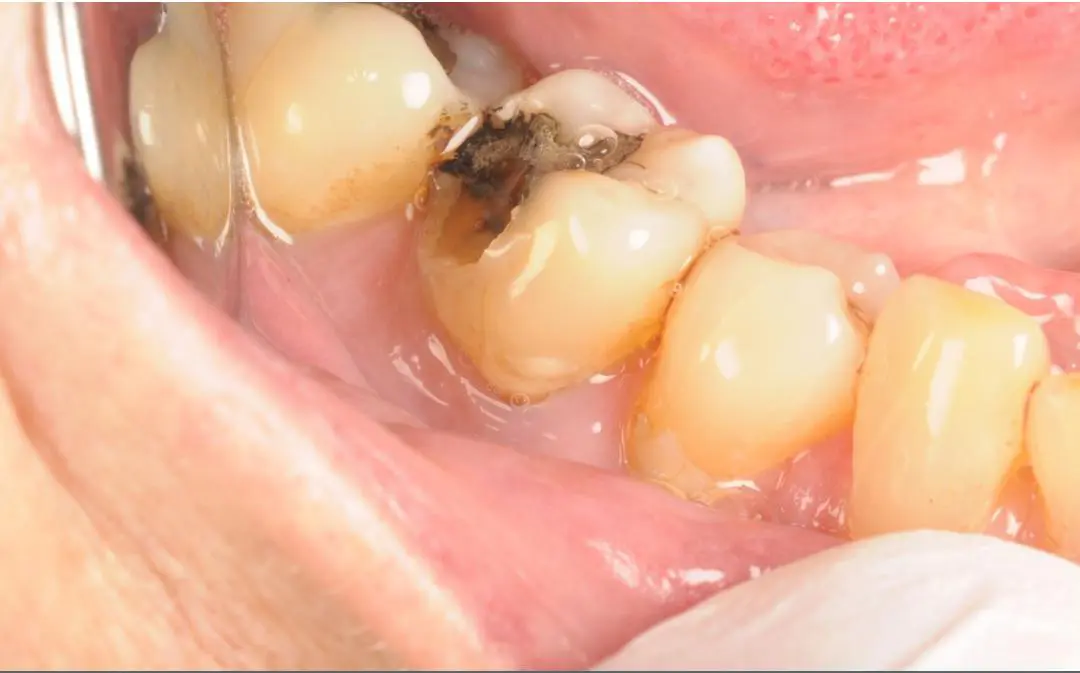
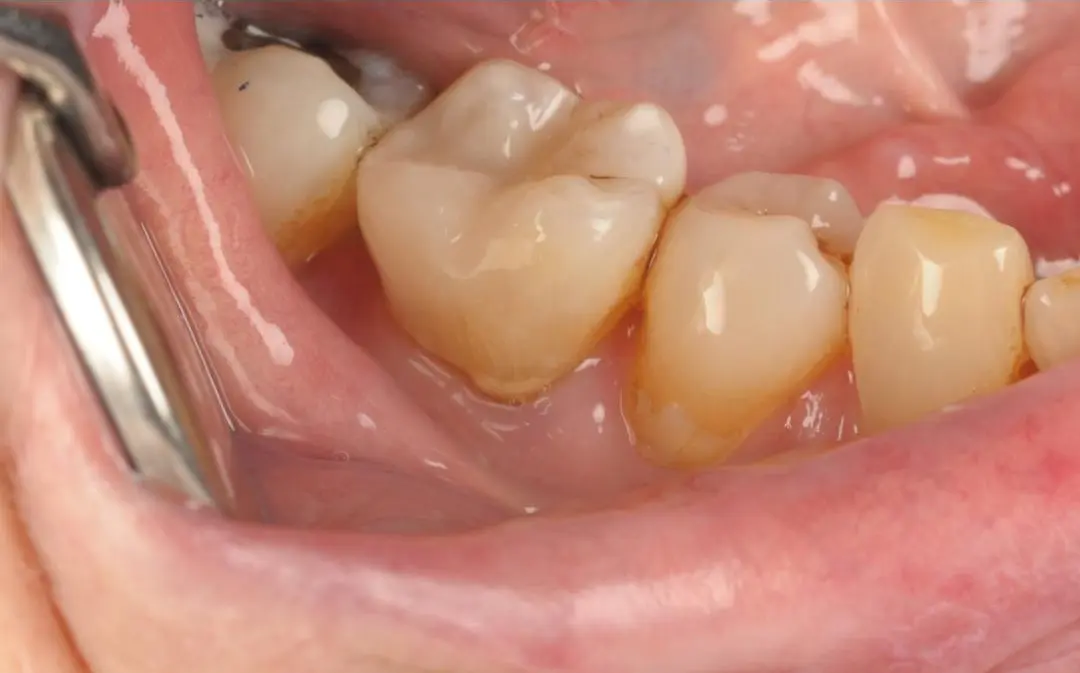
Real Patient Result: Emergency White Filling
Treatment by Dr Kamran
Saliva also plays a role in filling longevity, as it contains enzymes and acids that can gradually affect the interface between the filling material and the natural tooth over extended periods.
When Professional Dental Assessment May Be Needed
Several situations indicate that prompt professional dental evaluation may be appropriate following filling loss. Persistent or increasing pain suggests that the tooth's nerve may be affected or that additional complications have developed — severe toothache after a filling falls out is a recognised pattern that warrants prompt dental evaluation. Sharp or throbbing pain, particularly when biting down or consuming hot or cold items, warrants timely dental attention.
Visible signs of tooth damage, such as cracks, chips, or dark areas that may indicate decay, should be assessed professionally. Swelling of the gums around the affected tooth or facial swelling may suggest the development of an infection that requires prompt evaluation.
If the lost filling was large or if significant time has passed since the filling was lost, the tooth structure may have become weakened or damaged. Temperature sensitivity that persists or worsens over time may indicate that the tooth's pulp has been affected.
Treatment Options for Replacing Lost Fillings
Professional dental treatment for a lost filling typically begins with a thorough examination to assess the condition of the remaining tooth structure and determine the most appropriate restoration approach. If the tooth structure remains healthy and strong, a straightforward replacement filling may be suitable using modern materials such as composite resin or glass ionomer.
When additional decay has developed around the original filling site, the dentist will need to remove the affected tooth structure before placing the new restoration. This process ensures that all compromised areas are addressed and helps prevent future complications. In some cases, emergency dental treatment may be necessary if pain or infection has developed.
For teeth with extensive damage or repeated filling failures, alternative treatments such as inlays, onlays, or crowns might be recommended to provide more comprehensive protection and longevity. These options involve covering a larger portion of the tooth structure and can offer enhanced durability for teeth that experience significant chewing forces.
The choice of replacement material depends on various factors including the tooth's location, the size of the cavity, aesthetic considerations, and the patient's individual circumstances and preferences.
Prevention Strategies for Filling Longevity
Maintaining the longevity of dental fillings involves several key oral health practices that support both the restoration and the surrounding tooth structure. Regular dental check-ups allow for early detection of potential issues such as wear, marginal breakdown, or secondary decay that could compromise filling retention.
Effective daily oral hygiene, including thorough brushing with fluoride toothpaste and regular interdental cleaning, helps prevent the accumulation of bacteria around filling margins. Fluoride helps strengthen the tooth structure around fillings and can help prevent the development of new decay.
Dietary considerations also play a role in filling maintenance. Limiting frequent consumption of sugary or acidic foods and beverages reduces the risk of decay development around existing restorations. Being mindful of habits such as teeth grinding, ice chewing, or using teeth as tools can help prevent excessive force that might damage fillings.
For patients who grind their teeth, particularly during sleep, a custom-fitted nightguard may help protect both natural teeth and dental restorations from excessive forces. Regular dental health check-ups enable monitoring of existing fillings and early intervention when maintenance is needed.
Key Points to Remember
- Lost fillings require prompt professional dental assessment to prevent complications
- Temporary measures can provide short-term relief until dental care is available
- Multiple factors contribute to filling loss, including age, decay, and mechanical forces
- Professional treatment options depend on the condition of the remaining tooth structure
- Good oral hygiene and regular dental visits help maintain filling longevity
- Avoiding excessive forces and maintaining a balanced diet supports restoration health
Frequently Asked Questions
How long can I wait before seeing a dentist after losing a filling?
Whilst temporary measures can provide short-term relief, professional dental assessment should be sought within a few days when possible. The exposed tooth structure becomes more vulnerable to damage and decay over time, and prompt treatment typically results in more straightforward restoration procedures.
Is it normal for a filling to fall out without warning?
Fillings can sometimes become loose gradually before falling out, though patients may not always notice the early signs. Regular dental examinations help identify potential filling problems before they progress to complete loss, allowing for preventive intervention.
Can I eat normally with a temporary filling material?
Temporary filling materials provide basic protection but are not designed for normal chewing forces. It's advisable to eat soft foods and avoid chewing on the affected tooth until professional restoration is completed.
Will my tooth definitely need a filling replacement?
The treatment approach depends on the condition of the remaining tooth structure and any additional decay that may have developed. Your dentist will assess whether a simple filling replacement is appropriate or if alternative treatments would be more suitable.
How can I prevent future filling loss?
Regular dental check-ups, good oral hygiene, avoiding excessive forces on teeth, and addressing teeth grinding can all help maintain filling integrity. Using fluoride toothpaste and limiting sugary foods also supports the health of both fillings and surrounding tooth structure.
Should I keep the lost filling if I find it?
There's generally no need to keep a lost filling, as it cannot typically be reused. However, bringing it to your dental appointment may help your dentist understand what type of material was previously used.
Conclusion
Managing a lost filling appropriately involves understanding both immediate care measures and the importance of professional dental assessment. Whilst temporary solutions can provide relief, the exposed tooth structure requires professional evaluation to prevent potential complications such as further decay, damage, or infection.
The longevity of dental fillings depends on multiple factors including the quality of oral hygiene, dietary habits, and regular professional monitoring. When fillings do become lost, prompt professional dental care helps ensure that an appropriate treatment approach can be identified based on the individual circumstances and condition of the affected tooth.
Prevention through good oral health practices, regular dental visits, and being mindful of habits that may stress dental restorations remains the most effective approach to maintaining filling integrity over time. Dental symptoms and treatment options should always be assessed individually during a clinical examination.
Disclaimer
This article is provided for educational and informational purposes only and does not constitute dental or medical advice. Individual dental symptoms and treatment requirements vary significantly between patients and can only be properly assessed through direct clinical examination by a qualified dental professional. No treatment outcomes can be guaranteed, and this content does not establish a dentist-patient relationship or replace professional consultation, diagnosis, or treatment. This educational content complies with General Dental Council (GDC), Care Quality Commission (CQC), and Advertising Standards Authority (ASA) guidelines for responsible healthcare communication.