
Many cancer patients undergoing chemotherapy treatment in London often experience unexpected oral health challenges that can significantly impact their quality of life. These complications, ranging from dry mouth to increased infection risk, frequently prompt patients to search for guidance on maintaining oral health during their treatment journey.
Chemotherapy medications, whilst targeting cancer cells, can also affect rapidly dividing healthy cells throughout the body, including those in the mouth and oral tissues. Understanding how cancer treatment affects oral health is essential for maintaining comfort and preventing complications that could potentially delay treatment schedules.
This article explains the relationship between chemotherapy and oral health, discusses common oral complications that may arise during treatment, and provides evidence-based guidance on supportive oral care strategies. We'll explore how proper oral hygiene protocols and professional dental support can help patients navigate their treatment more comfortably whilst maintaining optimal oral health throughout their cancer journey.
Experiencing these symptoms?
Delaying treatment can lead to tooth loss. We have slots available today.
How Does Chemotherapy Affect Oral Health?
Chemotherapy affects oral health by targeting rapidly dividing cells throughout the body, including healthy cells in the mouth, tongue, and gums, potentially leading to inflammation, reduced saliva production, and increased infection risk.
Understanding Chemotherapy's Impact on Oral Tissues
Chemotherapy medications work by interfering with cell division to stop cancer growth. However, these powerful drugs cannot distinguish between cancerous cells and healthy rapidly dividing cells found throughout the oral cavity. The mouth contains some of the fastest-regenerating tissues in the body, with oral epithelial cells renewing every 7-14 days under normal circumstances.
When chemotherapy disrupts this natural renewal process, patients may experience mucositis, characterised by inflammation and ulceration of the oral mucosa. Additionally, many chemotherapy regimens can affect salivary gland function, leading to xerostomia (dry mouth), which reduces the mouth's natural protective mechanisms against bacteria and acids.
Meet Dr. Yasha Shirazi
Principal Dentist at Emergency Dentist London
"We treat hundreds of dental emergencies every month. The sooner you come in, the easier the fix usually is."
Book an appointment with our team →The bone marrow suppression commonly associated with chemotherapy can also reduce white blood cell counts, compromising the body's ability to fight oral infections. This immunosuppression makes the mouth more susceptible to bacterial, viral, and fungal infections that might not typically pose problems for healthy individuals.
Common Oral Complications During Cancer Treatment
Several oral health complications may develop during chemotherapy treatment. Oral mucositis represents one of the most frequent and potentially debilitating side effects; research published in oncology literature suggests it may affect a significant proportion of patients receiving high-dose chemotherapy, with some studies citing rates up to 80%, though individual risk varies based on the chemotherapy regimen and patient factors. This condition typically begins with mild oral discomfort and can progress to painful ulcerations that may interfere with eating, drinking, and speaking.
Xerostomia affects many chemotherapy patients and can persist long after treatment completion. Reduced saliva flow increases the risk of tooth decay, as saliva normally helps neutralise acids and wash away food particles and bacteria. Patients may also experience taste alterations (dysgeusia), which can affect nutrition and quality of life.
Increased susceptibility to oral infections represents another significant concern. Opportunistic infections such as oral candidiasis (thrush) may develop, whilst dormant viral infections like herpes simplex can reactivate. Gum inflammation and bleeding may also occur more readily due to compromised immune function and potential changes in oral hygiene practices during treatment.
Pre-Treatment Dental Assessment and Planning
Comprehensive dental evaluation before chemotherapy begins can help identify and address potential oral health issues that might complicate cancer treatment. This proactive approach allows dental professionals to treat existing dental problems, such as tooth decay or gum disease, before the patient's immune system becomes compromised.
Pre-treatment dental care typically includes thorough oral examination, professional cleaning, and treatment of any active dental disease. X-rays may be recommended to identify hidden problems such as impacted wisdom teeth or underlying infections that could pose risks during immunosuppression.
Establishing a baseline of oral health also enables dental professionals to develop personalised oral care protocols tailored to the specific chemotherapy regimen and individual patient needs. This collaborative approach between oncology and dental teams helps ensure that oral complications don't interfere with cancer treatment schedules.
Oral Hygiene Protocols During Chemotherapy
Maintaining excellent oral hygiene becomes particularly crucial during chemotherapy treatment. Gentle brushing with a soft-bristled toothbrush helps remove plaque without causing additional trauma to sensitive oral tissues. Electric toothbrushes may be beneficial for patients experiencing fatigue or limited mobility, though brush heads should be replaced frequently to prevent bacterial accumulation.
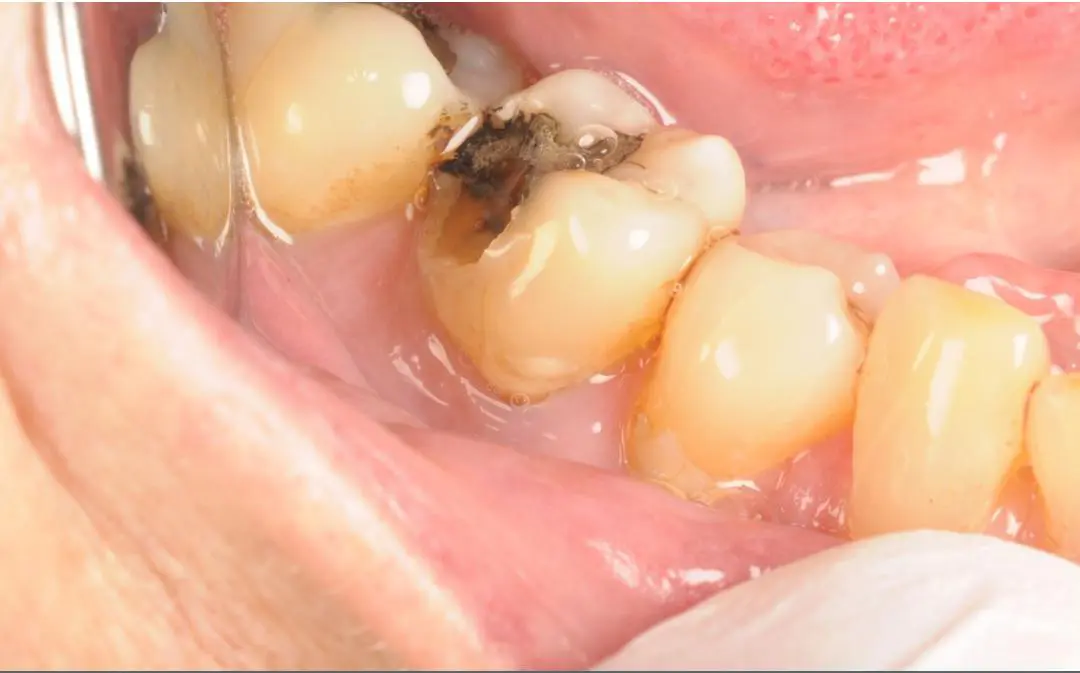
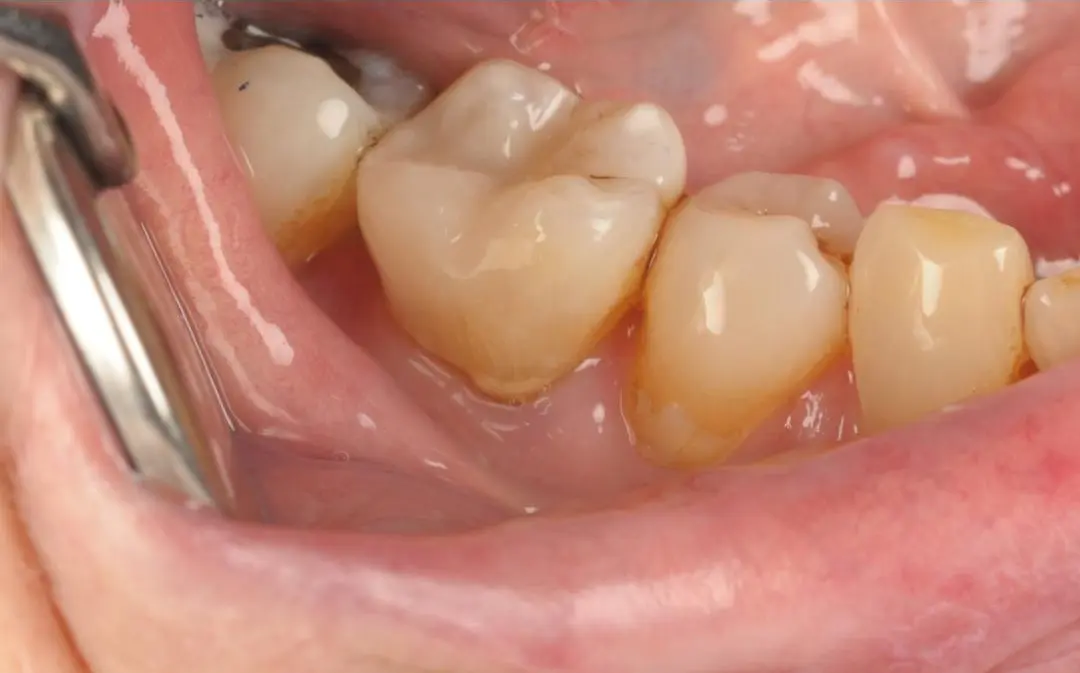
Real Patient Result: Emergency White Filling
Treatment by Dr Kamran
Fluoride toothpaste remains important for cavity prevention, especially given the increased decay risk associated with dry mouth. However, patients with severe mucositis may need to temporarily switch to mild, non-foaming toothpastes to reduce irritation.
Regular mouth rinsing can help maintain oral cleanliness and comfort. Saline rinses (salt water) provide gentle cleansing without the alcohol content found in many commercial mouthwashes, which can be irritating to inflamed tissues. Some patients may benefit from specialised oral rinses containing antibacterial or antifungal agents, though these should only be used under professional dental guidance.
Managing Dry Mouth and Saliva-Related Issues
Xerostomia management focuses on stimulating natural saliva production where possible and providing artificial lubrication when necessary. Sugar-free gums and lozenges containing xylitol can help stimulate salivary flow whilst providing some antibacterial benefits. Staying well-hydrated by sipping water frequently throughout the day also helps maintain oral moisture.
Artificial saliva products and oral moisturising gels can provide temporary relief from dry mouth symptoms. These products are particularly helpful at night when natural saliva production further decreases during sleep. Room humidifiers may also help maintain comfortable moisture levels, especially in heated or air-conditioned environments.
Dietary modifications can help manage dry mouth effects. Avoiding foods and beverages that may further dry the mouth, such as alcohol, caffeine, and very salty or spicy foods, whilst choosing moist, soft foods can improve comfort during eating.
When Professional Dental Assessment May Be Needed
Patients undergoing chemotherapy should seek dental evaluation if they experience persistent oral pain that interferes with eating or sleeping, as this may indicate developing mucositis or other complications requiring professional management. New or worsening mouth sores, white patches, or unusual oral bleeding should also prompt dental consultation.
Signs of oral infection, including increased swelling, fever, or pus discharge, require prompt professional attention, particularly given the immunocompromised state of chemotherapy patients. Changes in taste, persistent dry mouth that doesn't respond to home management, or difficulty swallowing may also benefit from professional assessment.
Regular dental monitoring throughout chemotherapy treatment allows for early identification and management of developing complications. Dental professionals familiar with oncology patients can provide specialised treatments such as prescription fluoride treatments for enhanced cavity prevention or recommend specific oral care products designed for cancer patients.
Nutritional Considerations for Oral Health
Maintaining adequate nutrition during chemotherapy becomes more challenging when oral complications develop, yet proper nutrition remains essential for healing and treatment tolerance. Soft, nutrient-dense foods that require minimal chewing can help ensure adequate caloric and protein intake whilst minimising oral discomfort.
Foods rich in vitamins A, C, and E, along with zinc and selenium, may support tissue healing and immune function. However, patients should avoid very acidic foods such as citrus fruits or tomatoes if experiencing mouth sores, as these can increase discomfort and potentially slow healing.
Frequent small meals may be better tolerated than large portions, and room-temperature or cool foods often feel more comfortable than hot foods. Working with oncology nutritionists can help develop meal plans that meet nutritional needs whilst accommodating oral symptoms and food preferences affected by treatment.
Post-Treatment Oral Health Recovery
Recovery of normal oral function typically occurs gradually after chemotherapy completion, though the timeline varies significantly between individuals. Salivary gland function may take weeks to months to recover fully, and some patients may experience long-term changes in saliva production or taste sensation.
Continued vigilant oral hygiene remains important during the recovery period, as the risk of dental problems may persist until normal oral function returns completely. Regular dental check-ups during this transition period help monitor healing progress and address any lingering complications.
Some patients may benefit from ongoing supportive treatments such as prescription mouth rinses or specialised oral care products until normal oral health is fully restored. Professional fluoride applications may also be recommended to help strengthen teeth that may have been weakened by treatment-related dry mouth.
Key Points to Remember
• Chemotherapy can significantly affect oral health through its impact on rapidly dividing oral tissues
• Pre-treatment dental assessment helps identify and address potential complications before they become problematic
• Gentle, consistent oral hygiene practices remain crucial throughout treatment
• Dry mouth management requires both saliva stimulation and artificial lubrication strategies
• Professional dental monitoring throughout treatment enables early intervention for complications
• Recovery of normal oral function typically occurs gradually after treatment completion
Frequently Asked Questions
How soon before chemotherapy should I see a dentist?
Ideally, dental evaluation should occur 2-3 weeks before chemotherapy begins to allow time for any necessary dental treatments to heal properly. This timeframe enables your dental team to address existing problems and establish appropriate oral care protocols tailored to your specific treatment plan.
Can I continue using my regular toothpaste during chemotherapy?
Most patients can continue using fluoride toothpaste, though those experiencing severe mouth sores may need to temporarily switch to milder, non-foaming formulations. Fluoride remains important for cavity prevention, especially given the increased decay risk associated with treatment-related dry mouth. Your dental team can recommend specific products if needed.
What should I do if my mouth becomes too sore to brush normally?
If regular brushing becomes too uncomfortable, switch to an extra-soft toothbrush or use foam swabs for gentle cleaning. Saline rinses can help maintain cleanliness when brushing is difficult. However, it's important to resume normal oral hygiene as soon as possible to prevent bacterial accumulation and further complications.
Are there foods I should avoid during chemotherapy treatment?
Avoid very hot, spicy, acidic, or rough-textured foods if experiencing mouth sores, as these can increase discomfort and potentially delay healing. Alcohol and tobacco should be avoided entirely, as they can worsen oral complications and interfere with healing processes during cancer treatment.
How long do oral side effects typically last after chemotherapy?
Most acute oral complications such as mucositis typically resolve within 2-4 weeks after treatment completion, though recovery timelines vary significantly between individuals. Dry mouth may persist longer, sometimes taking several months for salivary function to return to normal levels, and some patients may experience permanent changes.
Should I use mouthwash during chemotherapy treatment?
Avoid alcohol-containing mouthwashes, as these can be irritating to sensitive oral tissues. Saline rinses or specialised alcohol-free mouth rinses designed for cancer patients are generally safer options. Your dental or medical team may recommend specific rinses containing antibacterial or antifungal agents based on your individual needs.
Conclusion
Supportive oral care during chemotherapy plays a vital role in maintaining patient comfort and preventing complications that could potentially interfere with cancer treatment. Understanding how chemotherapy affects oral health enables patients and their care teams to implement proactive strategies that minimise discomfort and reduce the risk of serious oral complications.
Effective oral care management requires collaboration between oncology and dental professionals, along with patient commitment to modified oral hygiene routines tailored to treatment-related changes. With proper preparation, consistent care, and professional monitoring, most oral complications associated with chemotherapy can be successfully managed whilst maintaining optimal treatment outcomes.
The implementation of comprehensive oral care protocols before, during, and after chemotherapy treatment represents an essential component of holistic cancer care. Early intervention and preventive strategies significantly improve patient quality of life and help ensure that oral health complications don't compromise cancer treatment success.
Dental symptoms and treatment options should always be assessed individually during a clinical examination.
Disclaimer
This article is provided for educational purposes only and should not be considered as medical or dental advice. Individual oral health conditions, symptoms, and treatment responses vary significantly between patients, and all dental concerns should be properly evaluated through clinical examination by qualified dental professionals. This content is not intended to diagnose, treat, or prevent any dental condition. Always seek personalised advice from registered dental practitioners based on your specific clinical circumstances.