
Many people notice their gums bleeding when they brush, feel tenderness around their teeth, or spot swelling they cannot quite explain. These changes can prompt concern, and it is natural to search online for reassurance or guidance before deciding whether to see a dentist. Understanding what urgent gum indicators might mean — and how London dental services can help — is an important first step.
Gum health is closely linked to overall oral health and, according to a growing body of research, to general wellbeing too. Yet gum symptoms are often overlooked or dismissed as minor inconveniences. This article explores the common signs that may suggest your gums require professional attention, the clinical processes involved in their assessment, and how dental teams in London are equipped to respond when gum-related concerns become more pressing.
Whether you are experiencing persistent soreness, noticing changes in how your gums look, or simply want to understand gum health better, the information here is intended to guide and reassure you.
Experiencing these symptoms?
Delaying treatment can lead to tooth loss. We have slots available today.
What Are Urgent Gum Indicators and How Are They Managed?
Urgent gum indicators are symptoms such as persistent bleeding, swelling, pain, or recession that may suggest underlying gum disease or infection. Professional management of urgent gum indicators by a qualified London dental team involves clinical assessment, tailored treatment planning, and timely intervention to support gum health and prevent further progression.
Understanding Gum Health: Why It Matters
Healthy gums are firm, pale pink in colour, and sit snugly around the base of each tooth. When gums are compromised — whether through bacterial plaque build-up, lifestyle factors, or systemic conditions — they can begin to show signs of distress. These signs should not be ignored, as gum disease is one of the most common causes of tooth loss in adults in the UK.
Gum disease exists on a spectrum. Gingivitis is the milder, reversible form in which the gums become inflamed due to plaque accumulation. If left unaddressed, gingivitis can progress to periodontitis — a more complex condition involving damage to the bone and structures that support the teeth.
Meet Dr. Yasha Shirazi
Principal Dentist at Emergency Dentist London
"We treat hundreds of dental emergencies every month. The sooner you come in, the easier the fix usually is."
Book an appointment with our team →What makes this particularly relevant in an urban environment like London is the wide range of factors that can contribute to gum problems: busy lifestyles that compromise daily oral hygiene, smoking, dietary habits, and stress can all play a role. Understanding that gum symptoms have identifiable causes and manageable solutions is an important reassurance for patients.
Common Urgent Gum Indicators to Be Aware Of
Recognising the early signs of gum-related concerns allows for timely professional assessment. Whilst only a qualified dental professional can determine the cause of your symptoms through examination, the following are among the most commonly reported urgent gum indicators:
- Bleeding gums — particularly during brushing, flossing, or eating
- Persistent gum soreness or tenderness — especially if it does not resolve within a few days
- Swelling or puffiness around the gum tissue
- Gum recession — the appearance that teeth are becoming longer as gum tissue pulls back
- Bad breath that does not improve with brushing
- Loose teeth or a change in how teeth fit together when biting
- Pus or discharge around a tooth or gum line
- Pain when chewing
It is important to note that some of these symptoms can overlap with other dental conditions. A professional clinical assessment is always necessary to accurately evaluate the cause and identify the most appropriate management approach.
The Clinical Science Behind Gum Disease Progression
To understand why urgent gum indicators require professional attention, it helps to appreciate how gum disease develops at a biological level.
The mouth naturally contains bacteria. When these bacteria combine with food particles and saliva, they form a sticky film on the teeth called plaque. If plaque is not effectively removed through brushing and flossing, it begins to irritate the gum tissue, causing the inflammatory response we recognise as gingivitis.
At this stage, the body's immune system is actively trying to combat the bacterial invasion. However, this immune response also releases enzymes that, over time, can damage the connective tissue and bone supporting the teeth. As the gum tissue pulls away from the tooth surface, small pockets form between the tooth and gum. These pockets become reservoirs for further bacterial accumulation — increasingly difficult to clean at home — accelerating the progression towards periodontitis.
In more advanced cases, the bacteria can penetrate deeper tissues and potentially contribute to systemic inflammatory conditions. This is why addressing gum symptoms promptly through professional management of urgent gum indicators is considered clinically important, not merely cosmetic.
How London Dental Services Assess and Manage Urgent Gum Symptoms
When you attend a London dental practice with urgent gum concerns, the clinical team will follow a structured assessment process to evaluate your individual situation. No two patients present identically, and management is always tailored to the individual following a thorough examination.
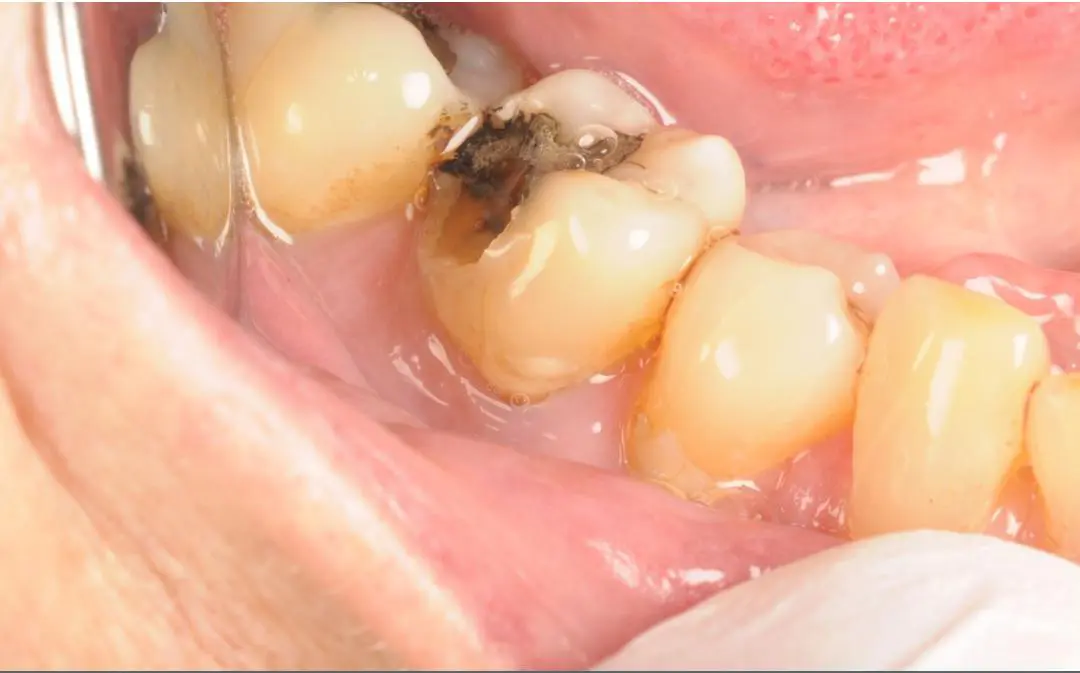
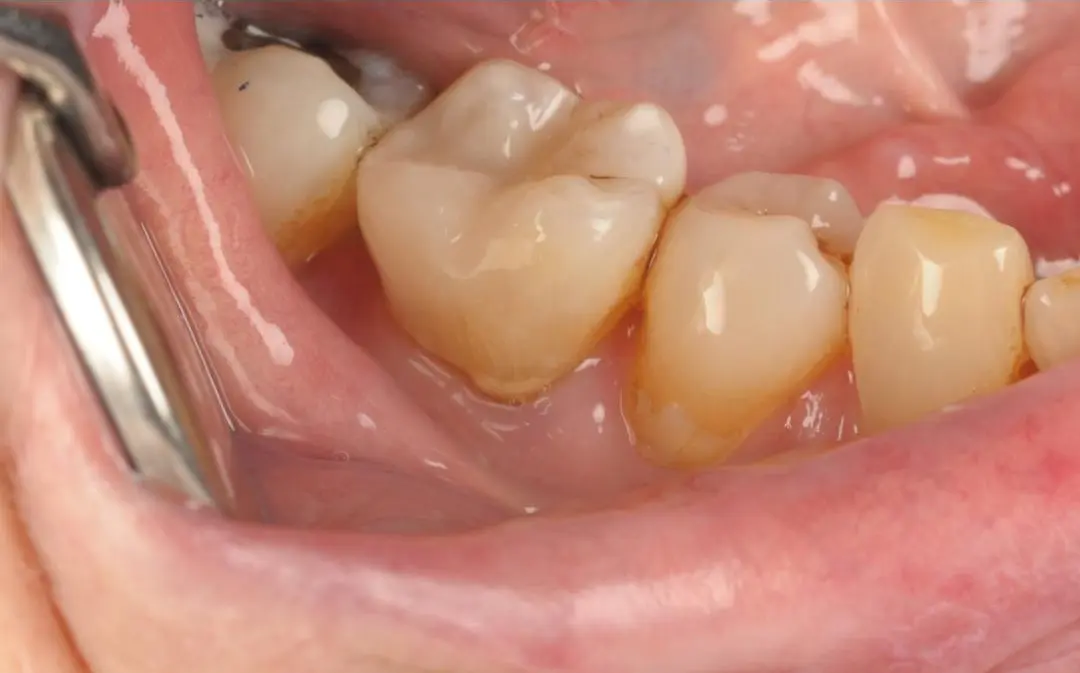
Real Patient Result: Emergency White Filling
Treatment by Dr Kamran
Initial assessment typically includes a full oral health review, measurement of any gum pockets using a periodontal probe, X-rays if required to evaluate supporting bone levels, and a review of your dental and medical history.
Professional cleaning — often referred to as scale and polish or, in more complex cases, root surface debridement — is frequently a first-line treatment. This removes plaque and calcified deposits (tartar or calculus) from tooth surfaces and below the gum line, which cannot be effectively removed through home brushing alone.
Tailored oral hygiene instruction is an essential component of gum management. Patients receive personalised guidance on brushing technique, interdental cleaning, and lifestyle modifications that can support gum recovery.
If infection is present, the dental team may discuss whether antibiotics — which must be prescribed by an appropriately qualified clinician — or other adjunct treatments are clinically appropriate. In more advanced situations, referral to a specialist periodontist may be recommended.
If you are experiencing painful or swollen gums alongside other symptoms, you can explore emergency dental appointments in London to discuss your concerns with a qualified dental professional at short notice.
When Professional Dental Assessment May Be Needed
Not every instance of gum sensitivity requires urgent intervention, but there are certain circumstances in which seeking professional dental evaluation sooner rather than later may be advisable. It is important to approach this decision calmly and with the reassurance that dental teams are experienced in managing a wide range of gum presentations.
Consider contacting a dental professional if you notice:
- Gum bleeding that occurs frequently or is difficult to control
- Swelling that is worsening or spreading
- A noticeable dental abscess or swelling alongside the gum
- Significant mouth pain that disrupts eating or sleeping
- A sudden change in how your teeth feel or fit together
- Visible pus or an unpleasant taste that persists
These symptoms, whilst not necessarily indicative of a serious condition, warrant timely professional review. A dental team can carry out the necessary clinical examination to understand the underlying cause and discuss options with you.
For patients seeking to understand the financial aspects of seeking professional dental help, the following video provides helpful guidance:
Pricing notice: Any fees referenced in the above video are provided as illustrative examples only. Actual treatment costs vary depending on individual clinical needs. A full written treatment plan, including all associated costs, will be provided following your personal clinical examination before any treatment proceeds.
Gum Abscesses: A Common Urgent Presentation
A gum abscess is one of the more pressing urgent gum indicators that dental teams in London encounter regularly. It occurs when a collection of pus forms within the gum tissue or in the space between the gum and tooth, typically as a result of bacterial infection.
Common signs of a gum abscess include a visibly swollen, shiny lump on the gum, persistent throbbing pain, a bad taste or odour in the mouth, and sometimes a general feeling of being unwell.
It is worth noting that a gum abscess is distinct from a dental (periapical) abscess, which originates from within the tooth's root. Both require professional evaluation, but the treatment pathway differs depending on the source and extent of the infection.
Patients should avoid attempting to drain an abscess at home. Professional dental management ensures the infection is appropriately addressed in a clean, controlled clinical environment, reducing the risk of spread or complication.
If you are concerned about a possible abscess or persistent gum infection, learning more about dental abscess treatment options can help you understand what to expect from a clinical appointment.
Gum Recession: Understanding a Gradual Urgent Indicator
Gum recession is a progressive condition in which the gum tissue gradually pulls back from the tooth, exposing more of the tooth surface or its root. Although it develops slowly, it can become an urgent concern when sensitivity increases or tooth stability is affected.
Causes of gum recession include aggressive tooth brushing, long-term gum disease, teeth grinding (bruxism), and certain anatomical factors. The exposed root surfaces are more vulnerable to sensitivity, decay, and structural damage.
Patients often describe gum recession as noticing their teeth appearing longer than they used to, or feeling heightened sensitivity to hot, cold, or sweet foods. These are valid reasons to seek a clinical assessment.
Treatment for gum recession depends on the underlying cause and the extent of tissue loss. Management may range from reviewing brushing habits and recommending a softer-bristled brush, to more advanced procedures in cases where significant tissue loss has occurred. The most suitable approach will always be determined following a clinical examination.
To understand more about how gum concerns fit within a broader oral health assessment, exploring general dental examinations and oral health reviews may provide helpful context.
Prevention and Oral Health Advice for Stronger Gums
Maintaining healthy gums is an ongoing daily commitment, and there are several evidence-based practices that can meaningfully reduce the risk of developing urgent gum indicators.
Effective brushing: Use a soft-to-medium bristled toothbrush and fluoride toothpaste. Brush for two minutes, twice daily, using gentle circular or angled strokes. Avoid scrubbing aggressively, as this can contribute to gum recession over time.
Interdental cleaning: Floss, interdental brushes, or water flossers help remove plaque from between teeth where a toothbrush cannot reach. This is one of the most impactful steps for gum health.
Regular dental check-ups: Attending routine dental examinations allows any early signs of gum change to be detected and monitored before they progress.
Avoid smoking: Smoking significantly increases the risk of gum disease and impairs the healing response. Stopping smoking is one of the most beneficial steps for gum health.
Balanced diet: Reducing sugar intake and consuming adequate vitamins — particularly Vitamin C — supports gum tissue health.
Manage stress: Stress has been associated with gum disease progression and reduced immune function. Seeking support for stress management can have a positive effect on oral health.
Key Points to Remember
- Urgent gum indicators include bleeding, swelling, recession, persistent soreness, and signs of infection such as pus or abscess
- Gum disease progresses from reversible gingivitis to more complex periodontitis if left unmanaged
- Professional management of urgent gum indicators involves clinical assessment, professional cleaning, oral hygiene guidance, and tailored treatment planning
- London dental services are equipped to assess gum symptoms promptly and develop an appropriate, individualised management approach
- Prevention through consistent oral hygiene, regular dental visits, and healthy lifestyle choices significantly supports long-term gum health
- Treatment suitability and outcomes always depend on individual clinical assessment — no two patients are the same
Frequently Asked Questions
What is the difference between gingivitis and periodontitis?
Gingivitis is the early, reversible stage of gum disease characterised by inflammation, redness, and bleeding of the gum tissue, typically caused by plaque build-up. With professional treatment and improved oral hygiene, gingivitis may be managed and, in many cases, its effects reduced or resolved, depending on individual clinical factors. Periodontitis is a more advanced stage where the infection spreads beneath the gum line, affecting the bone and ligaments that support the teeth. This stage requires more involved professional management and, whilst it can be stabilised, changes to bone and tissue cannot always be fully reversed. Early intervention is considered clinically beneficial for this reason.
Can gum disease affect my general health?
Research has identified associations between gum disease and certain systemic health conditions, including cardiovascular disease, diabetes, and complications during pregnancy. The precise nature of these relationships continues to be studied. Gum disease involves chronic bacterial infection and inflammation, which may have wider effects on the body's systems. Maintaining good gum health is considered an important part of overall health care. If you have an existing health condition and are experiencing gum symptoms, informing both your dentist and GP is advisable so that your care can be coordinated appropriately.
Why are my gums bleeding when I brush?
Bleeding gums during brushing are one of the most common signs of gingivitis. When plaque accumulates along the gum line, it triggers an inflammatory response that makes the gum tissue more prone to bleeding. In some cases, brushing too vigorously or using a hard-bristled toothbrush can also contribute. Whilst occasional minor bleeding may resolve with improved oral hygiene, persistent or heavy bleeding warrants a professional dental assessment. A dental team can determine whether the cause is gum disease, medication-related, or another factor, and advise accordingly.
How quickly can gum disease progress?
The rate at which gum disease progresses varies considerably between individuals and is influenced by factors including oral hygiene habits, smoking, diet, stress, genetics, and systemic health. Some individuals may experience relatively rapid progression, whilst others may have stable, slow-moving gum disease for many years. This variability is one reason why regular dental check-ups are valuable — they allow a clinician to monitor any changes and adjust management if needed. If you have noticed a significant or sudden change in your gum health, seeking a professional assessment promptly is advisable.
Is it normal to have sore gums occasionally?
Mild, short-lived gum soreness following dental treatment or from accidentally biting the gum tissue is not uncommon and typically resolves on its own. However, soreness that persists for more than a few days, recurs regularly, or is accompanied by swelling, bleeding, or other changes should be evaluated by a dental professional. Persistent gum pain is not considered a normal feature of oral health and may indicate an underlying condition that requires assessment and management.
Are there specific risk factors that make gum disease more likely?
Yes, several factors are associated with an increased likelihood of developing gum disease. These include smoking or tobacco use, poorly controlled diabetes, a family history of gum disease, hormonal changes (such as during pregnancy or menopause), certain medications that affect saliva flow or gum tissue, and stress. Individuals with these risk factors may benefit from more frequent dental reviews and tailored preventative advice. Identifying and addressing risk factors as part of a professional dental assessment can support better long-term gum health outcomes.
Conclusion
Gum health is a fundamental component of oral wellbeing, and recognising urgent gum indicators early gives dental professionals the best opportunity to provide effective, timely management. From bleeding and swelling to recession and infection, a wide range of gum symptoms can be assessed and addressed by the experienced dental teams available through London dental services.
The professional management of urgent gum indicators involves far more than simply treating immediate discomfort — it encompasses a thorough clinical evaluation, an understanding of the underlying causes, and a tailored plan designed to support long-term gum health. Prevention, through consistent daily oral hygiene and regular professional check-ups, remains one of the most effective strategies available to patients.
If you are experiencing any of the symptoms discussed in this article, or if you have concerns about your gum health, seeking professional dental guidance is always the appropriate next step.
Dental symptoms and treatment options should always be assessed individually during a clinical examination.
Disclaimer
This article is for educational and informational purposes only and does not constitute professional dental advice, diagnosis, or treatment recommendation.
Individual symptoms and treatment suitability vary between patients and must be assessed during a clinical examination by a qualified dental professional.
No guarantees or specific treatment outcomes are expressed or implied.
If you have bleeding, swelling, infection signs, or urgent concerns, seek prompt professional dental assessment.
This content aligns with General Dental Council (GDC), Care Quality Commission (CQC), ASA CAP Code, and GMC ethical communication standards.