
When sudden dental pain strikes or an unexpected oral health issue arises, many Londoners find themselves searching online for immediate answers and solutions. The urgency of acute dental scenarios often leaves patients feeling anxious and uncertain about their next steps, particularly when their regular dentist is unavailable or when symptoms develop outside normal practice hours.
Understanding how professional management of acute dental scenarios works at a London walk-in clinic can help patients make informed decisions during stressful situations. These urgent dental presentations require prompt assessment and appropriate clinical intervention to address immediate symptoms whilst preventing potential complications. Walk-in dental clinics provide accessible care when patients need it most, offering structured approaches to emergency dental situations.
This article explains the professional protocols used in managing acute dental conditions, the types of scenarios commonly seen in walk-in settings, and the clinical decision-making processes that guide treatment planning. We'll also explore when immediate dental assessment becomes necessary and how modern dental practices ensure patient safety during urgent presentations.
Experiencing these symptoms?
Delaying treatment can lead to tooth loss. We have slots available today.
What constitutes professional management of acute dental scenarios?
Professional management of acute dental scenarios involves systematic clinical assessment, immediate symptom relief, and evidence-based treatment protocols delivered by qualified dental professionals. This approach prioritises patient safety, pain management, and prevention of complications through structured emergency dental care.
Common Acute Dental Presentations in Walk-In Clinics
Walk-in dental clinics regularly see a variety of urgent presentations that require immediate professional attention. Severe toothache represents one of the most frequent acute scenarios, often resulting from advanced dental decay, infection, or trauma. These situations typically involve intense pain that significantly affects a patient's quality of life and may be accompanied by swelling or sensitivity to temperature changes.
Dental trauma from accidents, sports injuries, or falls creates another category of urgent presentations. Fractured, displaced, or completely avulsed teeth require prompt clinical intervention to maximise the potential for successful treatment outcomes. The timing of professional assessment becomes particularly critical in traumatic dental injuries.
Meet Dr. Yasha Shirazi
Principal Dentist at Emergency Dentist London
"We treat hundreds of dental emergencies every month. The sooner you come in, the easier the fix usually is."
Book an appointment with our team →Soft tissue injuries within the mouth, including cuts to the tongue, lips, or gums, may also require urgent dental care, especially when bleeding is persistent or when the injury affects oral function. Additionally, complications from existing dental work, such as lost fillings or crowns, can create acute discomfort and require immediate attention to prevent further damage to the affected tooth.
Clinical Assessment Protocols for Emergency Dental Care
The professional management of acute dental scenarios begins with a systematic clinical assessment that follows established protocols to ensure patient safety and diagnostic accuracy. This process typically starts with a comprehensive pain and symptom history, allowing the dental professional to understand the onset, nature, and severity of the presenting complaint.
Visual examination forms a crucial component of the initial assessment, enabling the clinician to identify obvious signs of infection, trauma, or structural damage. This examination includes assessment of facial symmetry, soft tissue condition, and the general state of the oral cavity. Digital radiographs may be necessary to evaluate the internal structures of affected teeth and surrounding bone.
Vital sign monitoring and medical history review ensure that any underlying health conditions are considered during treatment planning. This systematic approach helps dental professionals determine the most appropriate immediate interventions whilst identifying any factors that might influence treatment options or require modification of standard protocols.
The clinical assessment also includes evaluation of the patient's ability to function normally, including speaking, swallowing, and maintaining oral hygiene, which helps guide the urgency and type of intervention required.
Pain Management Strategies in Acute Dental Care
Effective pain management represents a fundamental aspect of professional acute dental care, requiring a balanced approach that addresses immediate discomfort whilst facilitating necessary clinical procedures. Local anaesthetic administration provides targeted pain relief for specific procedures and can offer significant comfort during examination and treatment of affected areas.
Appropriate analgesic protocols may be recommended based on the severity of symptoms and individual patient factors. These recommendations typically follow established guidelines for dental pain management and consider any existing medications or health conditions that might influence treatment choices.
Non-pharmacological approaches also play a role in comprehensive pain management strategies. These may include application of cold therapy for traumatic injuries or specific positioning recommendations that can help reduce discomfort whilst awaiting definitive treatment.
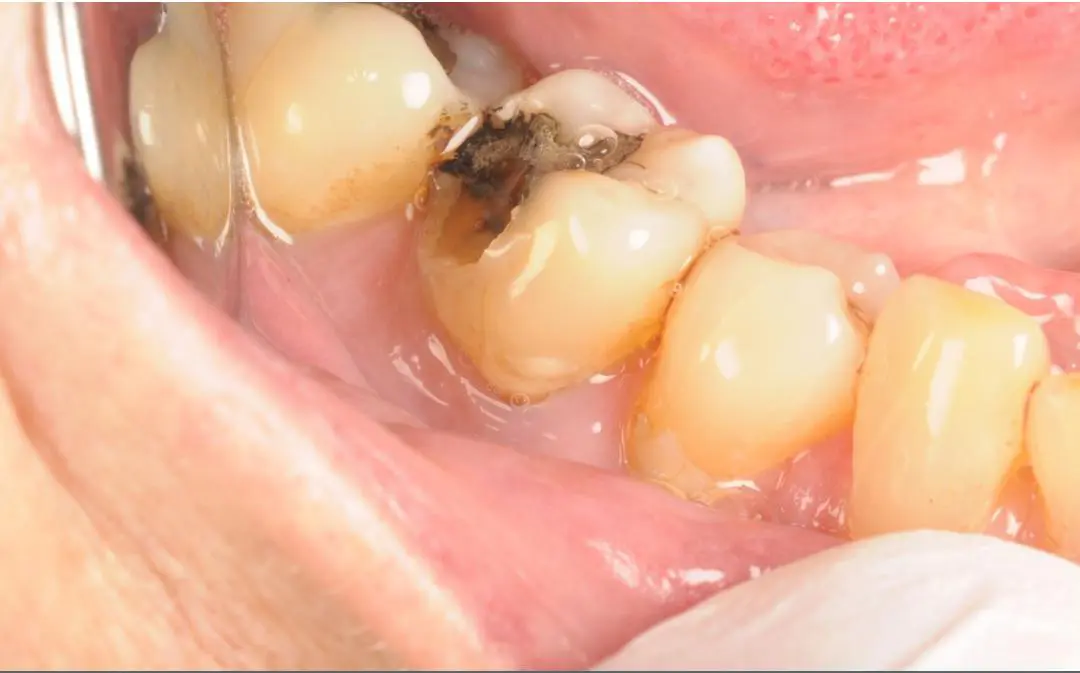
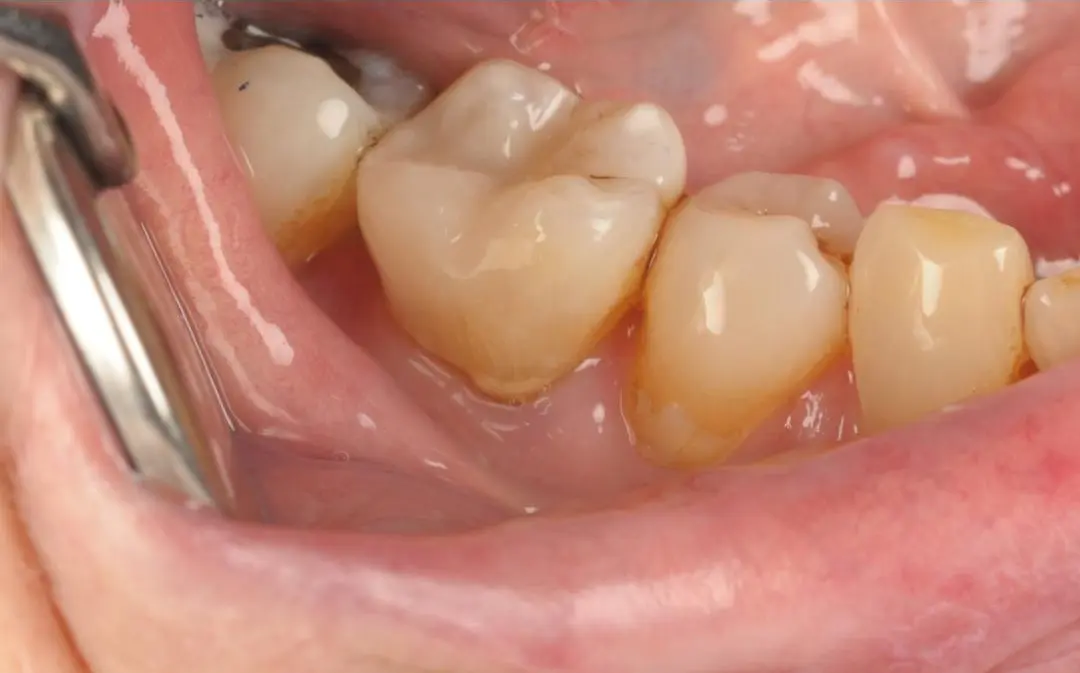
Real Patient Result: Emergency White Filling
Treatment by Dr Kamran
The professional approach to pain management also involves clear communication with patients about expected timescales for relief and any temporary measures that can be safely implemented at home between appointments.
Infection Control and Management Protocols
Dental infections require careful professional management to prevent spread and serious complications. Clinical signs of infection, including localised swelling, elevated temperature, or systemic symptoms, guide the urgency and type of intervention required. Professional assessment helps determine whether infection is localised to the tooth structure or has spread to surrounding tissues.
Antimicrobial therapy may be considered in specific circumstances, typically when there are signs of spreading infection or when patient factors indicate increased risk of complications. These decisions follow established prescribing guidelines and consider individual patient factors, including allergies and existing medications.
Drainage procedures might be necessary when infection has resulted in abscess formation. These interventions require clinical expertise to ensure complete drainage whilst minimising patient discomfort and preventing further complications.
Patient education about infection signs and symptoms forms an important component of professional management, ensuring individuals understand when to seek immediate care and how to monitor their condition effectively.
When Professional Dental Assessment Becomes Necessary
Understanding when to seek professional dental assessment can help prevent minor issues from developing into complex problems requiring extensive treatment. Persistent pain that does not respond to standard pain relief measures typically indicates the need for clinical evaluation, particularly when discomfort affects sleep or normal daily activities.
Facial swelling, especially when accompanied by fever or difficulty swallowing, requires prompt professional attention due to the potential for serious complications. Similarly, bleeding that continues for more than an hour following trauma or tooth extraction needs clinical assessment to determine appropriate intervention.
Changes in bite alignment following injury or sudden onset of sensitivity to temperature extremes may indicate underlying damage that requires professional evaluation. For more on handling dental injuries, see our guide on managing dental trauma with urgent care teams. Additionally, any situation where a permanent tooth has been completely displaced requires immediate dental assessment to maximise treatment success.
Treatment Planning and Follow-Up Care
Professional management of acute dental scenarios extends beyond immediate symptom relief to include comprehensive treatment planning that addresses underlying causes and prevents recurrence. Initial emergency intervention focuses on pain relief and stabilisation, but definitive treatment planning requires careful consideration of long-term oral health outcomes.
Follow-up appointments allow dental professionals to monitor healing progress and implement definitive treatments when acute symptoms have subsided. This staged approach ensures that treatments are performed under optimal conditions and helps achieve the best possible outcomes for patients.
Communication about treatment timescales and expected outcomes helps patients understand the complete treatment journey and make informed decisions about their dental care. Written instructions and emergency contact information provide additional support during the recovery period.
Prevention Strategies for Common Dental Emergencies
Many acute dental scenarios can be prevented through proactive oral health measures and lifestyle modifications. Regular dental examinations help identify potential problems before they develop into emergency situations, allowing for planned treatment under controlled conditions rather than urgent intervention.
Maintaining excellent oral hygiene through effective brushing and flossing techniques helps prevent the dental decay and gum disease that commonly lead to acute symptoms. Using fluoride toothpaste and considering additional preventive measures based on individual risk factors can significantly reduce the likelihood of emergency dental presentations.
Protective measures during sports activities, including properly fitted mouthguards, help prevent traumatic dental injuries. Similarly, avoiding habits such as chewing ice or using teeth as tools reduces the risk of sudden fractures or damage that require urgent care.
Regular maintenance of existing dental work, including professional cleaning and examination of restorations, helps identify potential problems before they result in acute symptoms or emergency presentations.
Key Points to Remember
• Professional management of acute dental scenarios involves systematic assessment and evidence-based treatment protocols
• Walk-in clinics provide structured emergency care when regular dental services are unavailable
• Pain management combines targeted techniques with appropriate analgesic protocols
• Infection control requires prompt professional assessment to prevent serious complications
• Preventive measures and regular dental care significantly reduce emergency presentation risk
• Follow-up care ensures optimal treatment outcomes and addresses underlying causes
Frequently Asked Questions
What should I do if I experience severe dental pain outside normal practice hours?
Severe dental pain requires prompt assessment, particularly when accompanied by swelling or fever. Contact an emergency dental service or walk-in clinic for immediate evaluation. Over-the-counter pain relief may provide temporary comfort, but professional assessment remains necessary to address underlying causes and prevent complications.
How quickly should dental trauma be assessed by a professional?
Dental trauma should receive professional assessment as soon as possible, ideally within 30 minutes to 2 hours depending on the severity. Completely displaced teeth have the highest likelihood of successful reimplantation when treated immediately. Even seemingly minor trauma may involve internal damage that requires clinical evaluation.
What constitutes a dental emergency that requires immediate professional attention?
Dental emergencies include severe persistent pain, facial swelling affecting breathing or swallowing, uncontrolled bleeding following trauma, completely displaced teeth, and signs of serious infection such as fever and malaise. These situations require prompt professional assessment to prevent complications.
Can walk-in dental clinics provide definitive treatment for acute dental problems?
Walk-in clinics typically focus on immediate symptom relief and stabilisation, though many can provide definitive treatment depending on the complexity of the case and available facilities. Treatment planning may involve staged approaches with follow-up appointments for complex procedures requiring extended time or specialised equipment.
How can I prevent dental emergencies from occurring?
Prevention involves maintaining excellent oral hygiene, attending regular dental examinations, using protective equipment during sports, avoiding harmful habits like chewing ice, and seeking prompt attention for minor dental problems before they develop into emergency situations. Professional guidance on individual risk factors helps optimise prevention strategies.
What information should I provide when seeking emergency dental care?
Provide detailed information about symptom onset, pain characteristics, any trauma history, current medications, relevant medical conditions, and previous dental treatment. This information helps dental professionals assess urgency and plan appropriate intervention strategies for your specific situation.
Conclusion
Professional management of acute dental scenarios requires systematic approaches that prioritise patient safety, effective pain relief, and evidence-based treatment protocols. Walk-in dental clinics provide essential services for urgent presentations, offering structured care when regular dental services are unavailable. Understanding the clinical processes involved in emergency dental care helps patients make informed decisions during stressful situations.
The combination of immediate symptom management and comprehensive treatment planning ensures optimal outcomes for patients experiencing acute dental problems. Prevention through regular dental care and protective measures significantly reduces the likelihood of emergency presentations, whilst prompt professional assessment when problems do arise helps prevent minor issues from developing into complex conditions requiring extensive treatment.
Dental symptoms and treatment options should always be assessed individually during a clinical examination.
Disclaimer
This article is provided for educational and informational purposes only and should not be considered as medical or dental advice. The information contained herein is not intended to diagnose, treat, cure, or prevent any dental condition or disease. Individual dental symptoms, oral health concerns, and treatment requirements vary significantly between patients and can only be properly assessed through direct clinical examination by a qualified dental professional.
Readers should not rely solely on the information provided in this article for making decisions about their dental health or treatment options. Any persistent dental symptoms, pain, swelling, or oral health concerns should be evaluated promptly by a registered dental practitioner who can provide personalised assessment and appropriate treatment recommendations based on individual clinical findings.
This content does not establish a dentist-patient relationship and should not be used as a substitute for professional dental consultation, diagnosis, or treatment. Always seek the advice of qualified healthcare professionals regarding any dental health questions or concerns you may have.