
Have you ever experienced a sharp, fleeting pain in your tooth the moment you release your bite after chewing? Perhaps it happens inconsistently — sometimes with certain foods, other times without obvious cause. If so, you are far from alone. This particular sensation is one of the most recognisable signs of a condition known as cracked tooth syndrome, and it prompts many people across London to search online for answers.
Cracked tooth syndrome is more common than many patients realise. It most frequently affects back teeth, which absorb the greatest chewing forces, and can present very differently from other forms of toothache. Understanding what causes it, how it feels, and what options may be available can help you feel more informed before speaking with a dental professional.
This article explains the signs of cracked tooth syndrome, the dental science behind it, what symptoms may indicate a need for professional assessment, and practical advice to help protect your teeth going forward.
Experiencing these symptoms?
Delaying treatment can lead to tooth loss. We have slots available today.
What Is Cracked Tooth Syndrome?
Cracked tooth syndrome occurs when a tooth develops a fracture that is not always visible on X-rays or during routine examination. The hallmark symptom is sharp pain upon releasing your bite, caused by the crack flexing under pressure. The pain is often brief but distinctive. A clinical dental assessment is needed to confirm the diagnosis and discuss suitable management options.
What Is Cracked Tooth Syndrome?
Cracked tooth syndrome (CTS) is a dental condition in which a tooth develops an incomplete fracture — a crack that has not yet separated the tooth into distinct pieces. Unlike a fully broken tooth, the crack is often microscopic or hidden beneath the gum line, making it notoriously difficult to identify without a thorough clinical examination.
The condition most commonly affects posterior teeth — the premolars and molars — that bear the brunt of chewing and grinding forces. It can affect teeth with or without dental restorations, though teeth with large fillings may be at slightly higher risk of cracking due to changes in tooth structure over time.
Meet Dr. Yasha Shirazi
Principal Dentist at Emergency Dentist London
"We treat hundreds of dental emergencies every month. The sooner you come in, the easier the fix usually is."
Book an appointment with our team →What makes cracked tooth syndrome particularly puzzling for many patients is its inconsistency. Pain may come and go, and not every bite will trigger discomfort. This variability can lead people to delay seeking advice, which is why understanding the signs early is genuinely valuable.
The Science Behind the Pain: Why Does Releasing Your Bite Hurt?
To understand why the pain occurs upon releasing your bite, it helps to know a little about tooth anatomy.
Beneath the hard outer enamel and the dentine layer lies the dental pulp — a soft tissue containing nerves and blood vessels. When a crack runs through the enamel and into the dentine, it creates a pathway that can allow fluid movement and pressure changes to reach these nerve endings.
When you bite down on a cracked tooth, the two sides of the crack are compressed together. The pain often occurs not during biting, but when you release — at this moment, the crack flexes outward, drawing fluid away from the pulp and stimulating the nerve. This mechanical movement produces the characteristic sharp, shooting discomfort that patients describe.
The depth and direction of the crack determines both the severity of symptoms and the range of potential management approaches. Shallow cracks may cause intermittent sensitivity; deeper cracks that extend towards the pulp or root can lead to more persistent discomfort and may affect more of the tooth's internal structures.
Common Signs and Symptoms of Cracked Tooth Syndrome
Recognising the symptoms of cracked tooth syndrome can help you decide when to book a dental appointment. Common signs may include:
- Sharp pain when releasing your bite, particularly after chewing hard or fibrous foods
- Sensitivity to temperature, especially cold, that lingers briefly
- Difficulty pinpointing which tooth is affected — the pain can feel generalised
- Intermittent discomfort that does not follow a consistent pattern
- Pain on biting in a specific position, such as on one side of the tooth
It is important to note that not all cracked teeth cause pain. Some cracks are discovered incidentally during routine dental examinations. If any of these symptoms sound familiar, they may be worth discussing with a dental professional, particularly if they are persistent or worsening.
When Professional Dental Assessment May Be Appropriate
Whilst occasional mild tooth sensitivity is not unusual, certain symptoms suggest it would be sensible to arrange a dental assessment sooner rather than later. You may wish to contact a dental practice if you notice:
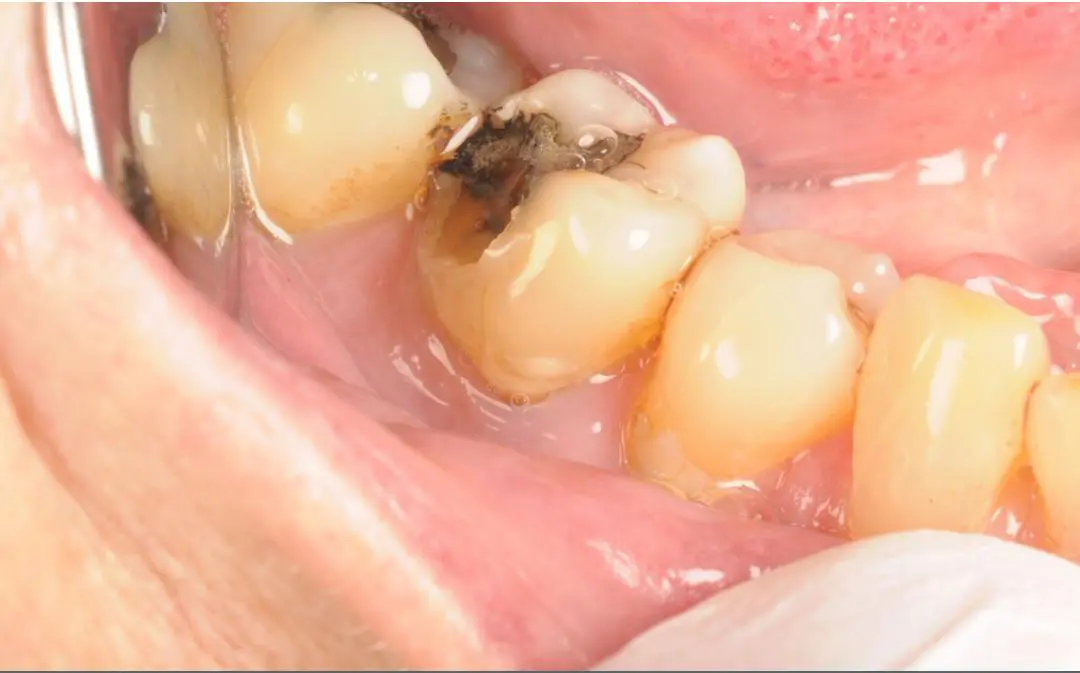
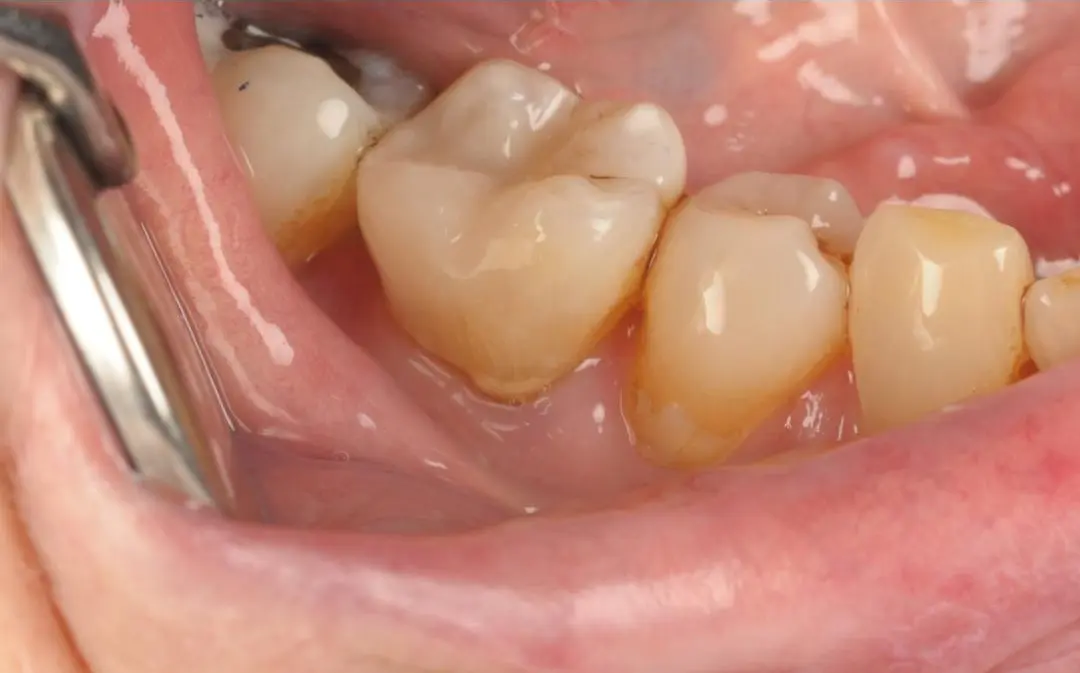
Real Patient Result: Emergency White Filling
Treatment by Dr Kamran
- Pain upon releasing your bite that occurs regularly or is becoming more frequent
- Temperature sensitivity that lasts more than a few seconds after the stimulus is removed
- Spontaneous aching or throbbing in a tooth without an obvious cause
- Swelling around a tooth or in the surrounding gum tissue
- Any visible crack, chip, or structural change to a tooth
These symptoms do not necessarily indicate a serious problem, but they do warrant clinical evaluation. Early assessment generally allows for a wider range of management options. If you are experiencing sudden or severe dental pain, emergency dental care in London may be appropriate.
How Is Cracked Tooth Syndrome Diagnosed and Managed?
Diagnosing cracked tooth syndrome can require patience and careful clinical assessment, as cracks are frequently invisible on dental X-rays. A dentist may use several methods to investigate, including:
- Bite tests — asking the patient to bite on a small instrument to identify which tooth and which area reproduces the pain
- Transillumination — shining a light through the tooth to reveal fracture lines
- Dye staining — applying a harmless dye to highlight crack patterns
- Periodontal probing — checking for cracks that may extend below the gum line
Management depends entirely on the depth, location, and extent of the crack, as well as the overall health of the tooth. Options discussed by a clinician may range from a protective dental crown to stabilise the tooth, to more involved treatment if the pulp has been affected, including root canal treatment. In some cases, if the crack has progressed significantly, the prognosis of the tooth may be more limited.
Treatment suitability always depends on individual clinical findings, and outcomes cannot be guaranteed. A qualified dental professional will advise on the most appropriate course of action following examination.
Prevention and Oral Health Advice
Whilst not every crack can be prevented, certain habits and lifestyle adjustments may help reduce the risk of developing cracked tooth syndrome:
- Avoid chewing on very hard foods such as ice, boiled sweets, or hard nuts, which place significant stress on teeth
- Wear a custom-fitted mouthguard if you grind or clench your teeth, particularly at night — a condition known as bruxism
- Attend regular dental check-ups, which allow early detection of wear, existing cracks, or other structural concerns
- Address large or ageing restorations in a timely manner, as heavily filled teeth may be more susceptible to fracture over time
- Protect your teeth during sport by wearing an appropriate sports mouthguard
- Avoid using your teeth as tools to open packaging or bite non-food items
If you are concerned about tooth grinding, this article on night-time grinding and jaw pain explains common warning signs and when to seek advice.
For patients who also feel anxious about urgent treatment, this guide on dental anxiety and urgent tooth removal may be helpful.
Key Points to Remember
- Cracked tooth syndrome is characterised by sharp, often brief pain — particularly upon releasing your bite after chewing
- The pain occurs due to the mechanical flexing of a crack, which stimulates nerve endings within the tooth
- Symptoms can be inconsistent, which is why the condition is sometimes difficult to self-diagnose
- Early professional assessment generally allows for more management options
- Habits such as avoiding very hard foods and wearing a mouthguard for grinding may help reduce risk
- Treatment suitability is always determined on an individual basis following clinical examination
Frequently Asked Questions
Why does my tooth only hurt when I release my bite, not when I bite down?
This is one of the most distinctive features of cracked tooth syndrome. When you bite down, the crack is compressed and held together, which may cause little or no discomfort. When you release, the crack flexes open, creating a brief pressure change near the dental pulp and nerve endings. This mechanical movement is what produces the sharp, sudden pain that many patients associate with the condition. It is a helpful indicator for dentists when assessing the tooth.
Can a cracked tooth heal on its own?
Unlike bone, tooth enamel and dentine do not regenerate or self-repair in the same way. A crack within a tooth will not heal without professional intervention. In some cases, a crack may remain stable for a period of time, but without assessment and appropriate management, there is a risk it could deepen or worsen. Seeking a professional evaluation sooner rather than later is generally advisable if you suspect a cracked tooth.
Is cracked tooth syndrome the same as a broken tooth?
Not exactly. A broken tooth refers to a visible fracture where part of the tooth has separated or chipped away. Cracked tooth syndrome involves an incomplete fracture — the crack is present but the tooth has not separated into pieces. The crack may not be visible to the naked eye or even on X-rays, which is what makes diagnosis more involved. A broken tooth is usually more immediately apparent, whilst cracked tooth syndrome often causes intermittent, puzzling discomfort.
Which teeth are most commonly affected by cracked tooth syndrome?
Cracked tooth syndrome most frequently affects the back teeth — the premolars and molars — as these teeth absorb the majority of chewing and grinding forces. Teeth with large restorations, teeth that have undergone root canal treatment, and teeth in patients who grind or clench may be at a relatively higher risk. However, the condition can potentially affect any tooth, and clinical assessment is needed to determine the specific situation in each case.
When should I see an emergency dentist for tooth pain?
If you experience severe, persistent, or worsening tooth pain, spontaneous throbbing discomfort, visible swelling of the face or gum, or any signs of dental trauma, it is advisable to seek prompt dental advice. Symptoms that significantly affect eating, sleeping, or daily life generally warrant an urgent appointment. An emergency dental assessment can help identify the cause and discuss appropriate next steps.
Can cracked tooth syndrome be prevented entirely?
There is no guaranteed method of preventing all dental cracks, as some may result from factors outside individual control, such as tooth anatomy or previous dental treatment. However, maintaining good oral hygiene, attending regular dental check-ups, avoiding very hard foods, and addressing grinding habits with appropriate protection can all be sensible steps. Speaking with a dental professional about your personal risk factors is always worthwhile.
Conclusion
Cracked tooth syndrome is a condition that many patients find confusing precisely because its main symptom — pain upon releasing your bite — does not always behave in the way people expect toothache to feel. Its intermittent nature and the difficulty of identifying the crack visually mean that understanding the signs is genuinely helpful for anyone who may be affected.
If you recognise the symptoms described in this article, the most sensible course of action is to arrange a professional dental assessment. Early evaluation provides greater clarity and generally a broader range of potential management approaches. Good oral habits, including avoiding unnecessarily hard foods and protecting your teeth from grinding, can also play a meaningful role in supporting long-term dental health.
Dental symptoms and treatment options should always be assessed individually during a clinical examination.
Disclaimer: This article is for general educational information only.
It is not personalised dental advice.
Diagnosis and treatment recommendations require a clinical examination by a qualified dental professional.
Next Review Due: 18 November 2027