
Many adults in London find themselves searching online after noticing discomfort at the back of their mouth — a nagging ache, swollen gum tissue, or an unpleasant taste that just will not go away. These experiences are often linked to partially erupted wisdom teeth, one of the most common dental concerns encountered in adults between the ages of 17 and 35.
When a wisdom tooth only partially breaks through the gum line, it creates a hidden pocket of soft tissue that is extremely difficult to clean effectively. Over time, bacteria colonise this area and form a sticky layer known as biofilm — a precursor to plaque and, if left unmanaged, more serious oral health complications.
Understanding how partially erupted wisdom teeth and biofilm accumulation are connected can help you make more informed decisions about your oral health. This article explains the underlying causes, common symptoms, available clinical management options, and practical steps you can take to support your dental health whilst awaiting a professional assessment.
Experiencing these symptoms?
Delaying treatment can lead to tooth loss. We have slots available today.
What Is the Link Between Partially Erupted Wisdom Teeth and Biofilm Accumulation?
Partially erupted wisdom teeth create a natural pocket beneath the overlying gum flap, known as the operculum. This sheltered space traps food debris and bacteria, making regular cleaning very difficult. The resulting biofilm accumulation encourages bacterial growth, which may lead to localised gum inflammation, infection, and further oral health complications if not professionally assessed and managed.
Understanding Partially Erupted Wisdom Teeth
Wisdom teeth — also referred to as third molars — are the final set of permanent teeth to emerge, typically appearing between the late teens and mid-twenties. Due to the limited space at the back of the jaw in many adults, these teeth often cannot fully erupt through the gum line.
A partially erupted wisdom tooth remains covered by a flap of gum tissue called the operculum. This flap sits over a portion of the tooth's biting surface and creates an enclosed space that is naturally sheltered from a toothbrush and flossing efforts. The result is an environment that is almost perfectly suited to harbouring bacteria and trapping food particles.
Meet Dr. Yasha Shirazi
Principal Dentist at Emergency Dentist London
"We treat hundreds of dental emergencies every month. The sooner you come in, the easier the fix usually is."
Book an appointment with our team →It is worth noting that not all partially erupted wisdom teeth cause immediate problems. Some individuals experience few or no noticeable symptoms for extended periods. However, the structural nature of partial eruption means that the risk of bacterial accumulation is consistently elevated compared to fully erupted teeth.
The clinical term for infection or inflammation linked to a partially erupted wisdom tooth is pericoronitis — a condition that dental professionals see with some regularity. Understanding that partial eruption is a structural concern rather than a hygiene failing on the patient's part is an important first step in addressing the issue calmly and constructively.
What Is Biofilm and Why Does It Matter?
Biofilm is a term used in dentistry to describe the structured community of bacteria that adheres to surfaces in the mouth — including teeth, gum tissue, and dental restorations. You may be more familiar with the common term for dental biofilm: plaque.
When bacteria in the mouth are not regularly disrupted through brushing and flossing, they organise themselves into a complex, layered community. Within a biofilm, bacteria are more protected from the body's immune response and from antimicrobial agents, including certain mouthwashes. This is one reason why mechanical cleaning — physically removing the biofilm with a toothbrush or dental instruments — remains essential.
Around a partially erupted wisdom tooth, the sheltered pocket beneath the gum flap provides an almost ideal environment for biofilm to develop undisturbed. The bacteria present in mature dental biofilm produce acids and inflammatory by-products that can irritate the surrounding gum tissue, leading to redness, swelling, and discomfort.
If biofilm is allowed to remain in place over time, it begins to mineralise and harden into calculus (commonly called tartar), which is only removable by a dental professional. At this stage, the risk of more significant gum inflammation and localised infection increases further.
Understanding this biological process helps illustrate why managing biofilm accumulation around partially erupted wisdom teeth is a genuine oral health priority rather than a cosmetic concern.
Common Symptoms Associated With Partially Erupted Wisdom Teeth
Symptoms can vary considerably between individuals, and it is important to remember that the presence of any symptom should prompt a professional dental assessment rather than self-diagnosis.
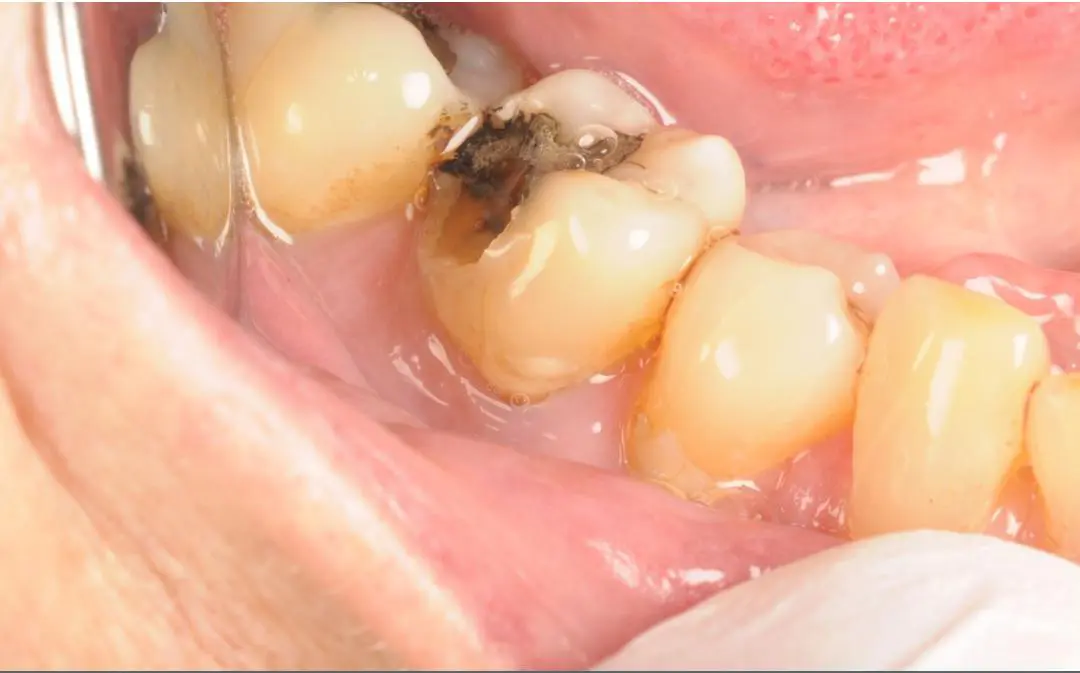
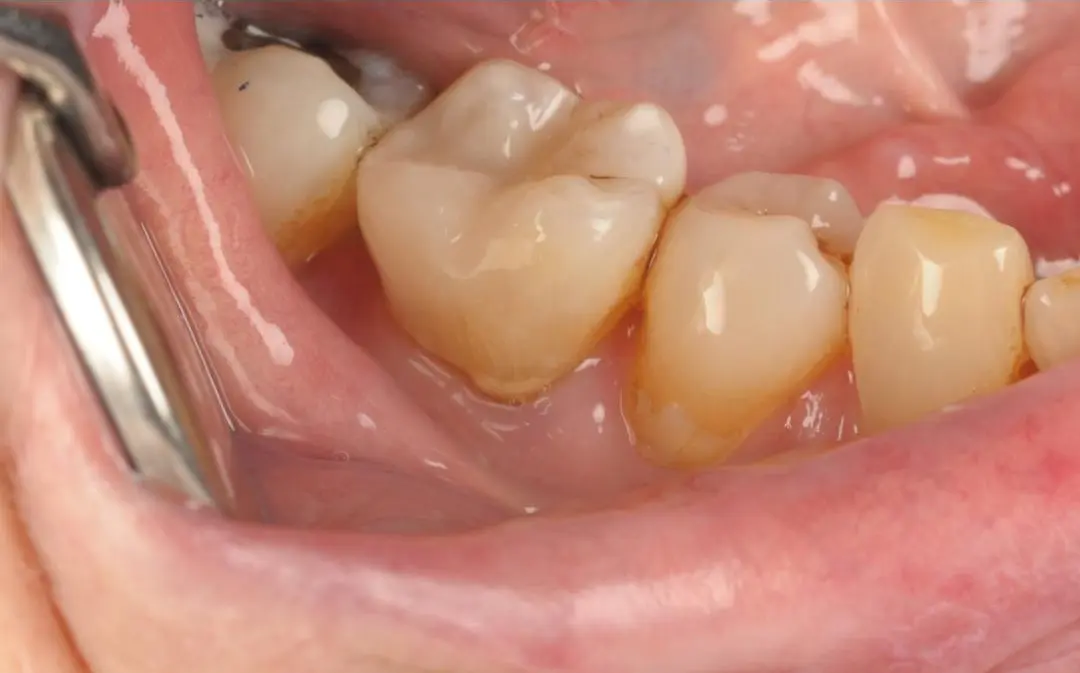
Real Patient Result: Emergency White Filling
Treatment by Dr Kamran
That said, commonly reported experiences include:
- Discomfort or aching at the back of the jaw, which may be persistent or intermittent
- Swollen or tender gum tissue in the area surrounding the partially erupted tooth
- Difficulty opening the mouth fully, particularly if inflammation has spread to nearby structures
- An unpleasant taste or noticeable bad breath, which may indicate bacterial activity within the gum pocket
- Pain when biting or chewing, especially if the opposing tooth makes contact with the inflamed gum flap
- Occasional mild bleeding from the gum tissue when brushing near the affected area
Some individuals also notice that symptoms flare up periodically — perhaps during times of stress, illness, or when oral hygiene has been less consistent — and then subside. This cyclical pattern can sometimes lead people to delay seeking advice, particularly if the discomfort resolves on its own. However, recurrent episodes are worth discussing with a dental professional, as they may indicate an ongoing issue that would benefit from clinical assessment.
The Science Behind Pericoronitis: A Clinical Explanation
To understand why partially erupted wisdom teeth are susceptible to infection, it helps to consider the anatomy involved.
When a tooth erupts through the jawbone and gum tissue, it typically passes fully into the oral cavity where it can be cleaned and maintained. In the case of a partially erupted wisdom tooth, eruption stalls — leaving a portion of the tooth covered by soft gum tissue.
This soft tissue covering, the operculum, creates what is known as a periodontal pocket — a crevice between the tooth surface and the surrounding gum. The depth and accessibility of this pocket varies between individuals, but it consistently poses a challenge for effective home cleaning.
Within this pocket, conditions are warm, moist, and largely undisturbed — an environment that supports rapid bacterial colonisation. As biofilm matures within the pocket, bacteria such as Streptococcus species and anaerobic organisms begin to produce enzymes and toxins that irritate the delicate gum tissue lining.
The body's immune system responds to this bacterial activity with inflammation — increasing blood flow to the area, which causes the characteristic swelling, redness, and warmth associated with pericoronitis. In some cases, the inflammation can extend beyond the immediate gum tissue, affecting the jaw muscles or lymph nodes in the neck.
It is this inflammatory and immune response, rather than the bacteria alone, that generates much of the discomfort patients experience. This is also why antimicrobial mouthwashes, whilst helpful as an adjunct, cannot fully address the issue without the underlying structural concern being evaluated and managed professionally.
For further information about gum-related conditions linked to bacterial accumulation, you may find it helpful to read about professional gum condition management.
Clinical Management Options for Partially Erupted Wisdom Teeth
The management of partially erupted wisdom teeth is always guided by a thorough clinical examination, including X-ray assessment where appropriate. There is no single approach that suits all patients, and treatment planning will depend on a range of individual factors.
Professional cleaning and debridement is often the first step in managing active symptoms. This involves a dental professional using specialist instruments to carefully clean beneath the gum flap, removing accumulated biofilm and any food debris that has become trapped. This can provide meaningful relief from acute inflammation and discomfort.
Irrigation with antiseptic agents such as chlorhexidine solution may be performed in the dental surgery to help reduce bacterial load within the pocket. Patients may also be guided on how to gently irrigate the area at home as part of a tailored oral hygiene routine.
Antibiotics may occasionally be considered when there are signs of spreading infection, though these are typically viewed as a short-term measure to manage acute infection rather than a long-term solution. The prescribing of antibiotics is always a clinical decision.
Surgical removal (extraction) of the partially erupted wisdom tooth may be recommended when the tooth is causing recurrent problems, is poorly positioned, or is considered unlikely to erupt fully. Operculectomy — the surgical removal of the overlying gum flap — is an alternative procedure that may be appropriate in selected cases where the tooth itself is well-positioned.
All options carry their own considerations and suitability depends on individual clinical findings. A dental professional will explain the options most relevant to your situation following examination.
When Professional Dental Assessment May Be Appropriate
Whilst mild, occasional discomfort around a wisdom tooth is common, there are certain situations where seeking professional dental advice promptly is particularly advisable.
Consider arranging a dental assessment if you notice:
- Persistent or worsening pain at the back of the jaw that does not resolve within a few days
- Visible swelling of the gum, cheek, or surrounding soft tissue
- Difficulty opening your mouth, chewing, or swallowing
- Fever or a general feeling of being unwell alongside dental discomfort
- A bad taste or persistent bad breath that does not improve with thorough oral hygiene
- Swollen lymph nodes in the neck or jaw region
These experiences do not necessarily indicate a serious problem, but they are signs that a clinical assessment would be beneficial. A dental professional can evaluate the situation, identify any underlying concerns, and discuss the options most appropriate for your individual circumstances.
If you are experiencing symptoms that feel acute or are significantly affecting your daily life, our team provides same-day emergency dental appointments in London to ensure you can access timely professional support.
Helpful Video Resource
If you are unsure whether your symptoms warrant an urgent dental appointment, the following video provides useful guidance on accessing same-day emergency dental care in London:
Pricing notice: Any fees referenced in the above video are provided as illustrative examples only. Actual treatment costs vary depending on individual clinical needs. A full written treatment plan, including all associated costs, will be provided following your personal clinical examination before any treatment proceeds.
Prevention and Oral Health Advice for Wisdom Tooth Hygiene
Whilst the structural challenges associated with partially erupted wisdom teeth cannot always be avoided, there are practical steps that may help reduce the risk of biofilm accumulation and associated discomfort.
Thorough but gentle brushing is essential. Use a small-headed, soft-bristled toothbrush to reach as far back in the mouth as comfortably possible, paying particular attention to the area around any partially erupted wisdom teeth. Angling the brush towards the gum line can help disrupt biofilm at the margin where the tooth meets the gum.
Interdental cleaning — using floss, interdental brushes, or water flossers — can be helpful in dislodging debris from accessible surfaces. However, exercise gentleness in inflamed areas and seek guidance from your dental professional on the most suitable technique for your individual tooth position.
Antimicrobial mouthwash, such as chlorhexidine gluconate, is sometimes recommended by dental professionals for short-term use during periods of active inflammation. Always follow professional guidance on its use, as prolonged unsupervised use is not routinely recommended.
Regular dental check-ups provide an opportunity for professional monitoring of wisdom tooth position and eruption progress. Early identification of issues allows management options to be discussed before significant symptoms develop.
Staying hydrated and maintaining a balanced diet also supports general oral health. Reducing sugary snacks and drinks between meals limits the fuel available to bacteria within the oral cavity.
If you are managing a specific wisdom tooth concern, your dentist can provide personalised advice on home care techniques. You can also learn more about preventative dental care and check-up services that may support your long-term oral health.
Key Points to Remember
- Partially erupted wisdom teeth create a gum pocket that is difficult to clean, making biofilm accumulation a consistent risk.
- Biofilm (dental plaque) in this sheltered pocket can lead to gum inflammation and, in some cases, localised infection (pericoronitis).
- Symptoms such as persistent pain, swelling, bad taste, or difficulty opening the mouth warrant professional dental assessment.
- Treatment options range from professional cleaning and irrigation to surgical management, and suitability is determined by clinical examination.
- Good oral hygiene habits — including careful brushing technique and regular dental visits — can help reduce the risk of complications.
- Individual assessment is essential — no two wisdom tooth situations are identical, and clinical examination guides appropriate management.
Frequently Asked Questions
Can a partially erupted wisdom tooth cause problems even if it does not hurt?
Yes, it is possible for a partially erupted wisdom tooth to harbour significant bacterial biofilm and show signs of low-grade inflammation without causing noticeable pain in the early stages. Some individuals experience very mild or intermittent discomfort that they attribute to other causes. This is one reason why regular dental check-ups are valuable — a dental professional can identify potential concerns through clinical and radiographic assessment before symptoms become more pronounced. It is not advisable to wait for significant pain before seeking evaluation of a wisdom tooth that is only partially visible.
How is pericoronitis different from general gum disease?
Pericoronitis is a localised condition specifically associated with the gum tissue surrounding a partially erupted tooth — most commonly a wisdom tooth. It differs from generalised gum disease (periodontitis) in that it is typically confined to the soft tissue flap (operculum) overlying the partially emerged tooth. However, the underlying mechanism of bacterial biofilm triggering an inflammatory response is shared between both conditions. If pericoronitis recurs frequently or is not adequately managed, it may contribute to more widespread gum health concerns over time, making professional assessment important.
Will a partially erupted wisdom tooth always need to be removed?
Not necessarily. The decision to remove a partially erupted wisdom tooth depends on a number of clinical factors, including the tooth's position, the degree of eruption, the frequency and severity of any associated symptoms, and the patient's overall oral health. Some partially erupted wisdom teeth remain stable with careful monitoring and good oral hygiene. Others may be considered for extraction if they are causing recurrent problems or are poorly positioned. Your dental professional will discuss the options most relevant to your individual circumstances following a thorough clinical examination.
What can I do at home to manage mild discomfort from a wisdom tooth?
For mild discomfort, gentle salt water rinses (dissolving half a teaspoon of salt in a glass of warm water) can help soothe inflamed gum tissue and support cleanliness in the area. Careful brushing around the affected tooth and avoiding food debris accumulation may also help. Over-the-counter pain relief, taken in accordance with the product instructions and any relevant health guidance, may assist with temporary symptom management. However, home measures are not a substitute for professional dental care, and persistent or worsening symptoms should always be assessed by a dental professional.
How often should I have my wisdom teeth checked?
If you have partially erupted wisdom teeth, it is generally advisable to discuss monitoring arrangements with your dental professional during routine check-ups. The frequency of review will depend on your individual circumstances, including whether you have experienced symptoms and what clinical and radiographic findings show. Your dentist can advise on a recall interval suited to your oral health needs. Regular dental visits also provide the opportunity for professional cleaning and personalised hygiene guidance, both of which support the management of biofilm accumulation.
Is biofilm the same as plaque?
In everyday dental language, yes — dental plaque is the most familiar term for dental biofilm. Biofilm is the scientific term that describes the organised, structured community of bacteria and their by-products that adheres to surfaces in the mouth. The term reflects the complex, layered nature of bacterial organisation on tooth and gum surfaces. Whether it is called plaque or biofilm, the key point is that regular mechanical disruption through brushing and cleaning — combined with professional care — remains the most effective way to manage its accumulation and reduce the risk of associated oral health concerns.
Conclusion
Partially erupted wisdom teeth and the biofilm accumulation they encourage represent a common but genuinely important area of oral health for many adults. By understanding how the structure of a partially erupted tooth creates an environment that promotes bacterial growth, patients can appreciate why professional assessment and tailored home care are both meaningful steps.
Whether you are experiencing current symptoms or simply want to understand the risks associated with wisdom teeth that have not fully emerged, this article aims to provide a clear and balanced educational foundation. The key message is that early awareness and professional monitoring can make a significant difference to outcomes over time.
If you are concerned about a wisdom tooth or have noticed any of the symptoms discussed in this article, speaking with a dental professional is always the most appropriate course of action. Dental symptoms and treatment options should always be assessed individually during a clinical examination.
Disclaimer
This article is for educational and informational purposes only and does not constitute professional dental advice, diagnosis, or treatment recommendation.
Individual symptoms and treatment suitability vary between patients and must be assessed during a clinical examination by a qualified dental professional.
No guarantees or specific treatment outcomes are expressed or implied.
If you have pain, swelling, infection signs, or urgent concerns, seek prompt professional dental assessment.
This content aligns with General Dental Council (GDC), Care Quality Commission (CQC), ASA CAP Code, and GMC ethical communication standards.