
Dental injuries can be alarming experiences, particularly when they involve bleeding from the soft tissues in your mouth. Whether from a sporting accident, fall, or unexpected impact, many people find themselves searching for guidance on how to properly manage minor soft tissue bleeding after a dental injury. Understanding the appropriate immediate care steps can help reduce discomfort and promote proper healing.
This article will explain the essential steps for managing minor soft tissue bleeding following dental trauma, covering immediate care measures, when to seek professional help, and preventative strategies. We'll explore the anatomy of oral soft tissues, discuss proper wound care techniques, and provide guidance on recognising when professional dental assessment may be beneficial.
Whilst minor bleeding can often be managed at home initially, it's important to understand that proper assessment and ongoing care may require professional evaluation to ensure optimal healing and prevent complications.
Experiencing these symptoms?
Delaying treatment can lead to tooth loss. We have slots available today.
How Should You Handle Minor Soft Tissue Bleeding After Dental Trauma?
Apply gentle pressure using clean gauze or a damp tea bag to the bleeding area for 10-15 minutes. Rinse carefully with cool water and avoid disturbing the area. Seek professional dental evaluation if bleeding persists, increases, or if you experience significant pain or swelling.
Understanding Oral Soft Tissue Injuries
The mouth contains several types of soft tissue, including the gums (gingiva), inner cheeks, lips, and tongue. These tissues have rich blood supplies, which means they can bleed readily when injured but also tend to heal relatively quickly when properly cared for.
Common causes of soft tissue bleeding include accidental biting during eating, sports injuries, falls, or trauma from dental procedures. The bleeding may appear more dramatic than it actually is due to mixing with saliva, which can make assessment challenging initially.
Meet Dr. Yasha Shirazi
Principal Dentist at Emergency Dentist London
"We treat hundreds of dental emergencies every month. The sooner you come in, the easier the fix usually is."
Book an appointment with our team →Minor soft tissue injuries typically involve superficial cuts or tears that don't extend deeply into the underlying structures. These may cause temporary discomfort and bleeding but generally heal well with appropriate care.
Immediate Care Steps for Minor Bleeding
The first priority when managing minor soft tissue bleeding after a dental injury is to remain calm and assess the situation. Begin by gently rinsing your mouth with cool, clean water to remove any debris and allow better visibility of the injured area.
Apply direct pressure to the bleeding site using clean gauze, a clean cloth, or even a dampened tea bag. The tannic acid in tea can help promote clotting. Maintain gentle, consistent pressure for 10-15 minutes without constantly checking, as this allows proper clot formation.
Avoid using tissues or cotton wool directly on the wound, as these materials may stick to the injured tissue. Ice wrapped in a cloth can be applied to the outside of the face to help reduce swelling and provide pain relief.
The Science Behind Oral Tissue Healing
Oral soft tissues have remarkable healing properties due to their excellent blood supply and the presence of growth factors in saliva. When tissue is injured, blood vessels constrict initially to limit bleeding, followed by clot formation to seal the wound.
The mouth's moist environment and constant saliva flow help maintain optimal conditions for healing whilst also providing natural antibacterial properties. Saliva contains enzymes and proteins that support the healing process and help prevent infection.
However, the same moist environment that aids healing can also make it challenging for clots to form and remain stable initially. This is why gentle pressure and avoiding disturbance of the area during the first few hours is particularly important.
When Professional Dental Assessment May Be Needed
Whilst many minor soft tissue injuries can be managed at home initially, certain situations warrant professional dental evaluation. Seek advice if bleeding continues for more than 30 minutes despite proper pressure application, or if bleeding stops but then restarts repeatedly.
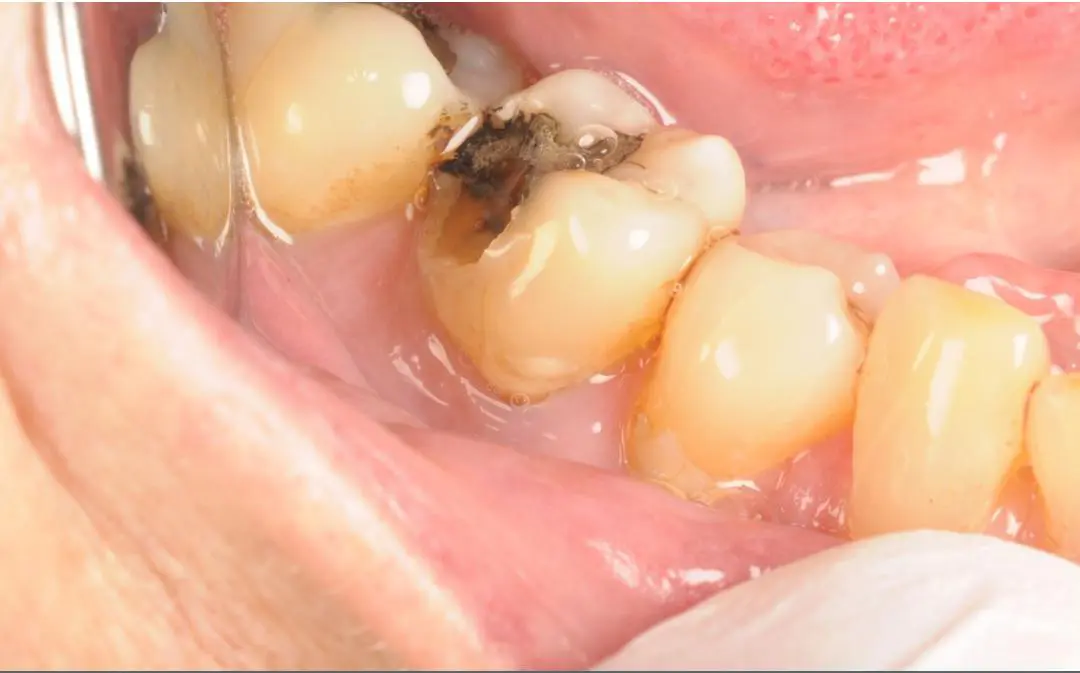
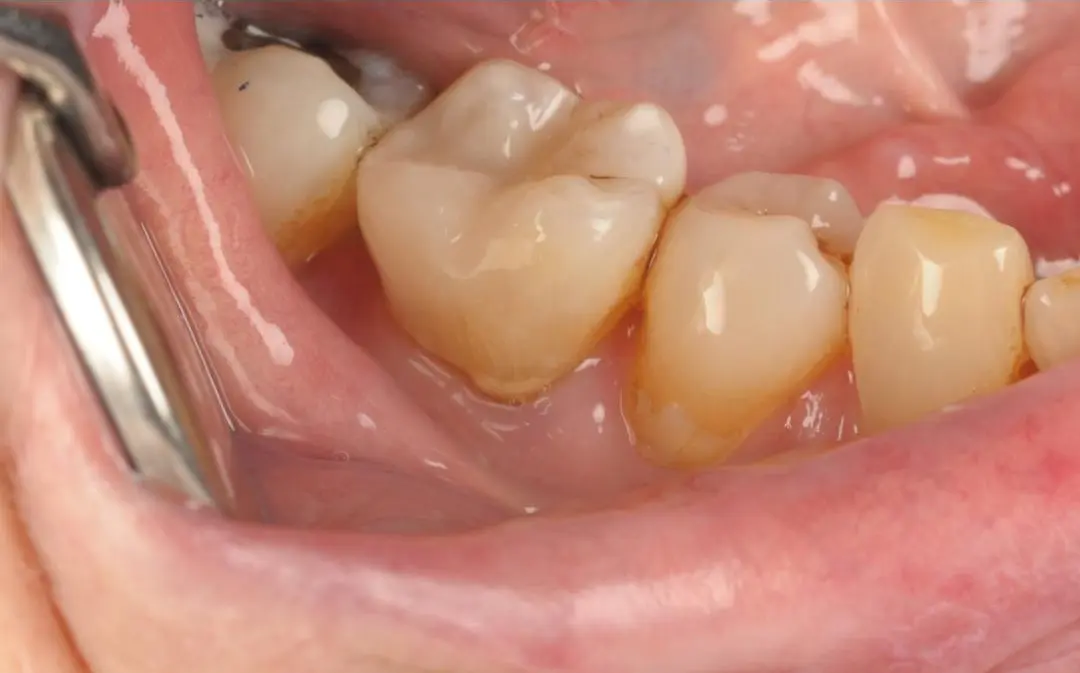
Real Patient Result: Emergency White Filling
Treatment by Dr Kamran
Professional assessment may be helpful if the injury involves deep cuts that may require sutures, if there are signs of infection such as increasing swelling or fever, or if you experience difficulty swallowing or breathing. Any injury involving significant dental trauma to teeth should also be professionally evaluated.
Consider professional care if you're taking blood-thinning medications, have underlying health conditions affecting healing, or if pain becomes severe or persistent. Even seemingly minor injuries can sometimes have underlying complications that benefit from professional dental assessment.
Supporting Healing and Recovery
After initial bleeding has been controlled, focus on supporting the natural healing process. Eat soft foods for the first day or two and avoid hot, spicy, or acidic foods that might irritate the injured area. Room temperature or cool liquids are generally well tolerated.
Gentle saltwater rinses (half a teaspoon of salt in a cup of warm water) can be used after the first 24 hours to help keep the area clean. Avoid vigorous rinsing initially, as this may disturb clot formation.
Maintain good oral hygiene whilst being gentle around the injured area. You may need to modify your brushing technique temporarily, perhaps using a softer toothbrush or avoiding the immediate area for a day or two whilst initial healing occurs.
Prevention and Risk Reduction
Many dental injuries resulting in soft tissue bleeding can be prevented through appropriate protective measures. If you participate in contact sports or activities with risk of facial impact, consider using a properly fitted mouthguard for sports protection. Custom-fitted guards provide superior protection compared to over-the-counter options.
Be mindful when eating, particularly with hard or sharp foods that might cause accidental injury. Avoid chewing ice, hard sweets, or using your teeth as tools, which can lead to sudden trauma.
Regular dental check-ups can help identify and address issues that might increase injury risk, such as sharp or broken teeth that could cause soft tissue damage during normal activities.
Key Points to Remember
• Apply gentle, sustained pressure with clean materials to control bleeding
• Cool water rinses can help assess the injury and remove debris
• Ice applied externally can reduce swelling and provide comfort
• Avoid disturbing the area during initial healing phases
• Professional assessment may be beneficial for persistent bleeding or deep injuries
• Proper nutrition and gentle oral hygiene support healing
Frequently Asked Questions
How long should minor soft tissue bleeding last after a dental injury?
Minor soft tissue bleeding typically stops within 15-30 minutes when appropriate pressure is applied. If bleeding continues beyond this timeframe or restarts repeatedly after stopping, it may indicate a more significant injury requiring professional evaluation. The rich blood supply to oral tissues means initial bleeding can appear heavy but should respond to proper care measures.
Can I eat normally after experiencing soft tissue bleeding in my mouth?
It's advisable to stick to soft, room temperature foods for the first 24-48 hours after soft tissue bleeding. Avoid hot, spicy, acidic, or crunchy foods that might irritate the healing tissue or cause re-injury. Gradually return to your normal diet as comfort allows, being particularly gentle around the affected area.
When should I be concerned about infection after oral soft tissue injury?
Signs that may indicate infection developing include increasing pain after the first day, persistent or worsening swelling, fever, or discharge from the injured area. The mouth's natural bacteria-fighting properties usually prevent infection in minor injuries, but deeper wounds or those with foreign debris may be at higher risk.
Is it safe to use over-the-counter pain relief for dental soft tissue injuries?
Over-the-counter pain relievers can be helpful for managing discomfort from soft tissue injuries. However, avoid aspirin immediately after injury as it can interfere with blood clotting. Paracetamol or ibuprofen are generally appropriate choices, following package directions and considering any personal medical conditions or medications.
Should I avoid brushing my teeth after oral soft tissue bleeding?
Maintain oral hygiene but be gentle around the injured area. You may need to use a softer toothbrush and avoid direct contact with the healing tissue for a day or two. Keeping the mouth clean is important for healing, but avoid vigorous brushing that might disturb clot formation or cause re-injury.
How can I tell if a soft tissue injury needs professional dental care?
Consider professional evaluation for injuries involving deep cuts that gape open, bleeding that doesn't respond to 30 minutes of proper pressure, or injuries associated with tooth damage. Also seek care if you experience difficulty swallowing, signs of infection, or if you're unsure about the extent of the injury.
Conclusion
Managing minor soft tissue bleeding after a dental injury involves prompt, appropriate first aid combined with supportive care during the healing process. Most minor injuries respond well to gentle pressure, proper wound care, and time. Understanding when to seek professional help ensures that more significant injuries receive appropriate treatment whilst avoiding unnecessary concern over minor issues.
The mouth's natural healing abilities are remarkable, but supporting this process through proper care, good nutrition, and gentle oral hygiene promotes optimal recovery. Remember that each injury is unique, and what appears minor initially may sometimes require professional assessment to ensure proper healing.
Dental symptoms and treatment options should always be assessed individually during a clinical examination.
Disclaimer
This article is provided for educational and informational purposes only and does not constitute professional dental advice, diagnosis, or treatment recommendations. Individual dental conditions, symptoms, and treatment requirements vary significantly between patients and can only be properly assessed through direct clinical examination by a qualified dental professional. The content does not guarantee specific treatment outcomes, nor does it replace the need for professional dental consultation. No guarantees are made regarding treatment success, and this content should not be used for self-diagnosis or treatment decisions. Always consult with a registered dental professional for personalised advice regarding your specific oral health needs.