
Many patients visiting London dental clinics express concerns about crowded or tilted teeth that seem to be affecting neighbouring teeth. This common concern often leads people to research tooth positioning and angulation issues online, particularly when they notice changes in their bite or discomfort in specific areas of their mouth.
Mesial angulation refers to the tilting of a tooth towards the front of the mouth (mesial direction), which can significantly impact the positioning and health of adjacent teeth. Understanding this dental condition matters because improper tooth angulation can lead to various oral health complications, including difficulty cleaning between teeth, increased risk of decay, and bite irregularities.
This article will explore the causes of mesial angulation, its effects on surrounding teeth, available treatment approaches, and preventative measures. We'll also discuss when professional dental assessment may be beneficial for addressing tooth positioning concerns and maintaining optimal oral health.
Experiencing these symptoms?
Delaying treatment can lead to tooth loss. We have slots available today.
What is Mesial Angulation?
Mesial angulation occurs when a tooth tilts towards the midline of the mouth, potentially causing crowding, bite issues, and cleaning difficulties that may affect adjacent teeth's health and positioning.
Mesial angulation is a dental term describing the orientation of a tooth when it leans or tilts towards the front (mesial direction) of the mouth. This positioning can occur in any tooth but is commonly observed in posterior teeth, particularly when neighbouring teeth have been extracted or when there's insufficient space in the dental arch.
The condition can develop gradually over time as teeth naturally drift into available spaces, or it may result from developmental factors during tooth eruption. When a tooth exhibits mesial angulation, it creates an altered contact point with adjacent teeth, potentially leading to food impaction, plaque accumulation, and increased difficulty maintaining proper oral hygiene in the affected area.
Meet Dr. Yasha Shirazi
Principal Dentist at Emergency Dentist London
"We treat hundreds of dental emergencies every month. The sooner you come in, the easier the fix usually is."
Book an appointment with our team →Understanding the Causes of Mesial Angulation
Several factors can contribute to the development of mesial angulation. The most common cause is tooth drift following the loss of an adjacent tooth. When a tooth is extracted or lost due to trauma or decay, neighbouring teeth may gradually tilt into the empty space, seeking contact with other teeth to maintain stability within the dental arch.
Developmental factors during childhood and adolescence can also play a role. Insufficient jaw space, early loss of primary teeth, or delayed eruption of permanent teeth may result in crowding that forces teeth to erupt at improper angles. Additionally, habits such as tongue thrusting or prolonged thumb sucking can influence tooth positioning over time.
Gum disease (periodontal disease) can weaken the supporting structures around teeth, allowing them to shift position more easily. As the ligaments and bone supporting teeth become compromised, teeth may tilt or drift from their original positions, potentially creating mesial angulation.
Clinical Impact on Adjacent Teeth
The positioning of a tooth with mesial angulation creates a cascade effect on surrounding teeth. When one tooth tilts mesially, it can create tight contact points or overlapping surfaces with neighbouring teeth, making effective oral hygiene challenging. These areas become prone to plaque and bacteria accumulation, increasing the risk of tooth decay and gum inflammation.
Adjacent teeth may experience increased pressure or altered bite forces, which can lead to premature wear, sensitivity, or discomfort during chewing. The tilted tooth may also create spacing issues elsewhere in the mouth as other teeth attempt to compensate for the positional change.
Over time, the altered tooth positioning can affect the overall bite relationship (occlusion), potentially leading to jaw joint stress or muscle tension. This emphasises the importance of addressing mesial angulation before it creates more extensive orthodontic or restorative challenges.
Treatment Approaches for Mesial Angulation
Treatment options for mesial angulation depend on several factors, including the severity of the tilting, the patient's age, overall oral health, and individual treatment goals. Orthodontic treatment is often the primary approach for correcting tooth angulation issues. Traditional braces or clear aligners can gradually move tilted teeth into more favourable positions over time.
For less severe cases, particularly in adults, restorative approaches may be considered. This might involve reshaping the tilted tooth or adjacent teeth to improve contact points and cleaning access, though this approach focuses more on managing the effects rather than correcting the underlying angulation.
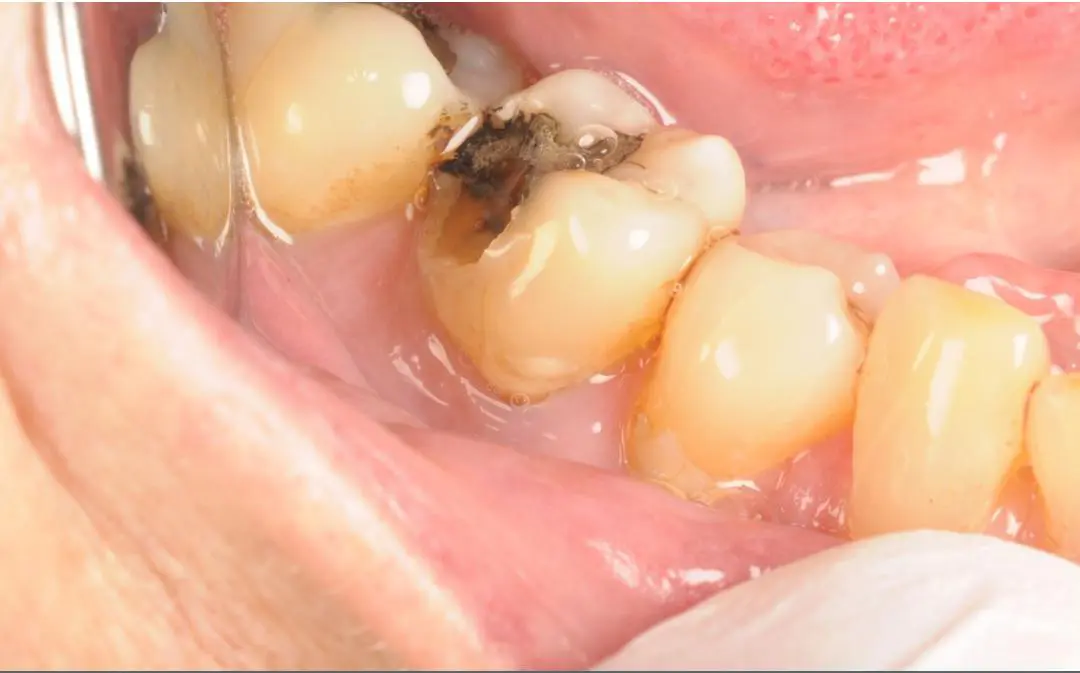
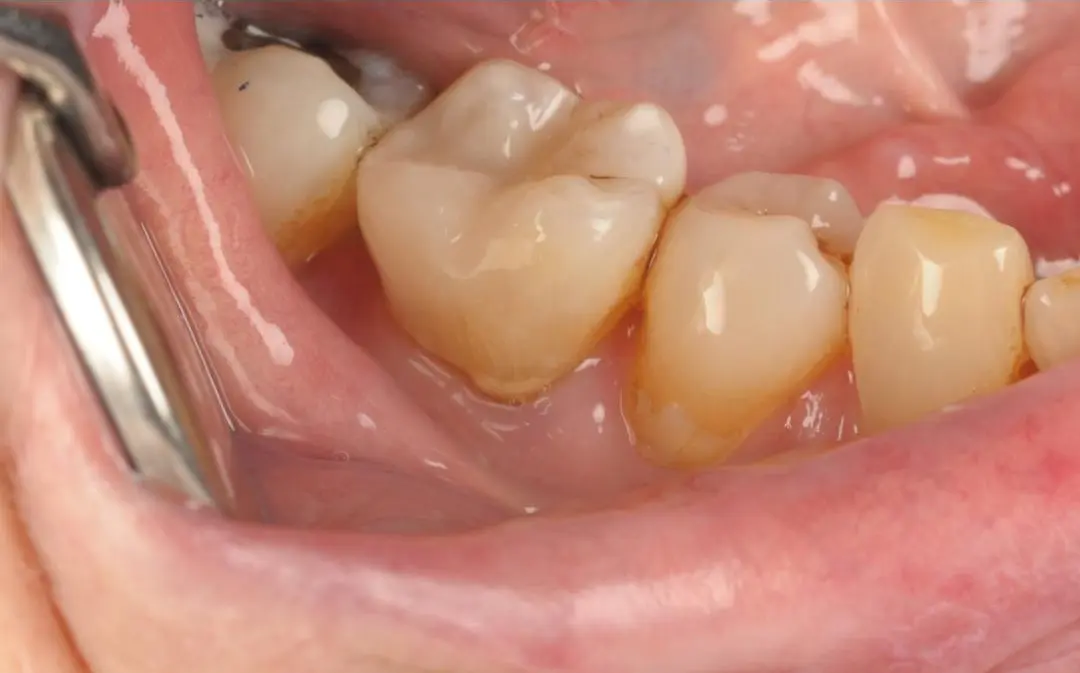
Real Patient Result: Emergency White Filling
Treatment by Dr Kamran
In some situations, particularly when the tilted tooth has significant structural damage or when orthodontic treatment isn't suitable, tooth replacement options such as implants or bridges might be discussed. However, this represents a more comprehensive treatment approach that would require careful evaluation of individual circumstances.
When Professional Dental Assessment May Be Needed
Several symptoms or changes in your mouth may indicate that mesial angulation is affecting your oral health. Persistent discomfort when chewing, food frequently getting trapped between specific teeth, or difficulty cleaning certain areas of your mouth effectively may warrant professional evaluation.
If you notice changes in your bite, such as teeth not fitting together as they previously did, or if you experience sensitivity in particular teeth that wasn't present before, these could be signs of tooth movement or angulation changes. Additionally, recurring decay or gum inflammation in the same area despite good oral hygiene efforts may indicate structural issues that professional assessment could address.
Early evaluation of tooth positioning concerns often provides more treatment options and can prevent more complex problems from developing over time.
Prevention and Oral Health Maintenance
Preventing mesial angulation often involves maintaining good overall oral health and addressing potential risk factors early. If you lose a tooth, discussing replacement options promptly with your dental team can help prevent adjacent teeth from drifting into the empty space.
Regular dental check-ups allow for monitoring of tooth positions and early detection of any movement or angulation changes. Professional cleanings and examinations can identify areas where cleaning might be compromised due to tooth positioning, allowing for targeted oral hygiene advice.
For children and adolescents, early orthodontic assessment can identify developing crowding or spacing issues that might lead to angulation problems later. Addressing these concerns during periods of growth and development often provides more predictable treatment outcomes.
Maintaining excellent oral hygiene, including effective brushing and flossing techniques, helps preserve the supporting structures around teeth and reduces the risk of periodontal disease that could contribute to tooth movement.
Key Points to Remember
• Mesial angulation involves tooth tilting towards the front of the mouth, potentially affecting adjacent teeth
• Common causes include tooth loss, developmental factors, and periodontal disease
• The condition can create cleaning difficulties and increase decay risk in affected areas
• Treatment options range from orthodontic correction to restorative management
• Early professional assessment often provides more treatment alternatives
• Prevention focuses on maintaining oral health and addressing tooth loss promptly
Frequently Asked Questions
Can mesial angulation correct itself naturally?
Mesial angulation typically doesn't correct itself without intervention. Teeth tend to continue drifting in the direction of the tilt unless actively repositioned through treatment. The natural tendency is for the angulation to gradually worsen over time, particularly if the underlying cause (such as an adjacent missing tooth) remains unaddressed. Early professional evaluation can help determine the most appropriate approach for managing or correcting the positioning.
How long does orthodontic treatment take for mesial angulation?
Treatment duration varies significantly depending on the severity of angulation, the number of teeth affected, and individual patient factors. Minor angulation corrections might be achieved in 6-12 months, whilst more complex cases involving multiple teeth could require 18-24 months or longer. The treatment timeline also depends on the chosen orthodontic approach and patient compliance with treatment recommendations. Your orthodontist can provide more specific timeframes based on individual assessment.
Does mesial angulation always require treatment?
Not all cases of mesial angulation require active treatment. The decision depends on factors such as the severity of the tilt, its impact on oral health and function, and patient concerns. Minor angulation that doesn't affect cleaning, bite function, or aesthetics might simply be monitored over time. However, cases causing cleaning difficulties, bite problems, or progressive changes typically benefit from intervention to prevent complications.
Can mesial angulation cause jaw joint problems?
Significant mesial angulation can potentially contribute to jaw joint (TMJ) issues by altering the bite relationship and changing how forces are distributed during chewing. When teeth don't align properly due to angulation, it can create uneven pressure on the jaw joints and surrounding muscles. However, jaw joint problems have multiple potential causes, and individual assessment is necessary to determine if tooth angulation is a contributing factor.
Is mesial angulation more common in certain teeth?
Mesial angulation most commonly affects posterior teeth (premolars and molars), particularly those adjacent to spaces created by tooth loss. Wisdom teeth frequently exhibit mesial angulation due to insufficient space for proper eruption. The condition is less common in front teeth but can occur, especially following trauma or significant crowding. The pattern often relates to the specific circumstances that created space for the tooth to tilt.
Can good oral hygiene prevent complications from mesial angulation?
Excellent oral hygiene can help minimise some complications associated with mesial angulation, such as decay and gum inflammation in difficult-to-clean areas. However, good cleaning alone cannot correct the underlying positioning problem or prevent all associated issues. Specialised cleaning aids, such as interdental brushes or water flossers, may be helpful for maintaining hygiene around tilted teeth, though professional guidance on preventive dentistry techniques is often beneficial.
Conclusion
Mesial angulation represents a common dental condition that can significantly impact adjacent teeth and overall oral health. Understanding the causes, effects, and available management options helps patients make informed decisions about their dental care. The condition's progressive nature means that early identification and appropriate intervention often support favourable outcomes for maintaining long-term oral health.
Whether through orthodontic correction, restorative management, or careful monitoring, addressing mesial angulation concerns requires individualised assessment and treatment planning. Regular dental check-ups play a crucial role in identifying tooth positioning changes before they create more complex problems.
Dental symptoms and treatment options should always be assessed individually during a clinical examination.
Disclaimer
This article is provided for educational and informational purposes only and does not constitute professional dental advice, diagnosis, or treatment recommendations. Individual dental conditions, symptoms, and treatment requirements vary significantly between patients and can only be properly assessed through direct clinical examination by a qualified dental professional. The content does not guarantee specific treatment outcomes, nor does it replace the need for professional dental consultation. No guarantees are made regarding treatment success, and this content should not be used for self-diagnosis or treatment decisions. Always consult with a registered dental professional for personalised advice regarding your specific oral health needs.