
If you've noticed pink or red streaks in the sink after brushing your teeth, you're not alone. Gum bleeding during brushing is one of the most common dental concerns that leads people to search for answers online. Many individuals worry about what this bleeding means and whether it signals a serious problem.
Understanding gum bleeding during brushing is crucial because it often serves as an early warning sign of gingivitis, the initial stage of gum disease. This condition affects millions of people across the UK, yet many dismiss occasional bleeding as normal or harmless. Recognising the significance of bleeding gums can help you take appropriate action to maintain your oral health.
This article will explore the causes behind gum bleeding, explain how to identify early gingivitis, and discuss when professional dental guidance might be beneficial. We'll also cover practical prevention strategies and explain the underlying processes that lead to gum inflammation. Early recognition and appropriate care can help maintain healthy gums and prevent progression to more complex periodontal conditions.
Experiencing these symptoms?
Delaying treatment can lead to tooth loss. We have slots available today.
Why Do Gums Bleed During Brushing?
Gum bleeding during brushing typically indicates inflammation caused by bacterial plaque buildup along the gum line, which is the primary characteristic of early gingivitis.
Healthy gums should not bleed during normal brushing or flossing activities. When bleeding occurs, it usually signals that your gums are responding to irritation from bacterial accumulation. Plaque is a sticky film containing bacteria that constantly forms on teeth, and when it isn't removed effectively through daily oral hygiene, it can cause the gums to become inflamed and tender.
Several factors can contribute to gum bleeding, including inadequate brushing technique, infrequent flossing, or using a toothbrush with bristles that are too firm. However, the underlying cause typically relates to the body's immune response to bacterial presence near the gum tissue.
Meet Dr. Yasha Shirazi
Principal Dentist at Emergency Dentist London
"We treat hundreds of dental emergencies every month. The sooner you come in, the easier the fix usually is."
Book an appointment with our team →What Is Gingivitis and How Does It Develop?
Gingivitis is the mildest form of periodontal disease, characterised by inflammation of the gums without affecting the deeper structures that support your teeth. This condition develops when plaque accumulates along the gum line and releases toxins that irritate the surrounding tissue.
The progression typically begins with plaque formation, followed by bacterial multiplication and toxin release. Your immune system responds to this bacterial presence by increasing blood flow to the affected area, causing the characteristic redness and swelling associated with gingivitis. The inflamed tissue becomes more fragile and prone to bleeding during brushing or flossing.
Understanding this process is important because gingivitis is generally reversible with proper oral hygiene and professional dental care. However, if left unaddressed, it can progress to periodontitis, which involves deeper tissue damage and potential tooth mobility. Learning to recognise early signs of dental problems can help you take timely action to maintain your oral health.
Recognising the Signs of Early Gingivitis
Early gingivitis often presents subtle symptoms that can be easily overlooked. The most common early signs include slight redness along the gum line, mild swelling, and bleeding during brushing or flossing. You might also notice that your gums appear slightly puffy or feel tender when touched.
Another indicator is a change in gum colour from a healthy pink to a deeper red, particularly around the areas where your teeth meet your gums. Some people experience persistent bad breath or notice an unpleasant taste in their mouth, which can result from bacterial activity in the inflamed tissue.
It's worth noting that early gingivitis symptoms can fluctuate in intensity. You might experience bleeding for a few days, followed by periods where symptoms seem to improve. This pattern doesn't necessarily mean the condition has resolved, as inflammation can persist at levels that aren't immediately apparent to you.
The Science Behind Gum Inflammation
The inflammatory process in gingivitis involves a complex interaction between bacterial toxins and your immune system. When plaque bacteria release harmful substances, specialised immune cells called neutrophils migrate to the gum tissue to combat the perceived threat.
This immune response triggers the release of inflammatory mediators, which cause blood vessels in the gums to dilate and become more permeable. The increased blood flow brings additional immune cells to the area but also makes the tissue more fragile and prone to bleeding.
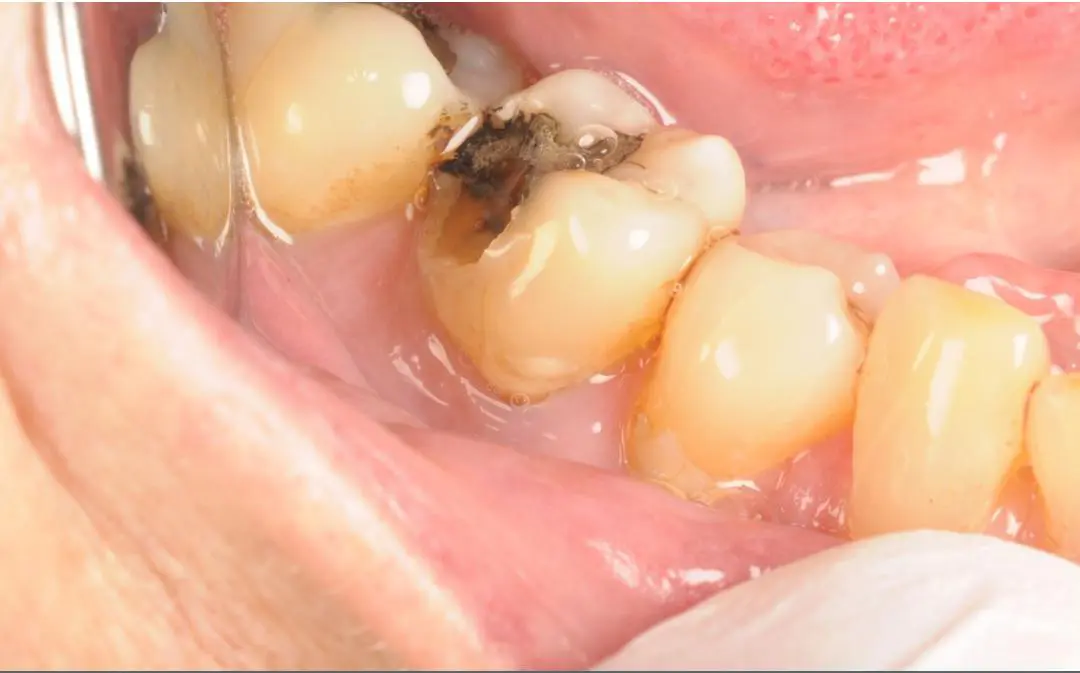
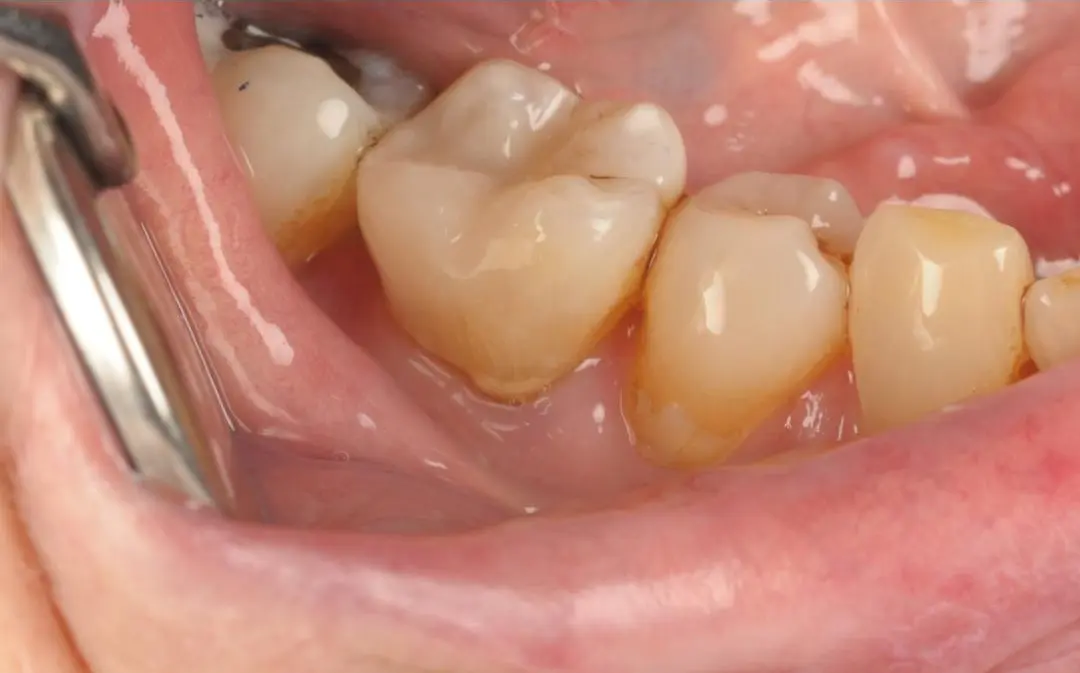
Real Patient Result: Emergency White Filling
Treatment by Dr Kamran
The inflammatory process also affects the junction between your gums and teeth. Normally, this area forms a protective seal, but inflammation can cause this attachment to weaken slightly, creating small pockets where bacteria can accumulate more easily. Understanding these mechanisms helps explain why consistent plaque removal is essential for maintaining gum health.
When to Consider Professional Dental Assessment
While occasional minor gum bleeding might improve with enhanced oral hygiene, certain situations may warrant professional dental evaluation. Persistent bleeding that continues despite improved brushing and flossing techniques could indicate that professional cleaning is needed to remove hardened plaque deposits.
You might consider seeking dental guidance if you notice bleeding accompanied by significant swelling, persistent bad breath, or gum recession. Changes in bite or tooth positioning, loose teeth, or pus around the gum line are additional signs that may benefit from clinical assessment.
Professional dental cleaning can remove tartar buildup that cannot be eliminated through home care alone. Additionally, a dental professional can assess the extent of any gum inflammation and provide personalised guidance on dental hygiene techniques that may be most effective for your specific situation.
Prevention Strategies for Healthy Gums
Preventing gum bleeding and gingivitis centres on effective daily oral hygiene practices. Brushing twice daily with fluoride toothpaste using proper technique helps remove plaque before it can irritate your gums. Use gentle, circular motions rather than aggressive back-and-forth scrubbing, which can damage delicate gum tissue.
Daily flossing plays a crucial role in preventing gum disease by removing plaque and food particles from between teeth where your toothbrush cannot reach effectively. Many people find that initial flossing may cause some bleeding, but this typically decreases as gum health improves with consistent care.
Consider using an antimicrobial mouthwash to help reduce bacterial activity in your mouth. Maintaining a balanced diet low in sugary snacks and drinks also supports gum health by limiting the nutrients available to harmful bacteria. Regular professional dental cleanings help remove any plaque buildup that might accumulate despite good home care.
Lifestyle Factors That Affect Gum Health
Several lifestyle factors can influence your susceptibility to gum inflammation and bleeding. Smoking significantly impairs gum health by reducing blood flow to the tissues and interfering with the healing process. Even occasional smoking can mask the warning signs of gum disease by reducing the typical bleeding response.
Stress can also impact gum health by affecting your immune system's ability to fight bacterial infections effectively. Additionally, certain medications, hormonal changes during pregnancy or menstruation, and underlying health conditions like diabetes can increase your risk of developing gum inflammation.
Maintaining overall health through regular exercise, adequate sleep, and proper nutrition supports your body's natural ability to maintain healthy gums. Being aware of these factors can help you take a comprehensive approach to preventive dental care that addresses both direct oral hygiene practices and broader lifestyle considerations.
Key Points to Remember
• Gum bleeding during brushing typically indicates early gingivitis caused by plaque accumulation
• Healthy gums should not bleed during normal brushing and flossing
• Early gingivitis is generally reversible with improved oral hygiene and professional care
• Consistent daily brushing and flossing are essential for preventing gum inflammation
• Professional dental assessment may be beneficial for persistent bleeding or additional symptoms
• Lifestyle factors including smoking, stress, and overall health can influence gum health
Frequently Asked Questions
Is it normal for gums to bleed when I start flossing regularly?
Some initial bleeding when beginning a flossing routine is common, especially if your gums are slightly inflamed from previous plaque buildup. This bleeding typically decreases within a week or two as your gum health improves with consistent care. However, if bleeding persists beyond two weeks of regular flossing, consider seeking professional dental guidance to ensure proper technique and assess your gum health.
How long does it take for gingivitis to improve with better oral hygiene?
With consistent daily brushing and flossing, early gingivitis symptoms often begin to improve within 10-14 days. However, complete resolution may take several weeks to a month, depending on the extent of inflammation and individual healing responses. Professional dental cleaning may accelerate improvement by removing hardened plaque deposits that cannot be eliminated through home care alone.
Can certain toothbrushes cause gum bleeding?
Toothbrushes with very firm bristles or aggressive brushing techniques can contribute to gum irritation and bleeding. Medium or soft-bristled toothbrushes are generally recommended for most people. Electric toothbrushes with pressure sensors can help prevent excessive force during brushing. If you're experiencing bleeding primarily due to brushing technique, switching to a softer brush and gentler circular motions often helps.
Should I stop brushing if my gums are bleeding?
No, you should continue brushing even if your gums are bleeding, but consider adjusting your technique to be more gentle. Stopping oral hygiene allows plaque to accumulate further, which can worsen the inflammation. Use a soft-bristled toothbrush and gentle circular motions. If bleeding is severe or accompanied by significant pain, consider seeking dental guidance for personalised advice.
Can stress really affect my gum health?
Yes, chronic stress can impact gum health through several mechanisms. Stress hormones can suppress immune function, making it harder for your body to fight bacterial infections in your mouth. Stress may also lead to teeth grinding, poor oral hygiene habits, or dietary changes that increase the risk of gum inflammation. Managing stress through healthy coping strategies can support overall oral health.
Are there any warning signs that gum bleeding might be serious?
While occasional minor bleeding often responds to improved oral hygiene, certain signs may warrant professional assessment. These include persistent bleeding despite good oral care, bleeding accompanied by severe swelling or pain, pus around the gum line, loose teeth, persistent bad breath, or gum recession. Additionally, if you have underlying health conditions like diabetes or take medications that affect healing, professional dental evaluation may be beneficial.
Conclusion
Understanding gum bleeding during brushing as a potential sign of early gingivitis empowers you to take appropriate action for your oral health. While seeing blood in the sink can be concerning, recognising it as your body's way of signalling inflammation helps you respond constructively rather than ignore this important warning sign.
The key to managing gum bleeding lies in consistent daily oral hygiene practices, including proper brushing and flossing techniques. Most cases of early gingivitis respond well to improved home care, though professional dental cleaning and guidance can provide additional support when needed.
Remember that prevention remains the most effective approach to maintaining healthy gums. By understanding the underlying causes of gum inflammation and implementing appropriate preventive measures, you can work towards maintaining optimal oral health throughout your life.
Taking prompt action when you notice gum bleeding, rather than waiting for symptoms to worsen, reflects a proactive approach to dental health that can help prevent more complex problems in the future. Dental symptoms and treatment options should always be assessed individually during a clinical examination.
Disclaimer
This article is for general educational purposes only and does not constitute dental advice, diagnosis, or treatment. Every patient is different, so symptoms and treatment options should always be assessed by a qualified dental professional during a clinical examination. No specific outcomes are guaranteed.