
A toothache can range from a mild, nagging discomfort to an intense, throbbing pain that disrupts sleep, eating, and daily life. It is one of the most common reasons people in London turn to the internet late at night, searching for answers before they know whether to call a dentist in the morning — or seek help immediately.
Understanding whether your toothache is a dental emergency is not always straightforward. Many people are unsure whether their pain warrants urgent attention or whether it can safely wait for a routine appointment. Waiting too long when symptoms are serious can sometimes allow a dental problem to progress, whilst seeking urgent care for a minor issue may not always be necessary.
This article aims to help you recognise the signs that may indicate a dental emergency, understand the underlying causes of tooth pain, and make a more informed decision about when to seek professional dental assessment. If you are ever in doubt, contacting a dental professional is always the most appropriate step.
Experiencing these symptoms?
Delaying treatment can lead to tooth loss. We have slots available today.
Is a Toothache a Dental Emergency?
A toothache may be a dental emergency if it is severe, persistent, or accompanied by swelling, fever, or difficulty swallowing. These symptoms could indicate a dental infection or abscess that requires prompt professional assessment. Mild, intermittent tooth sensitivity is less likely to require urgent care but should still be evaluated by a dentist.
What Causes a Toothache?
Tooth pain can arise from a wide variety of dental conditions, ranging from relatively minor issues to more significant underlying problems. Understanding the potential causes can help you better describe your symptoms to a dental professional and may assist in determining the level of urgency.
Common causes of toothache include:
Meet Dr. Yasha Shirazi
Principal Dentist at Emergency Dentist London
"We treat hundreds of dental emergencies every month. The sooner you come in, the easier the fix usually is."
Book an appointment with our team →- Tooth decay (dental caries): When bacteria break down the outer layers of a tooth, it can progress to the sensitive inner layers, causing pain.
- Cracked or fractured teeth: A crack in the tooth structure can expose the inner nerve, resulting in sharp pain, particularly when biting or chewing.
- Dental abscess: A collection of pus caused by a bacterial infection, which can be associated with significant pain and swelling.
- Gum disease: Advanced gum disease (periodontitis) can cause pain, sensitivity, and gum recession that exposes the root surfaces of teeth.
- Exposed tooth roots: Often related to gum recession, exposed roots can be highly sensitive to temperature changes and touch.
- A damaged or lost filling: When a filling cracks or falls out, it leaves the tooth structure unprotected and vulnerable, and aching after a filling is a common related concern.
- Wisdom teeth: Impacted or partially erupted wisdom teeth can cause significant discomfort and localised swelling.
Each of these conditions presents differently, and a clinical examination is the only reliable way to identify the precise cause of tooth pain.
Recognising the Signs of a Dental Emergency
Not every toothache requires emergency attention, but certain symptoms should prompt you to seek professional dental assessment without delay. Knowing which signs to watch for can help you make a safer decision.
Symptoms that may indicate a dental emergency include:
- Severe, unrelenting pain that is not relieved by over-the-counter pain relief and prevents you from sleeping or functioning normally
- Visible facial swelling around the jaw, cheek, or neck
- Fever accompanying dental pain, which may suggest the presence of infection
- Difficulty swallowing or breathing — this requires immediate medical attention and may involve calling 999 or attending an A&E department
- A tooth that has been knocked out or displaced following trauma
- Bleeding that will not stop following an injury to the mouth or gums
- A dental abscess presenting as a swollen, tender lump on the gum near a painful tooth
If you experience any of the above, it is advisable to contact an emergency dentist in London as soon as possible. A qualified dental professional can assess your symptoms and recommend an appropriate course of care.
Symptoms That May Be Able to Wait for a Routine Appointment
Whilst it is important to take all dental pain seriously, some symptoms are less likely to indicate an immediate emergency and may be suitable for a routine dental appointment rather than urgent out-of-hours care.
These may include:
- Mild tooth sensitivity to hot or cold that passes quickly and is not accompanied by persistent pain
- A chipped or broken tooth that is not causing significant pain and has no sharp edges irritating the soft tissues
- A lost filling or crown that is not causing immediate pain — although this should still be addressed promptly to protect the underlying tooth
- Dull, occasional aches that come and go without worsening
Even symptoms that appear mild can sometimes be early indicators of a developing problem. For this reason, it is always advisable to have any persistent dental concern assessed by a qualified dentist within a reasonable timeframe, even if it does not appear to require emergency care.
The Dental Science Behind Tooth Pain: Understanding the Nerve and Pulp
To understand why toothaches can vary so dramatically in severity, it helps to have a basic awareness of tooth anatomy and how pain signals are generated.
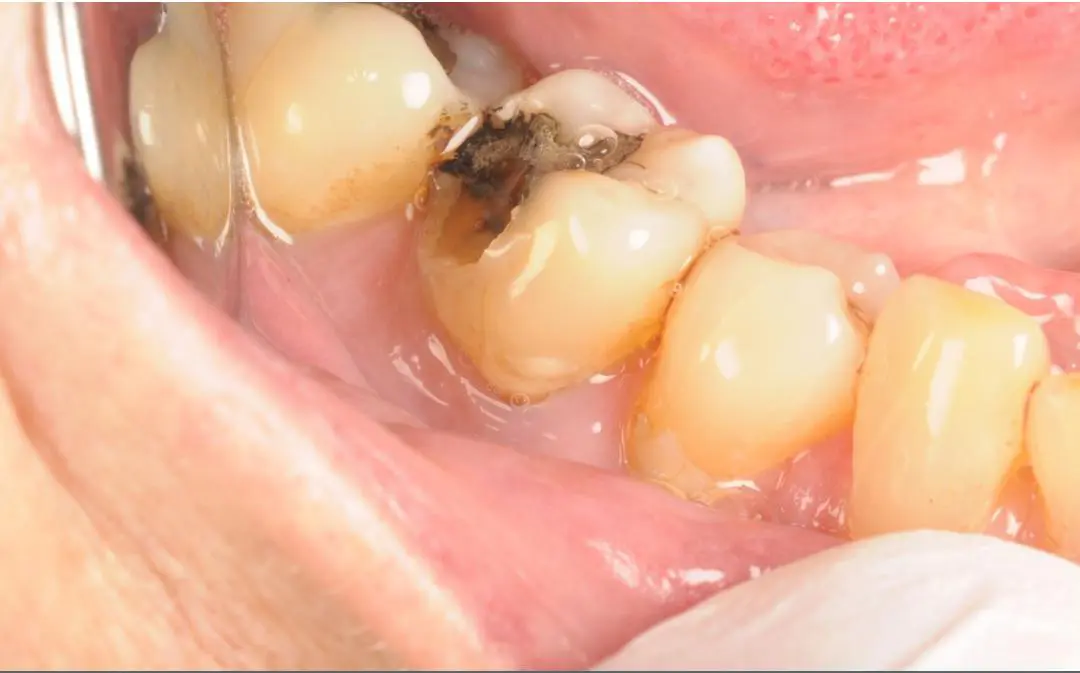
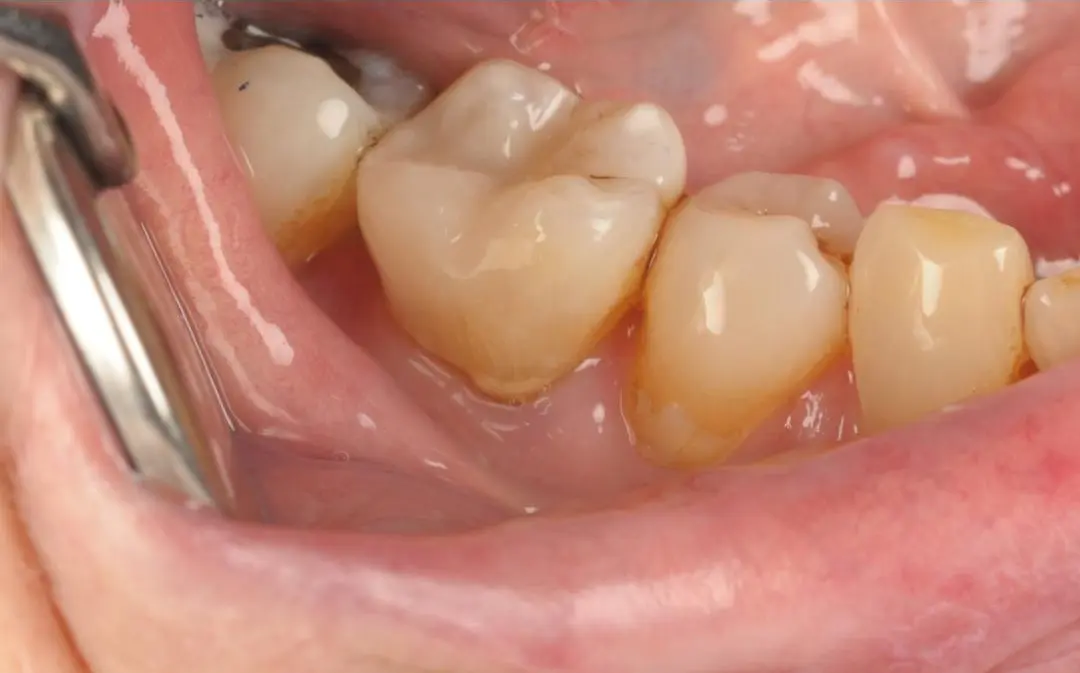
Real Patient Result: Emergency White Filling
Treatment by Dr Kamran
Each tooth has several layers. The outer layer, known as enamel, is the hardest substance in the human body and acts as a protective shell. Beneath the enamel lies dentine, a softer, porous layer that contains microscopic tubules connected to the tooth's nerve. When enamel is compromised — through decay, fracture, or erosion — stimuli such as temperature changes, pressure, or sweet foods can travel along these tubules and trigger pain signals.
At the centre of each tooth sits the dental pulp, a soft tissue containing nerves and blood vessels. If bacteria or damage reach the pulp, it can become inflamed — a condition known as pulpitis. This is often associated with more intense or throbbing pain and, if left untreated, can progress to a dental abscess as the infection spreads beyond the tooth root.
Understanding this process helps explain why a toothache that begins as mild sensitivity can sometimes escalate into more significant pain if the underlying cause is not addressed. Early intervention by a dental professional may help prevent a condition from worsening.
What Is a Dental Abscess and Why Does It Matter?
A dental abscess is a localised collection of pus resulting from a bacterial infection, and it is one of the more serious dental conditions associated with toothache. There are two common types:
- Periapical abscess: This forms at the tip of the tooth root, typically as a result of untreated tooth decay or pulp infection.
- Periodontal abscess: This occurs in the gum tissue beside the root, often associated with gum disease.
Symptoms of a dental abscess may include a severe, persistent, or throbbing toothache; swelling in the face, cheek, or jaw; sensitivity to pressure or temperature; fever; a foul taste in the mouth; and a swollen, tender lymph node beneath the jaw.
In rare cases, dental infections can spread to surrounding tissues, including the jaw, neck, or — in very serious circumstances — beyond. This is why abscesses that are accompanied by facial swelling, fever, or difficulty breathing or swallowing should always be treated as a medical and dental emergency.
If you are concerned that you may have a dental abscess, prompt professional assessment is strongly recommended. Information about tooth abscess treatment is available if you would like to understand what a clinical assessment may involve.
When Professional Dental Assessment May Be Needed
There are a number of situations in which seeking professional dental evaluation promptly is the most appropriate course of action. Dental professionals are trained to assess symptoms that may not always be visible to the patient and can determine the most suitable course of management based on a thorough clinical examination.
You should consider contacting a dental professional if you experience:
- Pain that persists for more than one to two days without any clear trigger or relief
- Swelling around the jaw, cheek, or neck that is growing or causing concern
- Sensitivity that is progressively worsening rather than remaining stable
- Fever or general feelings of being unwell alongside dental pain
- Trauma to the mouth or teeth, including knocked-out, chipped, or displaced teeth
- Difficulty chewing, biting, or opening the mouth comfortably
It is worth remembering that dental pain is rarely self-resolving. In many cases, the underlying cause of toothache requires professional treatment to address effectively. Delaying assessment can sometimes allow a condition to become more complex.
In situations where pain is accompanied by facial swelling, difficulty breathing, or difficulty swallowing, attending an NHS A&E department or calling 999 is the appropriate immediate action, as these symptoms may indicate a spreading infection requiring medical intervention beyond dental care alone.
Toothache Following Dental Treatment
It is not uncommon to experience some degree of tooth sensitivity or discomfort following routine dental procedures such as fillings, root canal treatment, or a tooth extraction. This is generally a normal part of the healing process and tends to subside within a few days.
However, if post-treatment pain is severe, worsening rather than improving, or accompanied by swelling or fever, it is important to contact your dental practice for guidance. Post-extraction complications such as a dry socket — where the blood clot that forms after an extraction is dislodged — can cause significant pain and may require additional care.
Always follow the aftercare instructions provided by your dental team following a procedure, and do not hesitate to contact them if you have concerns about your recovery.
Prevention and Oral Health Advice
Whilst it is not always possible to prevent every dental problem, maintaining good oral health can significantly reduce the risk of developing conditions associated with toothache and dental emergencies.
Practical steps to support oral health include:
- Brushing teeth twice daily using a fluoride toothpaste, ensuring all tooth surfaces are cleaned effectively
- Cleaning between teeth daily using floss, interdental brushes, or a water flosser to remove plaque from areas that a toothbrush cannot reach
- Attending regular dental check-ups as recommended by your dentist — routine examinations allow early detection of decay, gum disease, or structural issues before they become more significant
- Limiting sugary and acidic foods and drinks, which can contribute to enamel erosion and tooth decay over time
- Wearing a mouthguard during contact sports to help protect teeth from trauma
- Avoiding using teeth as tools — for example, opening packaging or biting nails — which can cause structural damage
- Not smoking, as tobacco use is a significant risk factor for gum disease and oral health complications
If you are overdue for a dental check-up, arranging an appointment sooner rather than later is advisable. Many dental problems are easier and less costly to manage when detected at an early stage.
Key Points to Remember
- A toothache accompanied by severe pain, facial swelling, fever, or difficulty swallowing should be treated as a potential dental emergency and assessed promptly.
- Mild or intermittent tooth sensitivity may not require urgent care but should still be evaluated by a dentist if it persists.
- A dental abscess is a serious condition that can worsen if left untreated and may require prompt professional management.
- Tooth pain is rarely self-resolving — in most cases, an underlying dental cause will need to be identified and treated.
- Regular dental check-ups and good daily oral hygiene are among the most effective ways to reduce the risk of developing dental emergencies.
- If you are ever unsure about the severity of your symptoms, contacting a dental professional for guidance is always the safest approach.
Frequently Asked Questions
Can a toothache go away on its own?
Whilst mild tooth sensitivity can sometimes improve if the triggering factor — such as a minor gum irritation — resolves itself, most toothaches with an underlying dental cause are unlikely to disappear without treatment. Tooth decay, dental abscesses, and fractures do not heal independently. If pain subsides without treatment, this may sometimes indicate that the nerve has been affected, which does not mean the problem has resolved. For a fuller look at whether a toothache can go away on its own, it is always advisable to have persistent toothache assessed by a dental professional rather than waiting for symptoms to pass.
What should I do if I have a toothache at night?
If you experience significant tooth pain at night, taking an appropriate over-the-counter pain reliever — such as ibuprofen or paracetamol, following the manufacturer's guidance and any personal medical considerations — may help manage discomfort temporarily. Keeping your head elevated can sometimes reduce blood pressure to the area and help ease throbbing pain. You should contact a dental practice as soon as possible the following morning, or seek emergency dental care if symptoms are severe, worsening, or accompanied by swelling or fever.
How do I know if my toothache is caused by an abscess?
A dental abscess is typically associated with a persistent, throbbing toothache that may be severe. Other signs can include swelling in the gum, cheek, or jaw; a raised, tender lump near the affected tooth; fever; a foul taste or smell in the mouth; and sensitivity to pressure. However, these symptoms can vary, and a clinical examination is the only reliable way to confirm whether an abscess is present. If you suspect you may have an abscess, seeking professional dental assessment promptly is recommended.
Is a knocked-out tooth a dental emergency?
Yes. A tooth that has been completely knocked out (avulsed) should be treated as a dental emergency. If possible, handle the tooth by the crown (not the root), rinse it gently with milk or saline if it is dirty, and attempt to reinsert it into the socket whilst seeking urgent dental care. If reinsertion is not possible, keep the tooth moist by storing it in milk or between the cheek and gum. Time is a significant factor — the sooner you can see an emergency dentist, the greater the likelihood that the tooth may be successfully managed. You can learn more about emergency tooth trauma care and what to expect during an emergency appointment.
Can I take painkillers for a toothache while waiting to see a dentist?
Over-the-counter pain relief such as ibuprofen or paracetamol can help manage toothache discomfort whilst awaiting a dental appointment, provided they are taken as directed on the packaging and are appropriate for your individual health circumstances. It is important to note that pain relief addresses the symptom rather than the underlying cause, and professional dental assessment remains necessary. You should not place aspirin directly on the tooth or gum, as this can cause irritation to the soft tissues.
When should I go to A&E for a toothache?
Most dental problems are better managed by a dental professional than at a hospital A&E department. However, if your toothache is accompanied by significant facial or neck swelling, difficulty breathing, difficulty swallowing, or a high fever that is not improving, you should seek immediate medical attention at an A&E department or by calling 999. These symptoms may indicate a spreading dental infection that requires medical management beyond standard dental care and should not be delayed.
Conclusion
Understanding the difference between a toothache that requires emergency dental attention and one that can be addressed during a routine appointment is not always easy — and when in doubt, seeking professional guidance is always the right decision. Severe pain, facial swelling, fever, and difficulty swallowing are among the symptoms that warrant prompt assessment, whilst milder or intermittent discomfort may be suitable for a scheduled appointment.
Regardless of the severity, persistent toothache should never be ignored. Most dental conditions that cause pain will not resolve without professional treatment, and early assessment can often make management more straightforward. Maintaining regular dental check-ups and a consistent oral hygiene routine remains one of the most effective approaches to reducing the risk of dental emergencies over time.
Dental symptoms and treatment options should always be assessed individually during a clinical examination.
If you are experiencing dental pain or have concerns about your oral health, we encourage you to contact a qualified dental professional at the earliest opportunity for personalised guidance.
Disclaimer: This article is for general educational purposes only and does not constitute professional dental advice, diagnosis, or treatment. Every patient's circumstances are unique; dental symptoms and treatment options should always be assessed during a clinical examination by a qualified dental professional. No specific outcomes are guaranteed. This content has been prepared in line with GDC, CQC, ASA CAP Code, and GMC communication standards. If you have concerns about your oral health, please contact a registered dentist.
Next Review Due: 17 August 2027