
Tooth pain is one of the most common reasons people turn to the internet in search of reassurance. Whether it is a dull ache that started after eating, a sharp twinge felt in the cold morning air, or a persistent throb that interrupts sleep, a toothache can be both unsettling and disruptive to daily life.
Many people wonder: can a toothache go away on its own without treatment? It is a completely understandable question. Life is busy, dental visits can feel daunting, and it is tempting to hope that discomfort might simply resolve itself given enough time.
This article aims to provide a balanced, educational explanation of why toothaches occur, what may cause temporary relief, and when a toothache warrants professional dental attention. Understanding the difference between pain that eases naturally and pain that signals something requiring treatment can make a meaningful difference to your long-term oral health.
Experiencing these symptoms?
Delaying treatment can lead to tooth loss. We have slots available today.
While some mild, short-lived tooth sensitivity may settle without intervention, many causes of toothache require a clinical assessment to determine the most appropriate course of care.
Can a Toothache Go Away on Its Own?
In some cases, mild tooth sensitivity or minor irritation may ease without intervention. However, a toothache caused by dental decay, infection, a cracked tooth, or gum disease is unlikely to resolve without professional treatment. Temporary relief does not mean the underlying cause has disappeared, and early dental assessment is generally advisable.
What Causes a Toothache?
Before exploring whether a toothache can resolve on its own, it helps to understand what typically causes tooth pain in the first place.
Meet Dr. Yasha Shirazi
Principal Dentist at Emergency Dentist London
"We treat hundreds of dental emergencies every month. The sooner you come in, the easier the fix usually is."
Book an appointment with our team →Toothache is not a single condition — it is a symptom that can arise from a range of underlying dental issues. The most common causes include:
- Dental decay (cavities): When bacteria break down the hard enamel of a tooth and penetrate deeper layers, this can stimulate the nerve inside the tooth, causing pain.
- Dental abscess: A bacterial infection that can develop at the root of a tooth or in the surrounding gum tissue, often causing persistent, throbbing pain.
- Cracked or fractured teeth: A crack in the tooth structure can expose the sensitive inner dentine or pulp, resulting in sharp pain — particularly when biting.
- Gum disease (periodontitis): Inflammation and infection of the gum tissue can cause soreness, sensitivity, and discomfort around affected teeth.
- Tooth sensitivity: Exposed dentine, often resulting from enamel wear or gum recession, can cause pain in response to hot, cold, sweet, or acidic stimuli.
- Erupting wisdom teeth: As wisdom teeth push through the gum, surrounding tissue can become inflamed and painful.
- A lost or damaged filling: When a restoration breaks or falls out, the exposed tooth may become sensitive or painful, and some patients also notice aching after a new filling was placed.
Each of these causes has a different clinical profile, and understanding which one is responsible for your pain is something only a qualified dental professional can determine through examination.
Can a Toothache Resolve Without Treatment?
This is perhaps the most important question explored in this article. The honest, clinically responsible answer is: it depends on the cause.
When tooth pain may ease temporarily
Some forms of mild, transient tooth discomfort can settle without professional treatment:
- Minor gum irritation caused by food trapped between teeth or brushing too vigorously may resolve once the irritant is removed and the gum is given time to heal.
- Sensitivity following a dental procedure such as a filling, scale and polish, or tooth whitening is often short-lived and typically eases within a few days.
- Mild sensitivity to temperature in someone who has been consuming a lot of acidic food or drink may improve with dietary adjustments and appropriate toothpaste.
When tooth pain is unlikely to resolve on its own
In the majority of cases, a toothache with an identifiable dental cause will not permanently go away without some form of treatment. Here is why:
- Dental decay does not reverse once it has progressed beyond the enamel. Whilst early-stage enamel demineralisation can sometimes be managed with fluoride and dietary changes, cavities that have reached the dentine or pulp require restorative treatment.
- Dental infections do not resolve without intervention. If an abscess is present, the infection will not clear itself and can potentially spread. This is a situation where timely dental assessment is particularly important.
- Structural damage such as cracks or fractures will not repair themselves and are likely to worsen over time without appropriate dental care.
It is worth noting that pain may temporarily diminish even when an underlying problem remains. This can happen when a pulp (the inner nerve tissue of a tooth) becomes so severely damaged that it loses the ability to register sensation — sometimes described colloquially as the nerve "dying." A reduction in pain under these circumstances does not mean the problem has resolved; infection can still progress even in the absence of pain.
The Dental Science Behind Tooth Pain
To understand why toothache behaves the way it does, it helps to consider a little of the anatomy of a tooth.
Each tooth is made up of several layers:
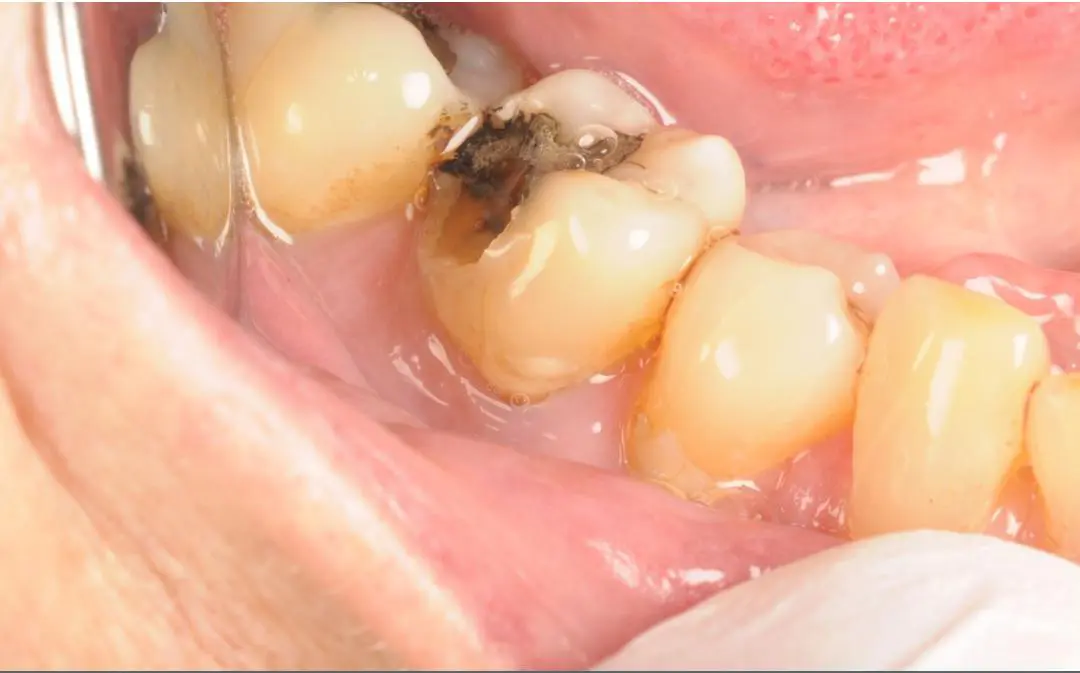
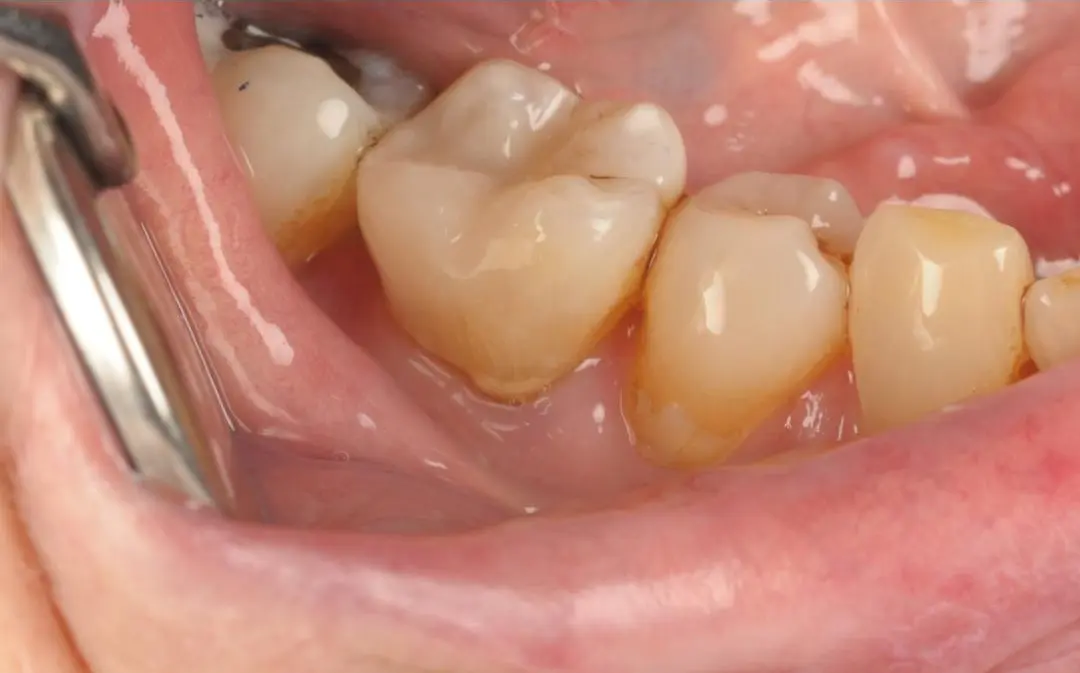
Real Patient Result: Emergency White Filling
Treatment by Dr Kamran
- Enamel — the hard, outermost layer that protects the tooth from everyday wear and bacterial attack.
- Dentine — a porous layer beneath the enamel that contains tiny tubules connected to the nerve.
- Pulp — the innermost chamber of the tooth, containing blood vessels, connective tissue, and nerve endings.
- Cementum — a hard tissue covering the tooth root, anchoring it within the jawbone via the periodontal ligament.
When enamel is intact and healthy, it acts as a protective barrier. Pain typically begins when bacteria, temperature changes, or physical trauma are able to reach the dentine or pulp. The nerve fibres within the pulp register these stimuli as pain — a protective biological response designed to alert us to potential harm.
Once decay or damage reaches the pulp, the nerve becomes inflamed in a process known as pulpitis. In its early, reversible form, pulpitis may cause sensitivity that settles once the stimulus is removed. However, if the inflammation becomes irreversible — due to extensive decay or trauma — the pain often becomes more persistent and may require root canal treatment or extraction to address the underlying problem.
Understanding this progression helps explain why early dental assessment is generally more beneficial than waiting for symptoms to change.
When Professional Dental Assessment May Be Appropriate
Whilst not every twinge of tooth sensitivity requires an emergency appointment, there are certain situations where arranging a dental assessment sooner rather than later is advisable.
Consider contacting a dental practice if you experience:
- Persistent pain lasting more than one to two days that does not ease with over-the-counter pain relief taken as directed.
- Throbbing or pulsating pain, which can be associated with dental infection.
- Swelling of the face, jaw, or gum surrounding a painful tooth — this warrants prompt attention.
- Fever accompanied by dental pain, which may suggest a spreading infection.
- Difficulty opening the mouth, swallowing, or breathing alongside dental pain — seek urgent care.
- Pain triggered by biting or pressure, which may indicate a cracked tooth or failing restoration.
- Sensitivity to hot temperatures that lingers for more than a few seconds after the stimulus is removed.
- A tooth that has changed colour or a gum that is visibly swollen or discharging.
If you are experiencing any of these symptoms, it may be worth contacting an emergency dentist in London for a timely clinical assessment. Prompt evaluation can help identify the cause of your discomfort and allow appropriate management to be discussed. If you are unsure whether your symptoms qualify as a dental emergency, that guide can help you decide how quickly to seek care.
It is important to note that while over-the-counter pain relief may help manage discomfort whilst you arrange an appointment, it does not treat the underlying dental cause. Using pain relief to mask symptoms long-term without seeking professional advice is generally not recommended.
How Toothache is Typically Managed
The management of a toothache will always depend on its underlying cause, and treatment options can only be appropriately recommended following a clinical examination. That said, it may be helpful to understand the range of approaches a dentist may consider:
- Fillings or restorations — if decay is identified, removing the affected tooth structure and placing a filling is a common approach to restore the tooth and relieve pain.
- Root canal treatment — if the pulp is irreversibly inflamed or infected, root canal treatment involves removing the affected pulp tissue, cleaning the canals, and sealing the tooth. This approach aims to preserve the natural tooth. You can learn more about root canal treatment and what it involves.
- Antibiotics — may be prescribed in conjunction with dental treatment when infection is present, though they are not a standalone solution for dental pain.
- Tooth extraction — in cases where a tooth cannot be saved, removal may be the most appropriate option to resolve pain and prevent further complications.
- Gum treatment — if toothache is related to gum disease, a course of professional cleaning and ongoing maintenance may be recommended.
- Desensitising treatments — for sensitivity caused by exposed dentine, specific toothpastes, varnishes, or bonding agents may help reduce discomfort over time.
The right approach for any individual will always be determined by the clinical findings at examination.
Temporary Home Care Whilst Awaiting a Dental Appointment
If you are experiencing tooth pain and are waiting for a dental appointment, there are some gentle measures that may help manage discomfort in the interim. These are not substitutes for professional care but may offer some short-term relief:
- Over-the-counter pain relief such as ibuprofen or paracetamol, taken as directed on the packaging and appropriate to your medical history.
- Avoiding very hot, cold, or sweet foods and drinks that may aggravate sensitivity.
- Rinsing gently with warm, slightly salted water to keep the area clean — this will not treat infection but may soothe mildly irritated gum tissue.
- Avoiding placing aspirin directly on the gum as this can cause chemical burns to the soft tissue.
- Keeping the head elevated when resting if the pain intensifies when lying flat.
If symptoms worsen, spread, or are accompanied by swelling or fever, do not delay in contacting a dental practice or seeking urgent care.
Prevention and Oral Health Advice
Whilst not all toothaches are preventable, maintaining good oral health significantly reduces the risk of developing the conditions most commonly associated with dental pain. Consider the following practical steps:
Brush twice daily using a fluoride toothpaste. Use gentle, circular movements and ensure you brush for at least two minutes each time. Avoid aggressive scrubbing, which can contribute to enamel wear and gum recession.
Clean between your teeth daily using floss, interdental brushes, or a water flosser. This removes plaque from areas a toothbrush cannot reach — a common site for decay and gum disease to develop.
Limit sugary and acidic food and drinks. Frequency matters as much as quantity — snacking on sugary items throughout the day prolongs acid attacks on tooth enamel.
Attend regular dental check-ups. Routine examinations allow a dentist to identify early signs of decay, gum disease, or structural concerns before they develop into more significant — and often more painful — problems. The frequency of check-ups recommended for you will depend on your individual dental health, as determined by your dentist.
Stay hydrated. Saliva plays an important protective role in oral health, helping to neutralise acids and remineralise enamel. Adequate hydration supports healthy saliva production.
Wear a mouthguard if you grind your teeth at night or participate in contact sports. Tooth grinding (bruxism) can cause significant wear, sensitivity, and structural damage over time.
If you would like to discuss dental check-up and examination options with a qualified professional, a routine appointment is a good starting point for understanding your individual oral health needs.
Key Points to Remember
- A toothache is a symptom, not a condition in itself — the underlying cause determines whether it is likely to ease on its own.
- Mild, transient tooth sensitivity may resolve without treatment, but most dental causes of toothache require professional assessment and management.
- Pain that temporarily reduces does not necessarily mean the underlying problem has resolved — this is particularly important in cases of dental infection.
- Dental infections should not be left untreated, as they can potentially spread if not appropriately managed.
- Over-the-counter pain relief can help manage discomfort temporarily, but it does not treat the dental cause of pain.
- Attending regular dental check-ups is one of the most effective ways to identify and address dental concerns before they develop into painful problems.
Frequently Asked Questions
Is it normal for a toothache to come and go?
Yes, it is not uncommon for tooth pain to fluctuate in intensity. This can happen for a number of reasons — certain foods or temperatures may trigger sensitivity, whilst periods without these stimuli may feel relatively comfortable. However, intermittent pain that keeps returning is often a sign of an underlying dental issue that has not resolved. A dental assessment can help identify the cause and discuss whether any treatment is appropriate.
Can stress cause toothache?
Stress itself does not directly cause toothache, but it can contribute to conditions that lead to dental discomfort. Teeth grinding (bruxism), which is often associated with stress and anxiety, can cause significant wear, jaw soreness, and tooth sensitivity over time. Stress may also affect immune function, potentially influencing gum health. If you suspect stress-related dental concerns, discussing this with a dentist can help identify whether a night guard or other management approach may be beneficial.
Can a tooth infection go away without antibiotics?
A dental abscess or tooth infection is unlikely to resolve without professional dental treatment. Whilst antibiotics may be prescribed to help manage infection, they are generally used alongside — not instead of — dental treatment such as drainage of the abscess, root canal treatment, or tooth extraction. Leaving a dental infection untreated carries risks and is generally not advisable. If you suspect you have a dental infection, contacting a dental practice promptly is recommended.
Why has my toothache suddenly stopped?
If a toothache stops suddenly without any dental treatment, it is worth having this assessed by a dentist rather than assuming the problem has resolved. In some cases, a reduction in pain can indicate that the nerve inside the tooth has become severely damaged and is no longer registering sensation — this does not mean the tooth is healthy. Infection can continue to progress even when pain has subsided. A dental examination, which may include an X-ray, can clarify what is happening.
How long can a toothache last?
This varies considerably depending on the cause. A mild sensitivity triggered by a specific stimulus may last only seconds or minutes after the irritant is removed. Pain associated with more significant dental conditions such as pulpitis or abscess may be persistent and last for days or longer without treatment. Any toothache lasting more than one to two days without improvement warrants a dental consultation to determine the appropriate course of action.
Can I treat a toothache at home?
Home care measures — such as over-the-counter pain relief taken as directed, warm saltwater rinses, and avoiding triggering foods — may offer some temporary comfort whilst you arrange a dental appointment. However, these measures address discomfort rather than the underlying dental cause. Most conditions responsible for toothache require professional dental assessment and treatment. Home remedies should not be used as a long-term substitute for seeking dental care.
Conclusion
A toothache can range from a brief moment of sensitivity to persistent, disruptive pain — and the most appropriate response depends entirely on its cause. Whilst minor, transient tooth discomfort may ease on its own, the majority of dental conditions responsible for toothache will not resolve without some form of professional assessment and management.
Waiting and hoping that tooth pain will disappear can, in some circumstances, allow an underlying problem to progress further than it might otherwise have done. Early evaluation by a qualified dental professional generally offers the best opportunity to understand what is happening and to explore the options most suitable for your individual situation.
If you are currently experiencing dental pain — whether mild or more significant — it is worth contacting a dental practice to discuss your symptoms. Dental symptoms and treatment options should always be assessed individually during a clinical examination.
Good oral health is closely connected to overall wellbeing, and taking a proactive approach to dental care is one of the most valuable things you can do for your long-term health.
Disclaimer: This article is for general educational purposes only and does not constitute professional dental advice, diagnosis, or treatment. Every patient's circumstances are unique; dental symptoms and treatment options should always be assessed during a clinical examination by a qualified dental professional. No specific outcomes are guaranteed. This content has been prepared in line with GDC, CQC, ASA CAP Code, and GMC communication standards. If you have concerns about your oral health, please contact a registered dentist.
Next Review Due: 17 August 2027