
Facial swelling after dental trauma can be alarming for patients and often prompts urgent searches for guidance and reassurance. Whether from a sports injury, fall, or accident, dental trauma affects thousands of people in London each year, with swelling being one of the most common immediate concerns. Understanding how to manage facial swelling following dental trauma is crucial for promoting proper healing and preventing complications.
Facial swelling occurs as the body's natural inflammatory response to injury, helping to protect damaged tissues whilst the healing process begins. However, knowing when swelling is within normal limits and when it may require professional attention helps patients make informed decisions about their care. This comprehensive guide explains the causes of post-trauma facial swelling, appropriate management techniques, and important signs that warrant dental evaluation.
Proper understanding of facial swelling management following dental trauma enables patients to respond appropriately whilst supporting their body's natural healing mechanisms.
Experiencing these symptoms?
Delaying treatment can lead to tooth loss. We have slots available today.
What is Facial Swelling Following Dental Trauma?
Facial swelling following dental trauma should be managed with cold compresses during the first 24-48 hours, followed by warm compresses, elevation when resting, and professional dental assessment to evaluate underlying damage and prevent complications.
Understanding Dental Trauma and Inflammatory Response
Dental trauma encompasses various injuries affecting teeth, supporting structures, and surrounding facial tissues. When trauma occurs, the body immediately initiates an inflammatory response designed to protect damaged tissues and begin repair processes. This response involves increased blood flow to the affected area, which can cause visible swelling, tenderness, and discolouration.
The severity of facial swelling typically correlates with the extent of tissue damage, though individual responses can vary considerably. Swelling may affect the immediate injury site or extend to adjacent areas, particularly around the cheeks, lips, and jaw. Understanding this natural process helps patients recognise normal healing responses whilst identifying situations requiring professional evaluation.
Meet Dr. Yasha Shirazi
Principal Dentist at Emergency Dentist London
"We treat hundreds of dental emergencies every month. The sooner you come in, the easier the fix usually is."
Book an appointment with our team →The inflammatory response serves important protective functions, but excessive or prolonged swelling may indicate complications such as infection, significant structural damage, or compromised circulation that warrant dental assessment.
Immediate Management Strategies for Facial Swelling
The first 24-48 hours following dental trauma are crucial for managing swelling effectively. Cold therapy remains the primary initial treatment, using ice packs wrapped in a thin cloth and applied for 15-20 minutes every hour whilst awake. This helps constrict blood vessels, reduce inflammation, and provide pain relief.
Elevation plays an important supporting role in swelling management. Keeping the head elevated whilst resting and sleeping helps promote drainage and reduces fluid accumulation in facial tissues. Using extra pillows or sleeping in a slightly upright position can be beneficial during the initial healing period.
After 48 hours, gentle warm compresses may help promote circulation and reduce residual swelling. However, the transition from cold to warm therapy should be gradual and comfortable, avoiding extreme temperatures that might cause additional tissue irritation.
Clinical Factors Affecting Swelling Development
Several clinical factors influence the development and severity of facial swelling following dental trauma. The location and extent of injury significantly impact swelling patterns, with injuries involving multiple teeth or soft tissues typically producing more pronounced responses. Individual factors such as age, overall health, and medication use can also affect inflammatory responses.
Certain medications, particularly blood thinners or anti-inflammatory drugs, may influence both bleeding and swelling patterns. Patients taking such medications should be particularly attentive to their healing progress and may benefit from professional guidance regarding appropriate management modifications.
Pre-existing dental conditions, such as gum disease or previous trauma, may complicate the healing response and potentially increase swelling duration. Understanding these factors helps patients set realistic expectations for their recovery timeline.
When Professional Dental Assessment May Be Needed
Several situations following dental trauma warrant professional evaluation, particularly when accompanied by significant facial swelling. Persistent or worsening swelling after 48 hours may indicate complications requiring clinical attention. Signs of infection, including fever, increased pain, or spreading redness, should prompt prompt dental assessment.
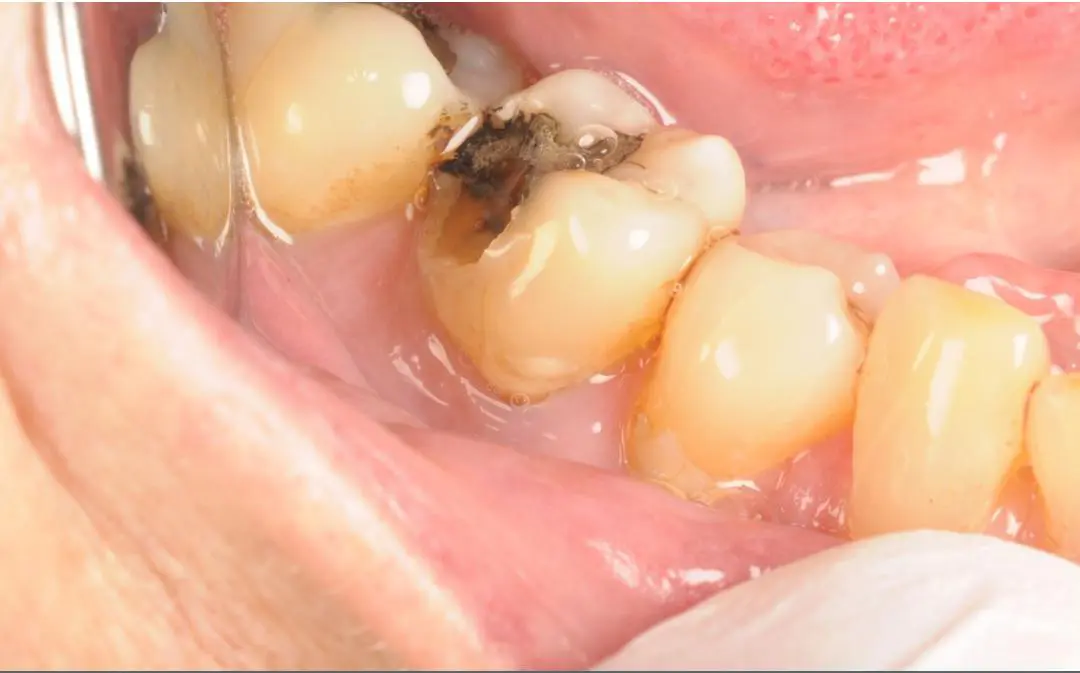
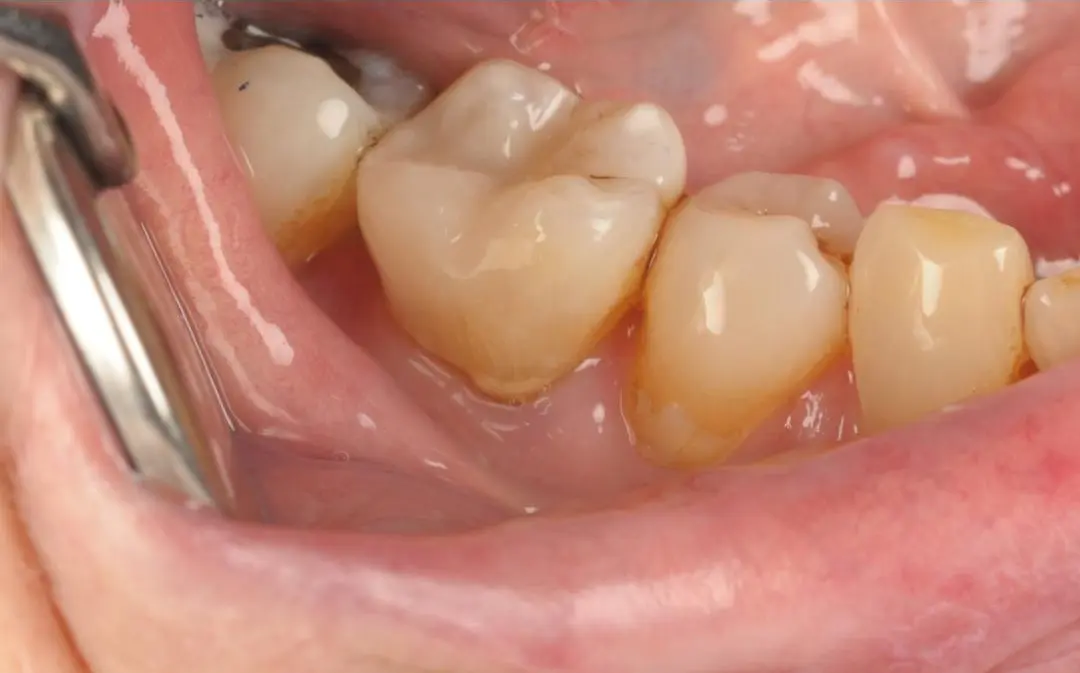
Real Patient Result: Emergency White Filling
Treatment by Dr Kamran
Difficulty opening the mouth, swallowing problems, or breathing difficulties associated with facial swelling require urgent professional evaluation. These symptoms may indicate severe injury or complications affecting vital functions. Additionally, numbness, tingling, or loss of sensation in facial areas suggests potential nerve involvement requiring clinical assessment.
Visual changes to teeth, including looseness, displacement, or fracture, should be evaluated professionally regardless of swelling severity, as underlying damage may not be immediately apparent.
Prevention and Protective Measures
Preventing dental trauma significantly reduces the risk of associated facial swelling and complications. Protective mouthguards during sports activities provide essential protection for teeth and supporting structures. Custom-fitted guards offer superior protection compared to over-the-counter alternatives, particularly for contact sports or activities with collision risks.
Environmental awareness helps prevent many traumatic incidents. Simple measures such as wearing seatbelts, avoiding hard foods that might cause fractures, and maintaining clear walkways can reduce trauma risks. For individuals with existing dental restorations or weakened teeth, discussing protective strategies with a dental professional can help prevent preventable injuries.
Regular dental check-ups enable early identification of conditions that might increase trauma susceptibility, such as tooth decay treatment needs or structural weaknesses requiring attention.
Supporting Recovery and Healing
Beyond immediate swelling management, several strategies support optimal healing following dental trauma. Maintaining good oral hygiene, whilst being gentle around injured areas, helps prevent secondary complications. Soft, cool foods during the initial healing period reduce mechanical irritation whilst providing necessary nutrition.
Adequate rest and hydration support the body's natural healing processes. Avoiding alcohol, tobacco, and unnecessary medications that might interfere with healing helps optimise recovery outcomes. Pain management should focus on appropriate, professional-recommended approaches rather than excessive self-medication.
Monitoring healing progress enables early identification of concerns requiring professional attention. Keeping a simple record of swelling changes, pain levels, and any new symptoms helps patients communicate effectively with dental professionals when evaluation is needed.
Long-term Considerations Following Dental Trauma
Some effects of dental trauma may not become apparent immediately, making follow-up care important even when initial swelling resolves successfully. Tooth vitality can be affected by trauma, potentially leading to complications weeks or months after the initial injury. Regular monitoring helps identify such delayed complications before they become more serious.
Changes in tooth sensation, colour, or comfort may indicate developing issues requiring professional evaluation. Even apparently minor trauma can sometimes affect tooth structure or nerve health in ways that become evident only with time. Understanding these possibilities helps patients remain appropriately vigilant during their recovery.
Maintaining excellent oral health following trauma supports long-term outcomes and may help prevent complications related to the initial injury. This includes consistent oral hygiene practices and regular dental check-ups to monitor healing progress.
Key Points to Remember
• Cold therapy during the first 24-48 hours helps manage initial swelling and discomfort
• Elevation whilst resting supports drainage and reduces fluid accumulation in facial tissues
• Professional evaluation is important for persistent, worsening, or concerning symptoms
• Protective measures such as mouthguards significantly reduce trauma risks during sports
• Follow-up care may be needed even when initial healing appears successful
• Good oral hygiene and overall health support optimal healing outcomes
Frequently Asked Questions
How long should facial swelling last after dental trauma?
Most facial swelling peaks within 24-48 hours after dental trauma and typically begins subsiding by the third day. Complete resolution usually occurs within one to two weeks, depending on injury severity and individual healing factors. Swelling that persists beyond this timeframe or worsens after initial improvement may indicate complications requiring professional evaluation. Factors such as age, overall health, and injury extent influence healing duration, making individual variation normal within reasonable limits.
Can I take anti-inflammatory medication to reduce swelling?
Anti-inflammatory medications can help reduce swelling and discomfort following dental trauma, but their use should be considered carefully. These medications may affect bleeding and healing processes, particularly important considerations immediately after trauma. Individuals taking other medications or with medical conditions should consult healthcare professionals before taking additional anti-inflammatory drugs. Professional guidance ensures safe, appropriate medication use that supports rather than interferes with optimal healing outcomes.
Should I apply ice directly to swollen areas?
Ice should never be applied directly to skin or swollen areas as this can cause tissue damage or frostbite. Instead, wrap ice packs in a thin cloth or towel before application, creating a protective barrier whilst allowing therapeutic cooling effects. Apply cold therapy for 15-20 minutes every hour during the first day, ensuring comfortable rather than painful cold sensations. This approach provides effective swelling management whilst protecting tissues from temperature-related injury.
When should facial swelling be considered a dental emergency?
Facial swelling becomes a dental emergency when accompanied by difficulty breathing, swallowing problems, or rapid spreading beyond the immediate injury area. Severe swelling that prevents mouth opening, causes vision problems, or is associated with high fever requires urgent professional attention. Signs of serious infection, including red streaking from the affected area, severe pain that worsens rather than improves, or general illness symptoms, also warrant emergency evaluation for patient safety.
Will facial swelling always occur after dental trauma?
Not all dental trauma results in facial swelling, as the inflammatory response depends on injury severity, location, and individual factors. Minor chips or small fractures may cause little visible swelling, whilst injuries involving soft tissues, tooth roots, or multiple teeth typically produce more pronounced responses. Individual variation in inflammatory responses means some people naturally develop more swelling than others following similar injuries, making the absence of swelling not necessarily indicative of injury severity.
Can facial swelling indicate serious underlying damage?
Facial swelling itself is typically a normal inflammatory response, but its characteristics can provide important information about underlying damage. Severe, rapidly worsening swelling may indicate significant tissue damage, infection, or complications affecting vital structures. Professional evaluation helps distinguish normal healing responses from concerning developments, ensuring appropriate care for both visible swelling and any underlying damage requiring treatment. The presence and pattern of swelling, combined with other symptoms, guide clinical assessment decisions.
Conclusion
Understanding how to manage facial swelling following dental trauma empowers patients to respond appropriately whilst supporting their body's natural healing processes. Proper immediate care, including cold therapy and elevation, helps minimise swelling and promote comfort during the crucial first 48 hours after injury. However, recognising when professional evaluation is needed ensures that underlying damage receives appropriate attention.
Prevention through protective measures such as mouthguards during sports significantly reduces trauma risks, whilst maintaining excellent oral health supports optimal outcomes when injuries do occur. The healing process requires patience, as complete recovery may take several weeks depending on injury severity and individual factors.
Successful management of facial swelling following dental trauma combines immediate self-care measures with professional guidance when indicated. Dental symptoms and treatment options should always be assessed individually during a clinical examination.
Disclaimer
This article is provided for educational and informational purposes only and is not intended as a substitute for professional dental advice, diagnosis, or treatment. Individual dental symptoms and treatment requirements vary significantly and can only be properly assessed through direct clinical examination by a qualified dental professional. The information presented should not be used for self-diagnosis or treatment decisions. Treatment suitability depends entirely on clinical evaluation and cannot be determined from written information alone. Patients experiencing dental trauma should seek prompt professional assessment.