
Summer holidays are a time of outdoor activities, travel, and sport — but they can also bring an increased risk of unexpected accidents, including dental trauma. Whether it's a child taking a tumble in the garden, a sports collision on the beach, or a fall during a cycling trip, tooth injuries happen more frequently than many people expect during warmer months.
When a dental injury occurs away from home or outside of normal clinic hours, many people understandably turn to the internet for guidance. Knowing what steps to take in the first few minutes after dental trauma can make a meaningful difference to the outcome.
This article aims to provide clear, educational first aid guidance for dental trauma during summer holidays. It covers the types of injuries that can occur, immediate steps you can take, the underlying dental science involved, and when to seek professional emergency dental care. While this information is intended to support you in the moment, it does not replace a clinical dental assessment, which should always be sought as promptly as possible.
Experiencing these symptoms?
Delaying treatment can lead to tooth loss. We have slots available today.
What Is First Aid for Dental Trauma?
First aid for dental trauma involves acting calmly and quickly to protect the injured tooth or surrounding tissues. For a knocked-out adult tooth, handle it by the crown, rinse gently without scrubbing, and attempt to reinsert it or store it in milk or saliva. Seek emergency dental care as soon as possible, ideally within 30–60 minutes.
Understanding Dental Trauma: What It Is and Why It Happens More in Summer
Dental trauma refers to any injury affecting the teeth, gums, surrounding bone, or soft tissues of the mouth. It can range from a minor chip or crack to a completely displaced or knocked-out tooth — a condition known clinically as avulsion.
Summer months tend to see a rise in dental injuries for several reasons:
Meet Dr. Yasha Shirazi
Principal Dentist at Emergency Dentist London
"We treat hundreds of dental emergencies every month. The sooner you come in, the easier the fix usually is."
Book an appointment with our team →- Increased outdoor and sporting activity: Cycling, swimming, skateboarding, football, and contact sports all carry a risk of facial impact.
- Children spending more time at play: School holidays mean children are running, climbing, and playing for longer periods without the structured environment of a school day.
- Travel and being away from home: People are often far from their regular dentist, which can make accessing timely care feel more challenging.
- Reduced access to routine dental care: Many dental practices operate reduced hours during bank holidays or summer periods.
Understanding why dental trauma occurs more commonly during summer can help individuals and families prepare in advance. Having a basic understanding of first aid steps and knowing where to access emergency dental care in London can significantly reduce anxiety if an injury does occur.
It is important to note that dental trauma can affect both children and adults, and the appropriate response may differ depending on the age of the patient and whether the tooth involved is a primary (baby) tooth or a permanent adult tooth.
Types of Dental Injuries You May Encounter
Not all dental trauma is the same. Understanding the type of injury you are dealing with can help you respond more appropriately while awaiting professional care.
Chipped or Fractured Teeth
A chipped tooth is one of the most common forms of dental trauma. Small chips to the outer enamel may not cause immediate pain, but larger fractures that expose the dentine or pulp tissue can cause significant sensitivity and discomfort. If a visible piece has broken away, a prompt assessment for broken tooth repair can help protect the remaining tooth structure.
Luxated Teeth (Displaced but Not Knocked Out)
A luxated tooth is one that has been pushed out of its normal position — either tilted, pushed deeper into the gum, or partially pulled out — but remains attached. This type of injury always requires prompt professional assessment.
Avulsed Teeth (Knocked-Out Teeth)
An avulsed tooth is a tooth that has been completely displaced from its socket. This is considered a dental emergency. The speed with which appropriate first aid is applied and professional care is accessed can influence the likelihood of successful reimplantation in adult teeth.
Soft Tissue Injuries
Lacerations or injuries to the lips, tongue, gums, or inner cheeks often accompany dental trauma. These can bleed significantly due to the rich blood supply in the oral region, which can initially appear alarming — though most minor soft tissue injuries respond well to gentle pressure.
Step-by-Step First Aid Guidance for Common Dental Trauma Scenarios
Knowing what to do in the immediate aftermath of a dental injury is the core purpose of this article. The following guidance is educational and intended to support you whilst seeking professional care. It does not constitute clinical advice.
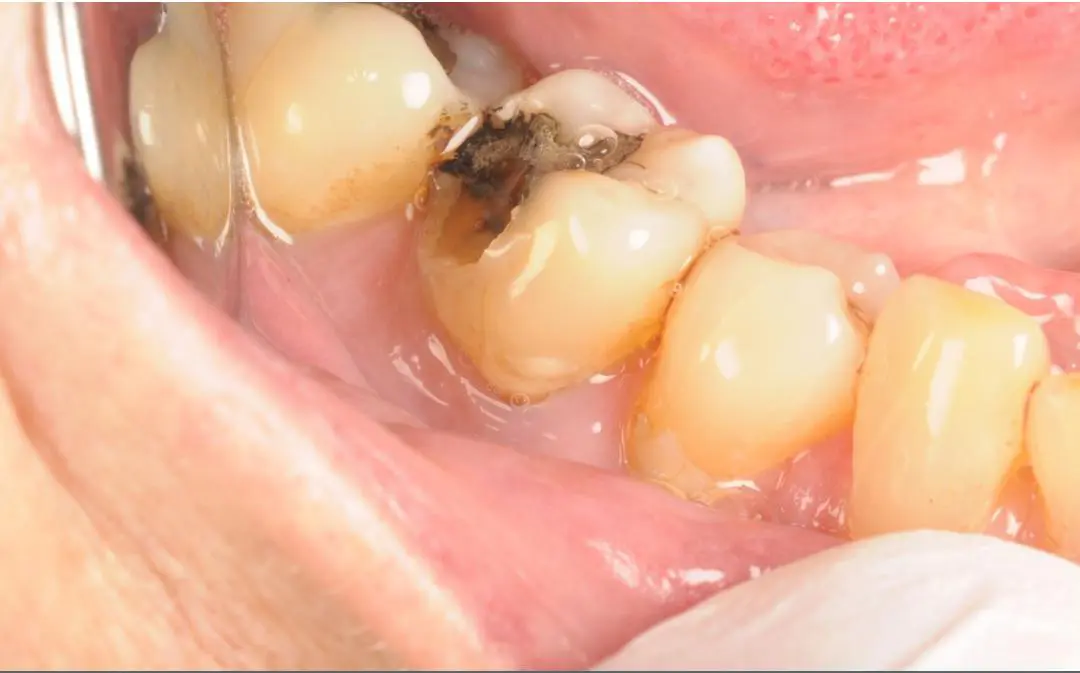
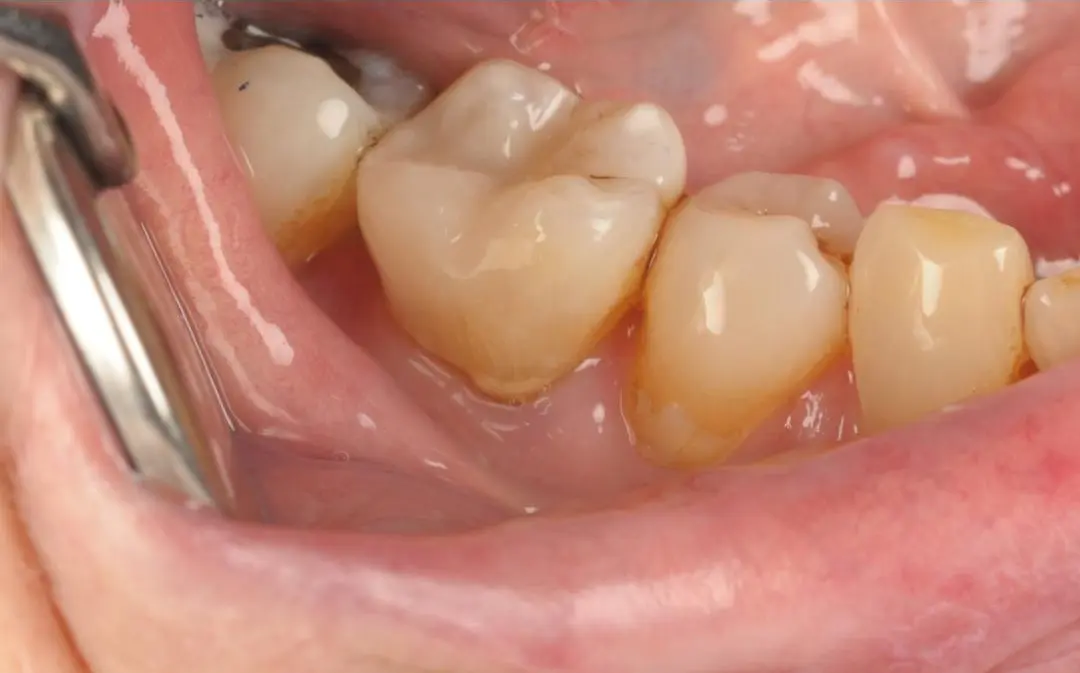
Real Patient Result: Emergency White Filling
Treatment by Dr Kamran
For a Knocked-Out (Avulsed) Permanent Adult Tooth
- Stay calm and locate the tooth immediately.
- Pick up the tooth by the crown (the white visible part) — do not touch the root.
- If the tooth is dirty, rinse it gently under clean water for no more than ten seconds. Do not scrub, use soap, or wrap it in tissue.
- Try to reinsert the tooth into the socket if the patient is conscious and cooperative. Hold it gently in place by biting softly on a clean cloth.
- If reinsertion is not possible, store the tooth in a small container of cold full-fat milk, the patient's own saliva, or a saline solution. Do not store it in water.
- Seek emergency dental care immediately — ideally within 30 to 60 minutes. Time is critical with avulsed teeth.
If you want a dedicated step-by-step explanation for avulsed permanent teeth, this guide on adult knocked-out tooth storage and first response can be useful alongside urgent clinical assessment.
Important: The guidance above applies to permanent adult teeth only. A knocked-out baby (primary) tooth should generally not be reimplanted, as doing so may affect the developing adult tooth beneath. Seek professional dental guidance promptly.
For a Chipped or Fractured Tooth
- Rinse the mouth gently with warm water.
- Apply a cold compress to the outside of the cheek if there is swelling or bruising.
- If a fragment of the tooth has broken off, keep it and bring it to your dental appointment.
- Avoid very hot, cold, or sweet foods that may aggravate sensitivity.
- Seek a dental assessment as soon as possible, even if pain is minimal, as fractures can extend deeper than they appear.
For a Displaced (Luxated) Tooth
- Do not attempt to reposition the tooth yourself.
- Apply a cold compress externally to manage swelling.
- Seek emergency dental care promptly.
For Soft Tissue Injuries
- Apply gentle, consistent pressure with a clean cloth or gauze to any bleeding areas.
- Rinse with cold water.
- If bleeding does not slow after 15–20 minutes of steady pressure, seek urgent medical or dental attention.
The Dental Science Behind Tooth Trauma: Why Acting Quickly Matters
To understand why prompt first aid and emergency dental care are so important, it helps to consider the anatomy of a tooth and what happens during trauma.
Each tooth is composed of several layers. The outermost layer, enamel, is the hardest substance in the human body. Beneath it lies dentine, a slightly softer, porous tissue that contains microscopic tubules connecting to the tooth's inner nerve and blood supply — the pulp.
When a tooth is knocked out completely, the periodontal ligament — a network of fibres that connects the tooth root to the surrounding bone — is severed. These ligament cells, which are essential for successful reimplantation, are highly sensitive. They can survive for a limited period outside the mouth if kept moist, which is why appropriate storage in milk or saliva is so important.
If these cells dry out, die, or become contaminated, the likelihood of successful long-term reimplantation is significantly reduced. This is why the first aid steps around handling, storing, and transporting an avulsed tooth are rooted in genuine dental science — not just precaution.
For fractures, the concern is different. A crack that extends into the dentine or reaches the pulp can allow bacteria to enter the tooth's internal structure, potentially leading to pulp inflammation or infection over time. This is why even a seemingly minor chip warrants professional assessment.
When to Seek Professional Emergency Dental Assessment
Dental trauma of any kind should generally be assessed by a dentist as soon as possible. However, certain situations call for particularly prompt attention:
- A knocked-out permanent adult tooth — time-sensitive; ideally assessed within 60 minutes
- A tooth that has been pushed out of alignment or into the gum
- Severe or worsening pain following any dental injury
- Visible fracture lines running below the gum line
- Significant facial swelling following impact
- Persistent bleeding from the gums or soft tissues that does not respond to pressure
- Numbness in the lips, tongue, or chin following a facial impact, which may require broader medical assessment
- Difficulty opening or closing the jaw after trauma
If you are in London and require same-day dental assessment following an injury, our team at Emergency Dentist in London can provide prompt clinical evaluation. The video below provides an overview of how we support patients with urgent dental concerns.
Pricing notice: Consultation fees, treatment costs, and appointment availability vary by clinical need, timing, and service. Any fee examples shown in embedded media are illustrative, may change, and are confirmed at the time of booking and clinical assessment.
What to Expect at an Emergency Dental Appointment for Trauma
Many patients feel uncertain about what happens when they attend an emergency dental appointment, particularly in an unfamiliar setting whilst on holiday or away from their usual practice.
A clinician will begin by taking a thorough history of how the injury occurred, when it happened, and what symptoms you are experiencing. They will carry out a visual examination of the affected area and may take dental X-rays to assess the extent of any damage to the tooth root, surrounding bone, or supporting structures.
Based on their findings, the clinician will discuss appropriate clinical options with you. These may include stabilisation of a displaced tooth, temporary or definitive restoration of a fractured tooth, or management of soft tissue injuries. The clinician will explain what has been found and what options may be suitable for your individual circumstances.
Treatment suitability is always determined by clinical assessment. No article, including this one, can substitute for that professional evaluation. If you are looking to understand more about dental trauma emergency assessment pathways, our clinical guidance page provides further information.
Preparing for Summer: Prevention and Oral Health Advice
Whilst it is not always possible to prevent accidents entirely, there are practical steps that can reduce the risk of dental trauma during summer activities.
Wear a Mouthguard During Contact Sports
A properly fitted mouthguard is one of the most effective ways to protect teeth during sport. Custom-fitted mouthguards, made by a dental professional, offer better fit and protection than over-the-counter alternatives. If you or your child participates regularly in contact sports, a professional mouthguard fitting is worth considering before the summer season begins.
Wear Helmets and Protective Gear
Activities such as cycling, skateboarding, and scooter riding carry a risk of facial impact. Helmets and appropriate protective gear can reduce the severity of injuries in the event of a fall.
Supervise Young Children During Play
Children between the ages of 2 and 5 are particularly susceptible to dental trauma during active play. Appropriate supervision and awareness of play environments can help reduce the risk.
Avoid Using Teeth as Tools
Using teeth to open packaging, bottles, or other items is a common cause of preventable fractures. Encourage children and adults alike to use appropriate tools instead.
Maintain Good General Oral Health
Teeth that are already weakened by untreated decay, large restorations, or existing cracks may be more susceptible to significant fracture under impact. Keeping up with routine dental check-ups helps ensure any existing structural vulnerabilities are identified and addressed. You can read more about preventative and routine dental care to support long-term oral health.
Key Points to Remember
- Dental trauma during summer holidays is more common due to increased sporting and outdoor activity.
- For a knocked-out adult tooth, act quickly: handle by the crown, store in milk or saliva, and seek emergency care within 60 minutes.
- Do not attempt to reimplant a knocked-out baby tooth — seek professional dental guidance instead.
- Even minor chips or cracks should be assessed by a dentist, as damage can extend deeper than it appears.
- Wearing a custom mouthguard during contact sports is one of the most effective ways to reduce the risk of dental trauma.
- Dental symptoms and treatment options should always be assessed individually during a clinical dental examination.
Frequently Asked Questions
Can a knocked-out tooth be saved?
In some cases, a knocked-out permanent adult tooth may be successfully reimplanted if appropriate first aid is applied promptly and the patient receives emergency dental care, ideally within 30 to 60 minutes. The outcome depends on several factors, including how the tooth was handled, how it was stored, and the extent of damage to the root's ligament cells. Every case is different, and a dentist will assess the situation clinically before advising on the most appropriate course of action.
What should I do if my child chips a tooth on holiday?
If your child chips a tooth, rinse their mouth gently with warm water and apply a cold compress to the outside of the face if there is any swelling. Collect any visible tooth fragment and bring it to the dental appointment. Seek dental assessment as soon as possible, even if your child is not in significant pain. X-rays may be needed to assess whether the fracture extends below the visible surface or affects the root.
Is dental trauma more common in children?
Yes, dental trauma is statistically more common in children, particularly between the ages of 2 and 5 during early walking and running development, and again during the school-age years when sporting and outdoor activities increase. However, dental trauma can and does occur in adults, particularly during contact sports, cycling accidents, or falls. Prevention measures such as mouthguards and helmets are relevant for all age groups.
What if I cannot find an emergency dentist while on holiday?
If you are abroad or in an unfamiliar area, begin first aid immediately using the steps outlined in this article. If you are in the UK, NHS 111 can provide guidance on locating urgent dental care in your area. If you are in London, specialist emergency dental services are available. Keeping a small dental first aid kit (including a tooth storage container or small sealed bag) when travelling can help you manage the immediate situation whilst accessing professional care.
Is it safe to reimplant a tooth myself?
For a permanent adult tooth, gentle reinsertion into the socket — if the patient is conscious, cooperative, and the socket appears unobstructed — can help preserve the periodontal ligament cells during transit to the dentist. However, this should only be attempted if it can be done gently and without force. It is never appropriate to attempt this with baby teeth. Any tooth that has been reimplanted at home still requires immediate professional assessment and stabilisation.
When should dental trauma be treated as a medical emergency?
Dental trauma should be assessed alongside broader medical concerns if there is any loss of consciousness, confusion, severe headache, vision changes, or numbness extending beyond the mouth following a head or facial impact. In these situations, attending an Accident and Emergency department or calling 999 is the appropriate first step, as these symptoms may indicate a more serious injury requiring urgent medical evaluation before dental treatment.
Conclusion
Dental trauma during summer holidays can be a distressing and unexpected experience, but being prepared with clear first aid guidance can make a meaningful difference in those critical first moments. Understanding how to handle a knocked-out tooth correctly, recognising the different types of dental injuries, and knowing when to seek professional emergency dental care are all important aspects of being ready for the unexpected.
First aid guidance for dental trauma provides valuable support in the short term — but it is not a substitute for professional clinical assessment. Whether the injury appears minor or significant, a dentist should always be consulted promptly to evaluate the extent of the damage and discuss appropriate management options.
Positive outcomes are more likely when first aid is applied correctly, care is sought quickly, and treatment decisions are made following a thorough examination by a qualified dental professional.
Dental symptoms and treatment options should always be assessed individually during a clinical examination.
If you or a member of your family experiences dental trauma this summer and you require same-day emergency dental care in London, our team is available to provide prompt assessment and support.
Disclaimer
This article is for general educational purposes only and is not a diagnosis or treatment recommendation.
Dental symptoms, treatment suitability, and outcomes vary by individual and require a face-to-face clinical examination.
Do not use this content for self-diagnosis or to delay seeking professional dental or medical care.
Any fees, offers, or availability examples are illustrative and are confirmed at booking and after assessment.
Content is written to align with GDC communication standards, CQC patient safety principles, and ASA CAP Code guidance.