
When an adult tooth is suddenly knocked out, most people feel shocked first and informed second. In those first few moments, it is common to search online for fast answers about a knocked-out permanent tooth, especially whether milk or saliva is the safest way to store it before seeing a dentist. That is understandable, because timing and handling both matter after dental trauma.
A knocked-out permanent tooth, also called an avulsed tooth, is one of the more time-sensitive dental injuries adults may face. The tooth itself, the root surface, and the surrounding tissues can all be affected by impact. Understanding what to do straight away may help protect the tooth whilst you arrange urgent care. Just as importantly, knowing what not to do can reduce avoidable damage.
This article explains why storage matters, whether milk or saliva is usually preferred, how replantation is assessed, and when professional dental advice may be needed. The information is educational and patient-focused. Treatment suitability, timing, and whether the tooth can be replanted all depend on individual clinical assessment.
Experiencing these symptoms?
Delaying treatment can lead to tooth loss. We have slots available today.
What should you do with a knocked-out permanent tooth?
For a knocked-out permanent tooth, hold the tooth by the crown rather than the root, keep it moist, and seek urgent dental assessment as soon as possible. Milk is usually preferred if available, whilst saliva may help for a short period when nothing else is accessible. Replantation suitability depends on clinical examination.
Why a knocked-out permanent tooth is time-sensitive
An adult tooth that has been completely displaced from the socket is different from a simple chip or crack. The root surface is covered by delicate living cells that help the tooth reconnect with the surrounding tissues if replantation is possible. Once these cells dry out or are damaged by rough handling, the outlook for the tooth may become less favourable.
That is why dental teams often describe a knocked-out permanent tooth as time-sensitive. It does not mean every case has the same outcome, but it does mean acting calmly and promptly is sensible. A shorter time out of the mouth, together with appropriate storage, may support better conditions for the dentist to assess the tooth and surrounding socket.
Meet Dr. Yasha Shirazi
Principal Dentist at Emergency Dentist London
"We treat hundreds of dental emergencies every month. The sooner you come in, the easier the fix usually is."
Book an appointment with our team →The injury itself may also involve more than the missing tooth. There may be bleeding from the socket, bruising to the lip, damage to nearby teeth, or trauma to the supporting bone. Even if the tooth looks intact, the surrounding structures still need careful examination. A dentist will consider how the injury happened, how long the tooth has been out, how it was stored, and whether replantation is clinically appropriate for that individual case.
If the accident involved a broader impact to the mouth or face, this guide to broken tooth care after an accident may also help you understand the wider trauma issues a dentist is likely to assess.
How to store a knocked-out permanent tooth in milk or saliva
If you find the tooth, pick it up by the crown, which is the part normally visible in the mouth. Avoid touching, rubbing, or scrubbing the root. If there is visible dirt, a very brief gentle rinse may be appropriate, but harsh cleaning should be avoided because it can damage the root surface. The goal is to keep the tooth moist without being rough with it.
Milk is usually preferred for storage because it helps protect the cells on the root surface better than plain water and is easy for many people to find quickly at home, work, or in a café. Saliva may also be used for a short period if milk is not available straight away. For example, the tooth may be placed carefully inside the cheek only if the person is alert and there is no risk of swallowing it. In some situations, a clean container with a small amount of saliva may be more practical.
If the injury also caused visible fractures to nearby teeth, the clinic's broken tooth repair service explains how associated trauma may be assessed and managed after examination. However, with a knocked-out tooth, storage and speed remain the immediate priorities. Avoid wrapping the tooth in tissue, leaving it on a dry surface, or soaking it in disinfectant or alcohol.
The dental science behind milk or saliva storage
The reason storage matters comes down to tooth biology rather than simple cleanliness. The outer root surface is covered by periodontal ligament cells. These cells help the tooth reattach to the supporting tissues if replantation is attempted. When they dry out for too long, their ability to function may reduce significantly.
Milk is often recommended because it is less damaging to those root surface cells than dry storage and because its balance of salts and fluid is generally more suitable than plain tap water. Water may seem harmless, but it is not regarded as the best storage medium for an avulsed tooth because it can affect the root cells differently. Saliva can help keep the tooth from drying out, but it is usually considered a second-choice option when milk is not available.
This science also explains why a tooth should not be scrubbed clean. The root may look dirty after an accident, yet aggressive handling can remove the very tissue a dentist hopes to preserve. Replantation decisions depend not only on storage medium, but also on how long the tooth has been out, whether the root is intact, the condition of the socket, and the overall oral trauma seen during examination.
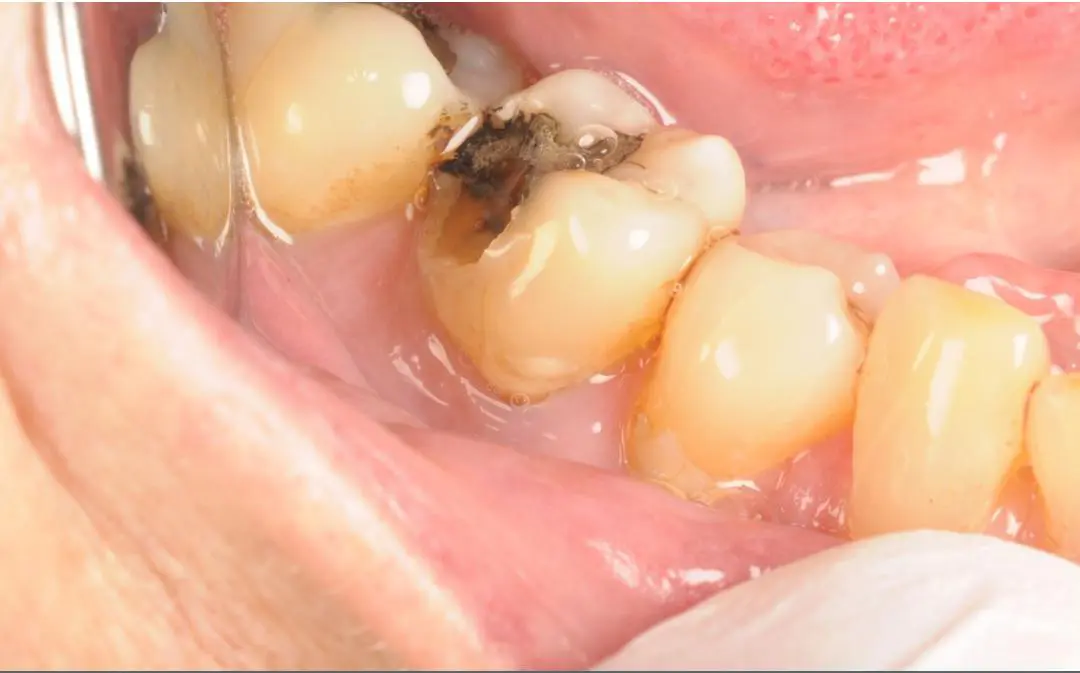
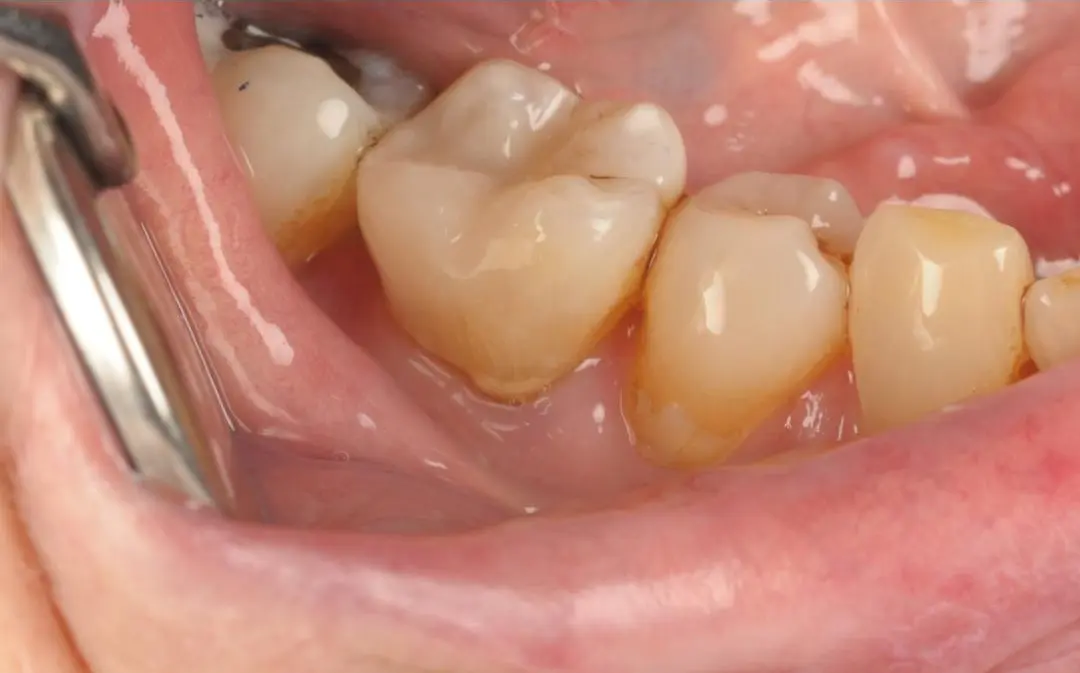
Real Patient Result: Emergency White Filling
Treatment by Dr Kamran
What you should avoid doing after the injury
After a dental injury, people often act out of panic rather than intention. A few common mistakes are worth avoiding. Do not hold the tooth by the root, as this can injure the cells needed for healing. Do not scrub it with a toothbrush, soap, tissue, or disinfectant. Do not leave it dry in a pocket, handbag, or wrapped in tissue whilst arranging transport.
It is also best to avoid forcing the tooth back into the socket unless you have been advised appropriately and feel able to do so safely. Replantation can be considered in some circumstances, but not every person or injury is suited to that step. If there is uncertainty, keeping the tooth moist and getting urgent professional advice is usually the safer course.
Try not to chew on the injured area, and avoid very hot drinks if the mouth is bleeding or tender. If there is swelling to the lip or cheek, a cold compress on the outside of the face may help with comfort. If other symptoms are present, such as dizziness, loss of consciousness, or suspected facial fracture, medical assessment may also be necessary in addition to dental care.
When professional dental assessment may be needed
Professional dental assessment is appropriate urgently when an adult permanent tooth has been knocked out, even if bleeding seems to have settled. The dentist needs to examine the socket, nearby teeth, gum tissues, bite, and any soft tissue injuries. Imaging may also be needed to check whether there is associated root damage, a fracture in the supporting bone, or trauma to adjacent teeth.
Assessment may be especially important if the tooth has been out of the mouth for more than a short period, if storage has been uncertain, if the tooth looks chipped or contaminated, or if the bite feels different after the accident. Some people also notice that other teeth feel loose or sore only once the initial shock wears off. These details matter because treatment planning depends on the full pattern of injury, not just the missing tooth itself.
If the injury happens outside routine hours, the clinic's weekend emergency dentist service may help you understand what urgent access options are available, and this article on how to handle a dental emergency during London weekends explains why delay can matter. Where there is heavy uncontrolled bleeding, difficulty breathing, or loss of consciousness, emergency medical care is the priority.
Treatment options a dentist may discuss after examination
Treatment for a knocked-out permanent tooth depends on several factors, including how long the tooth has been out, how it was stored, the stage of root development, and whether the surrounding tissues remain suitable for replantation. In some cases, the dentist may attempt to reinsert and stabilise the tooth. In others, the injury pattern or elapsed time may mean a different plan is more appropriate.
Follow-up is often important after replantation because the tooth may need monitoring for healing, mobility, infection, or internal pulp changes. Some teeth remain stable, whilst others may later develop symptoms or signs that further treatment is needed. Where the pulp becomes irreversibly affected, root canal treatment may be discussed as part of preserving the tooth after trauma.
If replantation is not suitable, the dentist will explain the findings and outline the reasonable options for restoring function and appearance. That discussion should always be tailored to the individual patient, the position of the tooth, overall oral health, and the condition of the neighbouring structures. A careful examination is what turns first aid into a safe, clinically appropriate treatment plan.
Prevention and oral health advice after dental trauma
Not every accident can be prevented, but a few practical steps may reduce risk in future. Adults who play contact sports or higher-impact recreational activities may wish to consider a well-fitted mouthguard. This does not remove risk entirely, but it may help reduce the severity of dental trauma in some situations. If you have existing crowns, fillings, or previous trauma, regular dental reviews may also help identify teeth that could be more vulnerable.
After a tooth injury, follow any aftercare advice closely and attend recommended reviews. Teeth affected by trauma sometimes change over time. A tooth that initially seems fine may later become sensitive, darker in colour, or uncomfortable on biting. Monitoring helps the dental team detect these changes early and discuss suitable next steps.
Good daily oral hygiene still matters after trauma. Gentle brushing with fluoride toothpaste, sensible sugar intake, and keeping follow-up appointments all support long-term oral health. If you have had one traumatic dental injury, it is often worth reviewing how it happened so that sport, travel, work, or home routines can be adjusted where practical.
Key Points to Remember
- A knocked-out permanent tooth should be handled by the crown, not the root.
- Milk is usually preferred for storage if available, whilst saliva may help for a short period if milk is not accessible.
- The tooth should be kept moist and assessed urgently by a dentist.
- Scrubbing, drying, or storing the tooth in tissue can reduce the chance of successful management.
- Treatment suitability depends on timing, storage, associated injuries, and clinical examination.
- Follow-up may still be needed even after the immediate emergency has been managed.
Frequently Asked Questions
Is milk better than saliva for a knocked-out permanent tooth?
In general, milk is usually preferred over saliva for storing a knocked-out permanent tooth because it is considered more supportive of the delicate cells on the root surface. It is also easy to place the tooth into a clean container of milk without needing to hold it in the mouth. Saliva may still be useful for a short time if milk is not available, but it is often treated as a second-choice option rather than the ideal one. In either case, the main priority is to stop the tooth from drying out and to arrange urgent dental assessment as quickly as possible.
Can I put a knocked-out adult tooth back in myself?
Sometimes people are advised that immediate replantation may be possible, but that does not mean it is suitable or safe in every situation. The person needs to be calm, alert, and able to manage the tooth gently without risk of swallowing it, and the socket area should be considered as well. If there is uncertainty, contamination, significant pain, or concern about other injuries, keeping the tooth moist and seeking urgent professional assessment is usually more sensible. A dentist can then decide whether replantation is clinically appropriate based on the tooth, socket, and surrounding trauma.
How long can a knocked-out permanent tooth stay out of the mouth?
The sooner a knocked-out permanent tooth is assessed, the better, because the root surface cells are sensitive to drying. Many people hear the 30 to 60 minute window discussed, but this should be understood as general guidance rather than a guarantee. Some teeth may still be assessed and managed after longer periods, depending on storage conditions and the details of the injury. What matters most is avoiding dry storage, handling the tooth carefully, and seeking urgent dental advice promptly. A clinical examination is needed to judge what options remain appropriate for the specific case.
Should I clean the root if the tooth fell onto the ground?
It is understandable to want to clean the tooth thoroughly, but the root should not be scrubbed, brushed, or wiped aggressively. The root surface contains delicate tissue that may be important if replantation is considered. If the tooth is visibly dirty, a very brief gentle rinse may be appropriate, but the aim is not to make it perfectly clean. It is more important to avoid damaging the root and to place the tooth into a suitable moist environment such as milk. A dentist can then assess the tooth properly and decide on the safest next step.
What if the tooth was dry for a while before I found it?
Even if the tooth has been dry for a period, it is still worth seeking urgent dental advice rather than assuming nothing can be done. The dentist will assess the time out of the mouth, the condition of the root, the socket, and any associated injuries before discussing appropriate options. In some cases, the treatment aim may differ from ideal immediate replantation, but professional assessment is still important for pain control, infection risk, and planning what happens next. Trying to judge the outlook alone at home is not reliable, because suitability depends on the clinical findings.
Conclusion
If an adult permanent tooth is knocked out, the first priorities are calm handling, keeping the tooth moist, and arranging urgent professional advice. For a knocked-out permanent tooth, milk is usually the preferred storage option if it is available quickly, whilst saliva may help for a short period when nothing better is to hand. What matters most is preventing the root from drying out and avoiding unnecessary damage.
Although online advice can help you act promptly, the most suitable next step always depends on the details of the injury and what a dentist finds during examination. Early care may help preserve more options, but no outcome can be guaranteed. Good prevention, sensible first aid, and timely assessment all have an important role.
Dental symptoms and treatment options should always be assessed individually during a clinical examination.
Disclaimer
This article is for general educational purposes only and does not constitute professional dental advice, diagnosis, or treatment. Every patient's circumstances are unique; dental symptoms and treatment options should always be assessed during a clinical examination by a qualified dental professional. No specific outcomes are guaranteed. This content has been prepared in line with GDC, CQC, ASA CAP Code, and GMC communication standards. If you have concerns about your oral health, please contact a registered dentist.