
Few things feel quite as unsettling as experiencing sudden dental pain or an unexpected oral injury on a Saturday or Sunday, when most dental practices across the capital are closed. It is one of the most common concerns patients share with us — the worry about what to do when a dental emergency during London weekends strikes without warning. Whether it is a knocked-out tooth after a weekend football match in Hyde Park, a throbbing abscess that flares up on a Sunday morning, or a broken crown while enjoying dinner out, the uncertainty about where to turn can feel overwhelming.
This is precisely why so many Londoners search online for urgent dental guidance outside of regular working hours. Understanding how to respond calmly and appropriately in those first critical minutes can make a meaningful difference to the outcome, helping to preserve teeth, manage discomfort, and reduce the risk of complications.
In this article, we will explain the most common types of weekend dental emergencies, the practical steps you can take at home before reaching a dentist, the clinical science behind why prompt action matters, and how to access emergency dental care across London when you need it most. Our aim is to help you feel informed, prepared, and reassured.
Experiencing these symptoms?
Delaying treatment can lead to tooth loss. We have slots available today.
What Counts as a Dental Emergency During London Weekends?
A dental emergency during London weekends is any sudden dental problem that requires timely professional attention to relieve severe pain, stop ongoing bleeding, save a tooth, or address an infection. Not every dental issue qualifies as a true emergency, but knowing the difference helps you make the right decision about seeking care.
Generally, situations that may be considered dental emergencies include:
- A knocked-out (avulsed) permanent tooth — for example, from a sports injury or accidental fall
- Severe, persistent toothache that does not respond to over-the-counter pain relief
- A dental abscess — a swelling that may be accompanied by a raised temperature, difficulty swallowing, or facial swelling
- A broken, cracked, or fractured tooth with sharp edges causing soft tissue injury or significant pain
- Uncontrolled bleeding following a recent extraction or oral trauma
- A loose or displaced tooth after an impact
- A lost filling, crown, or bridge exposing sensitive tooth structure
On the other hand, minor concerns such as a small chip with no pain, mild sensitivity, or a slightly loose orthodontic wire, whilst still worth addressing, can often wait until the next available routine appointment. If you are ever unsure, contacting an emergency dental service for telephone guidance is a sensible first step.
Meet Dr. Yasha Shirazi
Principal Dentist at Emergency Dentist London
"We treat hundreds of dental emergencies every month. The sooner you come in, the easier the fix usually is."
Book an appointment with our team →Immediate Steps to Take Before Reaching a Dentist
When a dental emergency occurs at the weekend, the actions you take in the first few minutes can be genuinely important. Here are some practical steps for the most common scenarios.
Knocked-out tooth: Handle the tooth only by the crown (the white part you normally see). Avoid touching the root. If the tooth is clean, try to gently place it back into the socket and hold it there by biting softly on a clean cloth. If that is not possible, store the tooth in a small container of milk or the patient's own saliva. Time matters — ideally, you should see a dentist within 30 to 60 minutes.
Severe toothache: Rinse your mouth gently with warm salt water. Take over-the-counter pain relief such as paracetamol or ibuprofen, following the dosage instructions on the packaging. Avoid placing aspirin directly against the gums, as this can cause tissue damage.
Dental abscess: Do not attempt to burst or drain the swelling yourself. Rinse with mild salt water to help draw some of the infection towards the surface. Seek professional dental care promptly, as untreated abscesses may worsen.
Broken or chipped tooth: Save any fragments if possible. Rinse your mouth with warm water and apply a cold compress to the outside of the cheek to help manage swelling.
These are temporary measures only. A professional clinical assessment is always needed to determine the appropriate treatment.
The Clinical Science Behind Dental Emergencies
Understanding a little about why dental emergencies cause pain and why they require prompt attention can help patients appreciate the importance of seeking timely care.
Your teeth are made up of several layers. The outermost layer, enamel, is the hardest substance in the human body, yet it can still crack or fracture under sudden force. Beneath the enamel lies dentine, a slightly softer, porous layer containing millions of tiny tubules (microscopic channels) that connect to the innermost part of the tooth — the dental pulp. The pulp contains the tooth's nerve supply and blood vessels.
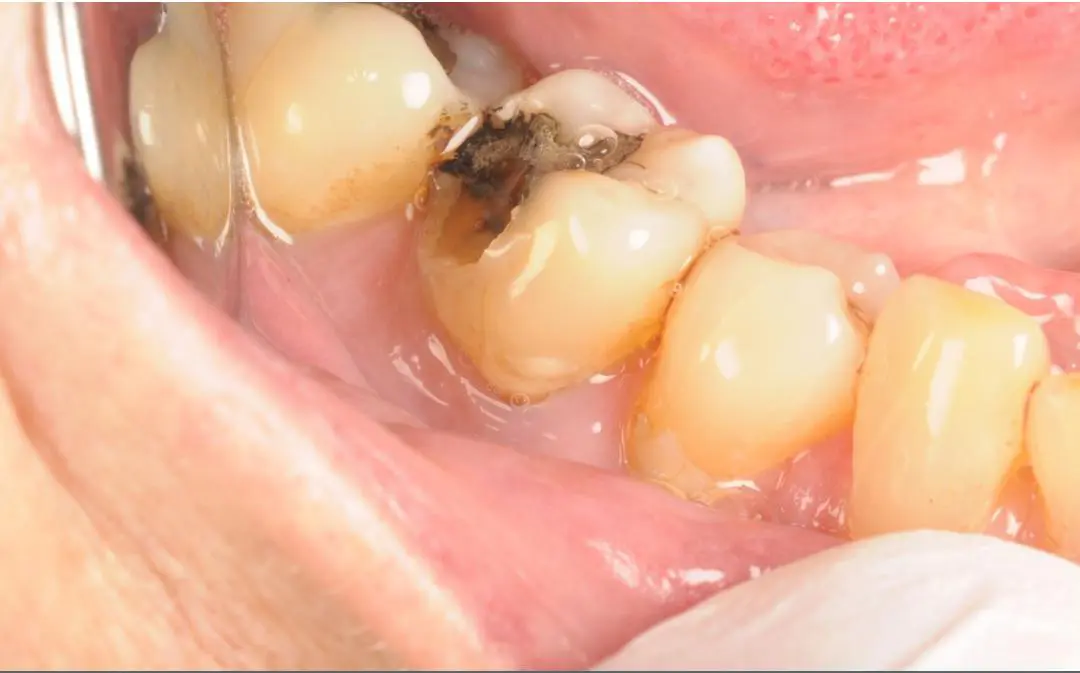
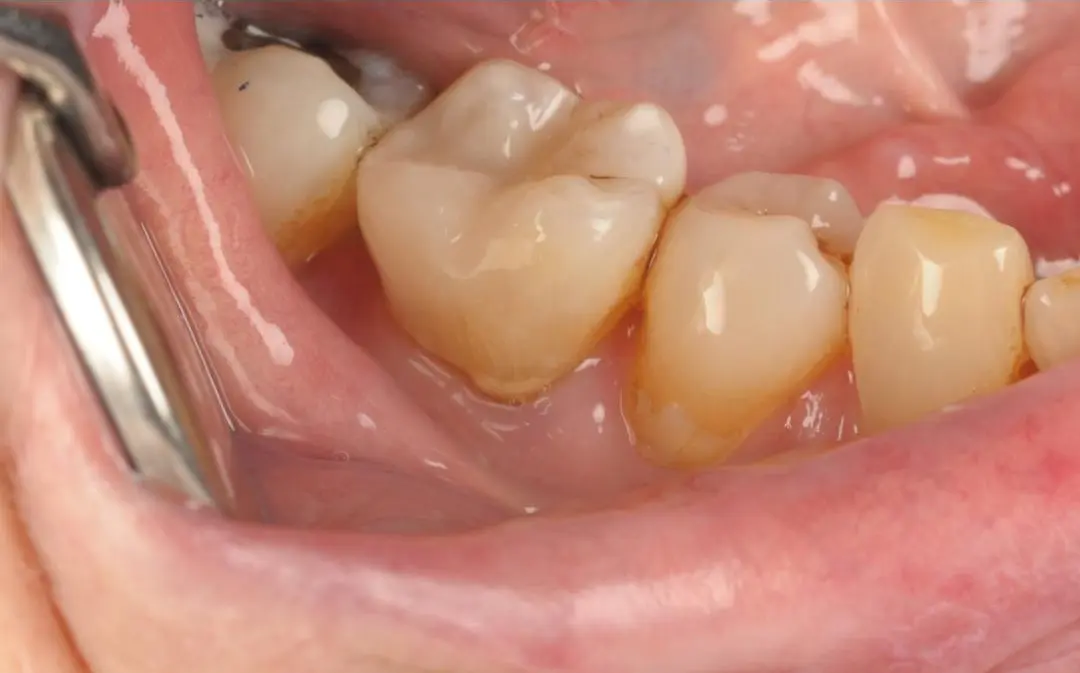
Real Patient Result: Emergency White Filling
Treatment by Dr Kamran
When a tooth is broken, deeply decayed, or knocked out of position, the dentine and sometimes the pulp become exposed. External stimuli such as air, temperature changes, and bacteria can then reach the nerve, triggering significant pain signals. This is why a fractured tooth can suddenly become extremely sensitive.
In the case of a dental abscess, bacteria from decay or gum disease penetrate through the tooth or surrounding tissues and reach the pulp or the bone around the root tip. The body's immune response creates a localised pocket of infection (pus), leading to swelling, throbbing pain, and sometimes systemic symptoms like fever.
When a tooth is knocked out entirely, the periodontal ligament — the delicate tissue connecting the tooth root to the jawbone — begins to dry out and deteriorate very quickly. This is why replanting the tooth within the first hour, while keeping it moist, gives the best chance of the ligament cells surviving and reattaching.
How to Find Emergency Dental Care in London at Weekends
London is one of the better-served cities in the UK for accessing dental care outside of normal hours, but knowing your options in advance can save valuable time when an emergency arises.
NHS 111: Calling 111 is often a good starting point. The service operates 24 hours a day, seven days a week, and can direct you to an NHS emergency dental clinic in your area. They can also offer initial advice on managing your symptoms.
Private emergency dental clinics: Several private dental practices across London offer dedicated weekend and out-of-hours emergency appointments. These services often provide shorter waiting times and same-day treatment for urgent concerns. If you are experiencing a dental emergency, an emergency dentist in London may be able to see you promptly, even on Saturdays and Sundays.
Hospital A&E departments: Accident and Emergency is generally appropriate only for severe facial trauma, uncontrollable bleeding, or significant swelling that affects breathing or swallowing. Most hospitals do not have dental facilities for routine emergency dental treatment, so attending A&E for a toothache alone is unlikely to result in definitive dental care.
Pharmacy advice: For mild-to-moderate pain management while waiting for an appointment, a pharmacist can advise on appropriate over-the-counter pain relief and may supply temporary filling materials or dental repair kits for short-term use.
Planning ahead by saving an emergency dental contact number in your phone can be extremely helpful.
Common Weekend Dental Emergencies and How They Are Typically Managed
It can be reassuring to understand how a dentist may approach common emergencies. Please note that all treatment decisions depend on a thorough clinical examination, and the information below is intended as a general educational guide.
Toothache and decay-related pain: The dentist will examine the tooth, often with the aid of a dental radiograph (X-ray), to identify the cause. Treatment may involve removing decayed tissue and placing a temporary or permanent restoration. If the pulp is infected, root canal treatment may be discussed as a potential option to save the tooth.
Knocked-out teeth: If the tooth has been preserved appropriately and the patient attends promptly, the dentist may attempt to replant the tooth and splint it to adjacent teeth for stability while healing occurs. Success depends on many factors, including the time elapsed and the condition of the root surface.
Broken teeth: Depending on the extent of the fracture, treatment may range from smoothing a minor chip and placing a bonded composite restoration, to more extensive procedures such as a crown. In cases where the fracture extends below the gum line, extraction may sometimes be the most appropriate course of action.
Abscesses: The dentist may drain the abscess if indicated, and antibiotics might be prescribed in certain circumstances according to clinical guidelines. Definitive treatment of the underlying cause — whether through root canal therapy or extraction — is typically planned as a follow-up.
When Professional Dental Assessment May Be Needed
While minor dental discomfort can sometimes settle on its own, certain signs and symptoms suggest that a professional dental evaluation would be advisable. Being aware of these indicators can help you make an informed decision about seeking care.
You may wish to consider contacting a dentist if you experience:
- Persistent or worsening tooth pain that lasts more than a day or two and does not respond to standard pain relief
- Facial swelling, particularly if it is spreading, affecting the eye area, or making it difficult to open your mouth fully
- A raised temperature accompanied by dental pain, which may indicate the presence of infection
- Bleeding from the mouth that does not stop after applying firm pressure with clean gauze for 15 to 20 minutes
- A tooth that has been knocked out, loosened, or displaced following an injury
- Difficulty swallowing or breathing alongside dental or facial swelling — this requires immediate medical attention
It is always better to seek advice if you are unsure about the severity of your symptoms. Early assessment can often lead to simpler, more conservative treatment outcomes.
Please note: Any prices referenced in the above video are indicative and may vary. A full treatment plan with associated costs will be provided following an individual clinical consultation.
Prevention and Oral Health Advice to Reduce Weekend Emergencies
While not every dental emergency can be prevented, there are practical steps that may help reduce your risk.
Maintain regular dental check-ups. Routine examinations allow your dentist to identify early signs of decay, cracks, or gum disease before they develop into urgent problems. Many weekend emergencies stem from issues that could have been detected and managed earlier.
Wear a mouthguard during sports. If you participate in contact sports, rugby, football, martial arts, or even activities like cycling and skateboarding, a properly fitted mouthguard can significantly reduce the risk of dental trauma. If a shop-bought guard has let you down, a custom-fit mouthguard from your dentist tends to offer better protection and comfort than generic varieties.
Be mindful of hard foods. Biting down on hard sweets, ice cubes, olive stones, or popcorn kernels is a common cause of cracked and fractured teeth. Being conscious of what you chew — particularly if you have existing large fillings or crowns — can help avoid unexpected breakages.
Practice good oral hygiene. Brushing twice daily with a fluoride toothpaste and cleaning between your teeth with interdental brushes or floss helps to prevent the decay and gum disease that underlie many dental emergencies.
Address dental issues promptly. If your dentist recommends treatment for a weakened tooth, a deep cavity, or early signs of infection, attending to it promptly may help prevent a more serious emergency from developing later. For patients needing tooth extraction or other planned procedures, completing treatment in good time can reduce the likelihood of complications arising unexpectedly at weekends.
Key Points to Remember
- A dental emergency during London weekends can include severe toothache, a knocked-out tooth, a dental abscess, uncontrolled bleeding, or a broken tooth causing significant pain.
- Act quickly but calmly — preserve knocked-out teeth in milk, manage pain with appropriate over-the-counter medication, and avoid home remedies that could cause further harm.
- Contact NHS 111 or a private emergency dental service for guidance and to arrange a prompt appointment.
- Hospital A&E is generally appropriate only for severe facial trauma, uncontrolled bleeding, or swelling that affects breathing or swallowing.
- Prevention through regular check-ups, good oral hygiene, mouthguard use during sports, and timely treatment of dental concerns can help reduce the risk of emergencies.
- Every dental situation is individual — treatment suitability and outcomes depend on a clinical examination by a qualified dental professional.
Frequently Asked Questions
Can I go to A&E for a toothache at the weekend in London?
Hospital Accident and Emergency departments in London can assess you if you have severe facial swelling affecting your airway, significant uncontrolled bleeding, or facial trauma involving fractures. However, most A&E departments do not have the dental equipment or staffing to provide definitive dental treatment such as fillings, extractions, or root canal procedures. For dental pain, contacting NHS 111 or a private emergency dental clinic is usually a more effective route to receiving appropriate care. They can arrange an appointment with a dentist who has the correct instruments and training to address your specific dental concern.
What should I do if my child knocks out a baby tooth at the weekend?
If a baby (primary) tooth has been knocked out, it is generally advised not to attempt to replant it, as doing so could potentially damage the developing permanent tooth underneath. Clean the area gently, apply light pressure with clean gauze if there is bleeding, and offer your child appropriate pain relief. Contact a dentist or NHS 111 for advice. If a permanent tooth has been knocked out in an older child, follow the steps outlined earlier — keep the tooth moist in milk and seek emergency dental care as quickly as possible.
How quickly should I see a dentist for a dental abscess?
A dental abscess should be assessed by a dental professional as soon as reasonably possible. While an abscess may sometimes be managed with pain relief and salt water rinses in the short term, it will not resolve on its own without professional treatment. If you develop significant facial swelling, difficulty swallowing, a high temperature, or feel generally unwell, seek urgent care promptly. In rare cases where swelling affects your ability to breathe or swallow, attend A&E or call 999 immediately.
Are emergency dental appointments available on Sundays in London?
Yes, several dental practices across London offer emergency appointments on Sundays, particularly private clinics that provide dedicated out-of-hours services. Availability can vary, so it is advisable to telephone ahead. NHS 111 can also direct you to NHS emergency dental clinics that may operate on Sundays, though these services can sometimes have longer waiting times depending on demand. Saving the contact details of a weekend emergency dental provider in advance is a sensible precaution.
Will I need antibiotics for a dental emergency?
Antibiotics are not routinely prescribed for all dental emergencies. Current UK clinical guidelines recommend that antibiotics should be used only when there are clear signs of spreading infection or systemic involvement, such as fever, significant swelling, or the patient being medically compromised. For most localised dental pain and infection, the primary treatment involves addressing the source — for example, draining an abscess, removing decay, or extracting a tooth. Your dentist will assess your individual situation and prescribe antibiotics only if clinically indicated.
How much does an emergency dental appointment typically cost at the weekend?
Costs for emergency dental care at the weekend vary depending on whether you attend an NHS or private clinic and the complexity of the treatment required. NHS emergency dental charges are set according to the standard NHS banding system. Private emergency dental fees may differ between practices, but many clinics are transparent about their consultation fees and will discuss treatment costs before proceeding. It is always reasonable to ask about fees when booking your appointment so that you can make an informed decision.
Conclusion
Experiencing a dental emergency during London weekends can be stressful, but knowing how to respond and where to seek help can make a significant difference. By understanding the most common emergency scenarios, taking appropriate immediate steps, and contacting a dental professional promptly, you can help protect your oral health and improve the prospects for successful treatment.
Prevention remains the most effective strategy — attending regular dental check-ups, practising thorough daily oral hygiene, wearing protective mouthguards during sports, and addressing developing dental problems before they escalate can all help to reduce the likelihood of an unexpected weekend crisis.
If you or a family member experience dental symptoms at the weekend that concern you, we encourage you to seek professional dental guidance rather than waiting and hoping the problem resolves on its own. Early assessment often leads to more straightforward and comfortable treatment.
Dental symptoms and treatment options should always be assessed individually during a clinical examination.
Disclaimer
This article is for general educational purposes only and does not constitute professional dental advice, diagnosis, or treatment. Every patient's circumstances are unique; dental symptoms and treatment options should always be assessed during a clinical examination by a qualified dental professional. No specific outcomes are guaranteed. This content has been prepared in line with GDC, CQC, ASA CAP Code, and GMC communication standards. If you have concerns about your oral health, please contact a registered dentist.