
A sudden toothache, a chipped tooth, or an unexpected dental infection can be distressing at any time — but when it happens whilst you are travelling abroad, the anxiety can feel significantly greater. Many overseas tourists visiting London find themselves searching online for answers to an urgent question: can I access emergency dental care in the UK without an NHS number?
The short answer is yes. Emergency dental care for overseas tourists is available in London through private dental clinics, and in some limited circumstances through the NHS. However, knowing your options in advance — and understanding how the system works — can make a stressful situation much easier to navigate.
This article explains how overseas visitors can access emergency dental care in London, what to expect when registering without an NHS number, what treatments may be available, and when it is important to seek professional dental assessment without delay.
Experiencing these symptoms?
Delaying treatment can lead to tooth loss. We have slots available today.
Can Overseas Tourists Get Emergency Dental Care in the UK Without an NHS Number?
Yes. Overseas tourists can access emergency dental care in London without an NHS number by visiting a private dental clinic. Private practices do not require NHS registration and may be able to assess dental emergencies at short notice, subject to availability and clinical need. NHS emergency treatment may also be available in certain circumstances, though access is limited and eligibility criteria apply.
Understanding Your Dental Care Options as a Visitor to the UK
When a dental emergency arises during a visit to London, it is helpful to understand the two main routes available to overseas tourists: private dental care and NHS urgent dental care.
Private dental clinics are generally the most accessible option for visitors. They do not require an NHS number, prior registration, or proof of UK residency. You can typically contact a private emergency dentist directly, explain your symptoms, and be seen on the same day or within a short timeframe. Treatment costs are paid directly by the patient, and many clinics will provide a clear fee estimate before proceeding.
Meet Dr. Yasha Shirazi
Principal Dentist at Emergency Dentist London
"We treat hundreds of dental emergencies every month. The sooner you come in, the easier the fix usually is."
Book an appointment with our team →NHS urgent dental care is more limited for overseas visitors. NHS dental treatment is primarily intended for UK residents, and eligibility for free or subsidised care depends on a range of factors including immigration status and nationality. Some visitors from countries with reciprocal healthcare agreements with the UK may have partial entitlements, though dental care is often excluded or restricted under such agreements.
For many overseas tourists, a private emergency dental clinic in London is often the most straightforward route to care, subject to availability. It is sensible to check that the clinic is registered with the Care Quality Commission (CQC) and that its dentists are on the General Dental Council (GDC) register.
How to Register at a Private Dental Clinic Without an NHS Number
One of the most common concerns for overseas visitors is the registration process. At a private dental clinic, the process is typically straightforward and does not require an NHS number.
When you contact or arrive at a private practice as an emergency patient, you will generally be asked to provide:
- Your name and date of birth
- A contact number or email address
- Details of your dental symptoms or concern
- Your travel insurance information (if applicable)
That is usually sufficient to begin the registration process. Your NHS number is not required, and the absence of one will not prevent you from being assessed or treated. The same applies if you are not registered with a dentist in the UK.
It is worth noting that many travel insurance policies include dental emergency cover. Before travelling, it is advisable to review your policy documents and keep the insurer's emergency contact number to hand. Some clinics may be able to liaise with insurers on your behalf, though this varies by clinic and policy, and you remain responsible for confirming your cover.
Common Dental Emergencies Experienced by Tourists
Dental emergencies can take various forms. Some of the more frequently encountered situations among overseas visitors include:
- Acute toothache caused by tooth decay, infection, or an exposed nerve
- A cracked or broken tooth as a result of an accident or biting on something hard
- A lost filling or crown, which can cause sensitivity and discomfort
- Dental abscess, presenting as swelling, pain, and sometimes a raised temperature
- Soft tissue injuries to the lips, tongue, or gums
Each of these situations warrants a professional dental assessment. Symptoms can vary significantly in severity, and only a qualified dentist can determine the most appropriate course of action following an examination.
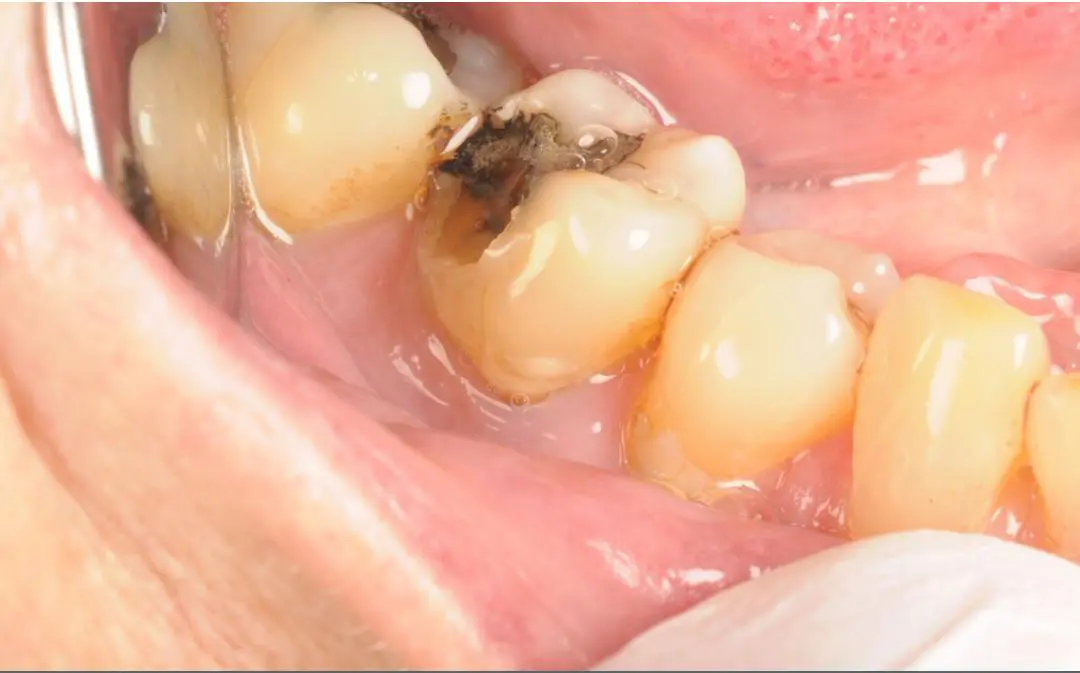
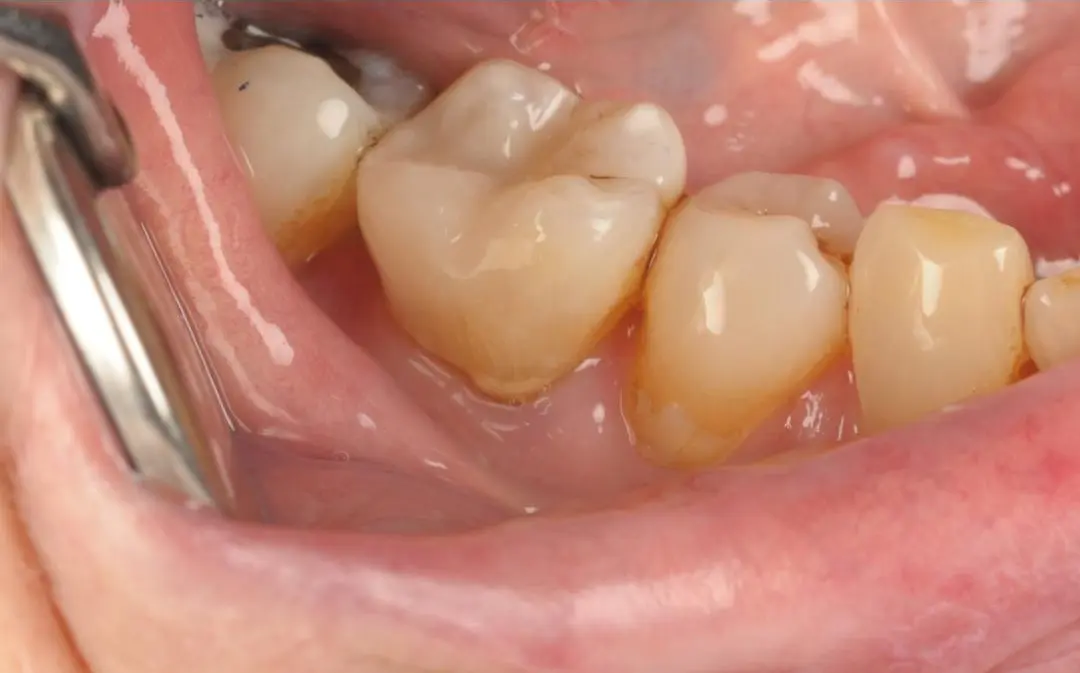
Real Patient Result: Emergency White Filling
Treatment by Dr Kamran
The Clinical Background: Why Dental Emergencies Can Escalate
Understanding why some dental problems become urgent can help patients make timely decisions. The mouth contains a complex network of nerves, blood vessels, and soft tissues. When tooth decay progresses without treatment, bacteria can reach the inner pulp of the tooth — the soft tissue containing nerves and blood vessels — resulting in significant pain and, in some cases, infection.
A dental abscess, for instance, occurs when a bacterial infection leads to a collection of pus either within the tooth or in the surrounding gum tissue. Without appropriate dental assessment and treatment, infection has the potential to spread. This is one reason why dental professionals consistently advise against delaying care when symptoms are present.
Cracked or broken teeth can also expose the sensitive inner layers of the tooth structure, leading to pain, temperature sensitivity, and increased vulnerability to infection. Early assessment allows a dentist to evaluate the extent of any damage and discuss suitable options with the patient.
When You Should Seek Dental Assessment Promptly
Whilst not every dental concern requires immediate attention, certain symptoms suggest that a professional evaluation would be beneficial sooner rather than later:
- Persistent or worsening toothache that does not settle with over-the-counter pain relief
- Visible swelling around the face, jaw, or gums
- A dental abscess or any sign of pus
- A tooth that has been knocked out or displaced as a result of an injury
- Difficulty opening the mouth or swallowing
- Bleeding that does not stop following a soft tissue injury
If you experience facial swelling accompanied by difficulty breathing or swallowing, this requires urgent medical attention at an A&E department rather than a dental clinic, as it may indicate a spreading infection.
For other dental concerns, contacting an emergency dentist for tourists in London as promptly as possible is generally advisable.
Practical Steps to Take During a Dental Emergency Abroad
If you find yourself experiencing a dental emergency whilst visiting London, the following practical steps may help:
- Stay calm. Many dental emergencies, whilst uncomfortable, can be effectively managed with timely professional care.
- Search for a private emergency dental clinic in the area where you are staying, and check that it is CQC-registered with GDC-registered dentists.
- Contact your travel insurer to understand your cover and obtain any required authorisation before treatment if your policy requires it.
- Keep the tooth if it has been knocked out — place it in milk or hold it gently between your cheek and gum, and seek dental attention as quickly as possible.
- Use over-the-counter pain relief as directed on the packaging to manage discomfort whilst arranging your appointment.
- Avoid applying aspirin directly to the gum around an aching tooth, as this can irritate soft tissue.
Dental Health Tips for Travellers
Maintaining good oral health before and during your travels can help reduce the likelihood of a dental emergency arising:
- Schedule a dental check-up before travelling, particularly if you are planning an extended visit. A pre-travel appointment allows your dentist to identify and address any existing concerns.
- Pack a small dental travel kit including a toothbrush, fluoride toothpaste, floss, and any prescribed dental items.
- Stay hydrated, as dry mouth can increase the risk of tooth decay over time.
- Be mindful of dietary choices that may affect teeth, such as very hard or sticky foods.
- Ensure your travel insurance includes dental emergency cover and that you understand the claims process before you travel.
Patients who have existing dental restorations such as crowns or bridges, or dentures, may also wish to have them checked before departing, to ensure everything is in good condition prior to travel.
Key Points to Remember
- Overseas tourists can access emergency dental care in London without an NHS number, most readily through private dental clinics.
- Private dental practices do not require NHS registration and may be able to see emergency patients at short notice, subject to availability.
- Travel insurance may cover dental emergencies — always check your policy before travelling.
- Common dental emergencies include toothache, dental abscess, broken teeth, and lost restorations.
- Seek prompt dental assessment if you experience persistent pain, swelling, or any signs of infection.
- A pre-travel dental check-up is a sensible precaution for anyone planning an overseas visit.
Frequently Asked Questions
Can I see an NHS dentist in London as an overseas tourist?
Access to NHS dental treatment for overseas visitors is limited. NHS dentistry is primarily available to UK residents, and eligibility for subsidised care depends on a range of factors including nationality and residency status. In some urgent cases, NHS urgent dental care centres may be able to provide basic stabilising treatment, but this is not guaranteed. For most overseas tourists, a private emergency dental clinic offers the most reliable and accessible route to prompt care without requiring an NHS number or UK residency.
How much does emergency dental treatment cost for tourists in London?
The cost of emergency dental treatment at a private clinic in London varies depending on the nature and complexity of the problem. An initial emergency consultation, examination, and X-ray typically forms the basis of the appointment, with any additional treatment discussed and costed separately. Clinics should provide a written treatment plan with associated fees before proceeding, so patients can make an informed decision. Please note that all fees quoted are indicative only; a full itemised treatment plan and cost breakdown will be provided following your clinical consultation. Travel insurance with dental cover may reimburse some or all of these costs, depending on the policy terms.
What happens if I need a tooth removed during my visit?
A tooth extraction may be recommended if a tooth cannot be saved through other means. This procedure is routinely performed in private dental clinics and does not require an NHS number or prior registration. Your dentist will carry out a thorough assessment, explain the procedure and associated costs, and discuss aftercare instructions with you. Following an extraction, it is advisable to avoid strenuous activity and follow any post-operative guidance provided by your dentist to support comfortable healing.
What should I do if a tooth is knocked out in an accident?
If a permanent adult tooth is knocked out, acting quickly may improve the chances of a successful outcome, though results depend on individual clinical circumstances. Handle the tooth by the crown (the visible part) rather than the root. If possible, gently rinse it with milk or clean water — do not scrub it. Place it back into the socket if you are able to do so, or store it in milk, and contact an emergency dental clinic immediately. Time is a critical factor, so seeking professional assessment as promptly as possible is strongly advised.
Are dental X-rays available for emergency patients who are overseas visitors?
Yes. Private dental clinics in London routinely offer dental X-rays as part of an emergency assessment. X-rays help the dentist to evaluate the extent of tooth decay, identify infections, assess bone structure, and make informed treatment decisions. These are available to all patients regardless of residency or NHS registration status, and the cost is typically included within or added to the consultation fee. Your dentist will explain the reason for any X-rays taken and discuss the findings with you.
Is there anything I should bring to an emergency dental appointment as a tourist?
Bringing a form of identification (such as a passport) is helpful, as is your travel insurance documentation if you have dental cover. It is useful to note down your current symptoms, when they started, any medication you are taking, and details of any known allergies, particularly to antibiotics or anaesthetics. If you have any existing dental records or X-rays available digitally, these can also be helpful, though they are not essential for an initial emergency assessment.
Conclusion
Experiencing a dental emergency whilst travelling abroad can be an unsettling experience, but it is reassuring to know that emergency dental care for overseas tourists is available in London. Private dental clinics in the city see international visitors and can offer assessment, and treatment where clinically appropriate, without the need for an NHS number or prior UK registration.
The most important step is to seek professional dental advice promptly when symptoms arise. Dental conditions can progress if left unaddressed, and early intervention may support more straightforward management, though treatment outcomes depend on individual clinical assessment. Whether you are dealing with a toothache, a broken tooth, or signs of infection, a qualified dentist can assess your situation and discuss the most appropriate options with you.
Before your next trip, consider booking a pre-travel dental check-up and reviewing your travel insurance policy to ensure dental emergencies are covered. A little preparation can go a long way towards protecting your oral health whilst you are away from home.
Dental symptoms and treatment options should always be assessed individually during a clinical examination.
Disclaimer: This article is intended for general educational purposes only and does not constitute personalised dental advice. Individual diagnosis and treatment recommendations require a clinical examination by a qualified dental professional. No specific outcomes are guaranteed. This content has been prepared in line with GDC, CQC, ASA CAP Code, and GMC communication standards. If you have concerns about your oral health, please contact a registered dentist. If you have difficulty breathing or swallowing, call 999 or attend A&E.
Next Review Due: 11 November 2027