
Dental emergencies rarely happen at a convenient time. Whether you are experiencing sudden, severe tooth pain, a broken tooth, or a swelling that has appeared seemingly overnight, the anxiety of not knowing where to turn can feel overwhelming — particularly if you are not currently registered with a dentist.
This is an increasingly common concern across London. Many adults find themselves without a regular dental practice, either because they have recently moved, their previous NHS practice stopped accepting patients, or they simply had not yet arranged ongoing dental care. When a dental emergency strikes in these circumstances, it is natural to wonder whether you are still entitled to receive treatment.
The good news is that emergency dental treatment if you are not registered with a dentist is absolutely possible. This article explains what your options are, how to access urgent care in London, what to expect during an emergency appointment, and how to look after your oral health going forward.
Experiencing these symptoms?
Delaying treatment can lead to tooth loss. We have slots available today.
Featured Snippet: Can You Get Emergency Dental Treatment Without Being Registered?
Yes. You can receive emergency dental treatment even if you are not registered with a dentist. Private emergency dental clinics in London accept unregistered patients for urgent appointments. NHS urgent dental care is also available through 111. Treatment suitability will always depend on a clinical assessment by a qualified dental professional.
Understanding Emergency Dental Treatment in the UK
Emergency dental treatment refers to dental care provided to address acute pain, sudden injury, infection, or significant dental damage that requires prompt attention rather than routine scheduled care. It is distinct from general or preventative dentistry, which is typically delivered through an ongoing patient-dentist relationship.
In the United Kingdom, dental registration simply means that a dental practice holds your records and is responsible for your ongoing care. However, registration is not a legal prerequisite for receiving urgent dental treatment. Clinics — particularly private emergency dental practices — are able to assess and treat patients who are not formally registered with them.
Meet Dr. Yasha Shirazi
Principal Dentist at Emergency Dentist London
"We treat hundreds of dental emergencies every month. The sooner you come in, the easier the fix usually is."
Book an appointment with our team →It is important to understand that an emergency dental appointment focuses on addressing the immediate issue. A thorough assessment will be carried out to determine the most appropriate course of action for your specific situation. Long-term treatment planning may follow as a separate step once the acute problem is under control.
Your Options for Emergency Dental Care in London
If you are not registered with a dentist and require urgent treatment, several pathways are available to you in London.
Private Emergency Dental Clinics
Private practices that specialise in emergency dental care, such as Emergency Dentist in London, welcome patients without prior registration. Appointments can often be arranged at short notice, and the scope of treatment available is broad, covering pain relief, extractions, temporary restorations, treatment of dental abscesses, and more.
NHS 111 Service
Calling 111 connects you with the NHS urgent care line, which can direct you to an urgent dental care centre (UDCC) in your area. These centres are designed to manage acute dental situations, though availability and waiting times can vary.
Walk-In and Urgent Care Centres
Some areas of London have walk-in dental services. These are suitable for managing pain and infection but may not provide comprehensive treatment in a single visit.
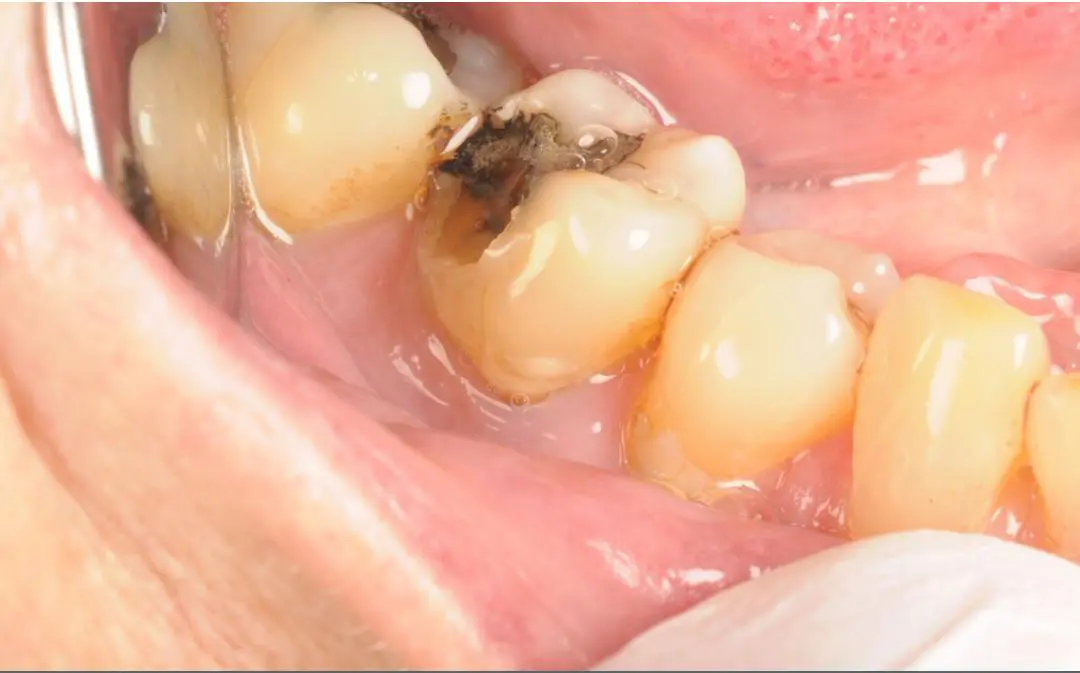
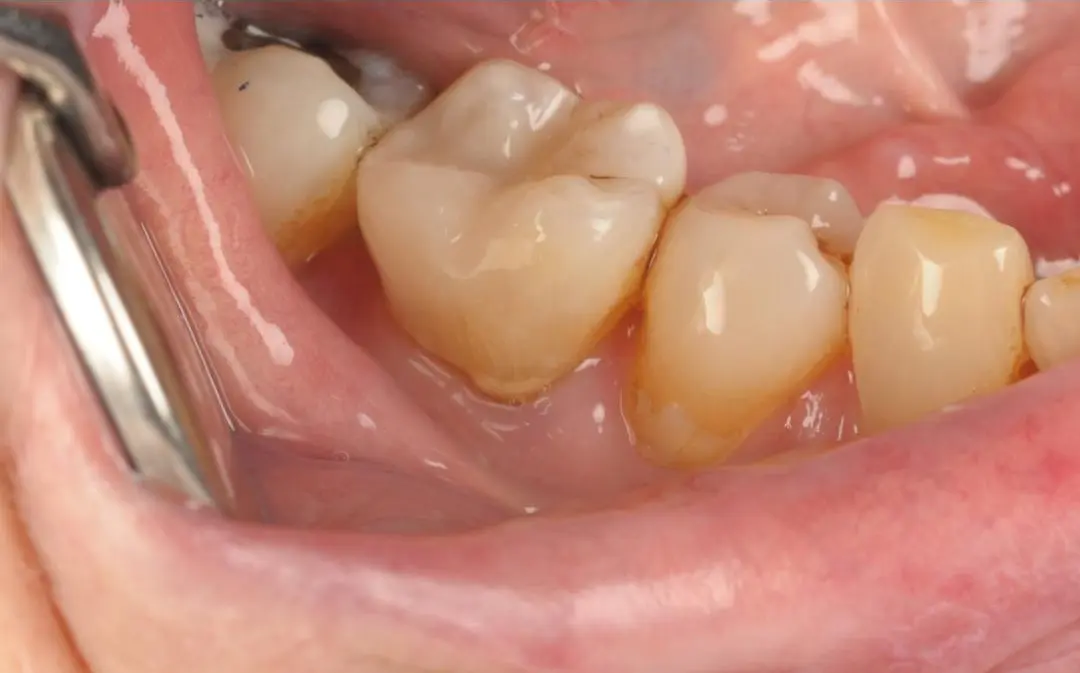
Real Patient Result: Emergency White Filling
Treatment by Dr Kamran
Regardless of the route you take, arriving with as much information about your symptoms as possible — including when they started, the severity of pain, and any relevant medical history or medications — will help the dental team provide the most appropriate care.
What Happens During an Emergency Dental Appointment?
Understanding what to expect can help reduce any apprehension you may have about attending an emergency dental appointment as an unregistered patient.
Upon arrival, you will typically be asked to complete a brief medical history form. This is standard practice and helps the dental team understand any health conditions or medications that may affect your treatment.
The dentist will then carry out a clinical examination of the affected area. This may include dental X-rays to assess the extent of any damage, infection, or structural concern beneath the gum line. Based on the findings, the dentist will discuss the available options with you and recommend an appropriate course of action.
Treatment during an emergency appointment may include:
- Prescription of antibiotics or pain relief medication
- Drainage of a dental abscess
- Temporary or permanent filling
- Tooth extraction where clinically necessary
- Stabilisation of a broken or damaged tooth
It is worth noting that emergency appointments focus on resolving the immediate problem. Additional treatment, such as a crown, root canal therapy, or cosmetic repair, would typically be planned at a follow-up appointment. You can read more about root canal treatment to understand when this may be recommended following an emergency assessment.
The Dental Science Behind Common Emergencies
To understand why certain dental emergencies require prompt attention, it helps to have a basic understanding of tooth anatomy and how infections develop.
Each tooth is composed of several layers: the hard outer enamel, the dentine beneath it, and the pulp at the centre, which contains nerves and blood vessels. When decay, trauma, or a crack penetrates deep enough to reach the pulp, bacteria can enter and cause infection. This infection can spread rapidly — both through the root canal system into the surrounding bone and, in serious cases, into adjacent tissues.
A dental abscess is the result of a bacterial infection that has led to a localised collection of pus. It can cause throbbing pain, facial swelling, and in some cases a raised temperature. This type of infection requires timely professional attention, as it will not resolve on its own and may worsen without appropriate treatment.
Understanding this process underlines why seeking emergency dental care promptly — regardless of your registration status — is an important step in protecting your health.
When You Should Seek Emergency Dental Assessment
Certain symptoms suggest that prompt dental evaluation is appropriate. If you are experiencing any of the following, it is worth contacting an emergency dental practice to arrange an assessment:
- Persistent or severe toothache that does not subside with over-the-counter pain relief
- Swelling of the face, jaw, or gum that is worsening or causing difficulty swallowing or breathing
- A knocked-out or displaced tooth following an accident or trauma
- A cracked or broken tooth causing sensitivity or pain
- A lost filling or crown leaving a tooth exposed and uncomfortable
- Signs of infection such as a bad taste in the mouth, discharge, or a raised temperature
It is always advisable to speak with a dental professional rather than waiting to see whether symptoms improve. If you are unsure, an emergency consultation can help clarify whether immediate treatment is needed. You can learn more about managing dental pain and toothache and what might be causing your discomfort.
Prevention and Maintaining Oral Health Going Forward
Experiencing a dental emergency without an established dental practice can serve as a helpful prompt to arrange ongoing care. While emergencies are not always preventable, good oral health practices can significantly reduce the likelihood of sudden problems arising.
Practical steps to support your dental health include:
- Brushing twice daily with a fluoride toothpaste, using a soft-bristled brush
- Cleaning between teeth daily using floss, interdental brushes, or a water flosser
- Attending regular dental check-ups, ideally every six to twelve months as advised by your dentist
- Reducing sugary food and drink intake, particularly between meals
- Wearing a mouthguard during contact sports to protect against trauma
- Avoiding using teeth as tools to open packaging or bite nails, which can cause structural damage
Once your emergency has been managed, registering with a dental practice for ongoing care is a positive next step. Many private practices offer comprehensive check-up packages that include preventative advice tailored to your individual oral health needs. Exploring options such as dental hygiene and prevention services can help you build a longer-term routine.
Key Points to Remember
- You do not need to be registered with a dentist to receive emergency dental treatment in London.
- Private emergency dental clinics can assess and treat unregistered patients, often at short notice.
- NHS 111 can help direct you to urgent dental care if required.
- Emergency appointments focus on resolving your immediate concern; longer-term treatment is planned separately.
- Dental infections and abscesses require timely professional attention and will not resolve without appropriate care.
- Good oral hygiene and regular dental check-ups are the most effective ways to reduce the risk of dental emergencies.
Frequently Asked Questions
Will I be charged more for emergency dental treatment if I am not registered?
Emergency dental treatment at a private clinic is charged on an appointment basis and does not depend on whether you are a registered patient. Fees vary depending on the complexity of the treatment required and will be discussed with you prior to any treatment being carried out. A written treatment plan including costs will be provided before you proceed. NHS urgent dental care is provided at standard NHS charge bands where applicable, and NHS charge band information is available at nhs.uk. It is always worth asking about fees when booking an appointment so you are fully informed before attending.
Can I get antibiotics for a dental infection without being registered?
A dentist can prescribe antibiotics where clinically indicated following an assessment of your symptoms. Antibiotics alone, however, are rarely a complete solution for dental infections. They may help manage the spread of infection but do not address the underlying dental cause. A dental examination is needed to determine the most appropriate course of treatment for your specific situation.
What should I do if I have a knocked-out adult tooth?
If a permanent (adult) tooth has been knocked out, time is critical. Handle the tooth by the crown (the visible part), not the root. If possible, gently rinse it with milk or saline and try to reposition it in the socket. If this is not possible, store it in milk and contact an emergency dental practice immediately. Seeking prompt treatment gives the tooth the best possible chance of being assessed for replantation, though outcomes will always depend on the individual clinical circumstances and cannot be guaranteed.
How do I know if my toothache requires emergency treatment?
Toothache that is severe, persistent, or accompanied by swelling, discharge, a raised temperature, or difficulty swallowing warrants prompt dental attention. Mild, intermittent sensitivity may be monitored briefly, but worsening or constant pain should be assessed by a dental professional. It is always better to have symptoms evaluated sooner rather than later, as early intervention generally leads to simpler and more effective treatment.
Can children receive emergency dental care if they are not registered?
Yes. Emergency dental care is available for children who are not registered with a dental practice. Parents or guardians should contact a private emergency dental clinic or call NHS 111 for guidance. Children experiencing dental pain, trauma, or infection should be seen promptly, as dental health in childhood can significantly influence long-term oral development.
Is emergency dental treatment available outside of normal working hours?
Many private emergency dental clinics in London offer extended hours, including evenings and weekends, to accommodate urgent patient needs. If you require out-of-hours care, it is advisable to call ahead to confirm availability and to describe your symptoms so the team can prioritise your appointment appropriately.
Conclusion
Dental emergencies can occur unexpectedly, and the concern of not being registered with a dental practice should not prevent you from seeking the care you need. Emergency dental treatment if you are not registered with a dentist is entirely accessible in London, through both private clinics and NHS urgent care routes.
Understanding your options and knowing when to seek help are important aspects of managing your dental health responsibly. Whether you are dealing with pain, infection, trauma, or a sudden dental problem, a professional assessment is the right first step.
Once your immediate concern has been addressed, taking steps to establish regular dental care will help you maintain good oral health in the long term and reduce the likelihood of further emergencies.
Dental symptoms and treatment options should always be assessed individually during a clinical examination.
Disclaimer: This article is intended for general educational purposes only and does not constitute personalised dental advice. Individual diagnosis and treatment recommendations require a clinical examination by a qualified dental professional.
Next Review Due: 09 November 2027