
Dental trauma can happen unexpectedly, leaving patients feeling panicked and uncertain about the correct first aid steps. When a tooth is completely knocked out, many people instinctively want to clean it thoroughly before seeking emergency dental care. However, this natural response can actually damage the tooth's chances of successful reimplantation.
A knocked out tooth, medically known as an avulsed tooth, represents one of the most time-sensitive dental emergencies. The way you handle the tooth in the first few minutes can significantly influence whether it can be saved. Understanding proper emergency care for avulsed teeth matters because prompt, appropriate action can mean the difference between losing a tooth permanently or having it successfully reattached.
Many patients search online for guidance during these stressful moments, seeking reassurance about the correct steps to take. This article explains why gentle handling is crucial, what steps to follow immediately after dental trauma, and when emergency dental assessment is essential for the best possible outcome.
Experiencing these symptoms?
Delaying treatment can lead to tooth loss. We have slots available today.
What Should You Do With a Knocked Out Tooth?
If you find a knocked out tooth, handle it gently by the crown (white part) only, rinse it once with clean water if dirty, and either reposition it immediately or store it in milk whilst seeking emergency dental care within 30 minutes.
Understanding Why Gentle Handling Matters
The root surface of a knocked out tooth contains delicate periodontal ligament fibres that are essential for successful reimplantation. These microscopic fibres help reattach the tooth to the surrounding bone and gum tissue. When you scrub or vigorously clean a knocked out tooth, you risk damaging or removing these vital cells.
Periodontal ligament cells can only survive for a limited time outside the mouth. Research shows that these cells begin to deteriorate within 15-20 minutes when exposed to air. This is why immediate, gentle care is so crucial. The goal is to preserve as many healthy cells as possible whilst keeping the tooth clean enough for reimplantation.
Meet Dr. Yasha Shirazi
Principal Dentist at Emergency Dentist London
"We treat hundreds of dental emergencies every month. The sooner you come in, the easier the fix usually is."
Book an appointment with our team →Water alone is sufficient for cleaning if the tooth is visibly dirty. Avoid using soap, disinfectants, or scrubbing motions, as these can destroy the delicate tissue that dental professionals need to successfully reattach your tooth.
Immediate Steps After Dental Trauma
Time is critical when dealing with a knocked out tooth. First, locate the tooth and pick it up carefully by the crown, avoiding any contact with the root surface. If the tooth appears dirty, rinse it gently under clean running water for no more than 10 seconds.
If you feel confident doing so, try to reposition the tooth back into its socket immediately. Gently bite down on a clean cloth to hold it in place. However, if you're unsure about repositioning, or if the person is very young or unconscious, focus on preserving the tooth properly instead.
For storage, milk is the ideal medium because its pH and osmolarity closely match the tooth's natural environment. Place the tooth in a small container of milk and head to emergency dental care immediately. If milk isn't available, saliva (by holding the tooth in your cheek) or saline solution can serve as temporary alternatives. For more detail on proper storage methods, read our guide on storing a knocked out tooth in milk or saliva.
The Science Behind Tooth Reimplantation
Successful tooth reimplantation depends on several biological factors working together. The periodontal ligament acts as a cushioning layer between the tooth root and the jawbone socket. When a tooth is knocked out, this ligament is stretched and partially torn, but some fibres may remain attached to both the tooth and the socket.
The bone surrounding the empty socket begins a healing response immediately after trauma. If the tooth is reimplanted quickly and the periodontal ligament cells remain viable, new fibres can grow to reconnect the tooth to the surrounding structures. This process, called reattachment, typically takes several weeks to months.
Blood supply to the tooth's nerve is usually severed during complete displacement. Even with successful reimplantation, the tooth often requires root canal treatment to prevent infection and maintain the tooth structure. Your dental team will monitor the healing process and determine if additional treatments are necessary.
When to Seek Emergency Dental Assessment
Any knocked out tooth requires immediate professional dental evaluation, ideally within 30 minutes of the trauma. However, several specific situations make emergency care even more urgent. If there's significant bleeding that won't stop with gentle pressure, if fragments of tooth remain in the gum, or if there are signs of jaw fracture, seek care immediately.
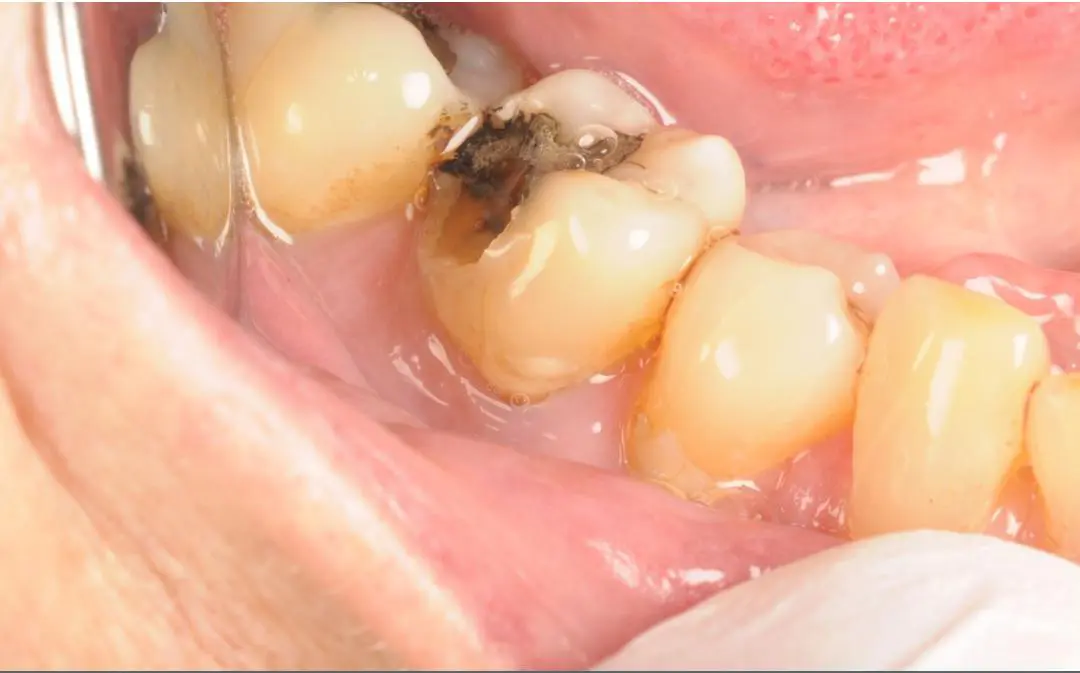
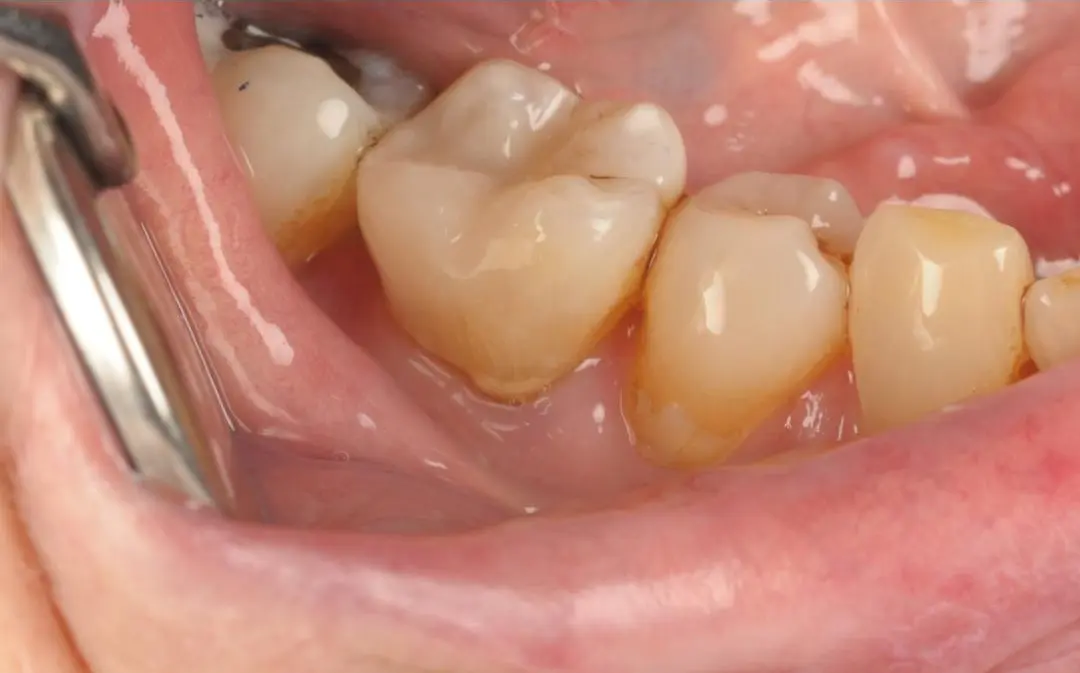
Real Patient Result: Emergency White Filling
Treatment by Dr Kamran
Children and adults may respond differently to dental trauma treatment, so age-appropriate care is essential. Young children might not be able to cooperate with immediate reimplantation, making professional assessment crucial for determining the best approach.
Even if several hours have passed since the injury, professional evaluation remains important. While the chances of successful reimplantation decrease with time, other treatment options may still be available to restore function and appearance.
Prevention and Oral Health Protection
Whilst accidents can happen to anyone, certain precautions can reduce the risk of dental trauma. Wearing properly fitted mouthguards during contact sports provides significant protection for teeth, jaw, and surrounding soft tissues. Custom-fitted guards from dental professionals offer better protection than generic store-bought versions.
Avoiding hard foods like ice cubes, unpopped popcorn kernels, and hard sweets can prevent unnecessary stress on teeth. Similarly, never use teeth as tools for opening packages or bottles, as this increases the risk of fracture or displacement.
Regular dental check-ups help identify teeth that might be more vulnerable to trauma due to decay, previous injuries, or structural problems. Your dental team can recommend preventive dentistry measures specific to your oral health needs.
Key Points to Remember
- Handle knocked out teeth only by the crown, never by the root
- Rinse gently with clean water only if visibly dirty - avoid scrubbing
- Store in milk if immediate reimplantation isn't possible
- Seek emergency dental care within 30 minutes for best outcomes
- Avoid using soaps, disinfectants, or rough cleaning methods
- Time is critical - periodontal ligament cells deteriorate quickly outside the mouth
Frequently Asked Questions
What if I can't find milk to store the knocked out tooth?
If milk isn't available, saliva is the next best option. You can store the tooth in your cheek (if you're conscious and able to do so safely) or ask someone to spit into a clean container. Saline solution or even clean water can serve as temporary alternatives, though milk remains the preferred storage medium.
Can a knocked out baby tooth be reimplanted?
Baby teeth are typically not reimplanted because the procedure might damage the developing permanent tooth underneath. However, you should still seek immediate dental assessment to ensure no fragments remain and to discuss space maintenance options if necessary. Our article explains why dentists say no to replanting baby teeth in full.
How long can a tooth survive outside the mouth?
The survival rate decreases significantly after 30 minutes, but teeth have been successfully reimplanted after longer periods. The key factors are how the tooth was stored and handled. Even after several hours, professional evaluation is still worthwhile as other treatment options may be available.
What happens if the tooth can't be saved?
If reimplantation isn't successful or possible, several replacement options exist including dental implants, bridges, or partial dentures. Your dental team will discuss the most suitable option based on your age, overall oral health, and specific circumstances.
Will a reimplanted tooth feel normal again?
Most successfully reimplanted teeth function normally for many years, though they often require root canal treatment. Some people notice slight differences in sensation initially, but this typically improves as healing progresses. Regular monitoring ensures any complications are addressed promptly.
Should I take pain medication after tooth trauma?
Over-the-counter pain relief can help manage discomfort while you seek emergency dental care. Avoid aspirin in children, and don't let pain medication delay your visit to the dental practice. Your dental team will provide appropriate pain management recommendations based on your specific situation.
Conclusion
Proper handling of a knocked out tooth can make the difference between successful reimplantation and permanent tooth loss. Remember that gentle care, appropriate storage, and immediate professional assessment are the key factors in achieving the best possible outcome after dental trauma.
The most important points to remember are handling the tooth only by its crown, rinsing gently just once if needed, and seeking emergency dental care within 30 minutes. While dental accidents can be frightening, knowing the correct first aid steps helps you respond effectively during these critical moments.
Dental symptoms and treatment options should always be assessed individually during a clinical examination.
Disclaimer
This article provides educational information about dental trauma first aid and is not intended to replace professional dental advice, diagnosis, or treatment. The content presented here is for general informational purposes only and should not be considered as medical or dental guidance for specific situations. Individual dental conditions, symptoms, and treatment requirements vary significantly between patients and can only be properly assessed through direct clinical examination by a qualified dental professional. If you experience dental trauma or any oral health emergency, please contact a dental practice or emergency services immediately. Treatment outcomes cannot be guaranteed, and the information provided does not constitute a recommendation for any specific treatment approach. Always consult with a registered dental practitioner for personalised advice regarding your oral health needs and treatment options.
This article has been prepared in accordance with General Dental Council (GDC) standards, Care Quality Commission (CQC) patient safety principles, and Advertising Standards Authority (ASA) CAP Code requirements for healthcare communications.