
Many people with diabetes worry when they lose a dental filling, and they're right to be concerned. The combination of diabetes and exposed tooth structure creates unique challenges that require prompt attention. Online searches for "lost filling diabetes" or "diabetic dental infection risk" often reflect genuine anxiety about complications that can arise when blood sugar control and oral health intersect.
This article explains why diabetic patients face higher infection risks when fillings are lost, what happens inside the mouth when protective barriers are compromised, and practical steps to manage the situation effectively. Understanding the relationship between diabetes and dental health empowers patients to make informed decisions about their oral care.
The connection between diabetes and increased infection susceptibility affects the entire body, including the mouth. When a filling comes loose or falls out entirely, the exposed tooth becomes vulnerable to bacterial invasion, potentially leading to complications that may be more severe in diabetic individuals than in those without the condition.
Experiencing these symptoms?
Delaying treatment can lead to tooth loss. We have slots available today.
Why Do Diabetic Patients Have Higher Infection Risk?
Yes, diabetes significantly increases dental infection risk when fillings are lost because elevated blood glucose levels impair immune function and create an environment where harmful bacteria thrive more easily in exposed tooth cavities.
Diabetes affects the body's ability to fight infections through several mechanisms. High blood glucose levels can reduce white blood cell effectiveness, making it harder for the immune system to combat bacterial invasion. Additionally, elevated sugar levels in saliva and blood provide an ideal feeding ground for harmful oral bacteria.
When a filling falls out, the underlying tooth structure becomes exposed to bacteria, food particles, and acids. In diabetic patients, this exposure becomes particularly problematic because their compromised immune response may struggle to prevent bacterial colonisation of the exposed area. The result can be rapid progression from a simple lost filling to a more serious dental infection.
Meet Dr. Yasha Shirazi
Principal Dentist at Emergency Dentist London
"We treat hundreds of dental emergencies every month. The sooner you come in, the easier the fix usually is."
Book an appointment with our team →Understanding the Connection Between Diabetes and Oral Health
The relationship between diabetes and oral health is bidirectional - diabetes increases the risk of oral infections, whilst oral infections can make blood sugar control more difficult. This creates a challenging cycle that requires careful management.
Diabetic patients often experience reduced saliva production, which normally helps wash away bacteria and neutralise acids. With less protective saliva, bacteria can accumulate more easily around exposed tooth surfaces where fillings have been lost. The altered pH environment in a diabetic patient's mouth may also favour the growth of harmful bacteria over beneficial ones.
Poor blood glucose control can lead to changes in blood vessel function, reducing the flow of nutrients and immune cells to the gums and other oral tissues. This compromised circulation makes it harder for the body to heal damaged tissue and fight off infections that might develop around a lost filling.
What Happens When a Filling Falls Out
When a dental filling becomes loose or falls out completely, it leaves behind a cavity in the tooth structure. This hollow space, originally created to remove decayed tooth material, becomes exposed to the oral environment once again. Without the protective barrier of the filling material, bacteria can easily enter and colonise the space.
The exposed cavity provides an ideal environment for bacterial growth - it's often difficult to clean thoroughly with normal brushing, food particles can become trapped, and the irregular surfaces provide plenty of places for bacteria to attach and multiply. In diabetic patients, this bacterial growth can progress more rapidly due to the factors mentioned earlier.
The tooth structure itself may also be more vulnerable in diabetic patients. Some research suggests that diabetes can affect the mineral content and strength of tooth enamel and dentine, potentially making the exposed surfaces more susceptible to further decay and bacterial penetration.
Signs That May Indicate Developing Complications
Several symptoms might suggest that a lost filling is leading to complications, particularly in diabetic patients. Pain or sensitivity around the affected tooth is often the first sign, though this can sometimes be delayed in diabetic patients due to potential nerve complications associated with the condition.
Swelling of the gums around the affected tooth, persistent bad taste, or unusual discharge might indicate bacterial infection. Some patients notice increased sensitivity to hot, cold, or sweet foods and drinks as the exposed tooth structure reacts to temperature and chemical changes.
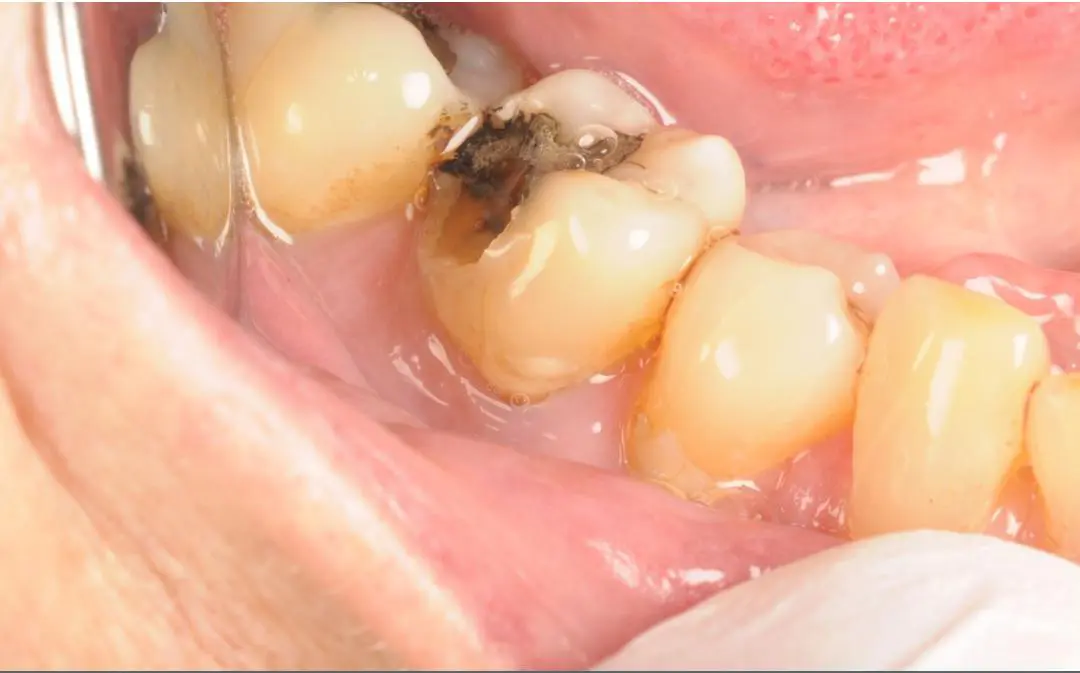
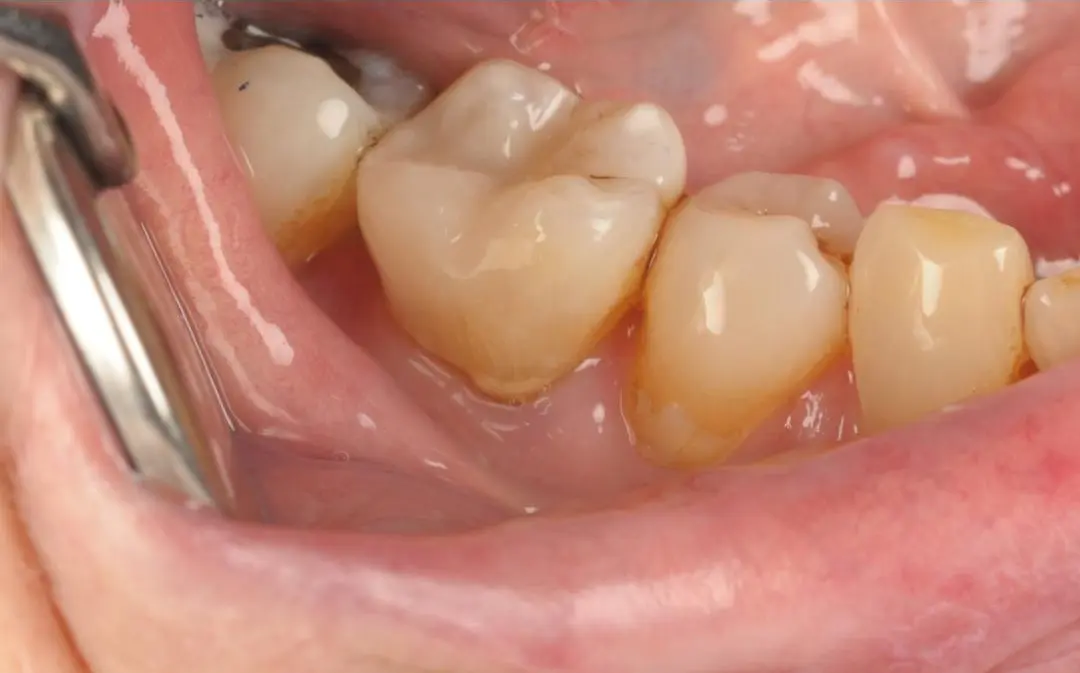
Real Patient Result: Emergency White Filling
Treatment by Dr Kamran
Changes in blood glucose levels that are harder to control than usual might also be related to developing oral infections. The stress response to infection can affect blood sugar management, creating additional challenges for diabetic patients trying to maintain stable glucose levels.
Treatment Considerations for Diabetic Patients
When diabetic patients lose fillings, prompt professional assessment becomes particularly important. The treatment approach may need to account for factors such as current blood glucose control, medication timing, and the patient's overall health status.
Dental professionals typically prioritise removing any infected or damaged tissue, cleaning the affected area thoroughly, and restoring the protective barrier with appropriate emergency dental treatment. The choice of materials and techniques may be influenced by the patient's diabetic status and healing capacity.
Some diabetic patients may benefit from antibiotic therapy alongside dental treatment, particularly if signs of infection are present. However, this decision depends on individual circumstances and should always be made by qualified dental professionals who can assess the specific situation.
Prevention Strategies for Diabetic Patients
Maintaining excellent blood glucose control is fundamental to reducing infection risk when dental problems arise. Well-controlled diabetes significantly improves the body's ability to fight infections and heal damaged tissue.
Regular dental check-ups become even more crucial for diabetic patients, as early detection of loose or failing fillings can prevent complete loss and the associated complications. Professional monitoring can identify potential problems before they become urgent situations.
Daily oral hygiene takes on added importance for diabetic patients. Thorough brushing and flossing help remove bacteria and food particles that could contribute to infection if fillings are compromised. Some patients benefit from antimicrobial mouth rinses, though these should be used as part of a comprehensive oral care routine rather than a replacement for mechanical cleaning.
Managing Blood Sugar During Dental Issues
Dental problems, including lost fillings and potential infections, can affect blood glucose control. The stress response to pain or infection often causes blood sugar levels to rise, whilst changes in eating patterns due to dental discomfort can disrupt normal glucose management routines.
Diabetic patients should monitor their blood glucose more frequently when dealing with dental issues, particularly if pain, swelling, or signs of infection are present. This increased monitoring helps identify patterns and allows for appropriate adjustments to medication or insulin timing in consultation with healthcare providers.
Maintaining regular meal patterns becomes challenging when dental pain affects eating, but it's important for blood sugar stability. Soft, nutritious foods that don't require extensive chewing can help maintain proper nutrition whilst avoiding aggravation of sensitive areas where fillings have been lost.
Key Points to Remember
• Diabetic patients face significantly higher infection risks when dental fillings are lost due to compromised immune function and elevated blood glucose levels
• The exposed tooth cavity created by a lost filling provides an ideal environment for bacterial growth, which progresses more rapidly in diabetic patients
• Signs of complications include pain, swelling, sensitivity, unusual taste, or difficulty controlling blood glucose levels
• Prompt professional dental assessment is particularly important for diabetic patients with lost fillings
• Excellent blood glucose control and meticulous oral hygiene are essential prevention strategies
• Blood sugar monitoring may need to be increased when dealing with dental issues
Frequently Asked Questions
How quickly should a diabetic patient see a dentist after losing a filling?
Diabetic patients should seek dental assessment as soon as practically possible after losing a filling, ideally within 24-48 hours. The increased infection risk associated with diabetes means that delaying treatment could allow complications to develop more rapidly than in non-diabetic patients. Even if no immediate pain is present, the exposed tooth structure remains vulnerable to bacterial invasion.
Can a lost filling cause blood sugar levels to spike in diabetic patients?
Yes, dental problems including lost fillings can contribute to elevated blood glucose levels in diabetic patients. This occurs through stress responses to pain or developing infections, which trigger hormone releases that raise blood sugar. Additionally, if an infection develops around the exposed tooth, the body's inflammatory response can make blood glucose more difficult to control.
Are there special filling materials recommended for diabetic patients?
Whilst no specific filling materials are exclusively recommended for diabetic patients, the choice may be influenced by factors such as healing capacity and infection risk. Some dental professionals prefer materials with antimicrobial properties or those that bond particularly well to tooth structure. The selection depends on individual circumstances and should be discussed during dental consultation.
What home care measures can diabetic patients take when a filling falls out?
Diabetic patients should keep the exposed area as clean as possible by gently rinsing with warm salt water and avoiding hard or sticky foods that could further damage the tooth. Over-the-counter pain relief may help with discomfort, but it's important to maintain regular blood glucose monitoring as dental issues can affect sugar control. Professional dental care should be sought promptly rather than relying solely on home measures.
How does poor blood sugar control affect healing after filling replacement?
Poor blood glucose control can significantly slow healing after dental procedures and increase the risk of complications. High blood sugar levels impair immune function, reduce blood flow to healing tissues, and create an environment that favours bacterial growth. Diabetic patients should work with their healthcare providers to optimise blood glucose control before and after dental treatment when possible.
Can lost fillings in diabetic patients lead to more serious complications?
Yes, lost fillings in diabetic patients can potentially progress to more serious complications such as tooth abscesses, bone infections, or systemic spread of infection. The compromised immune response associated with diabetes means that what might be a minor issue in a non-diabetic patient could develop into a significant problem. This is why prompt professional assessment and treatment are particularly important for diabetic individuals.
Conclusion
Diabetic patients face unique challenges when dental fillings are lost, with significantly higher infection risks due to compromised immune function and altered oral environments. Understanding these risks empowers patients to take appropriate action quickly, potentially preventing minor problems from developing into serious complications.
The relationship between diabetes and oral health requires ongoing attention and proactive management. When fillings are lost, the combination of exposed tooth structure and diabetic-related factors creates an urgent need for professional dental assessment and appropriate treatment.
Excellent blood glucose control, meticulous oral hygiene, and regular professional monitoring form the foundation of successful dental health management for diabetic patients. When problems like lost fillings arise, prompt action and professional guidance become essential components of comprehensive health care.
Early intervention and appropriate treatment can effectively address lost fillings whilst minimising the risk of complications. For diabetic patients, this proactive approach to emergency dentistry is particularly important given their increased susceptibility to infection and healing challenges.
Dental symptoms and treatment options should always be assessed individually during a clinical examination.
Disclaimer
This article is for educational purposes only and does not constitute medical or dental advice. Individual dental conditions, symptoms, and treatment requirements vary and must be assessed by a qualified dental professional during a clinical examination. Do not attempt to self-diagnose or delay seeking professional care. No treatment outcomes can be guaranteed.