
If you are missing several teeth and have been told that a partial denture may be an appropriate solution, you might have come across the term chrome-cobalt dentures during your research. Many patients searching online want to understand what this type of denture actually involves, why it might be recommended over other options, and what the treatment process looks like.
Chrome-cobalt dentures are a well-established type of partial denture used widely in UK dental practice. They are typically considered for patients who require a durable, stable prosthetic solution when multiple teeth are missing across the upper or lower arch. Understanding your restorative options can help you have a more informed conversation with your dentist and feel more confident approaching treatment.
This article explains what chrome-cobalt dentures are, how they work, who they may be suitable for, and when seeking professional dental advice may be beneficial. As always, suitability for any dental treatment depends on individual clinical assessment.
Experiencing these symptoms?
Delaying treatment can lead to tooth loss. We have slots available today.
What Are Chrome-Cobalt Dentures?
Chrome-cobalt dentures are partial dentures constructed with a thin, rigid metal framework made from a chrome-cobalt alloy. This framework supports replacement teeth and clasps that anchor the denture to remaining natural teeth. They are commonly considered for patients with multiple missing teeth who require a stable, durable, and well-fitting removable prosthetic solution.
What Are Chrome-Cobalt Dentures?
Chrome-cobalt dentures, sometimes referred to as cobalt-chrome dentures or metal framework partial dentures, are a type of removable partial denture. Unlike acrylic dentures — which are made entirely from a plastic-based material — chrome-cobalt dentures incorporate a precision-cast metal framework as their structural foundation.
The metal framework is typically made from a chrome-cobalt alloy, a material known for its strength, rigidity, and resistance to distortion over time. Acrylic gum-coloured resin and artificial teeth are then added to this framework to complete the aesthetic and functional appearance of the denture.
Meet Dr. Yasha Shirazi
Principal Dentist at Emergency Dentist London
"We treat hundreds of dental emergencies every month. The sooner you come in, the easier the fix usually is."
Book an appointment with our team →Because the metal framework is thin yet strong, chrome-cobalt dentures are generally less bulky than their full-acrylic counterparts, which many patients find more comfortable to wear over the long term. The framework also includes carefully designed clasps that gently grip remaining natural teeth to help hold the denture in place during normal use.
It is important to understand that a chrome-cobalt denture is a removable prosthesis, meaning it is taken out for cleaning. It is not a fixed bridge or implant-retained restoration. Your dentist will advise which type of prosthetic option may be most appropriate following a thorough clinical examination.
How Are Chrome-Cobalt Dentures Constructed?
The construction of a chrome-cobalt denture involves several clinical stages carried out over a series of appointments. Understanding this process can help patients feel more prepared.
Assessment and planning: A dentist will examine the remaining teeth, gum health, bone structure, and bite relationship before recommending a chrome-cobalt denture. Impressions of the mouth are taken to provide detailed models for the dental laboratory.
Framework design: A dental technician designs the metal framework, taking into account which teeth will bear the clasps, the positioning of connector bars, and the areas where artificial teeth and acrylic will be added. This stage requires considerable skill and precision.
Try-in stage: Once the metal framework is cast, it is returned to the clinic for a clinical try-in. The dentist checks the fit, comfort, and stability of the framework in the patient's mouth and makes any necessary adjustments before the final denture is completed.
Fitting: The completed denture — with the artificial teeth and acrylic set onto the metal framework — is fitted and any final adjustments are made. Follow-up appointments are often recommended to address any initial areas of discomfort or pressure.
The Clinical Science Behind the Metal Framework
Understanding the material properties of chrome-cobalt alloy helps explain why it is commonly used in dental prosthetics. Chrome-cobalt is a metal alloy composed primarily of cobalt and chromium, with small amounts of other elements such as molybdenum. This combination produces a material that is:
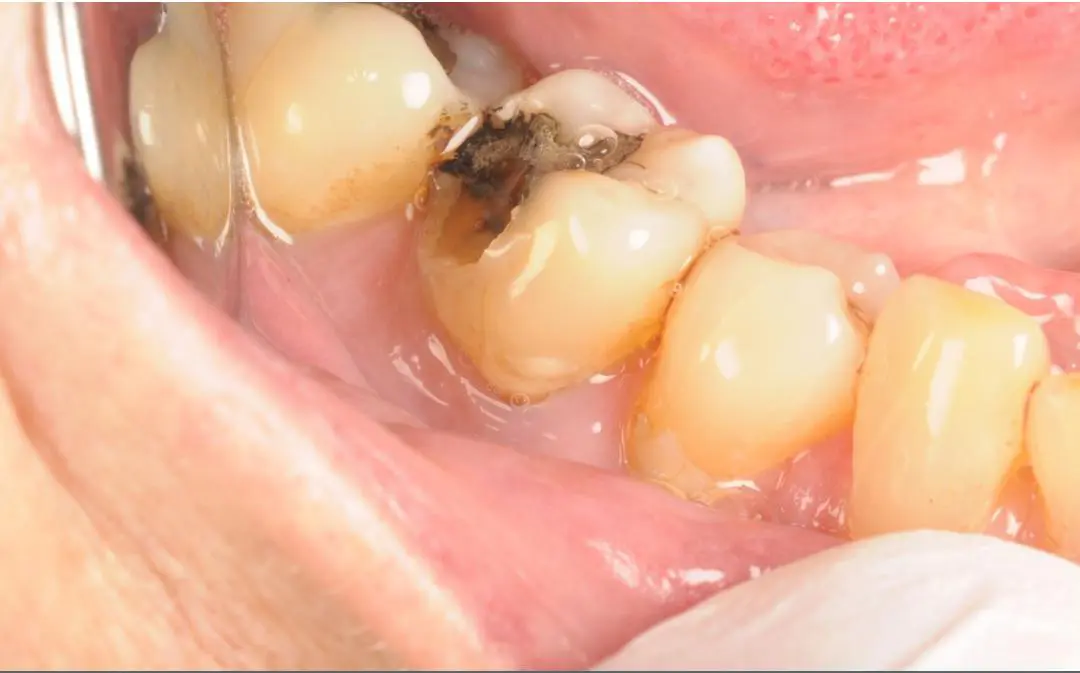
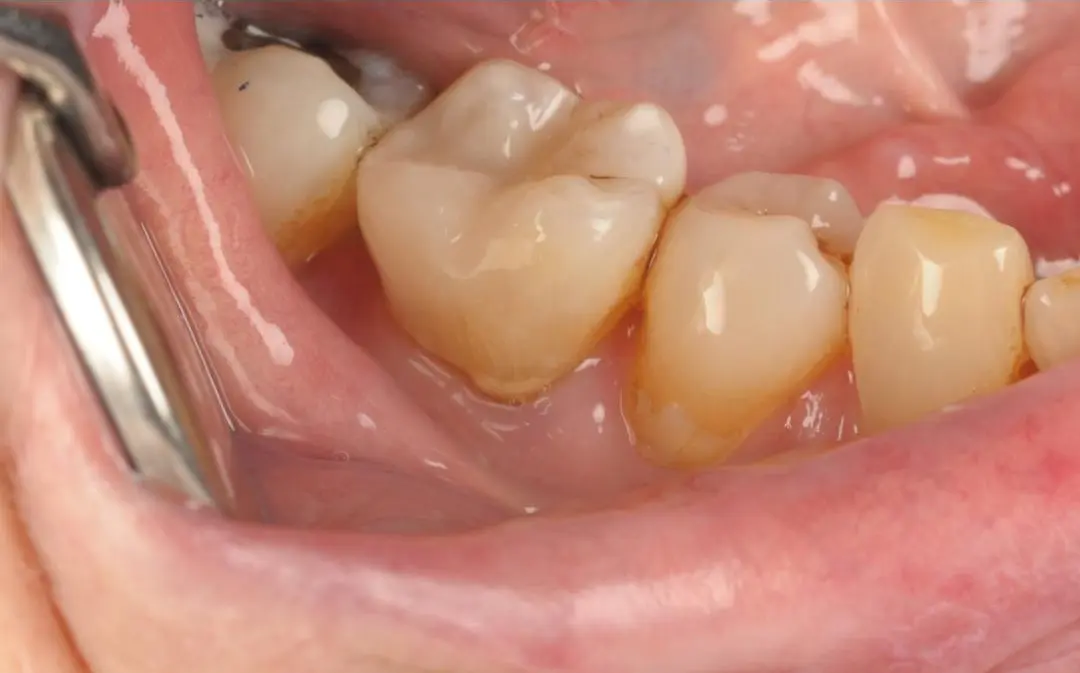
Real Patient Result: Emergency White Filling
Treatment by Dr Kamran
- Highly rigid: The framework resists flexing under biting forces, meaning the denture maintains its shape and position more consistently over time compared with a fully flexible acrylic plate.
- Biocompatible: Chrome-cobalt alloy has a long history of use in dentistry and is well tolerated by most patients. In some individuals, allergy testing may be relevant; this is something to discuss with your dental team if you have known metal sensitivities.
- Thin yet strong: Because the alloy is so strong, the framework can be cast very thinly. This reduces the overall bulk of the denture, which is particularly beneficial on the palate (roof of the mouth), where a thick acrylic plate can interfere with speech and cause discomfort.
- Durable: With appropriate care, a well-made chrome-cobalt denture can provide many years of functional use, though longevity depends on individual factors including changes in the mouth over time.
The clasps that grip natural teeth are also part of the metal framework. They are designed to provide retention without placing excessive force on the teeth they engage. Your dentist will assess the suitability of specific teeth to act as clasping teeth as part of the overall treatment plan.
Who May Be Suitable for Chrome-Cobalt Dentures?
Chrome-cobalt dentures are most commonly considered for patients with multiple missing teeth in one or both arches, where some natural teeth remain. They may be discussed as an option in a range of restorative scenarios, including cases where:
- A patient has several gaps distributed across the dental arch
- Remaining natural teeth are healthy enough to support denture clasps
- A more stable and less bulky solution than a full acrylic partial denture is preferred
- Fixed restorations such as bridges or dental implants are not suitable or preferred
It is worth noting that chrome-cobalt dentures are not universally appropriate for every patient. Factors that may influence suitability include the health and number of remaining teeth, the condition of the gum tissue and supporting bone, the patient's bite, and any existing dental restorations.
Your dentist may discuss chrome-cobalt dentures alongside other options — such as acrylic partial dentures, dental implants, or implant-retained prosthetics — so that you can make an informed decision based on your individual circumstances.
If you would like to understand more about the range of restorative dental options available, you can explore emergency denture repair options on our website.
Chrome-Cobalt vs Acrylic Partial Dentures: Key Differences
Patients are often asked to consider both chrome-cobalt and acrylic partial dentures. Understanding the key differences between the two can help inform discussions with your dental team.
| Feature | Chrome-Cobalt Denture | Acrylic Partial Denture |
|---|---|---|
| Framework material | Metal alloy | Acrylic resin |
| Thickness/Bulk | Thinner and less bulky | More bulky, particularly on the palate |
| Durability | Generally more durable | May be more prone to fracture |
| Cost | Typically higher | Typically lower |
| Adjustability | Limited scope for easy adjustment | Can be adjusted and added to more easily |
| Construction time | Longer (multiple lab stages) | Shorter |
Acrylic partial dentures may be more appropriate in certain situations — for example, when teeth are being extracted and the denture needs to be modified over time, or as a transitional or immediate denture solution. Chrome-cobalt dentures tend to be used for longer-term restorative purposes when the dental situation is more stable.
Neither option is inherently superior; the most suitable choice depends entirely on the individual clinical situation, which your dentist will assess carefully.
Caring for Chrome-Cobalt Dentures
Proper maintenance of a chrome-cobalt denture is important for both the longevity of the prosthesis and the health of the remaining natural teeth and gums.
Removing and cleaning: Chrome-cobalt dentures should be removed at night to allow the gum tissue to rest, and cleaned thoroughly at least twice daily. Use a soft denture brush and non-abrasive denture cleaner or a small amount of mild liquid soap. Avoid using ordinary toothpaste, as it can be too abrasive for denture materials.
Soaking: Soak the denture in a recommended denture-cleaning solution as directed. Always follow the manufacturer's guidance and the advice of your dental team. Avoid soaking chrome-cobalt dentures in bleach-based solutions, as these can damage the metal.
Handling: Always handle the denture carefully over a folded towel or basin of water to reduce the risk of damage if dropped.
Checking remaining teeth: Maintaining excellent oral hygiene of the remaining natural teeth is essential. Clasps rest against natural tooth surfaces, and if oral hygiene is poor, there is an increased risk of plaque accumulation around the clasped teeth, which can contribute to tooth decay and gum disease.
Regular dental reviews: Attend dental check-ups as recommended by your dentist. The fit of a denture can change over time as the underlying bone and gum tissue alter naturally, and regular review allows the dentist to monitor this.
If you notice your denture moving during speech or meals, this practical guide to professional management of loose dentures may also help you understand when to seek review.
Prevention and Maintaining Oral Health With a Partial Denture
Whether you already wear a chrome-cobalt denture or are considering one, maintaining good oral health around a partial denture requires a thoughtful daily routine.
Brush remaining teeth twice daily using a fluoride toothpaste. Pay particular attention to the teeth adjacent to denture clasps, as these areas can be harder to clean effectively.
If you are comparing framework and acrylic designs, this overview of partial acrylic dentures and fit options provides useful background before your consultation.
Use interdental cleaning aids such as interdental brushes or floss to clean between remaining teeth. Your dental hygienist can advise on the most appropriate tools for your mouth.
Clean the denture separately from your natural teeth, using the appropriate products as described above.
Stay hydrated. A dry mouth can increase the risk of plaque build-up and tooth decay. If you experience persistent dry mouth, mention this to your dentist, as there may be contributing factors worth investigating.
Attend regular hygiene appointments. A dental hygienist can provide professional cleaning of the remaining teeth and advise on areas of concern, helping to protect the natural teeth that support your denture for as long as possible.
Avoid chewing very hard or sticky foods that may dislodge or damage the denture. Your dentist can provide dietary guidance specific to your situation.
When Professional Dental Assessment May Be Appropriate
If you are experiencing any of the following, it may be worth scheduling a dental appointment for evaluation:
- Loose or ill-fitting denture: If your denture has become noticeably loose, rocks when you bite, or feels different to how it did when it was first fitted, this may indicate changes in the underlying gum or bone.
- Sore spots or pressure areas: Some discomfort during the initial adjustment period is normal, but persistent sore spots should be assessed by a dentist so that the denture can be adjusted appropriately.
- Damage to the denture: Chips, cracks, or broken clasps should be assessed professionally. Attempting to repair a denture at home is not recommended.
- Changes in remaining teeth: If you notice sensitivity, pain, or visible changes in any of your remaining natural teeth, seek dental advice promptly.
- Difficulty chewing or speaking: Significant functional changes that persist may indicate a need for review of the denture fit or design.
- Gum changes: Redness, soreness, or swelling of the gum tissue beneath the denture warrants professional assessment.
It is also important to attend regular dental check-ups even if you feel the denture is comfortable. Routine monitoring of both the prosthesis and the remaining oral structures is an important part of long-term dental health.
Considering Dental Costs and Access in London
Many patients considering chrome-cobalt dentures also think about the associated costs and how to access dental care in London. As a privately provided treatment, the cost of a chrome-cobalt denture will vary depending on the complexity of the case, the dental laboratory involved, and the number of clinical appointments required.
Speaking with a dental team directly is the most reliable way to receive an accurate cost estimate, as each patient's needs are different. Some clinics offer membership plans that may help manage the cost of ongoing dental care and check-ups.
If you have questions about accessing dental treatment or would like to understand emergency dental services available in London, our team is available to provide guidance.
Watching: Understanding Dental Costs in London
The video below provides helpful information about dental consultation costs and what to expect when seeking dental care in London:
Key Points to Remember
- Chrome-cobalt dentures are partial dentures with a precision-cast metal framework, known for their strength and reduced bulk compared with full acrylic partial dentures.
- They are commonly considered for patients with multiple missing teeth where some natural teeth remain to support the denture clasps.
- Suitability for chrome-cobalt dentures depends entirely on individual clinical factors, assessed by a qualified dental professional during examination.
- Good oral hygiene of both the denture and remaining natural teeth is essential for long-term dental health.
- Regular dental check-ups are important to monitor the fit of the denture and the health of remaining teeth and gums over time.
- If your denture becomes uncomfortable, loose, or damaged, seek professional dental advice rather than attempting self-repair.
Frequently Asked Questions
How long do chrome-cobalt dentures typically last?
The lifespan of a chrome-cobalt denture varies depending on individual factors including oral hygiene, changes in the mouth over time, and how well the denture is maintained. The metal framework itself is very durable, but the artificial teeth and acrylic components may show wear with extended use. Changes in the underlying bone and gum tissue can also affect fit over time. Regular dental review allows your dentist to monitor the denture and advise when adjustments, relining, or replacement may be appropriate. There is no universal timeframe that applies to all patients.
Are chrome-cobalt dentures comfortable to wear?
Many patients find chrome-cobalt dentures comfortable once they have adjusted to wearing them, particularly because the metal framework allows for a thinner, less bulky design compared with full acrylic options. An initial adjustment period is normal, during which some patients may experience mild gum soreness or altered speech. These issues often resolve as the mouth adapts. If discomfort persists beyond the early adjustment period, a review appointment should be arranged so that the denture can be assessed and any necessary adjustments made.
Can I eat normally with a chrome-cobalt denture?
Most patients can eat a wide range of foods comfortably with a well-fitting chrome-cobalt denture. However, very hard, crunchy, or sticky foods may place excessive force on the denture or increase the risk of dislodgement. Your dentist will be able to advise on dietary considerations specific to your denture design and the teeth supporting it. Starting with softer foods when you first receive your denture and gradually introducing a wider range as you adapt is a commonly recommended approach.
Is there an alternative to a chrome-cobalt denture?
Yes. Several alternative options exist for replacing missing teeth, including acrylic partial dentures, dental bridges, dental implants, and implant-retained prosthetics. The most suitable option for an individual depends on many factors, including the number and position of missing teeth, the health of remaining teeth and supporting structures, patient preference, and clinical suitability. A dental assessment is essential to understand which options may be appropriate for your specific situation.
Will a chrome-cobalt denture affect my speech?
Some patients notice a slight change in speech when they first begin wearing a chrome-cobalt denture, particularly if it is an upper denture that covers part of the palate. Because chrome-cobalt frameworks are thinner than full acrylic plates, this effect is often less pronounced. Most patients find that speech returns to normal within a short adjustment period. If speech difficulties persist, your dentist should review the denture, as adjustments may be possible.
Can chrome-cobalt dentures be repaired if damaged?
The acrylic components of a chrome-cobalt denture — such as the artificial teeth or gum-coloured resin — can sometimes be repaired or replaced by a dental technician. The metal framework itself is less easily modified once cast, though a skilled technician may be able to address certain types of damage. It is important to seek professional advice if your denture is damaged rather than attempting home repairs, as poorly repaired dentures may fit incorrectly and potentially cause harm to the mouth or remaining teeth.
Conclusion
Chrome-cobalt dentures represent a well-established and clinically recognised option within restorative dentistry, particularly for patients requiring a durable partial denture solution where multiple teeth are missing. Their metal framework design offers strength, reduced bulk, and long-term stability that many patients find advantageous compared with full acrylic alternatives.
Understanding the construction process, the clinical science behind the material, and the care required can help patients feel better prepared when discussing treatment options with their dental team. Maintaining excellent oral hygiene, attending regular dental check-ups, and reporting any changes in comfort or fit promptly are all important aspects of managing a partial denture successfully over the long term.
If you are based in London and would like to discuss your restorative dental options, a clinical consultation is the right starting point. Our team at Emergency Dentist in London is available to provide professional assessment and guidance tailored to your individual needs.
Dental symptoms and treatment options should always be assessed individually during a clinical examination.
Disclaimer
This article is for general educational purposes only and is not a diagnosis or personal treatment advice.
Dental symptoms and treatment suitability can only be assessed in a face-to-face clinical examination by a qualified dental professional.
If you have pain, swelling, bleeding, or other urgent symptoms, seek prompt professional dental or medical care.
No outcomes are guaranteed, and any fees or timelines mentioned are indicative and subject to individual assessment.
For personalised advice, please contact a registered dental practice.