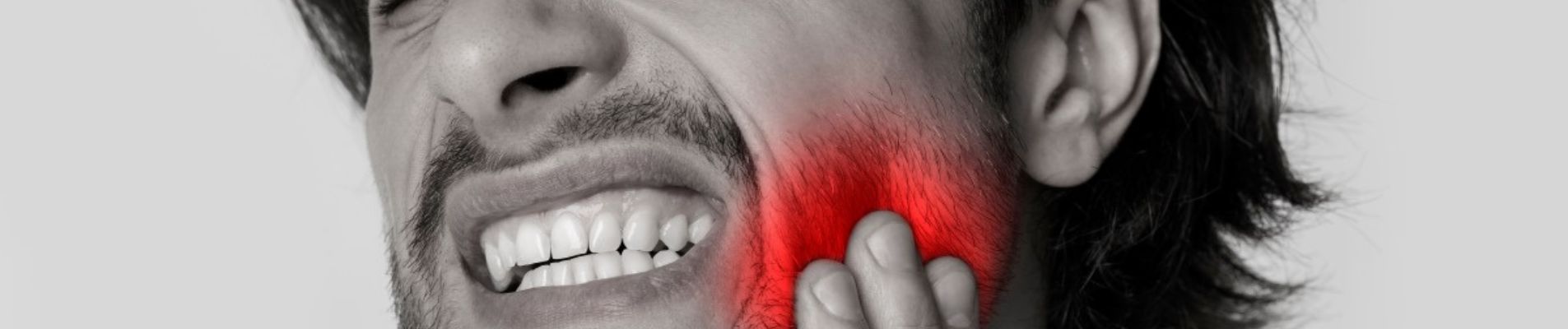
Many people facing tooth loss wonder about their replacement options, particularly when they still have some healthy natural teeth remaining. Partial dentures represent a common solution that allows patients to restore their smile and chewing function whilst preserving existing teeth. Understanding the various materials, fitting processes, and cost considerations can help patients make informed decisions about their oral health.
Partial acrylic dentures offer an accessible entry point into prosthetic dentistry, providing functional tooth replacement at various price points. The custom fitting process ensures these appliances work harmoniously with your remaining natural teeth, though the quality of fit and long-term comfort can vary significantly based on the materials chosen and the precision of the fitting process.
This article explores the different types of partial acrylic dentures available, explains how custom fitting affects comfort and function, and examines the various factors that influence treatment costs. Professional dental assessment remains essential for determining the most suitable option for your individual circumstances.
Experiencing these symptoms?
Delaying treatment can lead to tooth loss. We have slots available today.
What are partial acrylic dentures?
Partial acrylic dentures are removable prosthetic appliances designed to replace missing teeth whilst working alongside your remaining natural teeth. These devices consist of replacement teeth mounted on an acrylic resin base that matches your gum colour, with metal or plastic clasps that grip onto adjacent natural teeth for stability and retention.
Understanding Acrylic Denture Materials and Construction
The foundation of any partial acrylic denture lies in the materials used for construction. Modern acrylic resins offer excellent biocompatibility and can be precisely colour-matched to blend naturally with your existing gum tissue. The acrylic base provides the platform for artificial teeth, which are typically made from either acrylic or porcelain materials.
High-quality acrylic resins demonstrate superior durability and stain resistance compared to basic formulations. Premium materials often incorporate advanced polymers that resist wear and maintain their appearance over time. The choice of artificial teeth also affects both aesthetics and longevity, with porcelain teeth offering excellent wear resistance but requiring careful handling due to their brittle nature.
Meet Dr. Yasha Shirazi
Principal Dentist at Emergency Dentist London
"We treat hundreds of dental emergencies every month. The sooner you come in, the easier the fix usually is."
Book an appointment with our team →The clasp system represents another crucial component, with options ranging from simple wire clasps to precision-cast metal attachments. Cast metal clasps typically provide superior retention and distribute forces more evenly across supporting teeth, potentially extending the lifespan of both the denture and natural teeth.
Custom Fitting Process and Precision Considerations
The custom fitting process for partial acrylic dentures involves multiple stages designed to ensure optimal comfort, function, and aesthetics. Initially, your dentist will take detailed impressions of your mouth, capturing not only the shape of your gums and remaining teeth but also the way your jaws relate to each other during normal function.
Precise impressions form the foundation of a well-fitting denture. Advanced impression materials capture fine details that affect how the finished denture sits against your gums and integrates with your natural teeth. The laboratory technician uses these impressions to create working models that guide the construction process.
Trial fittings allow for adjustments before the final denture is completed. During these appointments, your dentist can evaluate the fit, check your bite relationship, and make necessary modifications to ensure comfort and proper function. This iterative process helps identify potential pressure points or areas requiring adjustment before the acrylic is fully processed.
Factors Influencing Denture Comfort and Retention
Several factors determine how comfortable and retentive your partial acrylic dentures will be during daily use. The number and position of remaining natural teeth significantly affects stability, with strategically positioned teeth providing better support than isolated teeth in less favourable locations.
Gum health plays a crucial role in denture comfort. Healthy, well-contoured gums provide better support and reduce the likelihood of sore spots developing. Any underlying gum disease or inflammation should be addressed before denture construction begins to ensure optimal healing and comfort.
Bone structure beneath the gums also influences denture stability. Areas where teeth have been missing for extended periods may show bone resorption, creating challenges for proper denture seating. Your dentist will evaluate these anatomical considerations when planning your treatment.
Cost Factors and Treatment Investment Considerations
The cost of partial acrylic dentures varies considerably based on several key factors. The complexity of your case, including the number of teeth being replaced and the condition of supporting structures, directly influences the time and materials required for construction.


Real Patient Result: Emergency White Filling
Treatment by Dr Kamran
Material choices represent a significant cost variable. Basic acrylic dentures utilise standard materials and simple clasp designs, making them more affordable but potentially less durable or comfortable. Premium options incorporate high-grade acrylics, precision-cast metal components, and superior artificial teeth that command higher prices but often provide better long-term value.
Laboratory fees constitute a substantial portion of denture costs. Skilled dental technicians require significant time to craft custom dentures, and their expertise directly affects the quality of your finished appliance. Some practices maintain in-house laboratories whilst others work with external facilities, which can influence both cost and turnaround times.
Additional procedures may be necessary before denture construction can begin. Tooth extractions, gum treatments, or minor surgical procedures to improve denture-bearing areas can add to the overall investment but may be essential for achieving optimal results.
When Professional Dental Assessment May Be Needed
Several situations warrant prompt professional dental evaluation when considering partial dentures. Persistent discomfort with existing dentures, changes in fit, or difficulty eating certain foods may indicate the need for adjustments or replacement.
Signs of gum irritation, including redness, swelling, or persistent soreness, should be evaluated promptly. These symptoms may indicate pressure points or other fitting issues that require professional attention. Ignoring such problems can lead to more serious complications affecting your oral health.
Changes in your remaining natural teeth, such as increased mobility, decay, or gum recession, can affect denture fit and require assessment. Regular dental examinations help identify these issues early, when intervention options are typically more conservative and effective.
Maintaining Your Partial Acrylic Dentures
Proper maintenance extends the lifespan of your partial acrylic dentures whilst protecting your remaining natural teeth and gums. Daily cleaning removes food debris and bacterial buildup that can cause odours, staining, and oral health problems.
Gentle brushing with a soft-bristled brush designed for dentures helps preserve the acrylic surface whilst effectively removing debris. Harsh abrasives can scratch the denture surface, creating areas where bacteria can accumulate. Specialised denture cleaning solutions provide additional antimicrobial action without damaging denture materials.
Overnight soaking in appropriate cleaning solutions helps maintain denture hygiene whilst giving your gums time to rest. This practice also helps prevent the acrylic from drying out, which can lead to warping or cracking over time.
Regular professional maintenance appointments allow your dentist to assess denture condition, make minor adjustments, and evaluate your oral health. These visits often identify potential problems before they become serious, potentially saving both discomfort and expense.
Long-term Considerations and Replacement Planning
Partial acrylic dentures typically require replacement or significant refurbishment every five to seven years, depending on wear patterns and changes in your mouth. Natural aging processes, including continued bone remodeling and changes in gum contours, gradually affect denture fit over time.
Monitoring the condition of supporting natural teeth becomes increasingly important as you wear partial dentures. The additional forces placed on these teeth can accelerate wear or contribute to dental problems if oral hygiene is inadequate or if the denture fit becomes compromised.
Planning for eventual replacement helps manage both the financial and practical aspects of ongoing denture care. Many patients find it helpful to discuss replacement timelines and associated costs during their initial consultation, allowing them to budget appropriately for future dental needs.
Key Points to Remember
• Partial acrylic dentures offer an effective solution for replacing missing teeth whilst preserving healthy natural teeth
• Custom fitting processes significantly impact comfort, function, and long-term satisfaction with your dentures
• Material choices affect both initial costs and long-term durability, making quality considerations important for value
• Proper maintenance and regular professional care extend denture lifespan and protect your oral health
• Individual assessment by a qualified dentist is essential for determining the most appropriate treatment approach
• Planning for eventual replacement helps manage long-term costs and ensures continued oral health
Frequently Asked Questions
How long does the custom fitting process take for partial acrylic dentures?
The complete process typically requires 4-6 weeks and involves multiple appointments. Initial impressions, try-in fittings, and final adjustments each require separate visits to ensure optimal fit and comfort. Complex cases or those requiring preliminary treatments may take longer to complete.
Are partial acrylic dentures covered by dental insurance?
Many dental insurance plans provide partial coverage for dentures, though benefit levels vary significantly between policies. NHS treatment may be available in certain circumstances, though waiting times and eligibility criteria apply. Private treatment offers more immediate access and broader material choices.
Can I eat normally with partial acrylic dentures?
Most patients adapt well to eating with partial dentures, though some adjustment period is normal. Starting with softer foods and gradually progressing to more challenging textures helps with adaptation. Well-fitted dentures should allow comfortable eating of most foods, though extremely hard or sticky items may require caution.
How do I know if my partial dentures need adjustment?
Signs that adjustment may be needed include persistent sore spots, difficulty chewing, changes in speech, or loose fit. New dentures often require minor adjustments as you adapt, whilst established dentures may need modification due to natural changes in your mouth over time.
What happens if one of my supporting teeth needs extraction?
If a tooth supporting your partial denture requires extraction, the denture will typically need modification or replacement. Sometimes teeth can be added to existing dentures, though this depends on the specific design and condition of your current appliance. Your dentist will evaluate the best approach based on your individual circumstances.
How do partial acrylic dentures compare to other tooth replacement options?
Partial dentures offer a removable, relatively affordable solution for multiple missing teeth. Dental implants provide permanent replacement but involve surgical procedures and higher costs. Dental bridges offer fixed solutions but require modification of adjacent teeth. Each option has specific advantages depending on your clinical situation and preferences.
Conclusion
Partial acrylic dentures provide an accessible and effective solution for replacing missing teeth whilst preserving your remaining natural dentition. Understanding the custom fitting process, material options, and cost factors helps ensure realistic expectations and optimal treatment outcomes.
The investment in quality materials and precise fitting typically provides better long-term value through improved comfort, durability, and oral health outcomes. Regular maintenance and professional monitoring help maximise the lifespan of your dentures whilst protecting your remaining teeth and gums.
Modern partial denture design offers significant improvements in comfort and aesthetics compared to older approaches, making this treatment option increasingly attractive for appropriate candidates. Dental symptoms and treatment options should always be assessed individually during a clinical examination.
Disclaimer
This article is for educational purposes only and does not constitute dental or medical advice. Individual dental conditions can only be assessed through direct clinical examination by a qualified dental professional. No treatment outcomes are guaranteed, and this content cannot replace personalised clinical guidance from a registered practitioner. Readers with dental concerns, symptoms, or trauma should seek prompt professional assessment. This content complies with General Dental Council (GDC) communication standards, Care Quality Commission (CQC) patient safety principles, and Advertising Standards Authority (ASA) healthcare communication guidelines.