
Many people who experience a knock to the face or mouth wonder whether the impact could have caused more than superficial damage. Concerns about jaw pain, restricted movement, or a jaw that feels out of alignment are common reasons people search for information online following dental trauma. Understanding the relationship between dental trauma and jaw dislocation can help you make informed decisions about seeking care.
Dental trauma — which includes injuries to the teeth, gums, and surrounding facial structures — can sometimes affect the temporomandibular joint (TMJ), the hinge that connects your lower jaw to your skull. In certain circumstances, significant force to the jaw area may contribute to a jaw dislocation, where the lower jawbone slips out of its normal position.
This article explains how dental trauma can cause a jaw dislocation, what symptoms may suggest a problem, what clinical management typically involves, and when seeking a professional dental assessment is the appropriate course of action.
Experiencing these symptoms?
Delaying treatment can lead to tooth loss. We have slots available today.
Featured Snippet Answer
Can dental trauma cause a jaw dislocation?
Yes, dental trauma can cause a jaw dislocation. A significant impact to the face or jaw can displace the condyle — the rounded end of the lower jawbone — from its socket in the temporomandibular joint (TMJ). This may result in pain, difficulty closing the mouth, and restricted jaw movement, all of which warrant prompt professional assessment.
Understanding Jaw Dislocation and the Temporomandibular Joint
The temporomandibular joint (TMJ) is one of the most complex joints in the human body. It enables the lower jaw to move up, down, and side to side — actions essential for speaking, chewing, and swallowing. The joint is supported by a network of muscles, ligaments, and a small cartilage disc that cushions movement.
Meet Dr. Yasha Shirazi
Principal Dentist at Emergency Dentist London
"We treat hundreds of dental emergencies every month. The sooner you come in, the easier the fix usually is."
Book an appointment with our team →A jaw dislocation occurs when the condyle — the rounded projection at the end of the lower jawbone — moves beyond its normal range and becomes displaced from the temporal bone of the skull. This can happen in one joint (unilateral dislocation) or both joints simultaneously (bilateral dislocation).
Jaw dislocations are not common, but they are a recognised clinical event, particularly following physical trauma to the face or jaw. Predisposing factors may include loose or lax ligaments, a history of previous dislocations, or underlying joint conditions. Dental trauma, especially a forceful blow to the chin or lower face, creates the type of sudden, extreme joint movement that can exceed the structural limits of the TMJ.
How Dental Trauma Can Lead to a Jaw Dislocation
Dental trauma encompasses a wide range of injuries — from chipped or fractured teeth to soft tissue damage and structural injury to the jaw itself. The force required to dislocate a jaw during a traumatic event is generally significant and may be associated with:
- A direct blow to the chin, lower jaw, or side of the face
- Road traffic accidents or sports-related impacts
- Falls that involve facial contact
- Dental procedures requiring prolonged mouth opening in patients with pre-existing TMJ vulnerability
When force is applied suddenly and unexpectedly, the jaw may open far beyond its normal range, stretching or tearing the ligaments that hold the condyle in position. In some cases, the condyle slips forward out of the joint socket and becomes locked in that position — a condition known as an anterior dislocation.
It is worth noting that not all dental trauma results in jaw dislocation. Many injuries to the teeth and mouth do not affect the TMJ at all. However, where significant force is involved, particularly to the lower jaw, the possibility of joint involvement should be assessed by a dental or medical professional. If you have experienced a facial injury, an emergency dental consultation can help rule out serious structural concerns.
Recognising the Symptoms of a Jaw Dislocation
Identifying the signs of a jaw dislocation is important for ensuring timely assessment. Common symptoms include:
- Inability to fully close the mouth — the most characteristic sign of a dislocated jaw
- Pain or discomfort in the jaw joint area, particularly in front of the ear
- Jaw appearing misaligned or shifted to one side
- Difficulty speaking clearly
- Excessive drooling due to difficulty closing the mouth
- Muscle spasm around the jaw and face
- A clicking or popping sensation that preceded the locking of the jaw
Symptoms following dental trauma may not always appear immediately. In some cases, swelling and discomfort develop over several hours. If you notice any persistent change in your bite, jaw movement, or facial symmetry following an injury, seeking professional advice is recommended.
It is also important not to attempt to manually reposition the jaw yourself, as this can cause further injury.
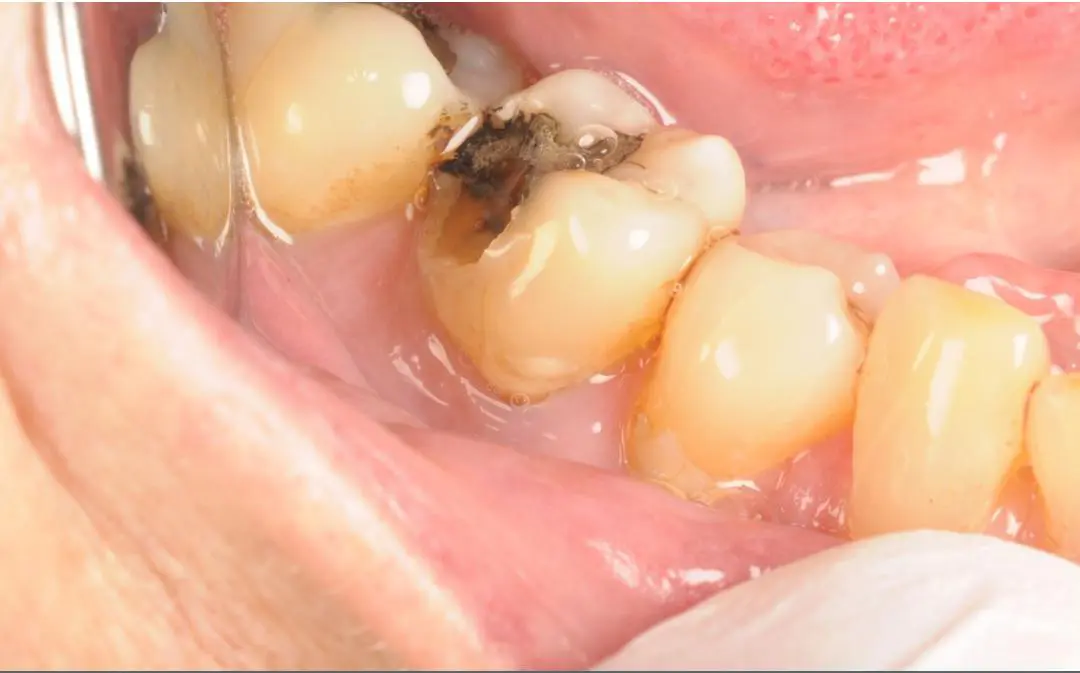
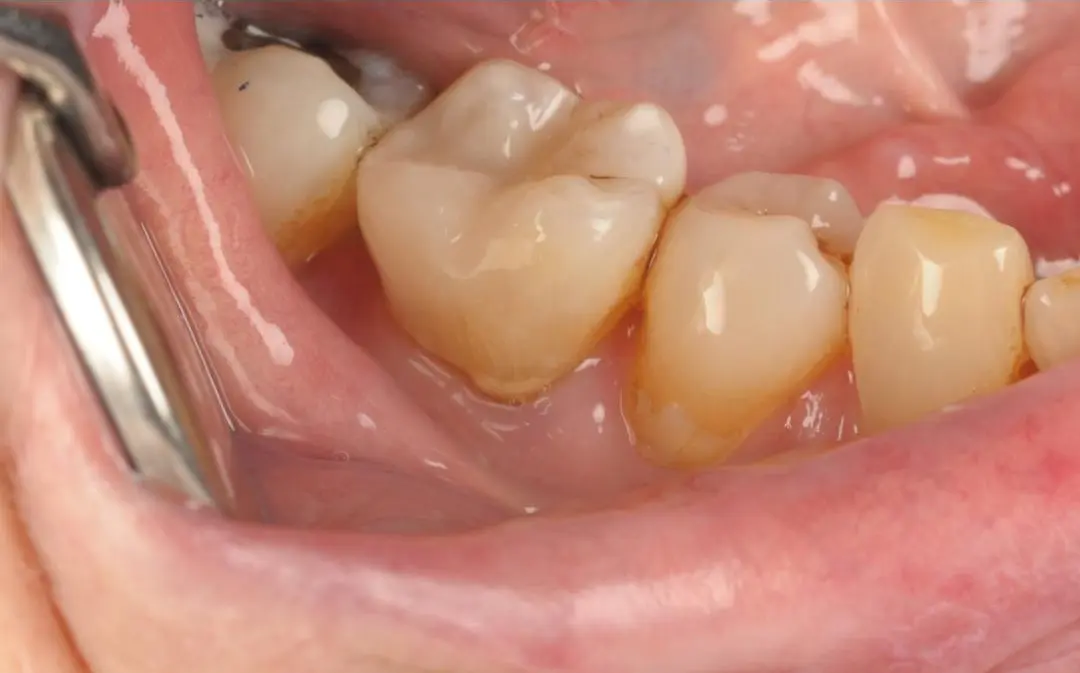
Real Patient Result: Emergency White Filling
Treatment by Dr Kamran
Clinical Assessment and Management
A jaw dislocation is a clinical condition that requires professional assessment and management. A dentist or oral and maxillofacial specialist will typically carry out a physical examination, and imaging (such as an X-ray or CT scan) may be recommended to assess the joint and rule out an associated fracture.
Clinical management commonly involves a technique called manual reduction, in which a trained clinician carefully guides the condyle back into its correct position. This procedure is typically performed with the patient appropriately supported, and local anaesthetic or muscle relaxants may be used depending on the clinical situation.
Following reduction, rest, dietary modifications (such as soft foods), and exercises to support joint recovery are often advised. In cases where dislocations recur frequently or where underlying joint instability is identified, further specialist input may be required.
For patients who have also sustained tooth injuries alongside jaw trauma, understanding treatment for damaged or knocked-out teeth alongside joint assessment ensures that both aspects of the injury are addressed appropriately.
The Science Behind TMJ Vulnerability
The temporomandibular joint functions within a carefully balanced system. The condyle sits within a shallow bony socket (the glenoid fossa), held in place by ligaments and a fibrocartilage disc. Unlike many other joints, the TMJ relies heavily on muscular control and ligamentous stability to maintain its position.
When trauma introduces a sudden, extreme load — far greater than the joint typically manages during chewing or yawning — the ligaments may be unable to restrict condylar movement. The condyle can then translate forward over the articular eminence (a bony ridge within the joint) and become trapped in a forward position.
Patients who have previously experienced TMJ problems or who have naturally lax connective tissue may be at somewhat greater risk of dislocation under trauma conditions. This highlights the value of having any pre-existing TMJ concerns assessed, particularly before contact sports or activities with a higher risk of facial impact.
When to Seek Professional Dental Assessment
Following any significant facial injury, professional assessment is strongly recommended — particularly if you experience:
- An inability to close your mouth after the impact
- Jaw pain that does not improve within 24 to 48 hours
- A visibly shifted or asymmetrical jaw
- Difficulty eating, speaking, or swallowing
- Numbness or tingling in the jaw area
- Tooth pain, looseness, or fracture accompanying the jaw symptoms
Even where symptoms appear mild, dental trauma can affect structures that are not immediately visible. Early evaluation can identify any underlying issues and guide appropriate management before complications develop.
If you are in London and have sustained a facial or dental injury, seeking prompt advice from an experienced dental team is always the sensible step. Information about managing dental trauma is available through the dental trauma guidance section of our website.
Prevention and Reducing Risk
Whilst not all jaw injuries can be prevented, there are practical steps that can reduce the risk of dental and jaw trauma:
- Wear a custom-fitted mouthguard during contact sports and activities with a risk of facial impact. Custom-made guards from a dental practice are generally considered to offer improved fit and retention compared to over-the-counter alternatives, though individual suitability should be discussed with your dentist.
- Use appropriate protective equipment, such as helmets, when cycling, skateboarding, or participating in martial arts.
- Avoid habits that place excessive strain on the jaw, such as biting hard objects (pen lids, nails, or bottle caps).
- Discuss any existing TMJ symptoms with your dentist. If you experience clicking, locking, or pain in the joint, having this assessed may help identify and address vulnerability before trauma occurs.
- Attend regular dental check-ups so that any bite irregularities or joint-related concerns can be monitored.
Key Points to Remember
- Dental trauma — particularly a forceful blow to the lower jaw or face — can cause a jaw dislocation by displacing the condyle from the temporomandibular joint.
- Symptoms include an inability to close the mouth, jaw pain, visible misalignment, and difficulty speaking.
- Jaw dislocation is a clinical condition requiring professional assessment; attempting self-treatment is not advised.
- Management typically involves manual reduction performed by a qualified clinician, sometimes alongside imaging.
- Wearing a custom mouthguard during contact sports is a well-recognised preventative measure for reducing the risk of dental and jaw trauma.
- Pre-existing TMJ conditions may increase susceptibility to dislocation following trauma, so early assessment of jaw symptoms is worthwhile.
Frequently Asked Questions
Can a jaw dislocation heal on its own without treatment?
A true jaw dislocation — where the condyle has moved out of the joint socket — does not resolve without clinical intervention. The condyle typically needs to be manually repositioned by a trained professional. Leaving the joint unreduced can result in increasing muscle spasm, pain, and difficulty returning the jaw to its normal position. If you suspect a jaw dislocation, attending for professional assessment promptly is strongly recommended rather than waiting to see if symptoms improve.
Is a jaw dislocation the same as a jaw fracture?
No, these are two distinct conditions, though they can occasionally occur together following severe trauma. A jaw fracture involves a break in the bone itself, whereas a dislocation refers to the joint becoming displaced without necessarily involving a fracture. Both require clinical assessment, including imaging, to confirm the diagnosis and determine the most appropriate management. A dentist or oral and maxillofacial specialist can help differentiate between the two following examination.
How long does recovery from a jaw dislocation typically take?
Recovery varies depending on the severity of the dislocation, whether there are associated injuries, and individual factors. Following successful repositioning, mild cases may resolve within a few days with rest and soft foods. Where ligament stretching or muscle spasm is involved, a period of several weeks of careful jaw management may be advised. Your clinician will provide guidance tailored to your specific clinical situation, as recovery timelines cannot be generalised without examination.
Are some people more at risk of jaw dislocation than others?
Yes. People with a history of previous jaw dislocations, those with naturally lax ligaments or connective tissue conditions, and individuals with pre-existing TMJ disorders may be at somewhat greater risk of dislocation during trauma. Age-related changes in joint structure can also play a role. If you are aware of any jaw joint concerns, discussing these with your dentist — particularly before engaging in activities with a higher risk of facial impact — is a sensible precaution.
What should I do immediately after a jaw injury?
If you have sustained a significant blow to the face or jaw, avoid trying to force your mouth open or closed. Apply a cold compress gently to the affected area to help reduce swelling, and seek professional dental or medical assessment as soon as possible. If you are unable to close your mouth or are in significant pain, this warrants urgent attention. Do not attempt to manually reposition the jaw yourself, as this can cause further damage to the joint and surrounding structures.
Can dental procedures cause a jaw dislocation?
In most patients, routine dental procedures do not pose a risk of jaw dislocation. However, in rare cases — particularly in patients with pre-existing TMJ instability or lax ligaments — prolonged mouth opening during lengthy dental treatment has been associated with dislocation. If you have a history of TMJ problems or previous jaw dislocations, informing your dental team before any procedure is important, as they can take appropriate precautions to protect the joint during treatment.
Conclusion
Dental trauma can, in certain circumstances, cause a jaw dislocation — particularly when significant force is applied to the lower jaw or face. Understanding the relationship between the temporomandibular joint and traumatic injury helps patients recognise when professional assessment is important. Symptoms such as inability to close the mouth, pain near the jaw joint, and visible jaw misalignment should not be left unaddressed.
With appropriate clinical management, most cases of jaw dislocation can be effectively treated. Prevention through protective equipment and early assessment of pre-existing jaw concerns remains a practical approach for those at risk. Dental symptoms and treatment options should always be assessed individually during a clinical examination.
If you have experienced dental trauma or are concerned about jaw symptoms, we encourage you to seek professional dental advice promptly. Early assessment supports timely and appropriate clinical management.
Disclaimer: This article is intended for general educational purposes only and does not constitute personalised dental advice. Individual diagnosis and treatment recommendations require a clinical examination by a qualified dental professional.
Next Review Due: 14 September 2027