
Many people who have experienced a knock, fall, or sporting injury to the face are left wondering whether the impact may have caused lasting harm beyond a bruise or a chipped tooth. A blow to the jaw can feel alarming, and it is entirely understandable to search for information about what may have happened and whether the effects could be permanent.
Jaw trauma nerve damage is a genuine clinical concern that dental professionals take seriously. The jaw houses a complex network of nerves — most notably the trigeminal nerve — and a significant impact can disrupt normal nerve function in ways that are not always immediately obvious.
This article explains how jaw injuries can affect the nerves in and around the mouth, what symptoms patients may notice, how dental professionals approach assessment, and when seeking professional advice is the sensible course of action. If you have recently experienced facial trauma and are unsure about your symptoms, reading this article may help you understand your situation more clearly before consulting a qualified dental professional.
Experiencing these symptoms?
Delaying treatment can lead to tooth loss. We have slots available today.
What Is Jaw Trauma Nerve Damage?
Yes, a significant blow to the jaw can cause long-term nerve damage. The inferior alveolar and trigeminal nerves run through and around the jaw, and trauma can stretch, compress, or sever these nerves. This may result in numbness, tingling, or persistent pain. Severity depends on the force of impact and the nerve affected, and a clinical assessment is needed to determine the extent.
How the Jaw and Its Nerves Are Structured
To understand how trauma affects nerve function, it helps to know a little about jaw anatomy. The lower jaw, or mandible, contains a major nerve called the inferior alveolar nerve. This nerve runs through a canal inside the jawbone and branches out to supply sensation to the lower teeth, gums, lower lip, and chin.
The broader trigeminal nerve is the principal sensory nerve of the face, with branches extending across the upper and lower jaw. Any significant force to the jaw — whether from an accident, a fall, a sporting collision, or physical assault — can place mechanical stress on these nerve pathways.
Meet Dr. Yasha Shirazi
Principal Dentist at Emergency Dentist London
"We treat hundreds of dental emergencies every month. The sooner you come in, the easier the fix usually is."
Book an appointment with our team →Nerves can be damaged in several ways following trauma:
- Neuropraxia — temporary disruption to nerve signals without structural damage, often reversible
- Axonotmesis — damage to the nerve fibres within an intact nerve sheath, with potential for recovery
- Neurotmesis — complete severance of the nerve, which may result in permanent changes
Understanding which type of nerve injury has occurred requires professional clinical and, in some cases, imaging assessment.
Common Symptoms Following Jaw Trauma
Symptoms of jaw trauma nerve damage can vary widely depending on the severity and location of the injury. Some patients notice symptoms immediately following an incident, while others report that sensations develop or change over subsequent days.
Common symptoms may include:
- Numbness or loss of sensation in the lower lip, chin, or teeth
- Tingling or a pins-and-needles sensation around the jaw or face
- Burning or aching pain that does not resolve with time
- Hypersensitivity, where touch or temperature feels exaggerated or painful
- Difficulty chewing, speaking, or swallowing comfortably
- Changes in bite alignment following structural jaw damage
It is worth noting that some of these symptoms may also arise from other dental conditions unrelated to nerve injury, which is why a thorough clinical examination is always the appropriate starting point. If you are experiencing tooth pain or facial discomfort following an injury, our emergency dental services in London are available to provide timely professional assessment.
Can Nerve Damage After Jaw Trauma Be Permanent?
This is one of the most common concerns patients have following facial injury. The honest answer is that the outcome depends on the nature and severity of the injury.
In many cases of mild to moderate jaw trauma, nerve function recovers partially or fully over weeks to months. The body's peripheral nervous system has some capacity to repair itself, particularly when the nerve sheath remains intact. Recovery timelines can range from a few weeks to over a year in more complex cases.
However, in cases involving severe fractures of the mandible, displacement of bone fragments near the nerve canal, or significant soft-tissue trauma, more prolonged or permanent changes to nerve function are possible. This does not mean that nothing can be done — dental and specialist medical professionals can offer supportive management strategies to help patients adapt and manage ongoing symptoms effectively.
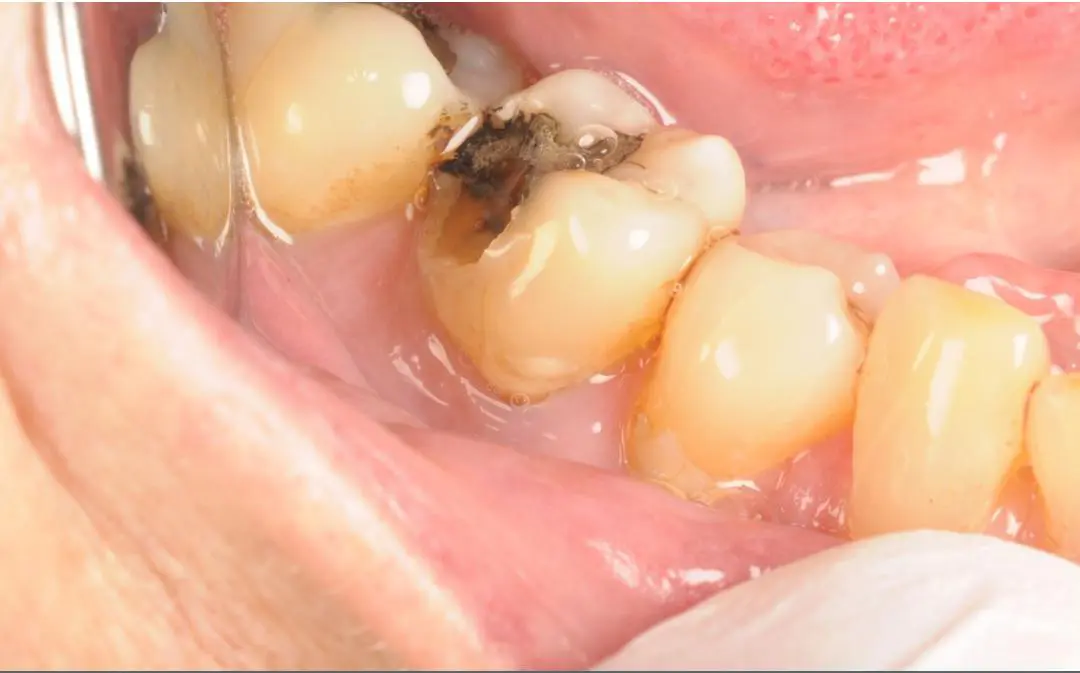
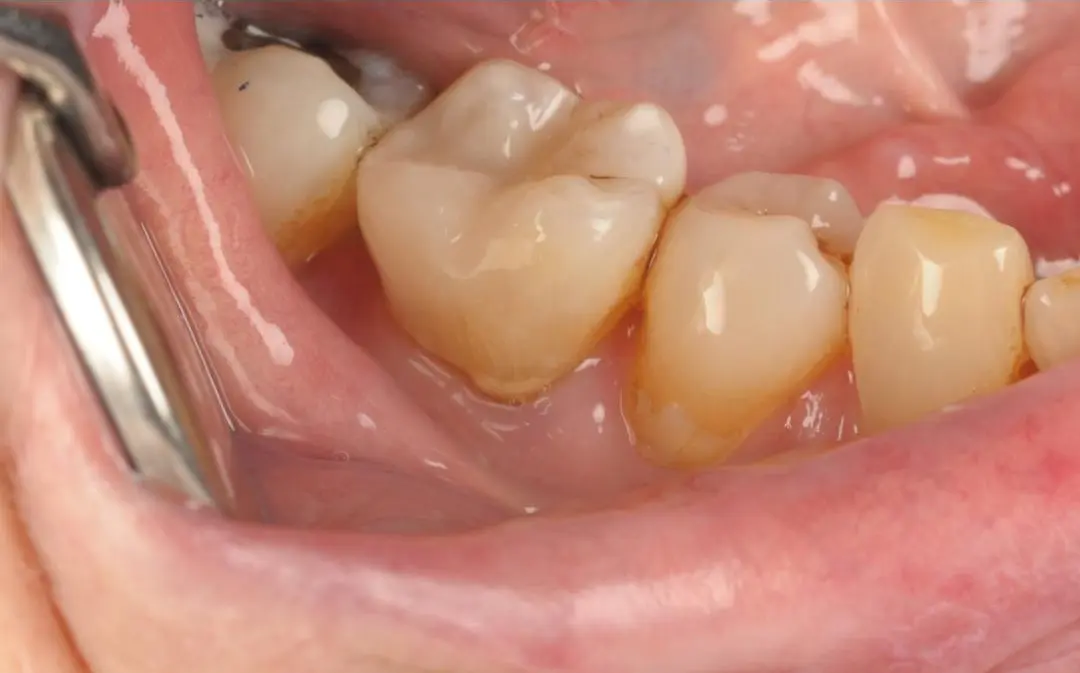
Real Patient Result: Emergency White Filling
Treatment by Dr Kamran
It is important not to assume the worst based on early symptoms alone. Many patients who experience initial numbness go on to regain normal sensation with appropriate care and monitoring.
When Professional Dental Assessment May Be Needed
Following any blow to the jaw, it is advisable to seek a professional dental evaluation, particularly if any of the following apply:
- Numbness or tingling persists beyond 24–48 hours
- There is visible swelling, bruising, or deformity of the jaw
- Teeth appear displaced, chipped, or loosened
- You experience pain when biting or chewing
- Symptoms worsen rather than improve over time
- You are concerned that your bite has changed
A dental professional will carry out a clinical examination, which may include dental X-rays or referral for cone beam CT imaging to assess the jaw structures and identify any fractures or nerve canal involvement. Early assessment is always beneficial, as it allows for appropriate monitoring and, where necessary, timely referral to an oral and maxillofacial specialist.
If you are based in London and require prompt evaluation following dental trauma, you can explore our dental trauma assessment services for guidance on next steps.
Prevention and Protecting the Jaw During Physical Activity
While not all jaw injuries are preventable, there are practical steps that can help reduce the risk of significant trauma, particularly for those who engage in contact sports or physically demanding activities.
Wear a custom-fitted mouthguard. A professionally made mouthguard provides significantly better protection than over-the-counter alternatives. It cushions the teeth, distributes impact forces, and helps protect the jaw from severe blows.
Use appropriate protective equipment. Helmets, face guards, and chin straps used in sports such as rugby, football, cycling, and martial arts all play a role in reducing the risk of facial and jaw injuries.
Be mindful of fall risks. For older adults, reducing fall risks at home through environmental adaptations can help protect against facial trauma.
Maintain good dental health. Healthy teeth and supporting bone structures are generally better equipped to cope with minor trauma than teeth already weakened by decay or gum disease. Keeping up with routine dental check-ups is a sensible preventative measure.
If you are unsure whether you need a custom mouthguard, a dental professional can advise you based on your lifestyle and dental structure during a routine dental examination.
Key Points to Remember
- A blow to the jaw can cause jaw trauma nerve damage, affecting sensation in the teeth, lip, chin, and face
- The inferior alveolar and trigeminal nerves are the most commonly involved in jaw trauma
- Symptoms may include numbness, tingling, burning pain, or hypersensitivity
- Many cases of nerve disturbance following jaw injury improve over time, though outcome depends on severity
- Professional dental assessment following jaw trauma is always advisable, particularly when symptoms persist
- Custom mouthguards and appropriate protective equipment can help reduce injury risk during physical activity
Frequently Asked Questions
How long does numbness last after a jaw injury?
The duration of numbness following jaw trauma varies depending on the type and severity of nerve injury. Mild cases involving temporary nerve disruption — known as neuropraxia — may resolve within days to weeks. More significant nerve injuries can take several months to improve, and in some cases, full recovery may not occur. A dental professional or specialist can assess the injury and help set realistic expectations based on your individual circumstances.
Should I go to A&E or a dentist after a blow to the jaw?
If you suspect a jaw fracture, have significant swelling, difficulty breathing or swallowing, or have lost consciousness following an impact, attending A&E is the appropriate first step. For dental concerns such as loose or damaged teeth, bite changes, or localised numbness without acute medical symptoms, a dental professional with experience in dental trauma is well placed to carry out an initial assessment and refer on where necessary.
Can jaw nerve damage cause pain rather than numbness?
Yes. Nerve damage does not always result in numbness. Some patients experience the opposite — heightened sensitivity, a burning sensation, or persistent aching pain, which can be a sign of nerve irritation rather than full nerve disruption. This type of pain response, sometimes referred to as neuropathic pain, can be assessed and managed with appropriate professional support.
Will I need a scan after jaw trauma?
Not every jaw injury requires imaging, but a dental professional may recommend an X-ray or cone beam CT scan if there is concern about bone fractures, displacement, or involvement of the nerve canal. Imaging helps to provide a clearer picture of the structures involved and guides appropriate management decisions. The need for a scan is always based on individual clinical findings.
Is jaw nerve damage always caused by physical trauma?
No. While physical trauma is a common cause, nerve changes in the jaw area can also result from dental procedures, infections, cysts, or certain systemic conditions. It is important not to self-diagnose based on symptoms alone. A qualified dental professional can help determine the most likely cause and advise on the appropriate course of action.
Can a mouthguard really prevent nerve damage from jaw trauma?
A custom-fitted mouthguard can significantly reduce the force of impact transmitted to the teeth and jaw during sporting activities, which may lower the risk of severe trauma. However, no protective device can guarantee complete prevention of injury. Mouthguards are one important layer of protection and are most effective when used alongside other appropriate protective equipment.
Conclusion
Jaw trauma nerve damage is a clinically recognised consequence of significant impacts to the face and jaw. Understanding how nerves function in the jaw, recognising the symptoms that may indicate nerve involvement, and knowing when to seek professional assessment are all important steps in managing this type of injury effectively.
The good news is that many patients with jaw-related nerve symptoms do experience improvement over time, particularly with appropriate monitoring and care. However, the extent of recovery is individual and depends on a range of clinical factors that can only be properly evaluated by a qualified professional.
If you have experienced a blow to the jaw and are concerned about ongoing symptoms, do not delay seeking a dental assessment. Early evaluation offers the best opportunity to understand what has occurred and to explore appropriate management options.
Dental symptoms and treatment options should always be assessed individually during a clinical examination.
Disclaimer: This article is intended for general educational purposes only and does not constitute personalised dental advice. Individual diagnosis and treatment recommendations require a clinical examination by a qualified dental professional.
Next Review Due: 14 September 2027