
Many people notice something feels slightly off with a tooth — a subtle twinge when biting, a fleeting sensitivity to cold, or simply a vague awareness that something has changed — yet because there is no severe or constant pain, they assume there is no immediate cause for concern. This is one of the most common dental dilemmas that leads people to search online late at night, wondering whether their cracked tooth can wait until Monday morning.
The short answer is that a cracked tooth can indeed worsen over time, even when discomfort feels minimal or intermittent. Understanding why this happens, what changes to watch for, and when professional advice may be helpful is important for protecting your long-term oral health.
This article explains how a cracked tooth behaves, why the absence of severe pain does not always mean the situation is stable, and what steps may be worth considering if you are concerned about a tooth.
Experiencing these symptoms?
Delaying treatment can lead to tooth loss. We have slots available today.
Featured Snippet Answer
Can a cracked tooth get worse overnight even without severe pain?
Yes, a cracked tooth can worsen even without severe pain. A crack may deepen gradually with chewing pressure or teeth grinding, potentially reaching the pulp or root over time. The absence of intense pain does not confirm the crack is stable. Early dental assessment is advisable to evaluate the extent and prevent further structural damage.
How Does a Tooth Crack in the First Place?
Teeth are remarkably strong structures, but they are not indestructible. Cracked teeth can result from a variety of everyday situations, including:
Meet Dr. Yasha Shirazi
Principal Dentist at Emergency Dentist London
"We treat hundreds of dental emergencies every month. The sooner you come in, the easier the fix usually is."
Book an appointment with our team →- Biting on hard foods such as ice, boiled sweets, or unpopped popcorn kernels
- Teeth grinding (bruxism), particularly during sleep, which applies repeated and significant pressure over time
- Dental trauma, such as a knock to the mouth during sport or an accident
- Large fillings that may weaken the surrounding tooth structure
- Sudden temperature changes, such as eating something very hot immediately followed by something cold
- Natural ageing, as enamel can become more susceptible to cracking over the years
Cracks can range from superficial hairline fractures affecting only the outer enamel to deeper splits that extend toward or into the root. The type, depth, and direction of the crack all influence how the tooth behaves and what treatment may be appropriate. A thorough clinical examination is the only reliable way to determine the nature of any crack.
Why a Cracked Tooth May Not Always Cause Severe Pain
One of the more confusing aspects of a cracked tooth is that the level of pain you experience does not always reflect how significant the crack is. This is because pain perception in dentistry is influenced by several factors:
- The depth of the crack — superficial enamel cracks rarely cause discomfort
- Whether the crack has reached the dentine, the more sensitive layer beneath enamel
- Whether the dental pulp (the inner tissue containing nerves and blood vessels) is involved
- Individual pain threshold differences between patients
- Whether the crack is intermittent — only causing symptoms during specific movements such as biting or releasing pressure
Some patients experience what is described as "cracked tooth syndrome," characterised by sharp, brief pain when biting on a particular spot, followed by immediate relief. Because the discomfort is fleeting, it is easy to dismiss. However, the underlying structural issue does not resolve on its own.
Can a Cracked Tooth Get Worse Overnight?
This is a key question, and the answer depends on the nature and current extent of the crack. A cracked tooth is not static — it can progress. Here is why:
Structural instability: Once the integrity of a tooth is compromised, normal forces such as chewing, clenching, or even the pressure of the upper and lower teeth resting against each other can cause the crack to extend. Over hours or days, what begins as a minor fracture may deepen.
Bacterial infiltration: Cracks create tiny pathways that oral bacteria can exploit. Even a hairline crack can allow bacteria to reach the dentine or pulp, potentially initiating an infection process without any dramatic initial symptoms.
Overnight grinding: If you grind your teeth during sleep — and many people do so without awareness — the sustained pressure applied throughout the night may accelerate crack propagation. By morning, the tooth may have experienced considerably more stress than during the day.
This does not mean every cracked tooth will become a dental emergency by dawn, but it does explain why early assessment is generally considered prudent rather than waiting for pain to escalate.
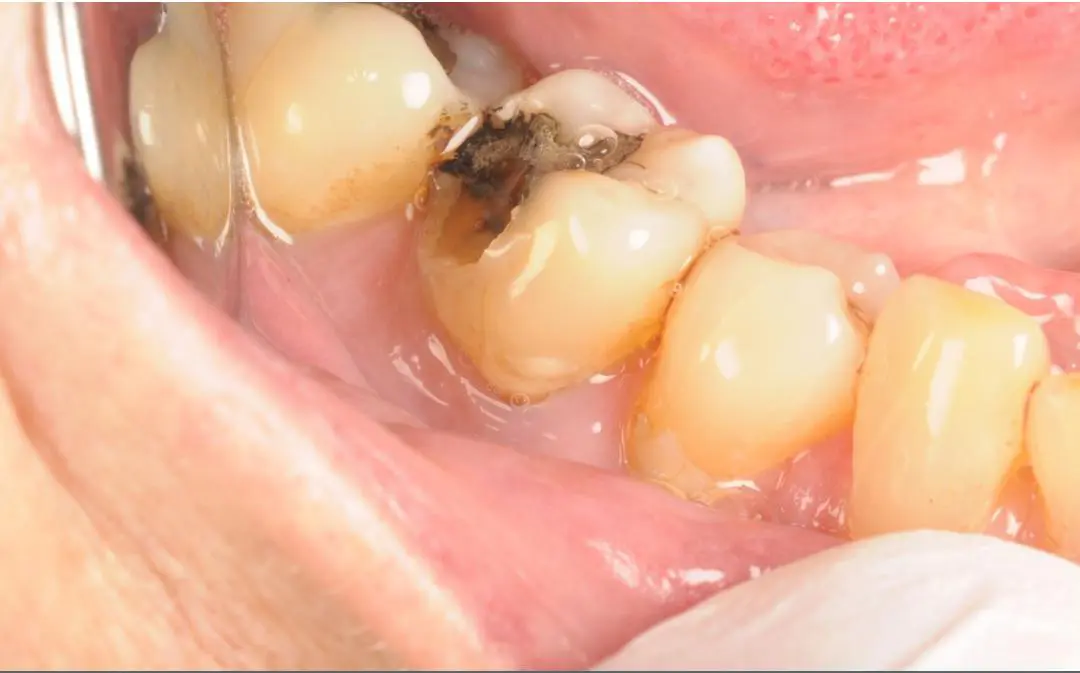
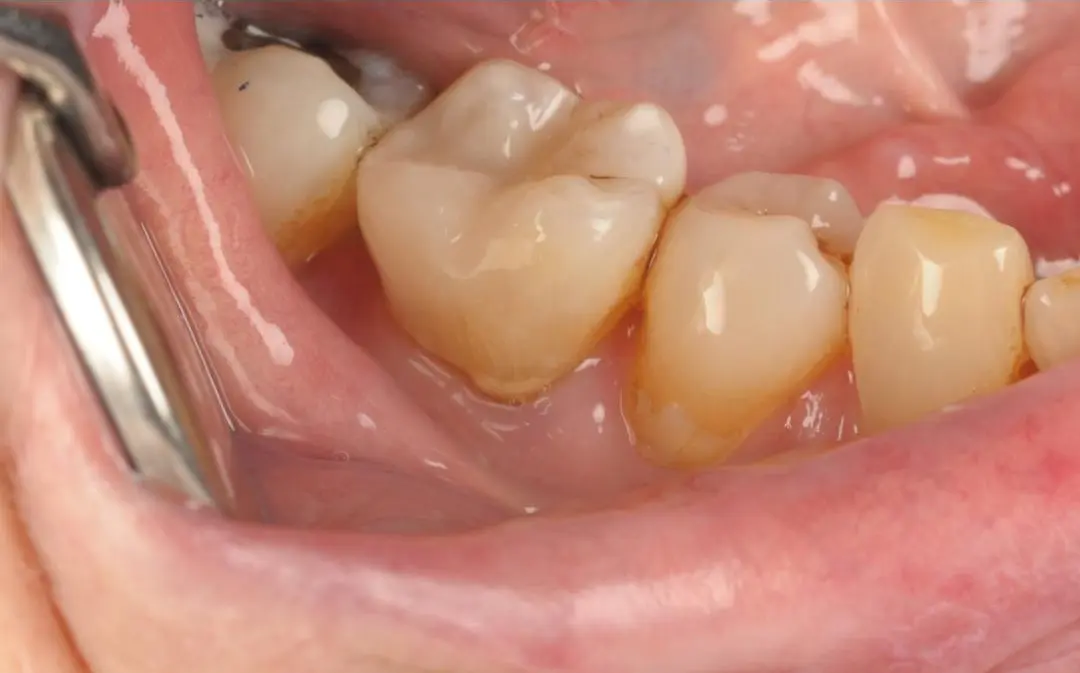
Real Patient Result: Emergency White Filling
Treatment by Dr Kamran
Understanding the Anatomy: Why Cracks Can Be Deceptive
To understand why cracks can worsen silently, it helps to consider how a tooth is structured:
- Enamel — the hard outer layer, which has no nerve supply. Cracks limited to enamel are often painless.
- Dentine — the layer beneath enamel, which contains tiny tubules connected to the nerve. Cracks reaching dentine often cause sensitivity.
- Pulp — the innermost tissue containing blood vessels and nerves. When a crack reaches the pulp, more significant symptoms such as spontaneous pain or swelling may develop.
- Root — in more severe cases, a crack can extend below the gumline into the root, which may affect the tooth's long-term prognosis.
Because the outer enamel layer has no nerves, a crack can travel through it without any immediate warning signal. By the time symptoms become noticeable, the crack may have already progressed into dentine or beyond. This is why a tooth that felt fine on Tuesday can feel quite different by Thursday, particularly if additional pressure has been applied.
Symptoms That May Suggest a Crack Is Progressing
While every patient's experience differs, there are some signs that may warrant professional dental attention. These include:
- Sharp or fleeting pain when biting or chewing, particularly on one specific tooth
- Sensitivity to hot or cold that lingers for more than a few seconds after the stimulus is removed
- Pain that comes and goes without an obvious cause
- Swelling or tenderness around a specific tooth or in the gum nearby
- A visible line or chip that you can see or feel with your tongue
- Discomfort when releasing biting pressure, which can be a characteristic sign of a crack
It is worth noting that not all cracked teeth present with obvious symptoms. Some cracks are identified during routine dental examinations before any discomfort arises. This is one of the reasons why regular check-ups remain a valuable part of dental health maintenance.
If you are experiencing any of the above symptoms and are concerned, our emergency dental assessment service is available to help evaluate the situation promptly.
When Professional Dental Assessment May Be Appropriate
You do not need to be in severe pain to warrant a dental consultation about a cracked tooth. The following situations may indicate that an appointment would be beneficial:
- You have noticed intermittent pain or sensitivity lasting more than a day or two
- You are aware that you grind or clench your teeth and suspect a tooth may be affected
- You have recently experienced any dental trauma, even if it seemed minor at the time
- You can see or feel a visible crack, chip, or fracture in a tooth
- A tooth that had a filling or crown has started feeling different
- You have had a cracked tooth diagnosed previously and want to monitor its progression
Dental symptoms and treatment options should always be assessed individually during a clinical examination. A dentist can use a range of assessment tools — including visual examination, bite tests, transillumination, and dental X-rays — to evaluate the nature and extent of a crack and discuss what options may be appropriate for your specific situation.
Treatment Approaches That May Be Considered
Treatment for a cracked tooth varies considerably depending on the type and severity of the crack, the symptoms present, and the tooth's overall condition. A qualified dentist will assess the clinical picture and explain which options may be suitable for your individual circumstances. These may include:
- Monitoring — for very superficial cracks with no symptoms, careful monitoring may sometimes be appropriate
- Dental bonding — a tooth-coloured resin applied to address minor chips or surface cracks
- A crown — to protect a tooth where the crack has compromised structural integrity but the pulp remains healthy
- Root canal treatment — if the pulp has been affected by the crack, this may be recommended before placing a crown
- Extraction — in cases where the crack extends deeply into the root and the tooth cannot be reliably restored
Our team can provide further information about dental crowns if this is something a clinician considers relevant following assessment.
No treatment outcome can be guaranteed, as every clinical situation is unique and depends on factors that can only be evaluated in person.
Prevention and Oral Health Advice
While not every crack is preventable, there are practical steps that may help reduce the risk of cracked teeth or prevent existing cracks from worsening:
- Wear a night guard if you have been advised that you grind or clench your teeth during sleep
- Avoid habitually chewing on hard objects, including ice, pens, or fingernails
- Be mindful of very hard foods, particularly if you have existing large fillings or dental restorations
- Wear appropriate mouthguards during contact sport or activities that carry a risk of oral trauma
- Attend regular dental check-ups so that any developing cracks can be identified early before symptoms arise
- Address sensitivity promptly — new or changing sensitivity in a tooth is worth mentioning to your dentist rather than waiting for it to resolve on its own
If tooth grinding is a concern, discussing night guard options with a dental professional may help protect your teeth from the ongoing effects of bruxism.
Key Points to Remember
- A cracked tooth can worsen even when pain is mild or intermittent
- The absence of severe pain does not confirm a crack is stable or limited in extent
- Overnight teeth grinding can place significant additional stress on a cracked tooth
- Cracks can allow bacteria to reach inner tooth structures, potentially leading to infection over time
- Early dental assessment is generally more straightforward than addressing a crack that has been left to progress
- Treatment options vary widely depending on the nature of the crack, and are best discussed following a clinical examination
Frequently Asked Questions
Can a cracked tooth heal on its own?
Unlike bone, tooth enamel and dentine do not regenerate or self-repair once cracked. A crack that exists will remain unless a dental professional addresses it through an appropriate clinical intervention. Without treatment, the crack may remain stable for a period, or it may worsen with continued biting pressure or grinding. This is why professional assessment is advisable rather than hoping the issue will resolve independently over time.
How do I know if my cracked tooth is getting worse?
Signs that a crack may be progressing include increasing sensitivity to temperature, pain that becomes more frequent or lasts longer, discomfort that begins without an obvious trigger, or the development of swelling or tenderness near the affected tooth. Some cracks worsen silently without any dramatic change in symptoms, which is why a dental examination is the most reliable way to assess the current status of a cracked tooth.
Is a cracked tooth a dental emergency?
Not all cracked teeth require immediate emergency treatment, but some situations do warrant prompt attention. These include significant pain, visible breakage, swelling, or any injury affecting a child's teeth. If you are uncertain, contacting a dental practice to describe your symptoms and seek professional guidance is always a reasonable course of action. A dentist can help determine how urgently an appointment is needed based on what you describe.
Can grinding teeth at night make a cracked tooth worse?
Yes, bruxism — the term used for teeth grinding or clenching, which often occurs during sleep — can place considerable repetitive force on teeth. If a tooth already has a crack, this sustained pressure may cause the crack to deepen or widen over time. Many people are unaware they grind their teeth, so it is worth mentioning any tooth-related concerns to a dentist, who can assess for signs of bruxism during an examination.
What happens if a cracked tooth is left untreated?
The outcome depends on the depth and type of the crack. A minor surface crack may remain stable with no significant consequences. However, deeper cracks can allow bacteria to enter the tooth, potentially leading to pulp infection or abscess. In some cases, an untreated crack may eventually extend to the point where the tooth can no longer be reliably restored. Early assessment and, where appropriate, early treatment generally offer more straightforward management than waiting until symptoms escalate.
Will a dentist always be able to see a crack?
Not necessarily — some cracks are very fine and may not be visible on X-rays or to the naked eye. Dentists use a combination of methods to investigate suspected cracks, including bite tests, special stains, and fibre-optic lighting (transillumination). Even if a crack cannot be definitively confirmed during one appointment, a clinician can monitor the tooth over time and advise on appropriate precautions.
Conclusion
A cracked tooth that does not cause severe pain can still be a situation worth taking seriously. As this article has explained, cracks can progress with ongoing pressure, allow bacterial access to sensitive internal tooth structures, and worsen during overnight grinding — all without necessarily triggering dramatic pain signals in the short term. The level of discomfort experienced is not always an accurate guide to the extent of the underlying issue.
Understanding the anatomy of a tooth helps clarify why cracks can deepen silently, and why early professional assessment is generally considered the more prudent approach. Whether your concern is a recent chip, a fleeting twinge when biting, or simply a general change in how a tooth feels, a clinical examination remains the only reliable way to evaluate what is happening.
If you are concerned about a cracked tooth or any other dental symptom, seeking professional advice sooner rather than later is always a reasonable step. Dental symptoms and treatment options should always be assessed individually during a clinical examination.
Disclaimer: This article is intended for general educational purposes only and does not constitute personalised dental advice. Individual diagnosis and treatment recommendations require a clinical examination by a qualified dental professional.
Next Review Due: 25 September 2027