
Discovering a cracked tooth can be an unsettling experience, and it is entirely natural to wonder whether the tooth can be saved or whether extraction is unavoidable. Many people turn to the internet hoping to find reassurance and to understand their options before seeing a dentist. If you have noticed a crack, are experiencing pain when biting, or have been told a tooth is damaged, you are not alone in asking this question.
A cracked tooth does not always mean the end for that tooth. In many situations, modern dental treatments — including dental crowns — may help preserve a damaged tooth and restore its function. However, the right course of action depends heavily on the nature, location, and extent of the crack, as well as the overall health of the tooth and surrounding structures.
This article explains how cracks develop, what a dental crown involves, when it may be a suitable option, and when a professional dental assessment is the essential next step. Understanding this information may help you approach your dental appointment with greater confidence.
Experiencing these symptoms?
Delaying treatment can lead to tooth loss. We have slots available today.
Featured Snippet: Can a Cracked Tooth Be Saved With a Crown?
In many cases, yes. A dental crown may be used to protect and restore a cracked tooth, preventing the crack from spreading and preserving the tooth's function. However, suitability depends on the type and severity of the crack, as well as the condition of the tooth's root and surrounding tissue. A clinical examination is always required to determine the appropriate treatment.
What Causes a Tooth to Crack?
Tooth cracks can develop for a range of reasons, and they are more common than many people realise. Some of the most frequently identified causes include:
- Biting on hard foods such as ice, hard sweets, or unpopped popcorn kernels
- Teeth grinding (bruxism), which places repeated excessive pressure on the teeth during sleep or throughout the day
- Trauma or injury, such as a fall, sports impact, or accident
- Large existing fillings that may weaken the remaining tooth structure over time
- Sudden temperature changes, for example consuming very hot food or drink followed immediately by something very cold
- Natural wear and ageing, which can make enamel more susceptible to cracking
Cracks can vary considerably in their nature. Some are superficial surface lines known as craze lines, while others may extend deeper into the tooth, reaching the dentine or even the pulp (the inner chamber containing nerves and blood vessels). The depth and direction of the crack are critical factors in determining what treatment may be appropriate.
Meet Dr. Yasha Shirazi
Principal Dentist at Emergency Dentist London
"We treat hundreds of dental emergencies every month. The sooner you come in, the easier the fix usually is."
Book an appointment with our team →Understanding the Types of Tooth Cracks
Not all cracks are the same, and dentists classify them in different ways depending on their location and severity:
- Craze lines: Tiny, shallow cracks affecting only the outer enamel. These are generally considered cosmetic and rarely require treatment beyond monitoring.
- Fractured cusp: A piece of the tooth's chewing surface breaks away, often around a filling. This type rarely affects the pulp and may be managed with a crown.
- Cracked tooth: A crack extending from the chewing surface downward, potentially reaching the root. Early intervention may preserve the tooth; if the crack reaches below the gumline, treatment becomes more complex.
- Split tooth: A tooth that has completely separated into two distinct segments. This typically occurs when a cracked tooth is left untreated. Saving the entire tooth is usually not possible at this stage.
- Vertical root fracture: A crack beginning at the root and extending upward. These often remain undetected for some time and may require extraction.
Understanding which type of crack is present requires a thorough clinical examination, and in some cases, dental X-rays or other diagnostic tools.
How a Dental Crown May Help a Cracked Tooth
A dental crown is a tooth-shaped cap placed over a damaged tooth to restore its shape, strength, and appearance. When a crack has compromised the structural integrity of the tooth but has not extended too deeply into the root, a crown may be recommended to:
- Hold the tooth together, preventing the crack from widening with everyday biting forces
- Protect the underlying dentine and pulp from bacteria and further damage
- Restore normal chewing function
- Improve the appearance of the affected tooth
The crown essentially encases the entire visible portion of the tooth above the gumline, providing a protective barrier. Crowns can be made from various materials, including porcelain, ceramic, or porcelain fused to metal, and are designed to blend with the surrounding teeth.
If you would like to understand more about restorative options, our dental crown treatments page provides further detail on what the procedure involves.
When Is a Crown Likely to Be Suitable — and When Might It Not Be?
A crown may be a suitable option when:
- The crack is contained to the crown portion of the tooth (above the gumline)
- The tooth root and surrounding bone remain healthy
- The pulp has not become irreversibly infected or damaged
- The crack has been identified at a relatively early stage
However, a crown alone may not be sufficient in all situations. If the crack has extended significantly into the root, or if the pulp is infected or inflamed, root canal treatment may be recommended before a crown is placed. In some cases, a combination of treatments offers the best outcome for preserving the tooth.
Conversely, if the crack is severe, extends deep below the gumline, or has resulted in a split tooth, extraction may ultimately be the most appropriate course of action. It is important to understand that no two cases are identical, and a qualified dentist must assess your specific situation.
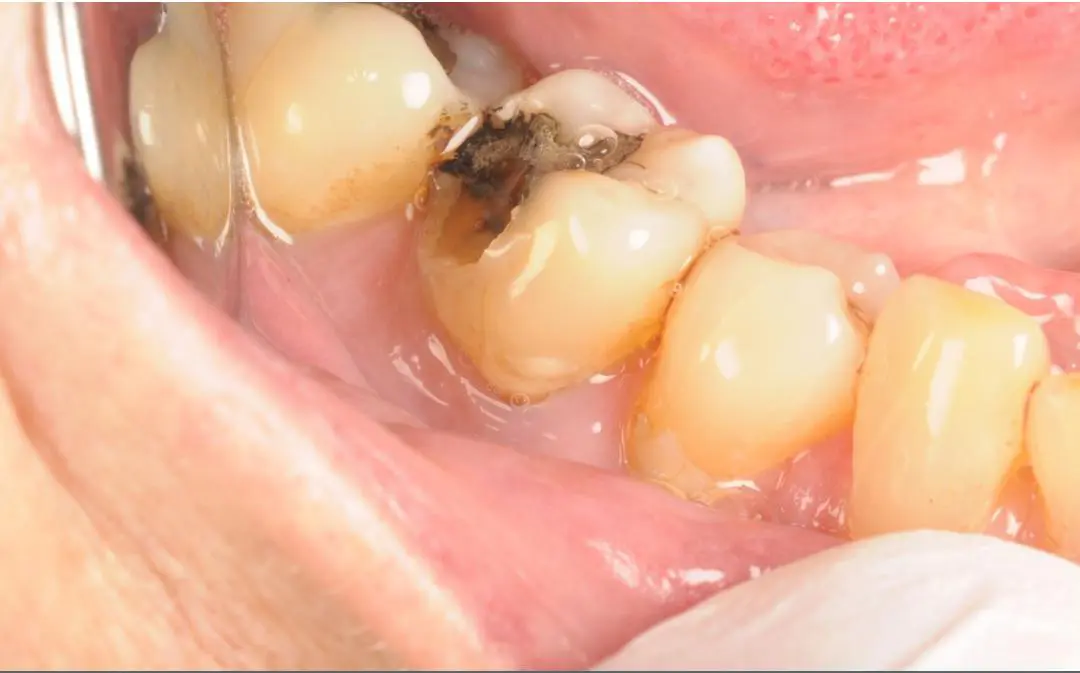
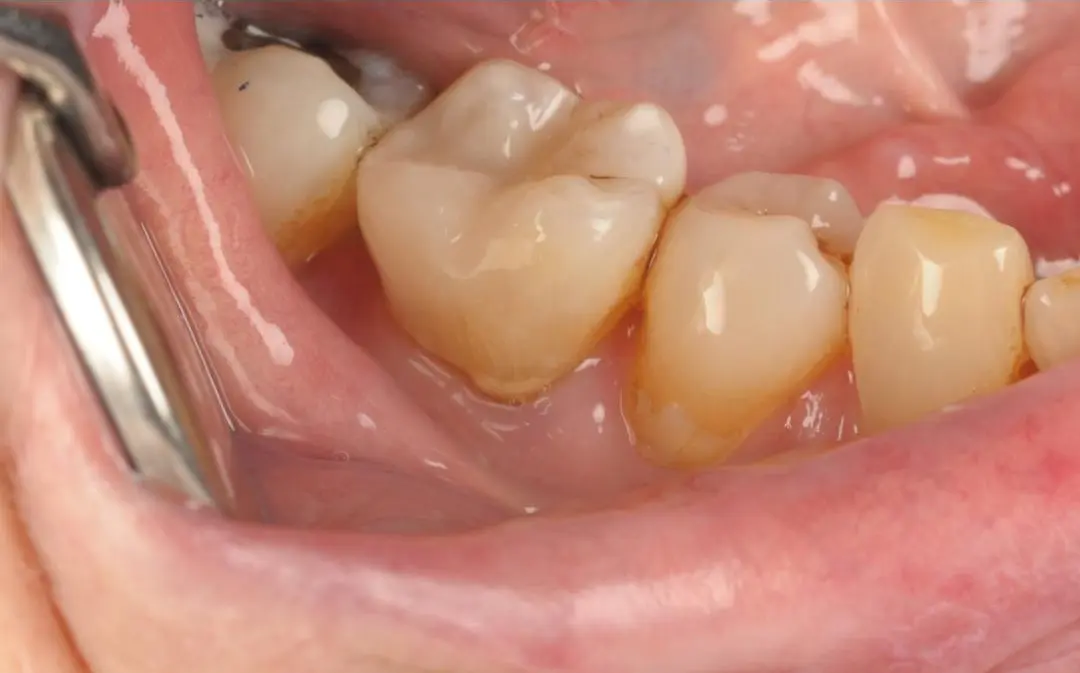
Real Patient Result: Emergency White Filling
Treatment by Dr Kamran
If you are experiencing dental pain or are concerned about a damaged tooth and need urgent attention, you can learn more about our emergency dental appointments to seek prompt professional advice.
The Underlying Dental Science: Why Cracks Are Taken Seriously
To understand why cracked teeth require timely attention, it helps to consider the structure of a tooth. Each tooth is composed of several layers:
- Enamel: The hard, outermost protective layer
- Dentine: A softer layer beneath the enamel that contains tiny tubules connecting to the nerve
- Pulp: The innermost chamber containing nerves, blood vessels, and connective tissue
When a crack penetrates through the enamel and into the dentine, it can expose those sensitive tubules, causing sharp pain — particularly when biting or when consuming hot or cold foods and drinks. If the crack reaches the pulp, bacteria can enter, leading to infection and inflammation. Left unaddressed, this can result in a dental abscess, significant discomfort, and the potential loss of the tooth entirely.
This is why early identification and treatment are generally associated with better outcomes, though individual results will always depend on clinical circumstances.
When to Seek Professional Dental Assessment
You may wish to seek a dental assessment if you experience any of the following:
- Sharp or shooting pain when biting or chewing
- Sensitivity to hot, cold, or sweet foods and drinks that lingers after the stimulus is removed
- Intermittent toothache that is difficult to pinpoint
- Swelling of the gum around a particular tooth
- A visible crack, chip, or fracture on the tooth surface
- A tooth that has been subjected to trauma or impact
These symptoms do not necessarily indicate a serious problem, but they are worth discussing with a dental professional. Early assessment allows the dentist to diagnose the issue accurately and explain the options available to you. Our tooth pain and sensitivity information may also be helpful if you are unsure whether your symptoms warrant an appointment.
Preventing Tooth Cracks: Practical Oral Health Advice
Whilst not all cracks can be prevented, there are sensible steps you can take to reduce the likelihood of tooth damage:
- Wear a custom mouthguard if you play contact sports or have been told you grind your teeth at night
- Avoid chewing on hard objects such as ice, pencils, or pen lids
- Maintain regular dental check-ups so that any early signs of wear or weakness can be identified and monitored
- Address teeth grinding early — your dentist may recommend a night guard or discuss underlying causes
- Have large or failing fillings assessed and replaced when appropriate to maintain tooth structure
- Follow a balanced diet low in excessive sugar and acidic foods, which can weaken enamel over time
Good preventative habits, combined with regular professional care, contribute meaningfully to long-term dental health.
Key Points to Remember
- A cracked tooth does not always require extraction; in many cases, a dental crown may be used to protect and restore the tooth.
- The type, location, and severity of the crack are the key factors in determining the most appropriate treatment.
- Some cracks may require root canal treatment before a crown is placed; others may be more complex and require extraction.
- Symptoms such as pain on biting, lingering sensitivity, or swelling around a tooth warrant professional dental assessment.
- Early intervention is generally associated with a wider range of treatment options.
- Preventative measures — including mouthguards, regular check-ups, and avoiding habits that stress the teeth — can help reduce the risk of cracking.
Frequently Asked Questions
How do I know if my tooth is cracked?
Common signs of a cracked tooth include sharp pain when biting, sensitivity to temperature that lingers after the trigger is removed, and intermittent discomfort that is difficult to locate precisely. Some cracks are visible, while others can only be detected through clinical examination or specialist imaging. If you suspect a crack, it is advisable to arrange a dental assessment rather than wait for symptoms to worsen.
Will a dental crown always save a cracked tooth?
Not in every case. A crown may provide good protection when the crack is confined to the upper portion of the tooth and the root remains healthy. However, if the crack has extended deeply into the root, or if significant infection is present, additional treatment or extraction may be necessary. A dentist will assess your individual situation before recommending a course of action.
Is a cracked tooth classed as a dental emergency?
This depends on the nature of the crack and the symptoms. A tooth that has fractured with significant pain, visible nerve exposure, swelling, or an abscess may require urgent dental care. Hairline surface cracks without pain may be less urgent but should still be professionally evaluated. If you are in significant discomfort, seeking an emergency dental appointment is a sensible step.
Can a cracked tooth heal on its own?
Unlike bone, tooth enamel does not regenerate or self-repair. A crack in a tooth will not resolve without dental treatment, and in many cases, it may worsen over time if left unaddressed. Early professional assessment supports a wider range of treatment options being available.
How long does a dental crown last on a cracked tooth?
Dental crowns are designed to be durable and, with appropriate care, can last many years. However, longevity depends on the material used, the location of the tooth, oral hygiene practices, and habits such as teeth grinding. Your dentist can advise you on the expected lifespan of a crown and how to care for it effectively.
Does getting a crown hurt?
The process of fitting a dental crown is typically carried out under local anaesthetic, so discomfort during the procedure is minimised. Some patients experience mild sensitivity or soreness in the days following treatment, but this generally settles. Your dental team will explain what to expect before, during, and after the procedure.
Conclusion
A cracked tooth is a concern that understandably prompts many people to seek information and reassurance. The encouraging news is that, depending on the nature of the crack and the health of the tooth, there are treatment options — including dental crowns — that may help preserve the tooth and restore its function without the need for extraction.
The key is professional assessment. Only a qualified dentist, following a thorough clinical examination, can determine the extent of the crack and recommend the most appropriate treatment path for your individual circumstances. Dental symptoms and treatment options should always be assessed individually during a clinical examination.
If you are experiencing any discomfort, sensitivity, or concern about a tooth, we encourage you to seek professional dental advice. Attending promptly generally gives the widest range of options and supports better long-term outcomes for your oral health.
Disclaimer: This article is intended for general educational purposes only and does not constitute personalised dental advice. Individual diagnosis and treatment recommendations require a clinical examination by a qualified dental professional.
Next Review Due: 25 September 2027
Disclaimer
This article is for general educational purposes only and does not constitute dental advice, diagnosis, or treatment. Every patient is different, so symptoms and treatment options should be assessed by a qualified dental professional during a clinical examination. No specific outcomes are guaranteed.