
Many people who experience a broken tooth expect to feel pain localised to the affected area. What often surprises them is when that discomfort begins to radiate into the jaw, ear, or even the neck. If you've recently chipped, cracked, or fractured a tooth and are now wondering why your jaw aches, you are certainly not alone — and it is a very understandable concern to have.
A broken tooth can cause jaw pain as well as tooth pain for a variety of reasons, from nerve involvement and muscle tension to developing infection. Understanding why this happens can help you make informed decisions about when to seek professional guidance and what to expect during a dental assessment.
This article explains the relationship between a broken tooth and jaw discomfort, outlines key symptoms to be aware of, and offers practical advice on maintaining your oral health while awaiting or considering professional dental care.
Experiencing these symptoms?
Delaying treatment can lead to tooth loss. We have slots available today.
Featured Snippet: Can a Broken Tooth Cause Jaw Pain?
Yes. A broken tooth can cause jaw pain as well as tooth pain. When a tooth is cracked or fractured, the exposed nerve endings, surrounding soft tissues, and jaw muscles can all become affected. If infection develops or the fracture extends toward the root, pain may spread beyond the tooth itself, radiating into the jaw and nearby structures.
Why a Broken Tooth Can Cause More Than Just Localised Pain
It is a common misconception that dental pain stays neatly within the boundaries of one tooth. In reality, the mouth is a highly interconnected system. The teeth sit within the jawbone, are surrounded by sensitive gum tissue, and are served by a complex network of nerves — most notably branches of the trigeminal nerve, which covers a large portion of the face, jaw, and head.
When a tooth breaks, several things can happen simultaneously. The protective outer layers of the tooth — enamel and dentine — may be disrupted, exposing the sensitive inner pulp. This exposure can cause immediate, sharp pain that the brain may not always accurately localise. The surrounding muscles of the jaw may also tighten as a protective response, leading to muscular jaw ache or stiffness.
Meet Dr. Yasha Shirazi
Principal Dentist at Emergency Dentist London
"We treat hundreds of dental emergencies every month. The sooner you come in, the easier the fix usually is."
Book an appointment with our team →Additionally, if a break is left unaddressed, bacteria can enter the tooth and cause infection, which may spread to the surrounding bone and soft tissues, further extending the area of discomfort. Understanding this interconnected anatomy helps explain why broken tooth pain is not always confined to a single spot.
Common Symptoms Associated With a Broken Tooth and Jaw Pain
Symptoms will vary depending on the severity of the fracture and the structures involved. Some people notice only mild sensitivity, while others experience more significant discomfort. Common signs that may accompany a broken tooth include:
- Sharp or shooting pain when biting or chewing
- Persistent dull ache in the tooth, jaw, or surrounding area
- Sensitivity to hot, cold, or sweet foods and drinks
- Swelling around the tooth, gum, or jaw
- Pain that radiates toward the ear, temple, or neck
- Difficulty opening or closing the mouth comfortably
- A visible crack, chip, or rough edge on the tooth surface
It is worth noting that some fractures — particularly cracked tooth syndrome — can be difficult to detect visually and may only become apparent during a dental examination. If you are experiencing jaw pain alongside dental discomfort, a professional assessment is the most reliable way to understand what is happening.
The Dental Science Behind Broken Tooth Pain
To understand why a broken tooth can cause jaw pain as well as tooth pain, it helps to consider basic tooth anatomy. Each tooth is composed of three primary layers:
- Enamel — the hard, outer protective surface
- Dentine — the softer layer beneath the enamel, containing microscopic tubules connected to the nerve
- Pulp — the innermost chamber containing blood vessels and nerve tissue
When a tooth breaks, the integrity of these layers is compromised. If the fracture reaches the dentine or pulp, nerve fibres become exposed or irritated. The trigeminal nerve — responsible for sensation across the face and jaw — can transmit these pain signals widely, which is why discomfort may be felt in the jaw, temple, or even the ear rather than purely at the tooth itself.
If bacteria penetrate the pulp through a fracture, an abscess may form at the root tip. This can cause pressure within the surrounding bone, contributing to jaw ache and swelling. In some cases, the jaw muscles themselves go into spasm as the body compensates for pain, adding a muscular element to the overall discomfort.
If you would like to understand more about how dental infections develop and when they may require urgent attention, you can find helpful information on our dental abscess and emergency dental care page.
When Professional Dental Assessment May Be Appropriate
Not all broken teeth cause severe or immediate jaw pain, but there are situations where seeking a professional dental evaluation sooner rather than later is advisable. You may wish to consider contacting a dentist if you notice:
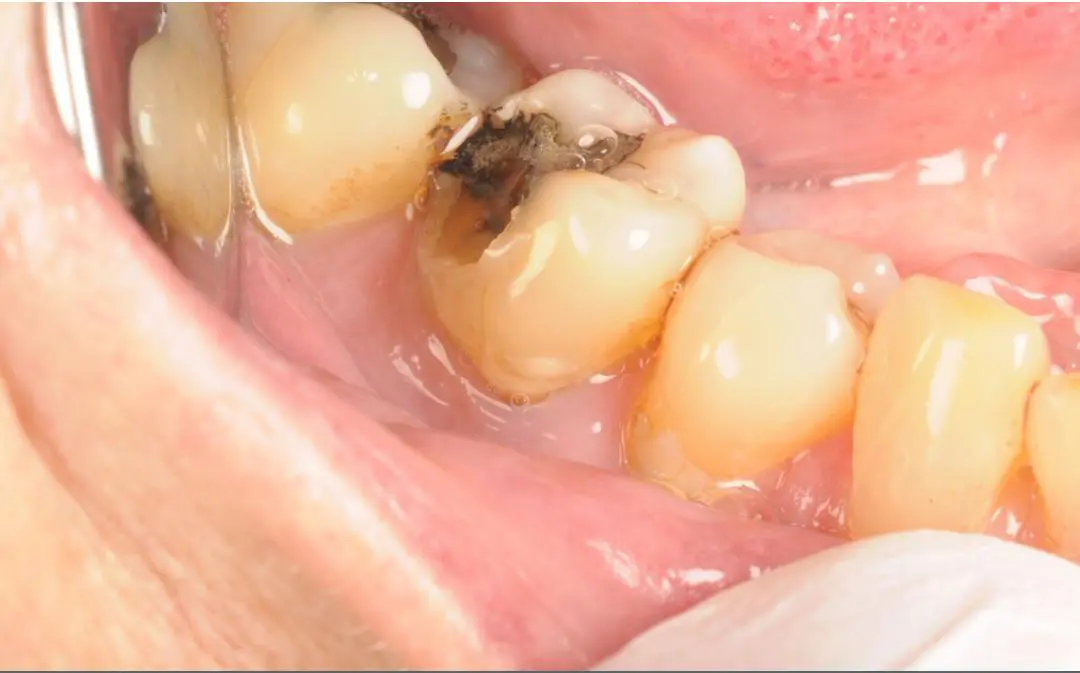
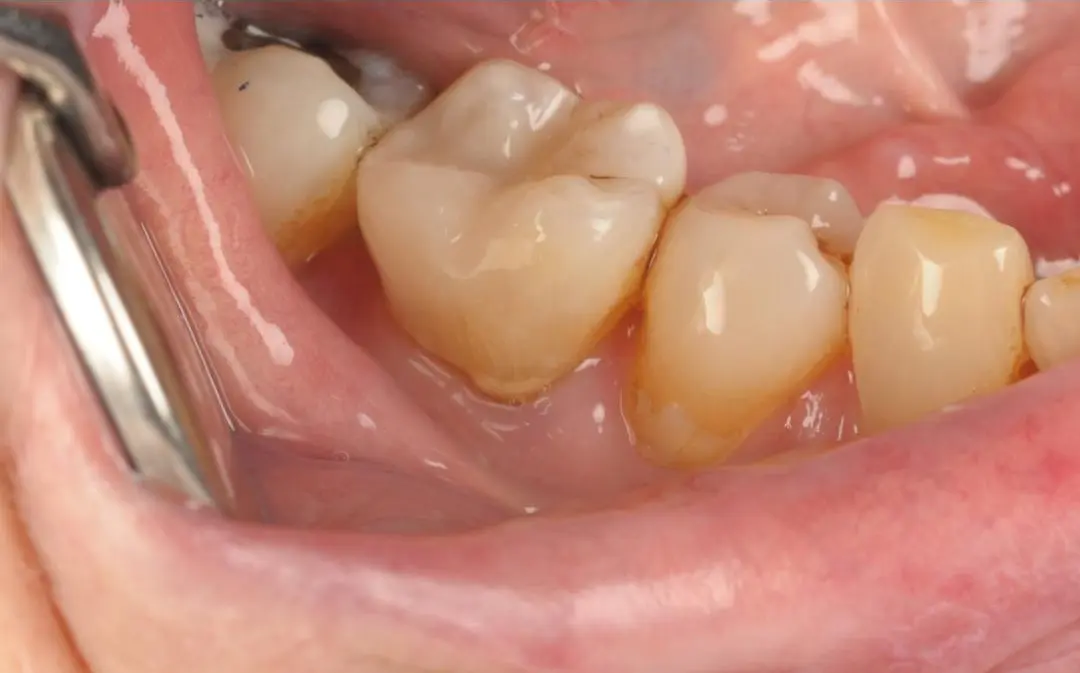
Real Patient Result: Emergency White Filling
Treatment by Dr Kamran
- Persistent or worsening pain that does not settle within a short period
- Visible swelling around the jaw, gum, or face
- Difficulty swallowing or opening the mouth
- A fever or general feeling of being unwell alongside dental pain
- Pain that spreads to the ear, neck, or head
- A knocked-out or severely damaged tooth following an accident or injury
These symptoms do not necessarily indicate a serious problem, but they do suggest that a clinical examination would be beneficial. A dentist can assess the nature and extent of any fracture, identify signs of infection, and discuss appropriate management options based on your individual circumstances.
If you have recently experienced a dental injury and are concerned, our team at Emergency Dentist in London is available to provide prompt assessment and guidance.
Treatment Approaches for a Broken Tooth
The approach a dentist takes to manage a broken tooth will depend entirely on the type and extent of the fracture, the condition of the underlying nerve and root, and your overall dental health. Common treatment options may include:
- Dental bonding or composite restoration for minor chips or surface fractures
- A dental crown to protect and restore a more significantly damaged tooth
- Root canal treatment if the pulp has been affected by the fracture or infection
- Extraction in cases where the tooth cannot be adequately restored
It is important to emphasise that treatment suitability is always determined through individual clinical assessment. No two broken teeth are the same, and what is appropriate for one person may not be suitable for another. If root canal treatment has been recommended to you and you would like to learn more, our root canal treatment information page provides a clear educational overview.
Prevention and Oral Health Advice
While accidents cannot always be avoided, there are steps you can take to reduce the risk of breaking a tooth and minimise complications if a fracture does occur:
- Wear a custom-fitted mouthguard during contact sports or physical activities
- Avoid using your teeth as tools to open packaging or bite hard objects
- Limit consumption of very hard foods such as ice, boiled sweets, or hard crusts
- Address tooth grinding (bruxism) early — speak to your dentist if you wake with jaw ache or are told you grind your teeth during sleep
- Attend regular dental check-ups so that existing weaknesses in teeth can be identified and managed before they become fractures
- Maintain a consistent oral hygiene routine to keep teeth and supporting structures as healthy as possible
Preventative dentistry is one of the most effective ways to protect your long-term dental health. Even small measures can make a meaningful difference over time.
Key Points to Remember
- A broken tooth can cause jaw pain as well as tooth pain due to nerve involvement, muscle tension, and potential infection
- The trigeminal nerve connects the teeth, jaw, and face, allowing pain to radiate beyond the tooth itself
- Symptoms such as jaw swelling, spreading pain, or fever alongside dental discomfort may indicate the need for professional evaluation
- Treatment options depend on the nature and severity of the fracture and are always determined through clinical assessment
- Preventative measures such as mouthguards and regular check-ups can help reduce the risk of dental fractures
- Prompt dental attention following a broken tooth can help prevent complications from developing
Frequently Asked Questions
Can a cracked tooth cause jaw pain without obvious tooth pain?
Yes, this is possible. Some types of dental fractures — particularly hairline cracks — may produce intermittent or diffuse discomfort rather than sharp, localised tooth pain. The jaw muscles may tense in response to even subtle dental trauma, causing aching that seems unrelated to a specific tooth. If you are experiencing unexplained jaw discomfort, a dental examination can help identify whether a tooth fracture may be contributing.
How long can a broken tooth cause jaw pain?
The duration of jaw pain associated with a broken tooth will vary depending on the severity of the fracture and whether any infection or nerve involvement is present. Minor chips may cause temporary sensitivity that settles relatively quickly. More significant fractures, particularly those affecting the pulp or surrounding bone, may cause ongoing discomfort until the tooth is appropriately treated. Persistent jaw pain warrants professional assessment.
Is jaw pain after breaking a tooth a sign of infection?
Jaw pain alone does not confirm an infection, but it may be one of several signs. Other indicators of a developing dental infection include swelling around the tooth or jaw, a bad taste in the mouth, sensitivity to pressure, and in some cases, fever or feeling generally unwell. If you are concerned about any of these symptoms, seeking a dental assessment promptly is advisable.
Can a broken tooth affect the jaw joint (TMJ)?
In some cases, yes. A fractured or missing tooth can alter the way you bite, which may place additional strain on the temporomandibular joint (TMJ) — the joint connecting your lower jaw to your skull. This can contribute to jaw clicking, stiffness, or aching. If you are experiencing these symptoms alongside a broken tooth, your dentist can assess whether the bite may be a contributing factor.
What should I do immediately after breaking a tooth?
If you break a tooth, try to remain calm. Rinse your mouth gently with lukewarm water. If there is bleeding, apply gentle pressure with clean gauze. Avoid eating on the affected side and try to avoid very hot, cold, or sweet foods until you have been seen by a dentist. Contact a dental practice as soon as possible to arrange an assessment, particularly if you are experiencing significant pain or swelling.
Is it safe to wait before getting a broken tooth checked?
For very minor chips without pain or sensitivity, a short wait may be acceptable. However, if you are experiencing jaw pain, significant tooth pain, swelling, or any signs that might suggest infection, seeking a dental assessment promptly is advisable. Fractures that go untreated can deteriorate further, and early attention often allows for simpler, more conservative treatment options.
Conclusion
A broken tooth can cause jaw pain as well as tooth pain, and understanding why this happens can help reduce anxiety and encourage timely professional guidance. The close relationship between the teeth, nerves, jaw muscles, and surrounding structures means that a fracture in a single tooth can have a wider impact than many people initially expect.
If you are experiencing jaw discomfort alongside a broken or damaged tooth, the most important step is to seek a professional dental assessment. A dentist can accurately evaluate the extent of any damage, identify whether infection or nerve involvement is present, and discuss the most appropriate management options for your individual situation.
Dental symptoms and treatment options should always be assessed individually during a clinical examination.
Disclaimer: This article is intended for general educational purposes only and does not constitute personalised dental advice. Individual diagnosis and treatment recommendations require a clinical examination by a qualified dental professional.
Next Review Due: 22 October 2027