
Having a dental restoration placed — whether it's a filling, crown, veneer, or dental implant — is a meaningful step towards protecting and restoring your smile. However, many patients leave the dental chair with unanswered questions: Can I brush normally tonight? Is flossing safe? Why does the area feel sensitive? These concerns are entirely understandable, and it's natural to search online for reassurance and practical guidance.
Knowing how to care for your mouth properly following a dental procedure is one of the most important aspects of ensuring a long-lasting, successful outcome. Hygiene guidance around fresh dental restorations can differ depending on the type of procedure, the materials used, and your individual oral health circumstances. Getting this right from the start can help support healing and reduce the risk of complications.
This article explains the key principles of brushing and oral hygiene care following common dental restorations, helping you feel confident and informed. As always, guidance specific to your restoration should come from your treating dental professional.
Experiencing these symptoms?
Delaying treatment can lead to tooth loss. We have slots available today.
Featured Snippet: How Should You Clean Around a New Dental Restoration?
Hygiene guidance around fresh dental restorations involves gentle but consistent brushing with a soft-bristled toothbrush, careful flossing technique, and avoiding abrasive products in the days immediately following treatment. The correct approach depends on the type of restoration, but maintaining cleanliness around the area is essential for healing and long-term success.
Why Oral Hygiene Matters More Than Ever After a Restoration
Many patients assume that because they've just had dental work completed, the treated area needs to be left alone entirely. In reality, the opposite is often true — clean restorations heal better and last longer. Plaque and bacteria do not discriminate between natural tooth surfaces and restorative materials. If left to accumulate, bacteria can cause gum inflammation, secondary decay, or complications around the margins of the restoration.
At the same time, the approach to cleaning must be adapted to account for sensitivity, the type of material used, and the specific location of the restoration. For example, a freshly placed composite resin filling that has been light-cured is generally firm immediately after placement, but the surrounding gum tissue may still be tender. A provisional (temporary) crown, on the other hand, requires considerably more care, as the temporary cement can be dislodged if cleaning is too vigorous or certain foods are consumed.
Meet Dr. Yasha Shirazi
Principal Dentist at Emergency Dentist London
"We treat hundreds of dental emergencies every month. The sooner you come in, the easier the fix usually is."
Book an appointment with our team →Understanding these distinctions helps patients make informed decisions about their hygiene routine — and helps protect the investment made in their dental treatment.
Types of Dental Restorations and What to Expect
Different restorations have different healing requirements. Here is a brief overview of the most common types and their immediate care considerations:
Composite Fillings
Tooth-coloured composite fillings are hardened immediately during the procedure using a curing light, meaning they are generally stable straight away. However, the gum tissue around the tooth may be tender for a day or two. Gentle brushing is advisable in the first 24–48 hours, using a soft-bristled brush and light pressure. Avoid very hot or cold foods initially if sensitivity is present.
Amalgam Fillings
Traditional silver amalgam fillings take longer to fully harden — typically up to 24 hours. Patients are usually advised to avoid chewing on the side of the mouth where the filling was placed for this initial period. Normal brushing can be resumed, but with care around the restoration site.
Crowns and Bridges
Permanent crowns and bridges are cemented into position during the appointment. Once set, they function much like natural teeth. However, flossing technique around the margins of a crown and beneath a bridge pontic (the artificial tooth spanning a gap) is particularly important. Floss threaders or interdental brushes can help access these areas safely.
Veneers
Porcelain veneers are bonded to the front surface of teeth and are generally quite durable, though they require careful maintenance to preserve their appearance. Avoid abrasive toothpastes and maintain a thorough but gentle cleaning technique.
Dental Implants
Implants require meticulous oral hygiene during the healing phase. Soft brushing around the implant site, use of a chlorhexidine mouthwash as directed by your clinician, and specialised interdental cleaning tools are often recommended. For comparable post-procedure cleaning principles, this guide on brushing after root canal treatment is a useful reference.
Step-by-Step Brushing Guidance Around Fresh Restorations
Following these general principles can help support healthy healing and protect your new restoration:
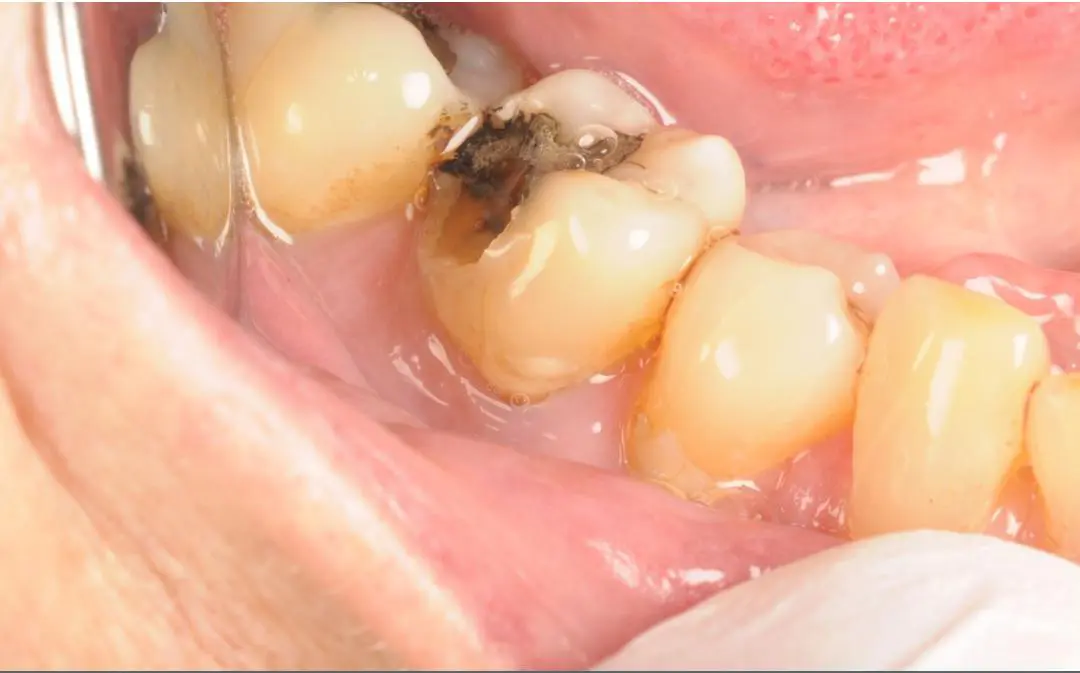
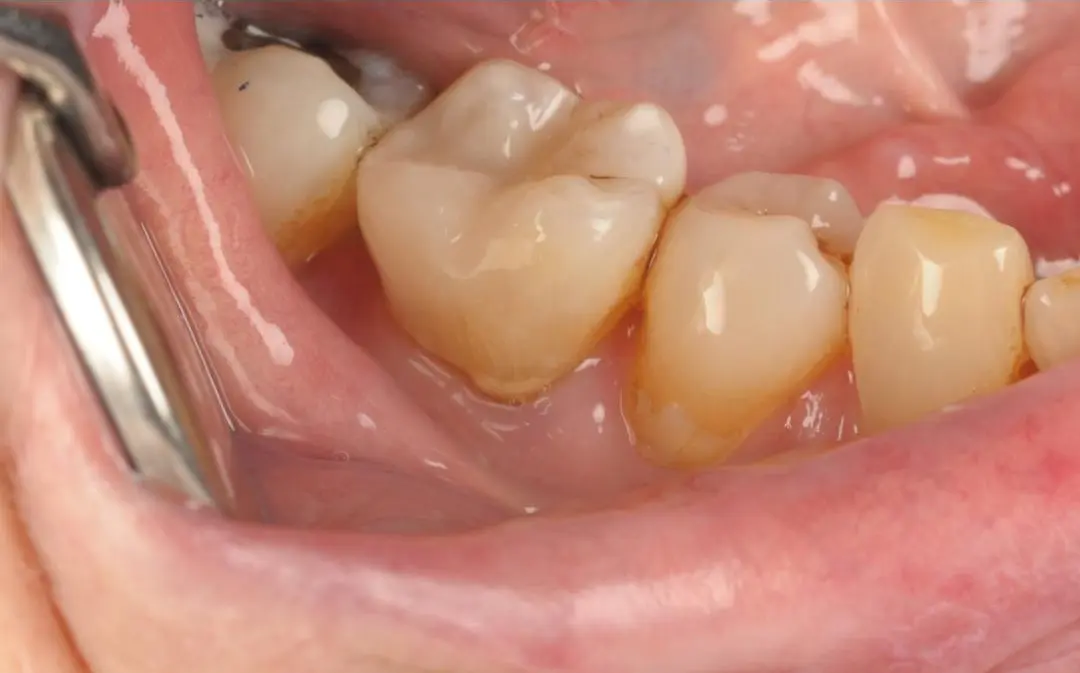
Real Patient Result: Emergency White Filling
Treatment by Dr Kamran
1. Choose the Right Toothbrush
Use a soft-bristled toothbrush. Medium or hard bristles can irritate tender gum tissue and, over time, may cause wear at the margins of restorations. Electric toothbrushes can be effective, but apply only gentle pressure — let the brush do the work.
2. Use Fluoride Toothpaste
A standard fluoride toothpaste is appropriate for most restorations. Avoid whitening toothpastes that contain abrasive particles in the days immediately following treatment, particularly with composite restorations or veneers.
3. Brush Gently but Thoroughly
Don't avoid the restored area entirely — clean it, but with care. Use small circular movements, angled slightly towards the gum margin. Aim for at least two minutes of brushing twice daily.
4. Be Cautious with Flossing
Flossing is generally safe around permanent restorations but should be done carefully. Slide the floss gently rather than snapping it downwards, which can irritate gum tissue. If a temporary crown or bridge is in place, ask your dentist whether flossing should be modified or temporarily avoided in that area.
5. Consider Antibacterial Mouthwash
Your dentist may recommend a chlorhexidine mouthwash for a short period following certain procedures. Follow their specific instructions, as prolonged use of chlorhexidine can cause tooth staining and should not be a long-term replacement for mechanical cleaning.
If you want a practical daily method, this resource on professional brushing techniques to minimise restoration wear can help you refine your routine.
The Dental Science Behind Restoration Care
To understand why these hygiene measures matter, it helps to have a basic understanding of what happens at the boundary between a restoration and your natural tooth.
The margin is the junction point where a restoration meets the tooth surface. Even the most precisely placed restoration has a microscopic margin, and this is an area where bacteria and food debris can accumulate if cleaning is inadequate. Over time, plaque at the margin can lead to secondary caries — new decay forming around or beneath an existing restoration — or marginal leakage, where bacteria penetrate the junction and compromise the integrity of the restoration.
Gum tissue adjacent to a fresh restoration may also be transiently inflamed due to the procedure itself. Consistent, gentle cleaning reduces bacterial load and allows the gingival tissue to settle and heal correctly. Neglecting hygiene — even out of misguided caution — can prolong gum inflammation and increase the risk of complications.
In the case of implants, the surrounding soft tissue (peri-implant mucosa) is particularly susceptible to bacterial accumulation, and poor hygiene is a significant contributing factor to peri-implantitis, a condition affecting the tissues surrounding an implant.
Foods and Habits to Be Mindful Of Following Restoration
Oral hygiene is only one component of post-restoration care. What you eat and how you use your teeth in the days following a procedure also plays a role:
- Avoid very sticky or chewy foods for at least 24–48 hours, particularly with temporary restorations where adhesion may be lighter.
- Avoid excessively hard foods such as hard sweets, ice, or very crusty bread in the initial days, to avoid placing unnecessary force on the restoration.
- Limit acidic beverages such as fizzy drinks, citrus juices, and wine in the short term, as acidity can temporarily soften the surface of composite restorations. You can read more in this guide on dietary habits to avoid with fresh bonding and crowns.
- Avoid smoking where possible. Tobacco use is associated with impaired healing, gum disease, and staining of tooth-coloured restorations.
- Avoid chewing on the side of a newly placed restoration if sensitivity or discomfort is still present.
If you experience persistent discomfort when biting, it is important to contact your dentist, as the restoration may need minor adjustment to your bite. This is a routine and straightforward procedure that should not be delayed.
When Professional Dental Assessment May Be Appropriate
Most patients heal comfortably following a dental restoration, and any initial sensitivity or tenderness typically resolves within one to two weeks. However, there are certain signs that may indicate the need to contact your dental practice:
- Persistent or increasing pain beyond the expected healing period
- Sensitivity to hot or cold that does not gradually improve
- A high or uneven bite — the restoration may feel raised when you close your teeth together
- Visible cracking, chipping, or movement of the restoration
- Swelling or tenderness in the surrounding gum tissue that is worsening rather than improving
- A temporary restoration coming loose or falling out — this should be addressed promptly to protect the underlying tooth
These situations are not cause for alarm, but they do benefit from a professional review so that any adjustments or additional treatment can be made in a timely manner. If you are in London and are experiencing discomfort or concerns following recent dental treatment, the team at Emergency Dentist in London is available to provide professional assessment and support.
Prevention and Long-Term Oral Health Following Restoration
Protecting your restoration over the long term requires the same commitment to oral health that helps protect your natural teeth. Consider the following preventative measures:
Regular Dental Check-Ups
Routine dental examinations allow your dentist to monitor the condition of existing restorations, identify early signs of secondary decay, and ensure the gum tissue around the restoration remains healthy.
Consistent Home Hygiene Routine
Brushing twice daily with fluoride toothpaste and flossing once daily remains the cornerstone of oral health — regardless of the number or type of restorations you have.
Protective Measures if Appropriate
If you grind your teeth at night (a condition known as bruxism), speak to your dentist about a custom occlusal splint. Excessive grinding can fracture or dislodge restorations and places significant mechanical stress on dental materials.
Diet and Lifestyle Choices
A balanced diet low in sugar and acidic foods supports both gum health and the longevity of dental materials. Staying well-hydrated and avoiding smoking are also beneficial for overall oral health.
Attend Follow-Up Appointments
Some restorations, particularly implants and complex bridgework, may benefit from scheduled hygiene appointments with a dental hygienist who can professionally clean areas that are difficult to reach with home tools alone.
For broader advice on maintaining good oral health between treatments, exploring the educational resources available through your dental practice is always worthwhile. If you need an in-person review, you can book a follow-up appointment.
Key Points to Remember
- Hygiene guidance around fresh dental restorations is essential — clean, bacteria-free surfaces support healing and restoration longevity.
- Use a soft-bristled toothbrush and fluoride toothpaste; avoid abrasive products in the initial days following treatment.
- Floss carefully around permanent restorations, and ask your dentist about flossing technique for temporary crowns or bridges.
- Different restorations have different care requirements — always follow the specific post-treatment instructions provided by your dentist.
- Minor sensitivity following a restoration is common, but persistent or worsening pain warrants professional review.
- Long-term restoration success depends on regular check-ups, consistent home hygiene, and protective measures where appropriate.
Frequently Asked Questions
How soon can I brush my teeth after a filling?
You can typically brush your teeth the same evening after a composite (tooth-coloured) filling, as it is hardened during the procedure. With amalgam fillings, it is generally advisable to avoid chewing on the treated side for up to 24 hours, though gentle brushing can still be performed. Always use a soft-bristled brush and be gentle around the treated area for the first day or two. If your gum tissue is tender following the procedure, warm salt water rinses can be soothing while you allow the area to settle.
Is it safe to floss around a new crown?
Yes, flossing around a permanent crown is not only safe but encouraged. Keeping the margin between the crown and the gum line clean is important for preventing gum disease and secondary decay. Slide the floss gently between the teeth rather than snapping it forcefully, and guide it carefully below the gum margin. If a temporary crown is in place, ask your dentist whether standard flossing should be modified, as vigorous flossing could dislodge the temporary cement.
Why is my tooth sensitive after a new filling?
Some degree of post-operative sensitivity is very common following dental restorations, particularly with composite fillings placed in deeper cavities. The tooth structure undergoes minor stress during the procedure, and the surrounding nerve may respond with temporary heightened sensitivity to temperature, pressure, or sweet foods. This typically resolves within one to two weeks. If sensitivity is increasing rather than decreasing, or persists beyond a fortnight, it is worth contacting your dentist for a review, as the bite may require adjustment.
Can I use an electric toothbrush after dental treatment?
Electric toothbrushes are generally suitable for use around most dental restorations and can be effective at removing plaque. The key is to apply minimal pressure — allow the brush head to do the work, and don't scrub. In the immediate days following certain procedures (particularly implant surgery or periodontal treatment), your dentist may advise using a manual soft toothbrush initially while the area heals. Always follow the specific guidance given by your treating clinician.
How do I clean underneath a dental bridge?
Cleaning underneath a dental bridge requires a different approach than standard flossing, as the floss cannot pass directly between the artificial tooth (pontic) and the gum tissue beneath it. Floss threaders allow you to pass floss underneath the bridge from the side. Interdental brushes and water flossers can also be very effective for cleaning beneath bridge pontics. Your dental hygienist can demonstrate the correct technique and recommend the most appropriate tools for your specific bridge.
When should I return to the dentist after a restoration?
Your dentist will advise on your specific follow-up schedule at the time of treatment. For straightforward fillings, a routine check-up at your next scheduled appointment is usually sufficient. For crowns, bridges, implants, or more complex restorations, a dedicated follow-up appointment may be arranged. You should contact your dental practice sooner if you experience persistent pain, a high or uneven bite, visible damage to the restoration, or any swelling or infection-related symptoms. Prompt attention to these concerns can prevent more significant complications from developing.
Conclusion
Caring properly for a dental restoration in the days and weeks following treatment is one of the most effective things you can do to protect both your oral health and the investment made in your smile. Brushing hygiene guidance around fresh dental restorations is not complicated, but it does require a degree of mindfulness and an adapted approach in the early stages of healing.
By choosing the right tools, brushing gently but consistently, flossing with care, and following the personalised advice given by your dental team, you can support successful healing and maximise the longevity of your restoration. Being attentive to how the area feels in the days following treatment — and knowing when to seek professional review — is equally important.
Dental symptoms and treatment options should always be assessed individually during a clinical examination. If you have concerns about a recent restoration or are experiencing discomfort that has not resolved, we encourage you to seek professional guidance from a qualified dental professional who can evaluate your specific circumstances.
Disclaimer
This article is for general educational purposes only and does not constitute professional dental advice, diagnosis, or treatment.
Every patient's circumstances are unique; dental symptoms and treatment options should always be assessed during a clinical examination by a qualified dental professional.
No specific outcomes are guaranteed.
This content has been prepared in line with GDC, CQC, ASA CAP Code, and GMC communication standards.
If you have concerns about your oral health, please contact a registered dentist.