
Tooth fractures can occur unexpectedly, causing immediate concern and discomfort for patients. Whether resulting from biting hard foods, dental trauma, or underlying tooth weakness, fractures often prompt people to search online for immediate guidance and treatment information. Understanding the different types of tooth fractures and available clinical options can help patients make informed decisions about their dental care.
This article explores the assessment process for tooth fractures, examining various clinical approaches including supportive drainage techniques and comprehensive care options. We'll discuss how dental professionals evaluate fractured teeth, the importance of proper diagnosis, and treatment strategies that may help preserve tooth structure. From minor enamel chips to complex root fractures, each situation requires individual assessment to determine the most appropriate clinical approach. Professional dental evaluation remains essential for accurate diagnosis and effective treatment planning when tooth fractures occur.
What are the clinical options for tooth fractures?
Clinical options for tooth fractures include assessment of fracture severity, supportive drainage for infected cases, restorative treatments such as bonding or crowns, and root canal therapy when pulp damage occurs. Treatment selection depends on fracture location, depth, and associated complications.
Experiencing these symptoms?
Delaying treatment can lead to tooth loss. We have slots available today.
Understanding Different Types of Tooth Fractures
Tooth fractures vary significantly in their severity and clinical presentation. Enamel fractures typically affect only the outer tooth layer, often appearing as small chips or cracks that may cause minimal discomfort. Dentine fractures extend deeper into the tooth structure, potentially causing sensitivity and requiring more comprehensive treatment approaches.
Crown fractures involve the visible portion of the tooth above the gum line and may range from minor chips to extensive breaks exposing the tooth's inner pulp chamber. Root fractures occur below the gum line and often present more complex treatment challenges, as they affect the tooth's foundation and stability.
Vertical root fractures can be particularly concerning, as they may extend from the crown down through the root structure. These fractures sometimes develop gradually and may not cause immediate symptoms, making early detection through professional examination important for optimal treatment outcomes.
Meet Dr. Yasha Shirazi
Principal Dentist at Emergency Dentist London
"We treat hundreds of dental emergencies every month. The sooner you come in, the easier the fix usually is."
Book an appointment with our team →Clinical Assessment and Diagnostic Approaches
Dental professionals employ various diagnostic techniques to evaluate tooth fractures comprehensively. Visual examination allows assessment of visible crack lines, missing tooth fragments, and surrounding tissue changes. Gentle probing helps determine fracture depth and extent without causing additional damage.
Radiographic imaging provides valuable information about fractures extending below the gum line or involving root structures. Advanced imaging techniques may reveal fractures not visible during standard examination, helping clinicians develop appropriate treatment strategies.
Percussion testing involves gentle tapping of the affected tooth to assess pain response and structural integrity. Bite tests using specialised instruments can help identify incomplete fractures that may not be immediately apparent but cause discomfort during chewing function.
Temperature sensitivity tests evaluate nerve health within fractured teeth, providing insight into potential pulp damage that might require endodontic intervention alongside fracture repair.
Supportive Drainage Techniques in Fracture Management
When tooth fractures become complicated by infection or abscess formation, supportive drainage may form part of the clinical management strategy. Drainage procedures help reduce pressure buildup and allow infected material to clear from affected tissues surrounding the fractured tooth.
Incision and drainage techniques may be employed when soft tissue swelling accompanies fractured teeth with associated infection. This approach can provide symptomatic relief whilst allowing healing of surrounding structures before definitive fracture treatment.
Endodontic drainage through the tooth's root canal system may be necessary when fractures expose the pulp chamber to bacterial contamination. This technique allows drainage of infected pulp tissue whilst preserving the remaining tooth structure for potential restoration.
Drainage procedures are typically combined with appropriate antimicrobial therapy and supportive care measures to optimise healing conditions before implementing definitive fracture repair techniques.
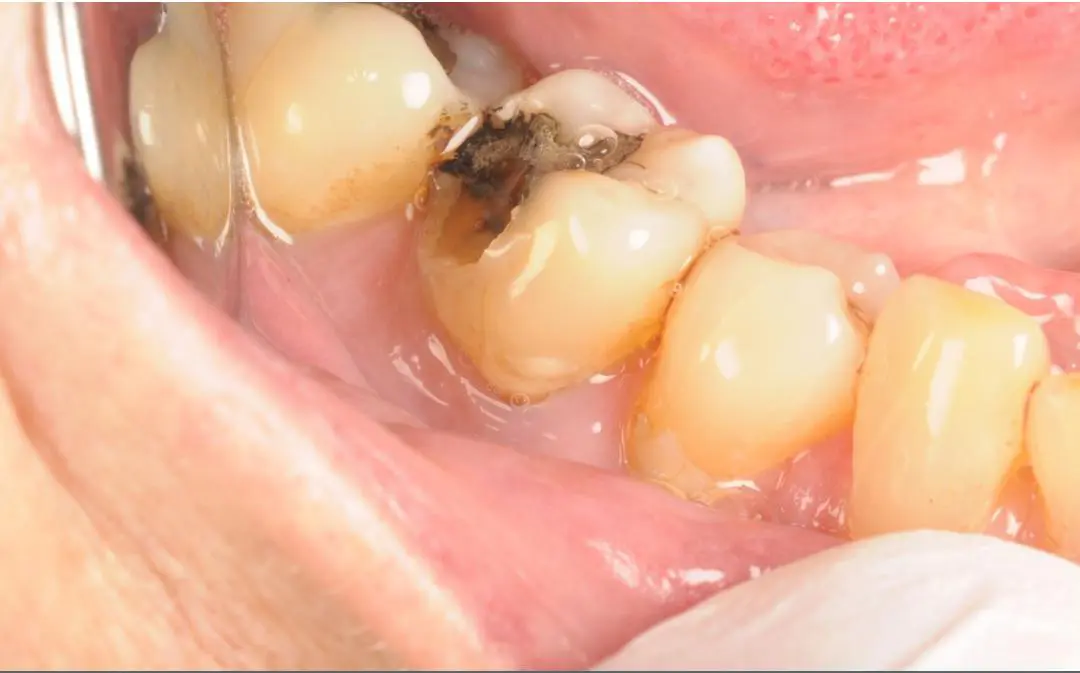
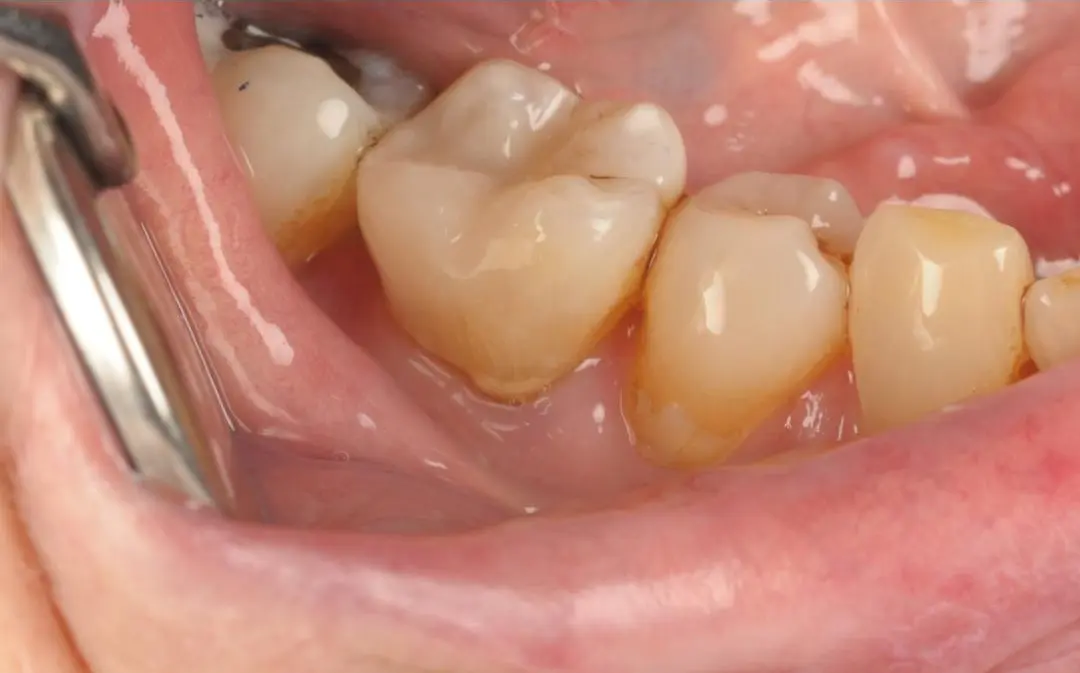
Real Patient Result: Emergency White Filling
Treatment by Dr Kamran
Restorative Treatment Options for Fractured Teeth
Conservative restorative approaches may be suitable for minor tooth fractures affecting enamel or small portions of dentine. Composite bonding can effectively restore tooth contour and function whilst preserving maximum natural tooth structure.
Crown placement may be recommended for more extensive fractures involving significant tooth structure loss. Crowns provide comprehensive protection and restore both function and aesthetics for severely fractured teeth that retain healthy root structure.
Inlay or onlay restorations offer intermediate treatment options for fractures too extensive for simple fillings but not requiring full crown coverage. These treatments preserve healthy tooth structure whilst providing adequate protection and restoration of chewing function.
Complex fractures may require combination therapy involving endodontic treatment followed by post and core build-up before crown placement. This approach addresses both pulp damage and structural restoration needs in comprehensively fractured teeth.
When Professional Dental Assessment May Be Needed
Persistent tooth pain following trauma or suspected fracture warrants professional dental evaluation. Pain may indicate nerve damage, infection development, or fracture progression requiring clinical intervention to prevent further complications.
Swelling around fractured teeth, particularly when accompanied by facial swelling or fever, suggests possible infection that may require immediate professional attention. Early assessment allows appropriate treatment planning and prevents potential spread of infection.
Temperature sensitivity, particularly to cold stimuli, following tooth trauma may indicate pulp exposure requiring professional evaluation. Changes in sensitivity patterns can help dental professionals assess fracture severity and plan appropriate treatment approaches.
Visible tooth damage, loose tooth fragments, or changes in bite alignment following dental trauma benefit from prompt professional assessment to prevent complications and optimise treatment outcomes through early intervention.
Prevention Strategies for Tooth Fractures
Avoiding hard foods such as ice, hard sweets, and unpopped popcorn kernels can reduce fracture risk, particularly for teeth with existing fillings or weakened structure. Cutting hard foods into smaller pieces rather than biting directly can protect teeth from excessive force.
Using appropriate protective equipment during sports activities helps prevent dental trauma that commonly leads to tooth fractures. Custom-fitted mouthguards generally provide better fit and protection than standard options and accommodate individual dental anatomy.
Regular dental examinations allow early detection of tooth weakness, such as large fillings or cracks, that may predispose to fractures. Preventive treatment can strengthen vulnerable teeth before fractures occur, preserving natural tooth structure and avoiding more complex interventions.
Addressing teeth grinding or clenching habits through professional dental assessment can reduce chronic stress on teeth that contributes to fracture development over time. Night guards or other protective devices may be recommended based on individual needs.
Understanding Tooth Structure and Fracture Healing
Tooth structure consists of multiple layers, each with different healing capabilities following fracture. Enamel, the outer protective layer, cannot regenerate once damaged and requires artificial restoration to restore protection and function.
Dentine, the tooth's middle layer, contains living cells that can produce some reparative tissue following injury. However, extensive dentine fractures typically require professional intervention to prevent bacterial invasion and preserve tooth vitality.
The tooth's pulp chamber contains nerves and blood vessels essential for tooth health. Fractures exposing pulp tissue to oral bacteria often require endodontic treatment to prevent infection and preserve the remaining tooth structure.
Root structure provides tooth stability within the jawbone. Root fractures may heal with proper immobilisation and professional management, though healing success varies depending on fracture location and patient factors.
Key Points to Remember
• Tooth fractures vary in severity from minor enamel chips to complex root breaks requiring different treatment approaches
• Professional assessment helps determine appropriate clinical options including supportive drainage when infection complicates fractures
• Early intervention often improves treatment outcomes and preserves natural tooth structure
• Preventive measures including avoiding hard foods and using protective equipment reduce fracture risk
• Symptoms such as persistent pain, swelling, or temperature sensitivity warrant professional dental evaluation
• Treatment success depends on fracture type, location, and timing of professional intervention
Frequently Asked Questions
Can small tooth fractures heal naturally without treatment?
Enamel cannot regenerate once fractured, so even small chips require professional assessment to prevent progression. Dentine may produce some reparative tissue, but bacterial invasion through fracture lines can lead to infection if left untreated. Professional evaluation determines whether conservative monitoring or active treatment provides optimal outcomes for individual cases.
How do dentists determine if a fractured tooth needs drainage?
Clinical signs of infection such as swelling, pus discharge, or severe pain may indicate need for drainage procedures. Radiographic imaging helps identify abscesses or bone changes around fractured teeth. Pulp testing evaluates nerve health, whilst percussion tests assess inflammatory responses that might benefit from drainage techniques combined with definitive fracture treatment.
What factors influence treatment choices for tooth fractures?
Fracture location, depth, and direction affect treatment selection significantly. Patient age, medical history, and tooth position within the mouth influence healing potential and restoration options. Presence of infection, remaining tooth structure, and functional requirements guide clinical decision-making. Emergency dental care considerations may modify standard treatment approaches in acute situations.
Are there alternatives to extraction for severely fractured teeth?
Root canal treatment combined with post and crown restoration can preserve severely fractured teeth with healthy root structure. Surgical crown lengthening may expose additional tooth structure for restoration in specific cases. Split-tooth techniques or intentional replantation represent advanced options for complex fractures, though success rates vary depending on individual circumstances.
How long does recovery take after tooth fracture treatment?
Simple restorations typically allow immediate function with some initial sensitivity lasting days to weeks. Root canal therapy may require several appointments with healing periods between procedures. Crown placement involves temporary restoration periods whilst permanent restorations are fabricated. Complex cases involving drainage or surgical procedures may require extended healing periods before final restoration placement.
What complications can develop from untreated tooth fractures?
Bacterial invasion through fracture lines can cause pulp infection requiring more extensive treatment than early intervention. Progressive fracture extension may compromise tooth structure beyond restorative repair. Abscess formation can affect surrounding teeth and supporting structures. Chronic pain and functional limitations develop when fractures remain untreated, potentially affecting overall oral health and quality of life.
Conclusion
Tooth fractures present diverse clinical challenges requiring individualised assessment and treatment planning. Understanding the range of available clinical options, from conservative restorative approaches to comprehensive drainage and reconstruction techniques, helps patients appreciate the complexity of fracture management. Professional dental evaluation remains essential for accurate diagnosis and optimal treatment selection based on fracture characteristics and patient factors.
Early intervention often provides the best opportunity for preserving natural tooth structure and achieving favourable long-term outcomes. Preventive strategies including protective equipment use and avoiding damaging habits can significantly reduce fracture risk. When fractures do occur, prompt professional assessment allows appropriate treatment planning that addresses both immediate concerns and long-term oral health maintenance.
Dental symptoms and treatment options should always be assessed individually during a clinical examination.
Disclaimer
This article is for educational purposes only and does not constitute dental or medical advice. Individual dental conditions can only be assessed through direct clinical examination by a qualified dental professional. No treatment outcomes are guaranteed, and this content cannot replace personalised clinical guidance from a registered practitioner. Readers with dental concerns, symptoms, or trauma should seek prompt professional assessment. This content complies with General Dental Council (GDC) communication standards, Care Quality Commission (CQC) patient safety principles, and Advertising Standards Authority (ASA) healthcare communication guidelines.