
Discovering a small, painful bump on your gums can be concerning and often leads people to search online for answers about what it might be and how to manage it. A gum boil, also known as a parulis or gingival abscess, is a localised swelling that can appear anywhere along the gum line. Many patients notice these bumps suddenly and worry about what they mean for their oral health.
Understanding what a gum boil represents and why professional dental assessment is important can help you make informed decisions about your oral healthcare. These swellings typically indicate an underlying infection or inflammatory process that requires proper evaluation to determine an appropriate management approach. Whilst gum boils may sometimes appear to resolve on their own, the underlying cause often remains and may lead to recurring problems without proper treatment.
This article will explain what gum boils are, their common causes, and why seeking professional dental assessment is a reliable way to address both the visible symptoms and any underlying oral health issues that may be contributing to the problem.
Experiencing these symptoms?
Delaying treatment can lead to tooth loss. We have slots available today.
What is a Gum Boil?
A gum boil appears as a small, often painful swelling on the gum tissue that may contain fluid or pus. These localised bumps can vary in size and may be red, white, or yellowish in appearance. The swelling represents the body's attempt to contain and drain an infection that has developed in the surrounding tissues.
Gum boils can occur for various reasons, including bacterial infections around teeth, trapped food particles, or complications from existing dental work. The visible swelling is often just the surface manifestation of a deeper problem that may involve the tooth root, surrounding bone, or gum tissues. Understanding that the bump itself is a symptom rather than the primary condition helps explain why professional evaluation is typically needed to determine an appropriate management approach.
Common Causes of Gum Boils
Several factors can contribute to the development of gum boils, with bacterial infections being the most frequent underlying cause. Poor oral hygiene can allow bacteria to accumulate around the gum line, leading to localised infections that manifest as swelling. Food particles that become trapped between teeth or below the gum line can also create an environment where bacteria multiply and cause inflammatory responses.
Meet Dr. Yasha Shirazi
Principal Dentist at Emergency Dentist London
"We treat hundreds of dental emergencies every month. The sooner you come in, the easier the fix usually is."
Book an appointment with our team →Dental trauma, such as injuries to teeth or aggressive brushing, may damage gum tissues and create entry points for bacteria. Existing dental conditions, including tooth decay that has progressed to affect the root, can also lead to infections that appear as gum boils. In some cases, complications from previous dental procedures or ill-fitting dental appliances may contribute to tissue irritation and subsequent infection.
Certain medical conditions that affect immune function or healing capacity may increase the likelihood of developing gum boils. Stress and hormonal changes can also influence gum health and the body's ability to fight off infections. Understanding these various contributing factors helps explain why professional assessment is valuable for determining the specific cause and an appropriate management strategy.
The Infection Process and Oral Health Impact
When bacteria multiply in the tissues around teeth and gums, the body's immune system responds by sending white blood cells to fight the infection. This immune response causes inflammation, swelling, and the accumulation of fluid that creates the characteristic appearance of a gum boil. The swelling may fluctuate in size as the infection progresses or as the body attempts to contain it.
If left unaddressed, the infection that causes a gum boil can potentially spread to surrounding tissues, including the bone that supports the teeth. This progression can lead to more serious complications that may affect tooth stability and overall oral health. The bacteria involved in gum infections can also enter the bloodstream, potentially impacting general health, particularly in individuals with certain medical conditions.
Professional assessment allows for proper evaluation of the extent of the infection and any potential complications. Dental professionals can determine whether the infection is localised to the gum tissue or whether it involves deeper structures such as the tooth root or surrounding bone. This assessment is crucial for developing an effective treatment plan that addresses both the immediate symptoms and the underlying cause.
When Professional Dental Assessment May Be Needed
Several situations indicate that professional dental evaluation may be beneficial for managing a gum boil. Persistent swelling that does not resolve within a few days, particularly when accompanied by pain or tenderness, warrants professional assessment. Signs of spreading infection, such as facial swelling, fever, or swollen lymph nodes, suggest that the condition may require prompt dental attention.
Recurring gum boils in the same location often indicate an underlying problem that has not been fully addressed. Professional evaluation can help identify the root cause and develop a comprehensive treatment approach. Pain that interferes with eating, speaking, or daily activities is another indication that professional assessment may be helpful.
Changes in the appearance of the swelling, such as increasing size, changes in colour, or the development of additional symptoms, may also warrant professional evaluation. Individuals with compromised immune systems, diabetes, or other medical conditions that affect healing may benefit from professional assessment even for seemingly minor gum swellings.
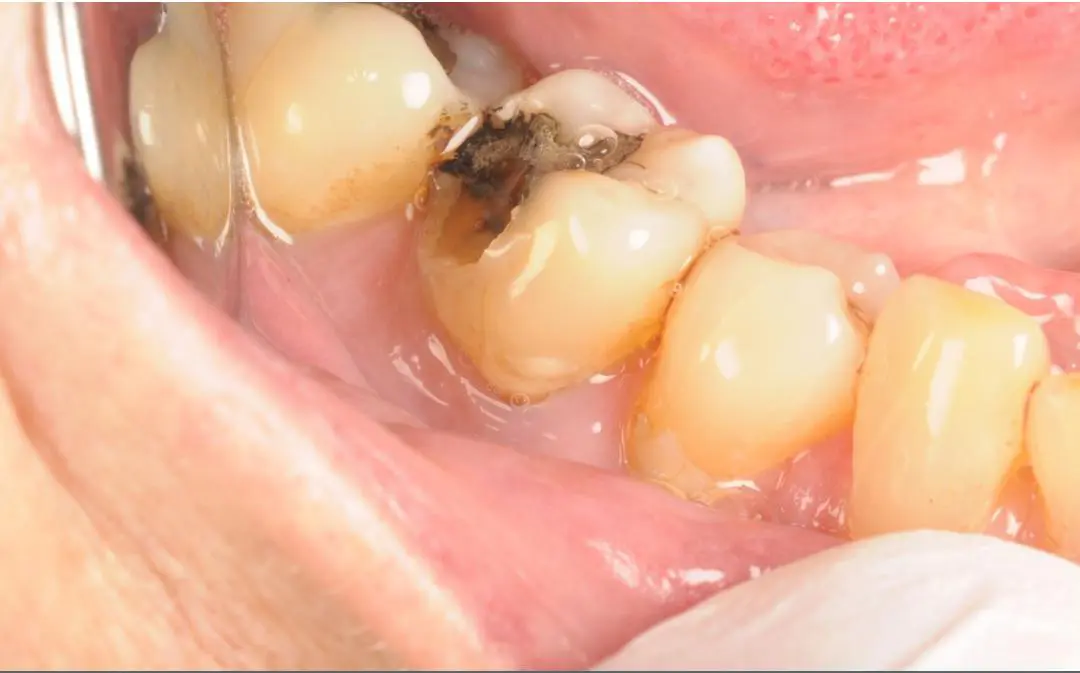
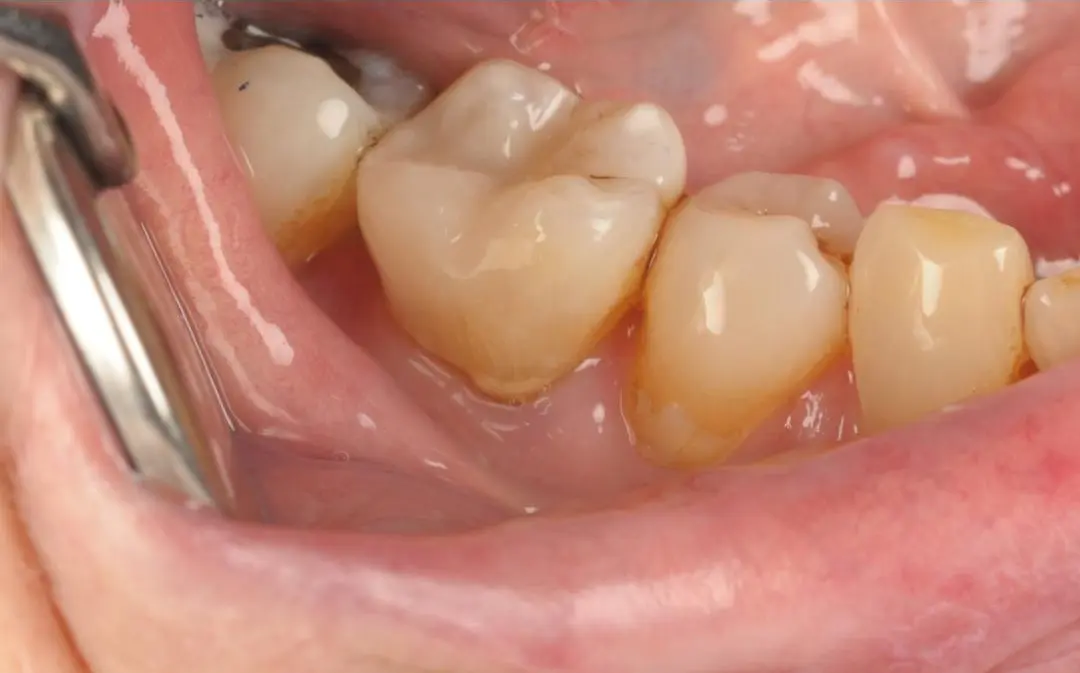
Real Patient Result: Emergency White Filling
Treatment by Dr Kamran
Professional Treatment Approaches
Dental professionals have various approaches available for managing gum boils, depending on the underlying cause and extent of the infection. Treatment may involve draining the accumulated fluid or pus to relieve pressure and allow the infection to heal. In some cases, emergency dental care may be necessary if the infection is spreading or causing significant discomfort.
Antimicrobial treatments may be recommended to address bacterial infections that contribute to gum boil formation. Professional cleaning of the affected area can remove bacteria and debris that perpetuate the infection. If the gum boil is related to an infected tooth, root canal treatment may be necessary to address the source of the infection.
The specific treatment approach depends on factors such as the location of the gum boil, the underlying cause, and the patient's overall oral health. Professional assessment allows for proper diagnosis and the development of a targeted treatment plan that addresses both immediate symptoms and long-term oral health considerations. Follow-up care may be recommended to monitor healing and ensure that the underlying problem has been effectively resolved.
Prevention and Oral Health Maintenance
Maintaining good oral hygiene is fundamental for preventing the bacterial accumulations that can lead to gum boils. Regular brushing with fluoride toothpaste and daily flossing help remove plaque and food particles that can contribute to infections. Using an antimicrobial mouthwash may provide additional protection against harmful bacteria.
Regular dental check-ups allow for early detection and management of oral health issues before they progress to cause gum boils. Professional cleanings remove bacterial accumulations that may not be reached through home oral care alone. Addressing dental problems such as cavities or gum disease promptly can prevent complications that might lead to more serious infections.
Lifestyle factors also play a role in gum health. Avoiding tobacco products, maintaining a balanced diet, and managing stress can support the immune system's ability to fight off infections. Staying hydrated and limiting sugary or acidic foods and drinks can help maintain a healthier oral environment that is less conducive to harmful bacterial growth.
Key Points to Remember
• Gum boils typically indicate underlying infections that require proper assessment to determine the root cause
• Professional evaluation can distinguish between localised gum infections and more serious conditions affecting teeth or bone
• Early assessment may help prevent complications and the spread of infection to surrounding tissues
• Treatment approaches vary depending on the underlying cause and extent of the infection
• Good oral hygiene and regular dental care can help prevent the bacterial accumulations that often lead to gum boils
• Recurring gum boils often indicate persistent underlying problems that benefit from professional management
Frequently Asked Questions
How long do gum boils typically last?
The duration of gum boils varies depending on the underlying cause and whether appropriate treatment is received. Some may appear to resolve within a few days, whilst others persist for weeks or recur frequently. Professional assessment can help determine why a gum boil has developed and an appropriate management approach. Persistent or recurring gum boils often indicate underlying issues that require professional attention to achieve lasting resolution.
Can I treat a gum boil at home?
Whilst gentle oral hygiene and saltwater rinses may provide some comfort, gum boils typically indicate underlying infections that benefit from professional assessment. Home remedies cannot address the root cause of most gum boils, and attempting to drain them without proper sterile technique may introduce additional bacteria. Professional evaluation ensures that any underlying dental problems are properly identified and addressed.
Are gum boils always serious?
Gum boils indicate the presence of infection or inflammation that warrants attention, though the severity can vary. Even seemingly minor gum boils may be symptoms of more significant underlying dental problems. Professional assessment helps determine the extent of the condition and whether it requires immediate treatment or can be managed with preventive measures and monitoring.
What causes gum boils to keep returning?
Recurring gum boils often indicate that the underlying cause has not been fully addressed. This might include persistent bacterial infections, untreated tooth decay, trapped debris, or other oral health issues. Professional evaluation can identify why gum boils continue to develop in the same location and develop a comprehensive treatment plan to address the root cause.
Can gum boils affect my general health?
Oral infections, including those that cause gum boils, can potentially impact general health, particularly in individuals with compromised immune systems or certain medical conditions. The bacteria involved in dental infections may enter the bloodstream and affect other parts of the body. Professional assessment ensures that infections are properly managed and helps prevent potential complications.
When should I seek urgent dental care for a gum boil?
Signs that may indicate the need for prompt professional assessment include facial swelling, fever, difficulty swallowing, swollen lymph nodes, or rapidly worsening symptoms. Severe pain that interferes with eating or sleeping may also warrant urgent evaluation. These symptoms may indicate that an infection is spreading beyond the localised area and requires immediate professional attention.
Conclusion
Understanding why professional assessment is necessary for managing gum boils helps patients make informed decisions about their oral healthcare. Gum boils typically represent underlying infections or inflammatory processes that require proper evaluation to determine their cause and an appropriate management approach. Whilst these swellings may sometimes appear minor, they often indicate dental problems that can lead to more serious complications if left unaddressed.
Professional dental assessment provides the expertise needed to distinguish between different types of gum problems and develop targeted treatment plans. This evaluation can identify whether a gum boil is related to localised gum infection, tooth decay, trapped debris, or other underlying issues. Early professional assessment may help prevent complications and ensure that both immediate symptoms and underlying causes are effectively addressed.
Maintaining good oral hygiene and seeking regular dental care remain effective approaches for preventing the bacterial accumulations and dental problems that often lead to gum boils. When gum boils do occur, professional evaluation provides the best opportunity for effective management and long-term oral health maintenance. Dental symptoms and treatment options should always be assessed individually during a clinical examination.
Disclaimer
This article is for educational purposes only and does not constitute medical or dental advice. It cannot replace professional consultation, diagnosis, or treatment by a qualified dental or medical professional. Individual symptoms and treatment requirements vary and must be assessed through clinical examination. Do not delay seeking professional care based on information found here. Always seek immediate help for urgent dental symptoms or emergencies.