
Many patients who have undergone or been referred for root canal treatment are understandably curious when their dentist recommends placing a crown afterwards. It can feel like a great deal of treatment — and naturally prompts the question: why is a crown after root canal treatment necessary if the tooth has already been saved?
This is one of the most common questions asked by adults researching dental treatment options online, and it is entirely reasonable. Understanding the clinical reasoning behind this recommendation can help patients feel more informed and confident when discussing their treatment plan with their dentist.
This article explains what happens to a tooth during root canal treatment, why the tooth may become more vulnerable as a result, and how a dental crown helps protect and restore its function. It also covers situations where patients might want to seek professional dental assessment, along with practical oral health advice.
Experiencing these symptoms?
Delaying treatment can lead to tooth loss. We have slots available today.
It is important to note that all treatment recommendations depend on an individual clinical assessment — what is appropriate for one patient may differ significantly for another.
Featured Snippet: Why Is a Crown Recommended After Root Canal Treatment?
A crown after root canal treatment is often recommended because the tooth becomes structurally weaker once the nerve and pulp tissue are removed. The remaining tooth structure may be more prone to fracture under biting pressure. A crown helps protect and restore the tooth, supporting long-term function and durability — though suitability depends on individual clinical assessment.
What Happens to a Tooth During Root Canal Treatment?
Root canal treatment is a procedure carried out when the pulp — the soft tissue inside the tooth containing nerves and blood vessels — becomes infected or significantly damaged. The dentist removes the pulp, cleans and shapes the root canals, and seals them to prevent re-infection.
Meet Dr. Yasha Shirazi
Principal Dentist at Emergency Dentist London
"We treat hundreds of dental emergencies every month. The sooner you come in, the easier the fix usually is."
Book an appointment with our team →Whilst this process effectively addresses the source of infection or pain, it also has structural implications for the tooth itself. Once the pulp is removed, the tooth no longer receives the same blood supply and nourishment it once did. Over time, this can cause the tooth to become more brittle and less resilient to the forces placed upon it during normal chewing and biting.
Additionally, root canal treatment often requires access through the top of the tooth, which means removing some existing tooth structure. If the tooth had already been weakened by decay, previous fillings, or cracks before the procedure, the remaining structure following treatment may be significantly compromised.
Understanding this helps explain why further restoration — such as a dental crown — may form an important part of the overall treatment plan.
The Clinical Reason: How Root Canal Treatment Affects Tooth Structure
To appreciate why a crown is frequently recommended, it helps to consider basic tooth anatomy. A healthy tooth is composed of three main layers: the enamel (the hard outer layer), the dentine (the inner structure), and the pulp (the living core).
When root canal treatment is performed, the pulp is removed entirely. Whilst enamel and dentine remain, the tooth loses some of its internal support structure. Dentine, without the internal nourishment provided by the pulp, can gradually become more susceptible to micro-fractures. On molar teeth especially — which bear the greatest forces during chewing — this vulnerability is particularly significant.
Research and clinical experience both suggest that uncrowned teeth following root canal treatment have a considerably higher risk of fracture compared to those restored with a crown. A fractured tooth may be irreparable in some cases, potentially leading to extraction. A well-placed crown acts as a protective casing around the remaining tooth, distributing biting forces more evenly and significantly reducing fracture risk.
For patients considering root canal treatment in London, understanding this subsequent restoration step can help in planning the full course of treatment from the outset.
Not Every Tooth May Require a Crown
Whilst crowns are commonly recommended after root canal treatment, it is important to acknowledge that this is not a universal rule. Clinical decision-making is nuanced and based on several individual factors.
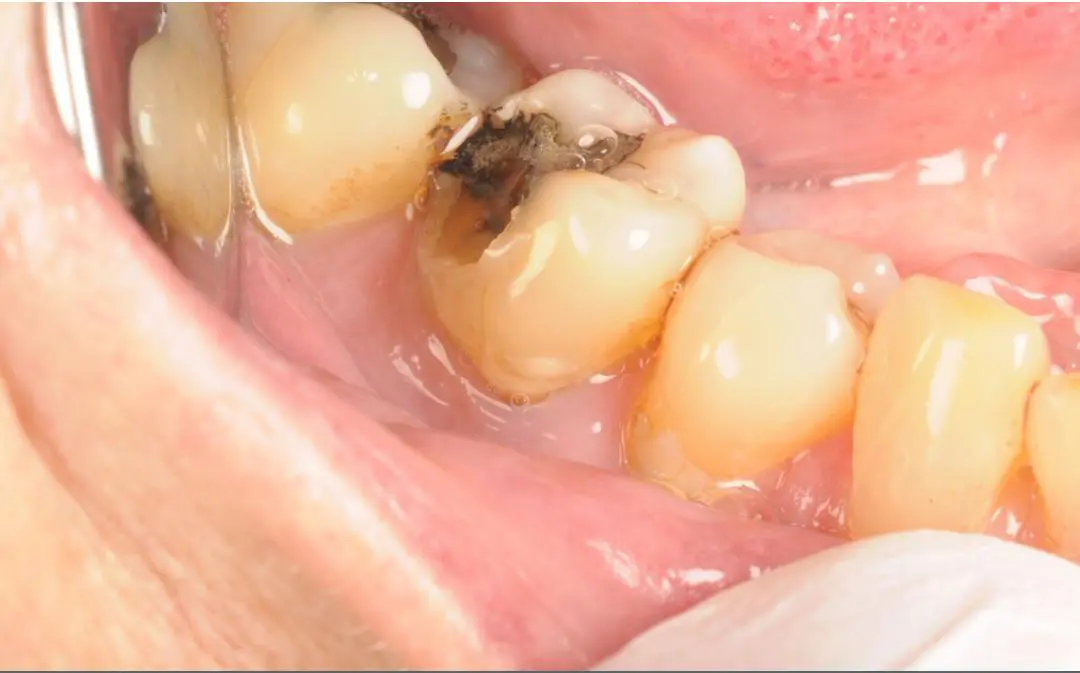
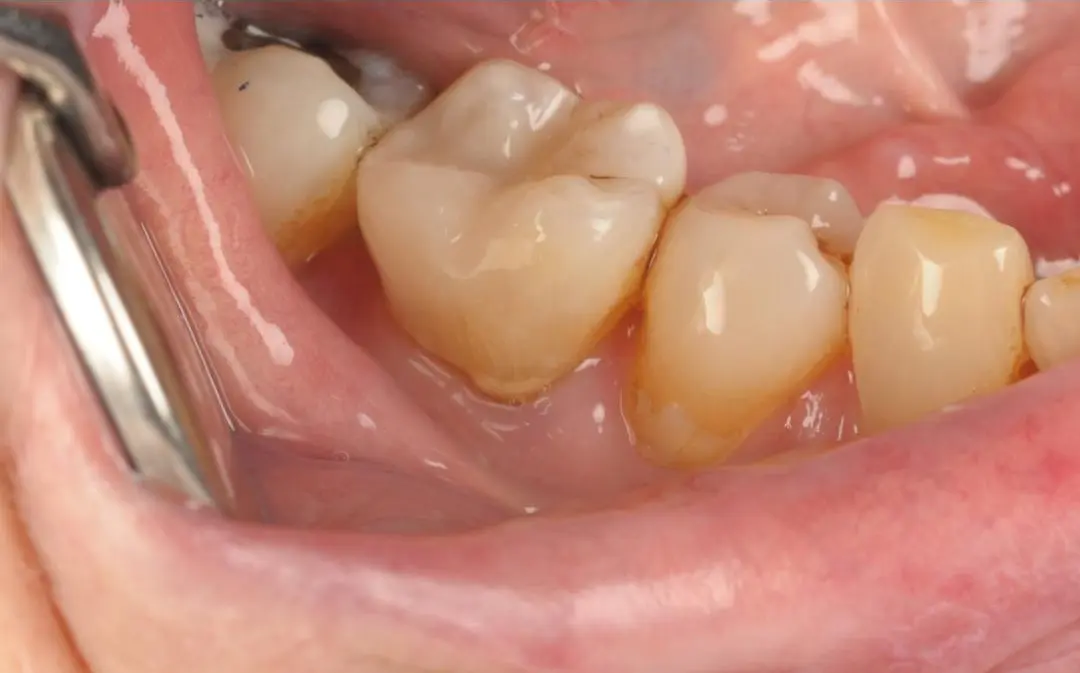
Real Patient Result: Emergency White Filling
Treatment by Dr Kamran
For example, front teeth (incisors and canines) experience relatively lighter biting forces compared to back teeth. If a front tooth has sufficient remaining tooth structure and is not subjected to excessive stress, a dentist may decide that a well-placed composite filling or other restoration is adequate — at least in the short term.
Back teeth such as premolars and molars, however, are far more likely to benefit from crown placement following root canal treatment. These teeth absorb the majority of chewing force and are therefore at greater risk of fracture if left unprotected.
A thorough clinical assessment, including X-rays and an examination of the remaining tooth structure, will guide the most appropriate recommendation for each individual patient.
When You Should Seek Professional Dental Assessment
There are certain signs and circumstances where seeking a professional dental evaluation promptly would be advisable, particularly for patients who have already undergone root canal treatment:
- Persistent or returning pain in a previously treated tooth
- Sensitivity to pressure or discomfort when biting down
- Swelling or tenderness in the gum surrounding the tooth
- A visible crack or chip in the tooth
- A loose or lost temporary filling placed after root canal treatment
- Discolouration of the treated tooth, which may indicate internal changes
These symptoms do not necessarily indicate treatment failure, but they do warrant professional evaluation. If you are experiencing any of the above, it may be appropriate to arrange an emergency dental assessment to determine the cause and discuss next steps.
Dental symptoms and treatment options should always be assessed individually during a clinical examination.
How to Care for a Tooth Following Root Canal Treatment
Good oral hygiene and attentive aftercare can help protect a root-canal-treated tooth and any crown placed upon it. The following practical habits are beneficial:
- Brush twice daily using a fluoride toothpaste, paying careful attention to the gumline around crowned or restored teeth
- Floss daily to prevent plaque accumulation between teeth
- Avoid using the treated tooth to bite down on very hard foods such as ice, hard sweets, or crusty bread until a permanent restoration has been placed
- Attend regular dental check-ups so the restored tooth can be monitored for any signs of change
- Wear a night guard if your dentist has identified teeth grinding (bruxism), as this places excessive force on restored teeth
- Avoid smoking, which can impair healing and increase the risk of dental infections
Supporting your overall dental health with regular preventative care remains one of the most effective ways to maintain treated and natural teeth alike.
Key Points to Remember
- Root canal treatment removes the pulp of the tooth, which can leave the remaining tooth structure more brittle and vulnerable to fracture.
- A dental crown is commonly recommended after root canal treatment, particularly on back teeth, to protect against fracture and restore function.
- Not all teeth will require a crown — clinical suitability depends on the location of the tooth, the amount of remaining structure, and individual patient factors.
- Symptoms such as persistent pain, swelling, or sensitivity in a previously treated tooth warrant professional evaluation.
- Good oral hygiene, regular dental check-ups, and avoiding unnecessary pressure on treated teeth all support long-term outcomes.
- All treatment decisions should be made following a thorough clinical examination by a qualified dental professional.
Frequently Asked Questions
Is a crown always necessary after root canal treatment?
Not always. The need for a crown following root canal treatment depends on several clinical factors, including which tooth was treated, how much natural tooth structure remains, and the patient's bite and habits. Back teeth such as molars and premolars are more commonly recommended for crowns due to the higher biting forces they experience. Front teeth may sometimes be restored with alternative options. Your dentist will assess your individual circumstances and advise accordingly following a clinical examination.
How long after root canal treatment should a crown be placed?
The timing of crown placement following root canal treatment varies depending on the clinical situation. In many cases, dentists aim to place a permanent crown within a few weeks of completing the root canal procedure, particularly to minimise the time the tooth spends with only a temporary restoration. A temporary filling may be placed initially whilst the crown is being fabricated. Your dentist will advise on an appropriate timeline based on your individual treatment plan.
Can a root canal treated tooth survive without a crown?
In some cases, yes — particularly for front teeth with sufficient remaining structure. However, for back teeth, leaving a root canal treated tooth without a crown significantly increases the risk of fracture over time. A fractured tooth may be difficult or impossible to restore, sometimes resulting in extraction. Crowns play an important protective role in preserving the long-term function of treated teeth, though this must be evaluated on a case-by-case basis.
Will a crown look natural on a treated tooth?
Modern dental crowns are designed to closely match the appearance of natural teeth. Tooth-coloured ceramic or porcelain crowns are commonly used and can be shade-matched to blend with surrounding teeth. For back teeth, more durable materials such as porcelain-fused-to-metal or full ceramic options may be discussed depending on clinical suitability and aesthetic preferences. Your dentist can advise on the most appropriate type of crown for your situation.
How do I know if my root canal treated tooth has developed a problem?
Signs that a previously root canal treated tooth may require further assessment include returning or persistent pain, sensitivity to pressure, swelling or tenderness in the surrounding gum tissue, a loose crown or filling, or visible cracking. These signs do not always indicate treatment failure, but they should be professionally evaluated. Early assessment is generally preferable, as it allows for more treatment options to be considered.
Does root canal treatment always cause the tooth to become discoloured?
Tooth discolouration can sometimes occur following root canal treatment, particularly if remnants of the pulp tissue were not fully removed or if certain filling materials were used. In many cases, however, modern techniques and materials minimise the risk of significant colour change. If discolouration does occur, cosmetic options such as internal bleaching or a crown may be discussed. This is best assessed on an individual basis during a dental consultation.
Conclusion
Understanding why a crown after root canal treatment is often recommended helps patients approach their dental care with greater confidence and clarity. Root canal treatment is an effective way to preserve a tooth that might otherwise require extraction, but the procedure does leave the tooth more structurally vulnerable. A dental crown serves as a protective restoration that supports the long-term function and integrity of the treated tooth — particularly for back teeth that bear significant biting forces.
That said, crown placement is not a universal requirement following root canal treatment, and decisions should always be guided by a thorough clinical assessment of each individual patient.
If you have concerns about a root canal treated tooth, are experiencing any unusual symptoms, or would like to discuss your restoration options, it is always advisable to seek professional dental advice. Early evaluation typically results in a broader range of available options.
Dental symptoms and treatment options should always be assessed individually during a clinical examination.
Disclaimer: This article is intended for general educational purposes only and does not constitute personalised dental advice. Individual diagnosis and treatment recommendations require a clinical examination by a qualified dental professional.
Next Review Due: 02 November 2027