
It is entirely understandable to feel concerned if your tooth hurts when biting after a recent root canal. Many patients in London search online for reassurance in the days or weeks following the procedure, wondering whether what they are experiencing is a normal part of recovery or something that warrants attention.
Root canal treatment, clinically referred to as endodontic treatment, is a common dental procedure designed to remove infected or damaged tissue from inside the tooth. The aim is to relieve pain, save the natural tooth, and prevent the spread of infection. However, it is not unusual for patients to notice some degree of discomfort or sensitivity when biting down in the period immediately following treatment.
This article explains why tooth pain when biting after a root canal occurs, what the underlying dental science tells us, which symptoms may settle on their own, and when it would be appropriate to contact your dental team for further assessment. The information shared here is educational in nature and should always be considered alongside professional clinical advice.
Experiencing these symptoms?
Delaying treatment can lead to tooth loss. We have slots available today.
Featured Snippet: Why Does My Tooth Hurt When I Bite After a Root Canal?
Tooth pain when biting after a root canal is common and often relates to temporary inflammation in the tissues surrounding the tooth root. The procedure involves working inside the tooth canal, which can cause mild irritation to the surrounding ligament. This discomfort typically settles within a few days to a couple of weeks as healing progresses.
Is Some Discomfort After a Root Canal Normal?
One of the most frequently asked questions following endodontic treatment is whether any level of discomfort is expected. The short answer is yes — some degree of post-treatment sensitivity is a recognised and well-documented part of the healing process.
During a root canal, your dentist removes the pulp tissue from inside the tooth, cleans the canals thoroughly, and seals them to prevent re-infection. Although the nerve inside the tooth is removed as part of this process, the tooth still has surrounding tissues — including the periodontal ligament — which remain very much alive and capable of registering sensation.
Meet Dr. Yasha Shirazi
Principal Dentist at Emergency Dentist London
"We treat hundreds of dental emergencies every month. The sooner you come in, the easier the fix usually is."
Book an appointment with our team →These surrounding tissues can become inflamed in response to the procedure itself. This inflammation is part of the body's natural healing response and does not necessarily indicate a complication. Patients often describe a dull ache or sensitivity when biting down or applying pressure to the treated tooth during this recovery period.
Mild to moderate discomfort that gradually reduces over the days following treatment is generally considered within the expected range. Over-the-counter pain relief, as recommended by your dentist, can often help manage this during the initial recovery period.
The Dental Science Behind Post-Root Canal Sensitivity
Understanding the anatomy of a tooth helps explain why biting pain can occur after root canal treatment.
Each tooth root is anchored in the jawbone by a network of fibrous connective tissue known as the periodontal ligament (PDL). This ligament acts as a natural shock absorber when you bite and chew, distributing the forces placed on the tooth. It contains nerve fibres that are sensitive to pressure and inflammation.
During root canal treatment, instruments, irrigating solutions, and filling materials are used within the root canal system. Occasionally, a small amount of the irrigating solution or filling material may extend slightly beyond the tip of the root into the surrounding tissues. Even without this, the mechanical process of cleaning the canals can cause temporary irritation to the PDL.
The result is a condition sometimes referred to as post-endodontic periodontitis — inflammation of the tissue surrounding the tooth root. This is typically self-limiting, meaning the body resolves it naturally over time. In most cases, this explains the biting sensitivity many patients experience and does not indicate treatment failure or ongoing infection.
When Might Biting Pain After a Root Canal Need Attention?
Whilst mild discomfort that gradually improves is generally expected, there are certain symptoms that may indicate it would be helpful to contact your dental team for further assessment.
Consider getting in touch with your dentist if you notice any of the following:
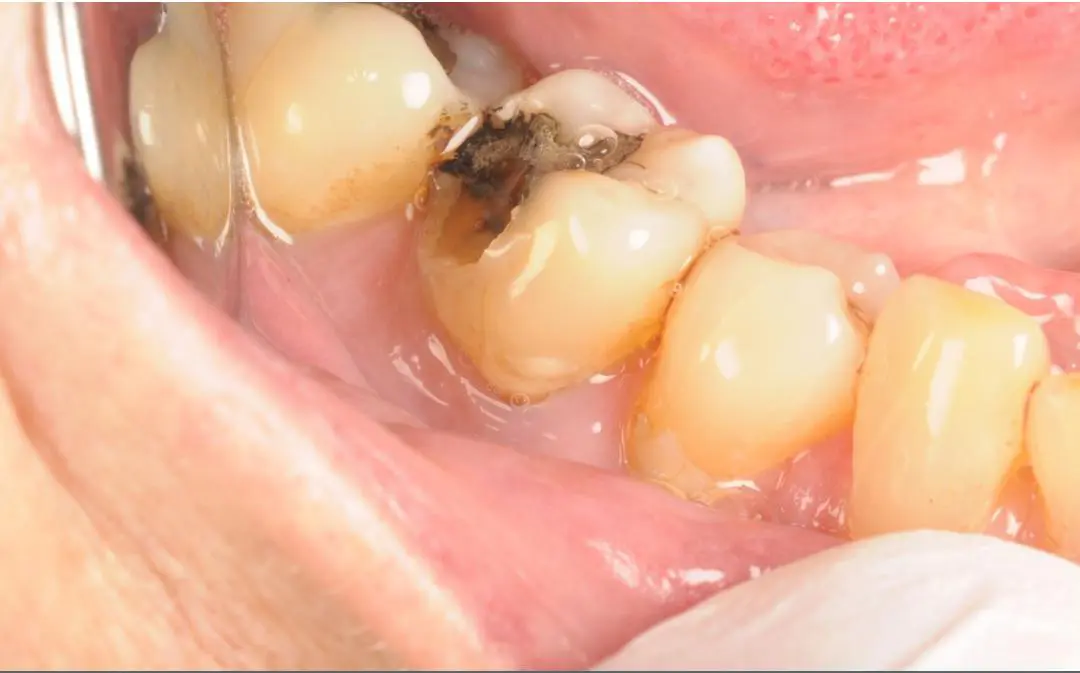
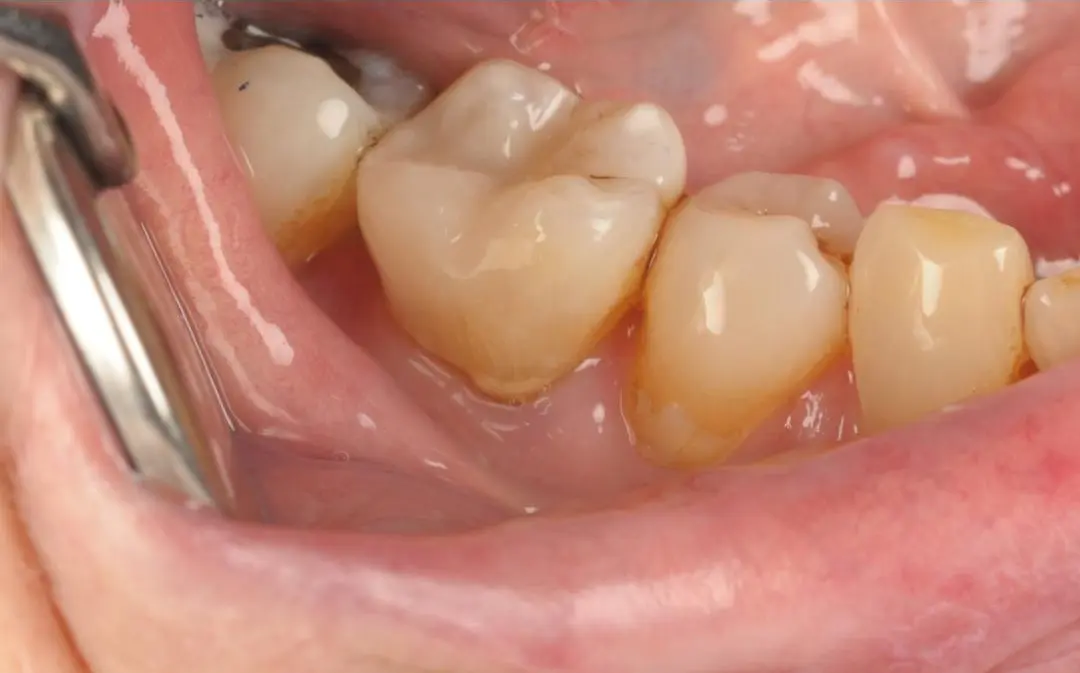
Real Patient Result: Emergency White Filling
Treatment by Dr Kamran
- Pain that is worsening rather than improving several days after treatment
- Swelling around the treated tooth, jaw, or face
- Visible discharge or a persistent bad taste near the area
- A feeling that the tooth is sitting higher than surrounding teeth when you bite together
- Fever or a general sense of feeling unwell in combination with dental symptoms
- Pain that is severe or disrupting sleep
These symptoms do not automatically indicate a serious problem, but they are worth discussing with a dental professional who can examine the area properly. If you are in London and need urgent guidance, our emergency dental service is available to support patients experiencing unexpected post-treatment concerns.
Could the Bite Be Causing the Problem?
One often-overlooked cause of biting pain following root canal treatment is a temporary issue with the bite height. During treatment, a temporary or permanent restoration is placed over the tooth. If this restoration is even slightly too high — meaning the tooth makes contact before your other teeth when you close — it can place repeated stress on the already-sensitised periodontal ligament.
This is a relatively straightforward issue that your dentist can address by adjusting the restoration during a follow-up appointment. Patients are often not aware their bite has changed, as the sensation of local anaesthetic during treatment can temporarily affect bite perception.
If you notice that your treated tooth feels noticeably prominent when you bring your teeth together, it is worth mentioning this at your next appointment. Understanding your root canal treatment and the aftercare involved can help you identify these kinds of concerns early.
Prevention and Oral Health Advice Following Root Canal Treatment
Whilst it is not always possible to prevent post-treatment sensitivity entirely, there are steps you can take to support your recovery and overall oral health.
During recovery:
- Avoid chewing hard or crunchy foods on the treated side until the final restoration is in place
- Take any prescribed or recommended pain relief as directed by your dentist
- Maintain good oral hygiene — gentle brushing around the treated tooth is encouraged
- Avoid very hot or cold foods and drinks if you notice sensitivity
Longer-term oral health:
- Attend routine dental check-ups so any concerns can be identified early
- Protect the treated tooth with an appropriate final restoration (often a crown) as recommended by your dentist
- Inform your dental team promptly if you notice any changes in how the tooth feels
Good ongoing oral hygiene and regular professional dental care play an important role in maintaining the long-term health of a tooth that has undergone root canal treatment. If you have questions about your oral health between appointments, exploring dental aftercare advice on our blog may be a helpful resource.
Key Points to Remember
- Tooth pain when biting after a root canal is common and often a normal part of the healing process
- Post-treatment sensitivity is frequently related to temporary inflammation of the periodontal ligament surrounding the tooth root
- An incorrectly adjusted bite height can also contribute to biting discomfort and is usually easy to resolve
- Discomfort that gradually reduces over days to a couple of weeks is generally expected
- Worsening pain, swelling, discharge, or fever are symptoms that should prompt a dental assessment
- A final restoration, such as a crown, is often recommended to protect the treated tooth long term
Frequently Asked Questions
How long does tooth pain when biting after a root canal typically last?
Post-treatment sensitivity when biting is common and typically begins to settle within a few days. For some patients, mild discomfort may persist for one to two weeks as the surrounding tissues heal. If the pain is worsening beyond this point rather than improving, or if you experience swelling or other accompanying symptoms, it would be advisable to contact your dental team for a clinical assessment to identify the underlying cause and appropriate next steps.
Is it normal for a root-treated tooth to be sensitive to pressure?
Yes, some pressure sensitivity following root canal treatment is considered a normal part of recovery. The periodontal ligament surrounding the tooth root can become temporarily inflamed as a result of the procedure. This ligament contains nerve endings that respond to pressure, which is why biting down may feel uncomfortable in the initial post-treatment period. As inflammation subsides, sensitivity typically improves. Persistent or worsening pressure sensitivity should be reviewed by a dentist.
Could the pain mean my root canal has failed?
Not necessarily. Temporary post-treatment discomfort is common and does not automatically indicate treatment failure. However, if pain persists, worsens significantly, or is accompanied by swelling, a visible dental abscess, or other concerning symptoms, your dentist will want to examine the area. Occasionally, additional treatment or further investigation may be recommended. Only a qualified dental professional can assess whether a root canal has been successful through clinical examination and, where appropriate, dental X-rays.
Should I take painkillers after a root canal?
Over-the-counter pain relief such as ibuprofen or paracetamol, taken as directed on the packaging and in accordance with any specific guidance from your dentist, can help manage mild to moderate post-treatment discomfort. Always follow the dosage instructions and inform your dentist of any medical conditions or medications that may affect which pain relief is suitable for you. If pain is not adequately managed with standard over-the-counter options, contact your dental team for further advice.
What happens if a root canal-treated tooth is left without a crown?
A tooth that has undergone root canal treatment can become more brittle over time, as the removal of the pulp affects the internal structure. Without a protective final restoration — typically a crown — the tooth may be more susceptible to fracture, particularly when subjected to biting forces. Your dentist will advise on the most appropriate restoration for your specific tooth. Attending follow-up appointments to have the final restoration placed is an important part of protecting the long-term health of a root-treated tooth.
Can I eat normally after a root canal?
During the immediate recovery period, it is generally advisable to avoid chewing hard or particularly chewy foods on the side of the treated tooth, especially if a temporary filling is in place. Once the final restoration has been fitted and your dentist is satisfied with healing, you can typically resume eating normally. Your dental team will provide specific aftercare guidance based on your individual treatment. Always follow the personalised advice provided by your own dental professional.
Conclusion
Experiencing tooth pain when biting after a root canal is a concern many patients share, and in most cases it reflects a normal and temporary part of the healing process. The tissues surrounding the treated tooth can become inflamed following the procedure, and this often settles with time and appropriate care.
Understanding the dental science behind this discomfort can help reduce anxiety and allow patients to monitor their recovery with confidence. Knowing which symptoms to watch for — and when to seek further advice — is an important part of managing your dental health effectively after treatment.
Good oral hygiene, appropriate aftercare, and timely follow-up with your dental team all contribute to a positive long-term outcome for a root-treated tooth. If you are experiencing symptoms that concern you, or if your discomfort is worsening rather than improving, do not hesitate to contact a dental professional for a clinical assessment.
Dental symptoms and treatment options should always be assessed individually during a clinical examination.
Disclaimer: This article is intended for general educational purposes only and does not constitute personalised dental advice. Individual diagnosis and treatment recommendations require a clinical examination by a qualified dental professional.
Next Review Due: 05 October 2027