
Biting into something unexpectedly hard — a stray pip in food, a crusty bread roll, or an accidentally crunchy sweet — is something most of us have experienced at one point or another. What can be alarming, however, is when that same tooth suddenly feels loose, tender, or slightly out of place afterwards. It is entirely understandable to feel concerned, and it is one of the reasons many people in London turn to the internet for quick reassurance.
A loose tooth after biting something hard can have several causes, ranging from a minor, temporary response to trauma, through to conditions that may warrant prompt dental evaluation. Understanding what might be happening inside your tooth and surrounding structures can help you make a more informed decision about whether to monitor the situation or seek dental advice sooner rather than later.
This article explains the most common reasons a tooth may feel loose following a sudden bite force, what the underlying dental science involves, when professional assessment may be appropriate, and how to care for your oral health in the meantime.
Experiencing these symptoms?
Delaying treatment can lead to tooth loss. We have slots available today.
Featured Snippet Answer
Why does my tooth feel loose after biting something hard?
A tooth that feels loose after biting something hard may be responding to sudden trauma affecting the periodontal ligament — the fibrous tissue connecting the tooth root to the jawbone. This impact can cause temporary inflammation or, in some cases, structural damage. A loose tooth after biting hard should be professionally assessed to determine the cause and appropriate care.
What Causes a Tooth to Feel Loose After Biting Hard?
When you bite down with significant or unexpected force, several structures within and around the tooth are placed under sudden stress. The most commonly involved structure is the periodontal ligament — a network of fine fibres that suspend the tooth root within its socket in the jawbone. This ligament is remarkably resilient under normal chewing forces, but an abrupt, concentrated impact can stretch or irritate these fibres, making the tooth feel mobile or tender.
Meet Dr. Yasha Shirazi
Principal Dentist at Emergency Dentist London
"We treat hundreds of dental emergencies every month. The sooner you come in, the easier the fix usually is."
Book an appointment with our team →Other potential causes include:
- Dental trauma: A hard impact can cause a minor concussion of the tooth — medically termed dental concussion — where the tooth is shaken within its socket without visible fracture.
- Cracked or fractured tooth: A sudden bite on something hard can initiate or reveal a pre-existing crack. Cracked teeth may exhibit mobility, sharp pain, or discomfort when biting.
- Root fracture: In more significant impacts, the root itself may sustain a fracture. This is not always immediately obvious without clinical examination and X-ray imaging.
- Loosening of an existing restoration: A crown, bridge, or large filling may have been destabilised by the impact, creating a sensation of movement.
- Pre-existing gum disease: If the supporting bone and gum tissue have already been compromised by periodontal disease, a sudden force may exacerbate existing mobility.
Understanding which of these applies to your situation is only possible through a proper clinical examination.
The Dental Science Behind Tooth Mobility
To appreciate why a tooth can feel loose after trauma, it helps to understand a little about tooth anatomy. Each tooth is anchored in a bony socket within the jaw by the periodontal ligament. This ligament is not simply a passive anchor — it contains blood vessels, nerve fibres, and specialised cells that help the tooth absorb and distribute chewing forces.
Under normal circumstances, a healthy tooth has a very small, almost imperceptible degree of natural movement — this is intentional and acts as a shock-absorbing mechanism. When a sudden or excessive force is applied, the periodontal ligament can become inflamed. This inflammation causes swelling within the tight space of the socket, which in turn makes the tooth feel raised, tender, or mobile.
In more serious cases, hard impacts can cause the enamel — the hardest substance in the human body — to crack. Enamel does not regenerate, so a crack, once present, requires professional management. Dentine, the layer beneath enamel, is more sensitive and can allow bacteria to penetrate deeper into the tooth structure if a crack is left unaddressed.
If you are concerned about a potential crack or fracture, it is worth reading about tooth fracture assessment and treatment options to understand what a dental examination may involve.
Symptoms That Suggest the Issue May Need Prompt Attention
For many patients, minor tooth looseness after biting hard settles within a few days, particularly if no fracture or significant trauma has occurred. However, certain symptoms suggest that a dental assessment would be advisable sooner:
- Persistent or worsening mobility: If the tooth continues to feel loose after 48–72 hours without improvement.
- Pain when biting or releasing bite pressure: This is a classic sign of a cracked tooth and should not be left unmonitored.
- Swelling of the gum around the affected tooth: This can indicate localised inflammation, infection, or damage to the root.
- Sensitivity to hot or cold: Suggests the inner pulp tissue of the tooth may have been affected.
- A visible crack or chip: Even small fractures can allow bacteria to enter.
- Discolouration of the tooth: A tooth that begins to darken after trauma may indicate changes occurring within the pulp.
- Persistent ache or throbbing: This may indicate inflammation or infection within the tooth or surrounding tissue.
None of these symptoms are reasons to panic, but they are all worth discussing with a dental professional. If you are experiencing acute pain or swelling, emergency dental appointments are available and are the most appropriate first step.
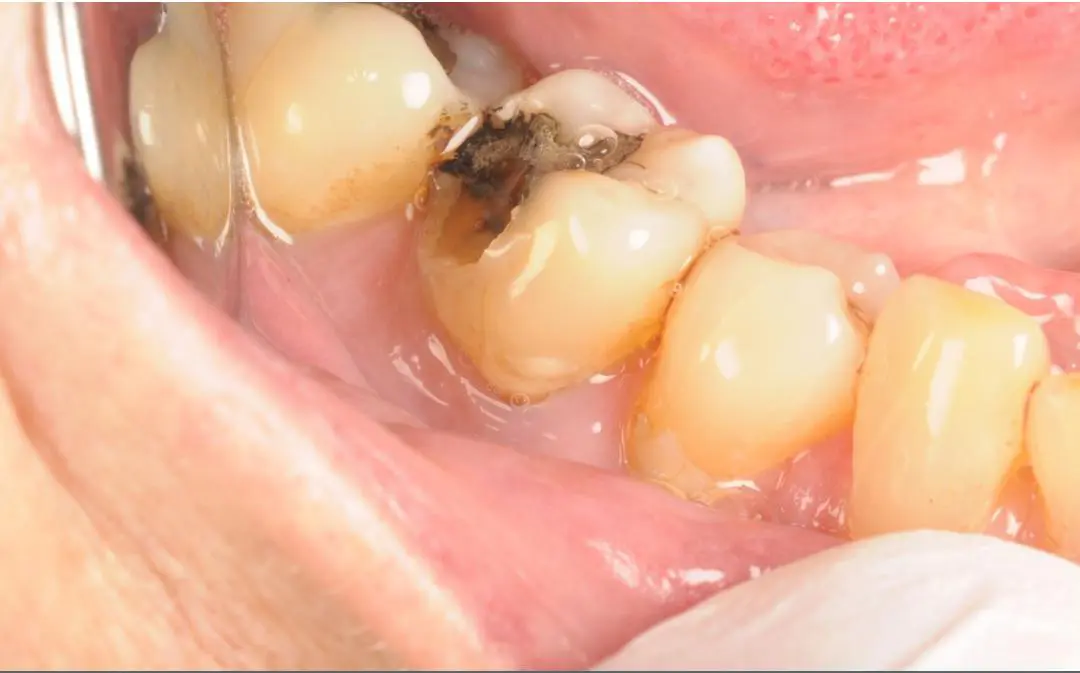
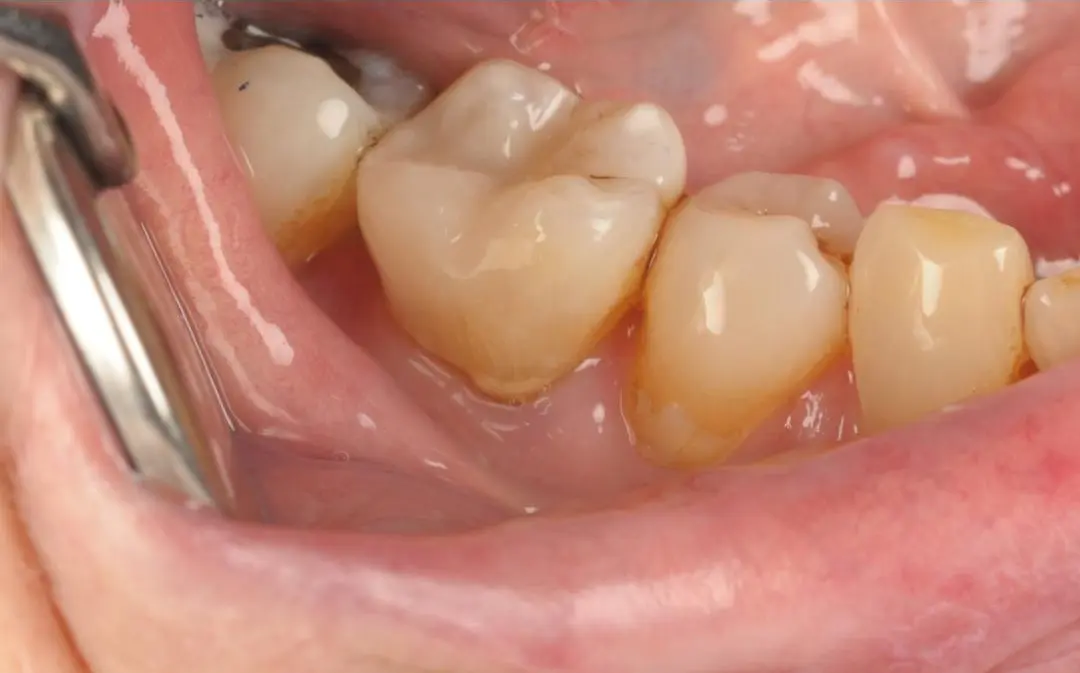
Real Patient Result: Emergency White Filling
Treatment by Dr Kamran
How a Dentist May Assess and Manage the Situation
When you visit a dentist following a dental trauma, the assessment will typically involve a clinical examination of the tooth, surrounding gum tissue, and bite alignment. Dental X-rays, including periapical radiographs, may be taken to assess the root and surrounding bone.
Depending on the findings, management may include:
- Monitoring: If the tooth is only mildly mobile and there is no fracture, a watch-and-wait approach with follow-up appointments may be appropriate.
- Splinting: A loose tooth can sometimes be temporarily stabilised by bonding it to adjacent teeth using a flexible splint.
- Root canal treatment: If the dental pulp has been affected by trauma or is showing signs of infection, root canal treatment may be clinically indicated.
- Restoration: A cracked or chipped tooth may require bonding, a crown, or another restoration to protect it from further damage.
- Extraction: In cases where the tooth cannot be saved, extraction and replacement options would be discussed.
Treatment suitability always depends on an individual clinical assessment. It is important to seek personalised advice rather than assuming a particular treatment is or is not suitable based on online information alone. If you would like to understand more about root-related treatments, root canal treatment explained provides a useful overview.
Prevention and Protecting Your Teeth
While not all dental trauma is preventable, there are practical steps that can help reduce the risk of damage from biting forces:
- Be cautious with hard foods: Take care when eating foods known to contain stones, pips, or unexpected hard elements — olives, cherries, crusty bread, and certain sweets.
- Wear a mouthguard: If you play contact sports, a properly fitted mouthguard significantly reduces the risk of dental injury.
- Address bruxism (teeth grinding): If you grind or clench your teeth, this places chronic excessive force on your teeth and may weaken them over time. A dental nightguard can help manage this.
- Attend regular dental check-ups: Routine examinations allow a dentist to identify early signs of cracking, enamel wear, or gum disease before they become more significant problems.
- Maintain good gum health: Healthy periodontal tissue provides the best support for your teeth. Brushing twice daily, flossing, and attending hygiene appointments all contribute to strong gum and bone support.
Key Points to Remember
- A tooth that feels loose after biting something hard may be responding to trauma affecting the periodontal ligament.
- Causes range from temporary inflammation to tooth fractures, root damage, or destabilised restorations.
- Symptoms such as persistent mobility, pain on biting, swelling, or sensitivity warrant professional dental assessment.
- Not all loose teeth require complex treatment — monitoring with professional guidance is sometimes appropriate.
- Early assessment is generally better than waiting, particularly if symptoms worsen or do not settle within a few days.
- Preventative measures, including mouthguards and regular dental visits, help protect teeth from bite-related injuries.
Frequently Asked Questions
Is it normal for a tooth to feel slightly loose after biting hard?
It is not uncommon for a tooth to feel temporarily tender or slightly mobile after a sudden hard bite, due to mild irritation of the periodontal ligament. This can settle within a day or two. However, if mobility persists beyond 48–72 hours, is accompanied by pain, swelling, or sensitivity, or if you are worried for any reason, it is advisable to have the tooth examined by a dentist. A professional assessment can determine whether any treatment is needed.
Can a loose tooth tighten back up on its own?
In some cases, particularly where the looseness is caused by mild inflammation of the periodontal ligament following trauma, the tooth may feel more stable once the inflammation settles. However, this depends on the underlying cause. If there is a fracture, significant bone loss, or infection involved, the tooth is unlikely to stabilise without professional treatment. Only a clinical examination can determine whether natural recovery is likely or whether intervention is appropriate.
How do I know if I have cracked a tooth?
Common signs of a cracked tooth include sharp pain when biting down, relief of that pain when bite pressure is released, sensitivity to temperature, and occasional swelling. However, cracks are not always visible to the naked eye, and some cause few obvious symptoms initially. A dentist uses clinical tests and dental X-rays to assess for cracks. If you suspect a cracked tooth, it is best to arrange a dental appointment rather than waiting to see if symptoms resolve.
Could gum disease be making my tooth feel loose?
Yes. If the bone and gum tissue supporting your teeth have been affected by periodontal (gum) disease, your teeth may already have reduced support. A sudden biting force on an already-weakened tooth can make existing mobility more noticeable. If you have not had a recent gum assessment, this is something worth discussing with your dentist, who can arrange appropriate periodontal evaluation and advise on suitable management.
Should I go to an emergency dentist if my tooth feels loose?
If you are experiencing significant pain, visible swelling, an obvious crack or fracture, or feel that a tooth has been substantially displaced, seeking an emergency dental appointment is appropriate. If the sensation is mild and limited to slight tenderness, you may choose to monitor it briefly and then contact your regular dentist for a routine appointment. When in doubt, it is always better to seek professional guidance rather than to leave a potential dental injury unexamined.
Can a dental crown or filling become loose from biting hard?
Yes. A sudden or excessive biting force can dislodge or crack an existing restoration such as a crown, bridge, or large filling. If you notice that your bite feels different, a restoration feels unstable, or a tooth becomes suddenly sensitive, this should be assessed by your dentist. A loose or damaged restoration can leave the underlying tooth structure exposed and potentially vulnerable to further damage or decay if left unattended.
Conclusion
A tooth that feels loose after biting something hard is not something to dismiss, but it is also not automatically a cause for alarm. The sensation often reflects a temporary response in the periodontal ligament — the resilient tissue that suspends your tooth within its socket — but it can also indicate a fracture, root damage, or an issue with an existing restoration that requires professional attention.
Understanding the potential causes helps you make a more informed decision about the appropriate next step. For mild, short-lived symptoms with no accompanying pain or swelling, brief monitoring may be reasonable. For persistent or worsening symptoms, professional dental evaluation is the appropriate course of action.
A loose tooth after biting something hard that does not settle within a few days should always be assessed by a qualified dental professional who can examine the tooth properly, take appropriate X-rays, and advise on care that is suited to your individual circumstances.
Dental symptoms and treatment options should always be assessed individually during a clinical examination.
Disclaimer: This article is intended for general educational purposes only and does not constitute personalised dental advice. Individual diagnosis and treatment recommendations require a clinical examination by a qualified dental professional.
Next Review Due: 30 September 2027