
If you have ever experienced a throbbing dental abscess and then noticed the pain suddenly vanish, you may have felt a wave of relief — and perhaps a little confusion. Many patients in London search online for answers to exactly this question, wondering whether the disappearance of abscess pain means the problem has resolved on its own. Unfortunately, the answer is rarely that straightforward.
A dental abscess is a pocket of infection that develops either at the root of a tooth or in the surrounding gum tissue. It is typically caused by untreated tooth decay, a cracked tooth, or advanced gum disease. When the pain from an abscess suddenly stops, it can sometimes indicate that the abscess has ruptured or that the nerve tissue within the tooth has become so damaged it can no longer send pain signals.
This article explains why abscess pain may disappear suddenly, what this change might mean for your oral health, and why seeking a professional dental assessment remains important regardless of whether discomfort has subsided.
Experiencing these symptoms?
Delaying treatment can lead to tooth loss. We have slots available today.
Featured Snippet: Why Does Dental Abscess Pain Sometimes Disappear Suddenly?
Dental abscess pain may suddenly stop when the abscess spontaneously ruptures and releases the built-up pressure of pus, or when the nerve inside the tooth dies due to prolonged infection. Neither scenario means the infection has resolved. The underlying dental issue requires professional assessment and appropriate treatment to prevent further complications.
What Is a Dental Abscess?
A dental abscess is a localised infection typically caused by bacteria entering the tooth or surrounding gum tissue. There are two main types:
- Periapical abscess — this develops at the tip of the tooth root, often as a result of untreated tooth decay or a cracked tooth allowing bacteria to reach the pulp (the inner nerve and blood vessel tissue).
- Periodontal abscess — this forms in the gum tissue beside the root, often associated with gum disease.
Both types can cause intense, throbbing pain, swelling, sensitivity to temperature, and a general feeling of being unwell. Left without treatment, dental abscesses can worsen and, in some cases, the infection may spread beyond the mouth. For this reason, early dental advice is always recommended if you suspect an abscess. You can learn more about emergency dental treatment for abscesses and how same-day care may be available.
Meet Dr. Yasha Shirazi
Principal Dentist at Emergency Dentist London
"We treat hundreds of dental emergencies every month. The sooner you come in, the easier the fix usually is."
Book an appointment with our team →The Clinical Reason Abscess Pain Can Disappear
Understanding why abscess pain sometimes stops suddenly requires a brief look at dental anatomy and infection biology.
When the Abscess Ruptures
As infection builds inside the tissue, pressure increases, which is largely responsible for the severe, pulsating pain associated with an abscess. If the abscess bursts — either spontaneously or through the skin or gum — this pressure is suddenly released. Patients often notice a rush of foul-tasting fluid in the mouth followed by an immediate reduction in discomfort. This may feel like relief, but the infection source remains present and the bacteria have not been eliminated.
When the Dental Nerve Dies
In a periapical abscess, prolonged bacterial infection can destroy the pulp tissue inside the tooth, including the nerve fibres responsible for transmitting pain signals. Once the nerve is no longer functional, the tooth becomes non-vital and stops sending pain signals — even though the infection at the root tip may continue to develop. This is sometimes referred to as a "dead tooth." The absence of pain does not indicate that healing has occurred; the infection can persist silently and potentially worsen over time.
Why Disappearing Pain Is Not a Signal to Wait
It is a common and understandable assumption that when pain stops, the problem has gone. With dental abscesses, this assumption can be misleading. Even if pain subsides, the bacterial infection may continue to affect the surrounding bone and tissue. Without appropriate dental treatment, possible consequences may include:
- Spread of infection to adjacent teeth or jaw bone
- Development of a chronic, low-grade infection
- Cyst formation at the root tip
- Increased complexity of treatment required at a later stage
Dental symptoms and treatment options should always be assessed individually during a clinical examination. If you have experienced sudden relief from abscess-related pain, contacting a dental professional promptly is still advisable.
When You Should Seek Professional Dental Assessment
Certain signs associated with a dental abscess warrant timely professional evaluation. These include:
- Sudden relief of severe dental pain following days of throbbing discomfort
- Swelling of the face, jaw, or neck that may feel soft or fluctuant
- A persistent bad taste or smell in the mouth, which may indicate rupture
- Fever, difficulty swallowing, or general malaise — these may indicate the infection is spreading and require urgent attention
- A pimple-like bump on the gum near a painful tooth (known as a sinus tract or fistula)
- Tooth discolouration alongside previous pain — a possible sign of nerve death
None of the above symptoms confirm a specific diagnosis without clinical examination, but they are all considered reasonable grounds for seeking dental advice without delay. If you are unsure whether your symptoms require urgent care, exploring same-day emergency dental services in London may help you understand your options.
Treatment Approaches for Dental Abscesses
The appropriate treatment for a dental abscess depends on a thorough clinical assessment, which may include dental X-rays to evaluate the extent of infection and bone involvement. Possible treatment approaches discussed between a dentist and patient may include:
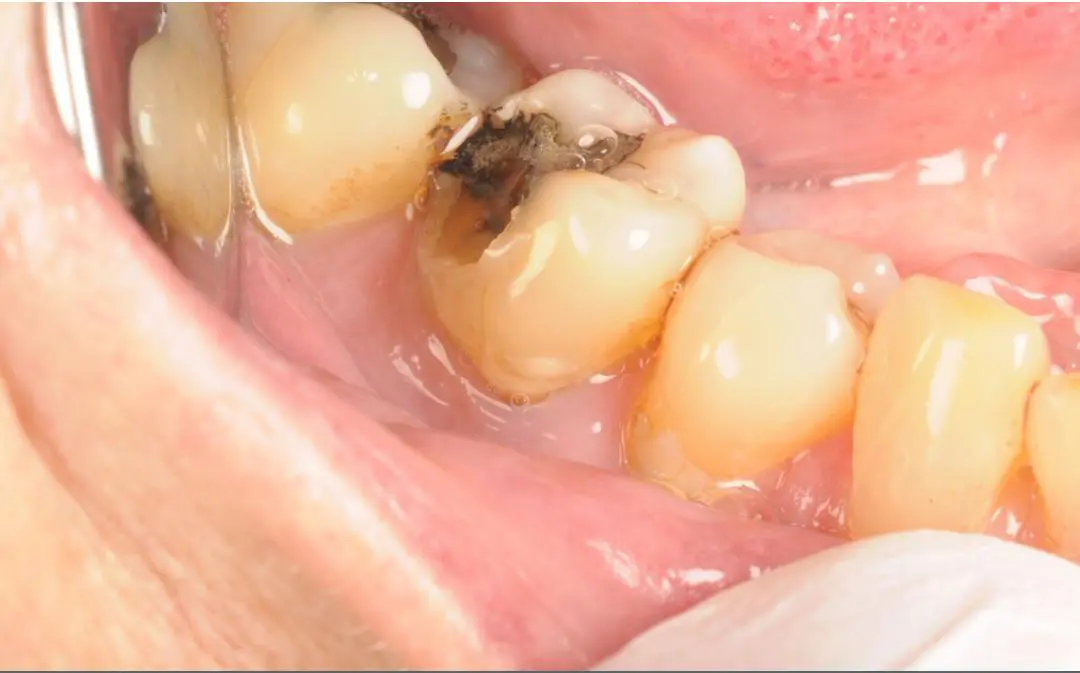
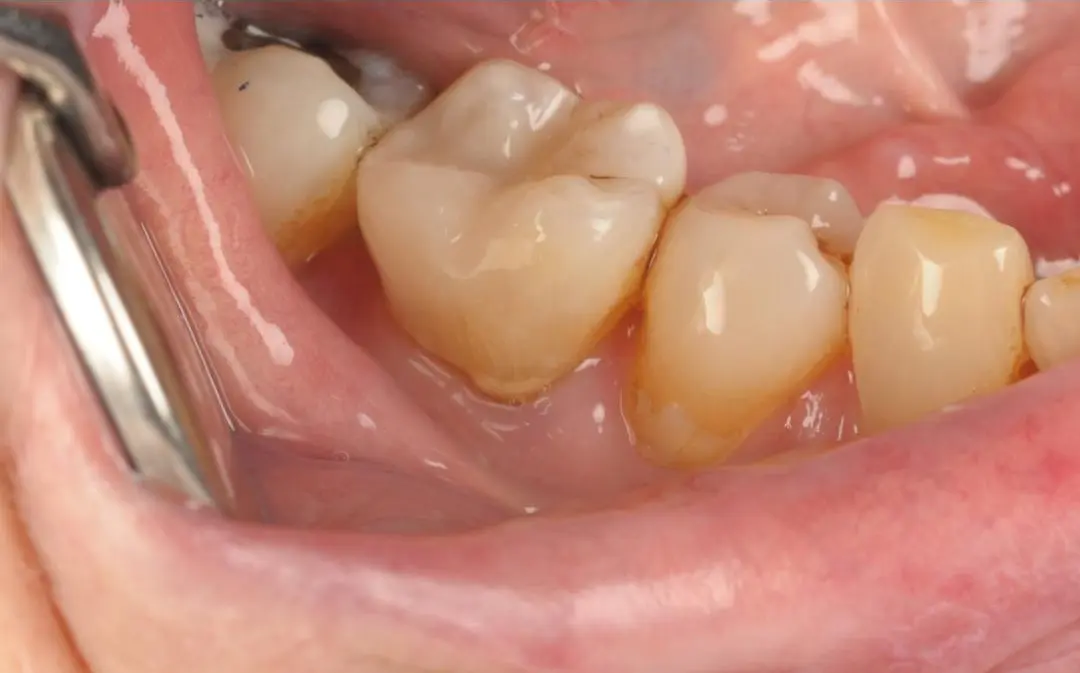
Real Patient Result: Emergency White Filling
Treatment by Dr Kamran
- Root canal treatment — where the infected pulp tissue is removed, the root canals cleaned and shaped, and the tooth sealed and restored
- Tooth extraction — in cases where the tooth cannot be saved, removal may be the most suitable option
- Incision and drainage — a procedure where the abscess is carefully drained by a dental professional to relieve pressure and infection
- Antibiotics — these may be prescribed in certain circumstances, particularly where infection has spread, but are not considered a standalone treatment for the source of infection
Treatment suitability is determined on an individual basis following clinical examination. You can read more about root canal treatment to understand how this procedure works and what it may involve.
Prevention and Oral Health Advice
Reducing the risk of developing a dental abscess is closely linked to consistent oral health habits and regular professional dental care. Practical steps include:
- Brushing twice daily with fluoride toothpaste to reduce plaque build-up
- Cleaning between teeth daily using floss, interdental brushes, or water flossers
- Attending routine dental check-ups — regular examinations allow early identification of decay or gum disease before they develop into more complex problems
- Addressing dental pain promptly rather than waiting to see if it resolves
- Maintaining a balanced diet with reduced frequency of sugary foods and drinks
- Wearing a mouthguard if advised, particularly if you clench or grind your teeth, as this can cause enamel damage that increases infection risk
No preventative measure can guarantee the complete elimination of risk, but consistent oral hygiene and professional care significantly support overall dental health.
Key Points to Remember
- Dental abscess pain disappearing suddenly is not a reliable sign of recovery — it may indicate rupture or nerve death
- The infection causing an abscess can persist and potentially worsen even when pain is absent
- There are two main types of dental abscess: periapical and periodontal, each with different origins
- Professional dental assessment is recommended whenever abscess symptoms are present — or when they suddenly stop
- Treatment options vary depending on clinical findings and are always assessed individually
- Good oral hygiene and regular dental check-ups remain the most effective tools for reducing abscess risk
Frequently Asked Questions
Can a dental abscess heal on its own?
A dental abscess will not resolve without treatment. While the acute pain may subside if the abscess ruptures or the nerve dies, the underlying bacterial infection remains. Without professional intervention to address the source of infection — such as root canal treatment or extraction — the infection is likely to persist and may spread. It is always advisable to seek dental assessment rather than waiting for symptoms to resolve naturally.
Is it safe to wait if my abscess pain has stopped?
It is not generally considered advisable to delay dental care simply because abscess pain has eased. The cessation of pain may indicate a change in the infection rather than resolution of it. A dental professional can examine the tooth and surrounding tissue, take X-rays if necessary, and determine whether treatment is needed. Prompt assessment is particularly important if you have experienced swelling, fever, or a bad taste in the mouth.
What does it mean if my abscess has burst?
If a dental abscess bursts, you may notice a sudden release of fluid with an unpleasant taste, followed by reduced pain and swelling. While this can bring temporary relief, it does not eliminate the infection. The source of the abscess — typically an infected tooth root or gum pocket — still requires professional dental treatment. You should contact your dentist as soon as possible rather than assuming the problem has resolved.
Will I need antibiotics for a dental abscess?
Antibiotics may be prescribed in certain clinical circumstances, particularly where there are signs that infection is spreading beyond the immediate area or where a patient has certain health considerations. However, antibiotics alone do not treat the cause of a dental abscess. They may help manage infection in the short term but are typically used alongside definitive dental treatment rather than as a replacement for it. Your dentist will advise on the most appropriate approach following examination.
How quickly should I see a dentist if I think I have an abscess?
If you suspect you have a dental abscess, seeking dental advice promptly is recommended. Many dental practices, including emergency dental clinics in London, offer same-day or urgent appointments for patients experiencing dental infections. If you develop difficulty breathing or swallowing, significant facial swelling, or a high fever alongside dental symptoms, you should seek urgent medical attention without delay.
Conclusion
Understanding why dental abscess pain sometimes disappears suddenly is important for making informed decisions about your oral health. Whether caused by a spontaneous rupture releasing built-up pressure or the death of the nerve inside the tooth, the sudden absence of pain does not mean the infection has resolved. In both scenarios, the underlying dental issue remains and professional assessment continues to be important.
Dental symptoms and treatment options should always be assessed individually during a clinical examination. If you have experienced sudden relief from abscess discomfort — or are currently managing dental pain of any kind — contacting a qualified dental professional is the most appropriate next step. Early intervention generally supports a wider range of treatment options and helps protect your long-term oral health.
Disclaimer: This article is intended for general educational purposes only and does not constitute personalised dental advice. Individual diagnosis and treatment recommendations require a clinical examination by a qualified dental professional.
Next Review Due: 26 October 2027