
One of the most common questions people face after experiencing significant tooth damage or persistent dental pain is whether their tooth can be saved — or whether extraction may be the more appropriate path forward. It is entirely natural to want to preserve your natural teeth wherever possible, and modern dentistry offers a range of treatments designed to do exactly that. However, there are situations where tooth extraction may be the safer and more clinically sound option.
Understanding when tooth extraction is safer than attempting to save a damaged tooth can help patients make informed decisions and approach dental consultations with greater confidence. This article explores the factors that influence this decision, the clinical reasoning behind each approach, and the situations in which seeking a professional dental assessment may be beneficial. It is important to note that treatment suitability always depends on an individual clinical examination, and no online resource can substitute for a qualified dentist's assessment.
Featured Snippet: When Is Tooth Extraction Safer Than Saving a Damaged Tooth?
Tooth extraction may be safer than saving a damaged tooth when severe infection, advanced bone loss, or structural damage makes restoration clinically unviable. In these cases, preserving the tooth may pose greater risks to surrounding teeth and overall oral health. A dentist can assess whether saving or extracting the tooth is most appropriate following examination.
Experiencing these symptoms?
Delaying treatment can lead to tooth loss. We have slots available today.
Why Dentists Prioritise Saving Natural Teeth
Modern dentistry is guided by a principle of minimal intervention, meaning that preserving your natural teeth is almost always the preferred goal. Natural teeth provide important functions including biting, chewing, speaking clearly, and maintaining the structure of the jawbone and surrounding tissues.
When a tooth is damaged, dentists will typically explore restorative options first. These may include fillings, dental crowns, inlays, or root canal treatment, depending on the extent of the damage. Each of these treatments aims to restore the tooth's function and appearance while keeping the natural root intact.
Keeping natural teeth in place also helps prevent bone resorption — a process where the jawbone begins to shrink after a tooth is lost. This is one of the key reasons why tooth preservation remains a clinical priority wherever it is safely achievable.
Meet Dr. Yasha Shirazi
Principal Dentist at Emergency Dentist London
"We treat hundreds of dental emergencies every month. The sooner you come in, the easier the fix usually is."
Book an appointment with our team →That said, there are genuine clinical circumstances where attempting to save a tooth may not be in a patient's best long-term interest, and understanding these situations is important for making well-informed decisions about your dental care.
Understanding the Structure of a Damaged Tooth
To understand why some teeth cannot always be saved, it helps to have a basic understanding of tooth anatomy. Each tooth consists of several layers: the outer enamel, the dentine beneath it, and the pulp at the centre, which contains nerves and blood vessels. Below the gum line, the root anchors the tooth into the jawbone via the periodontal ligament.
When damage or decay reaches the pulp, bacteria can cause infection, leading to significant pain, swelling, and potential abscess formation. Root canal treatment can address pulp infection in many cases by removing the infected tissue and sealing the root canals. However, if the damage extends beyond the pulp — affecting the root structure, surrounding bone, or if there is insufficient healthy tooth structure remaining to support a restoration — the tooth may no longer be salvageable.
Fractures that extend below the gum line or into the root are particularly challenging. In these cases, even technically successful treatment may result in a tooth that is structurally compromised and likely to fail in the near future.
Clinical Situations Where Tooth Extraction May Be the Safer Option
There are several specific circumstances where extraction may be considered safer or more appropriate than attempting to save a damaged tooth:
Severe infection or dental abscess: When infection has spread extensively into the surrounding bone or tissues, and cannot be adequately managed with root canal treatment or antibiotics, extraction may be needed to prevent further spread. If you are experiencing swelling, persistent pain, or signs of dental infection, emergency dental treatment may be required promptly.
Advanced periodontal (gum) disease: When gum disease has led to significant bone loss around the root, a tooth may have insufficient support to remain stable, even after treatment. In these cases, extraction followed by appropriate tooth replacement may provide a better long-term outcome.
Severe structural damage: Teeth that are badly fractured, particularly where the fracture line extends into the root, may not be suitable candidates for restoration. Attempting to retain such a tooth can sometimes lead to repeated treatment without sustainable results.
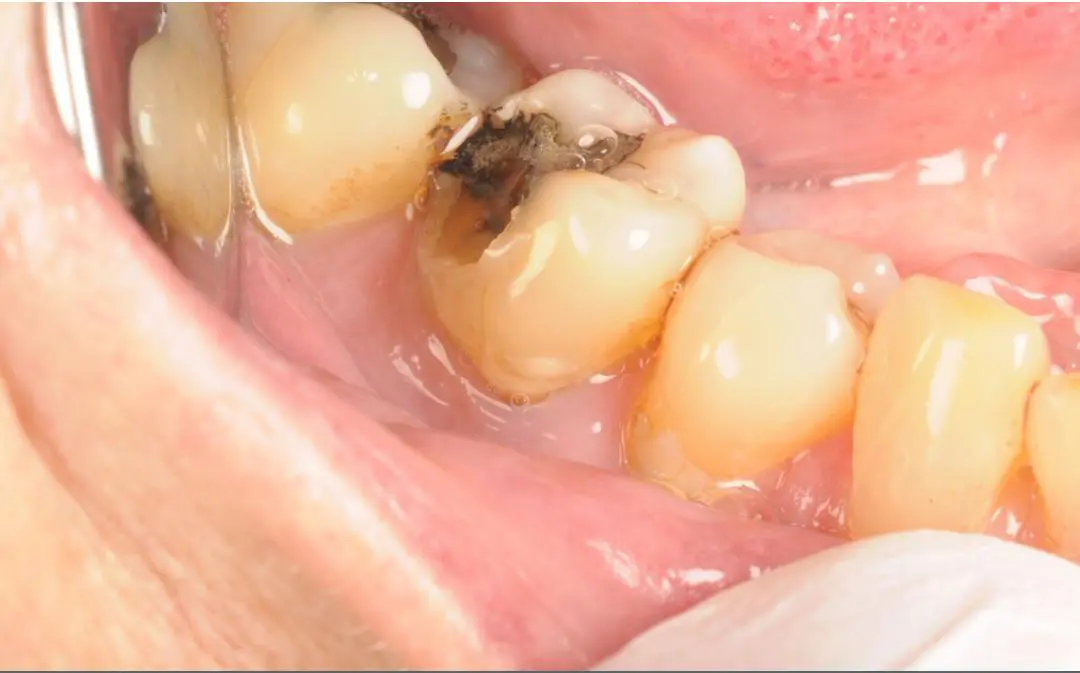
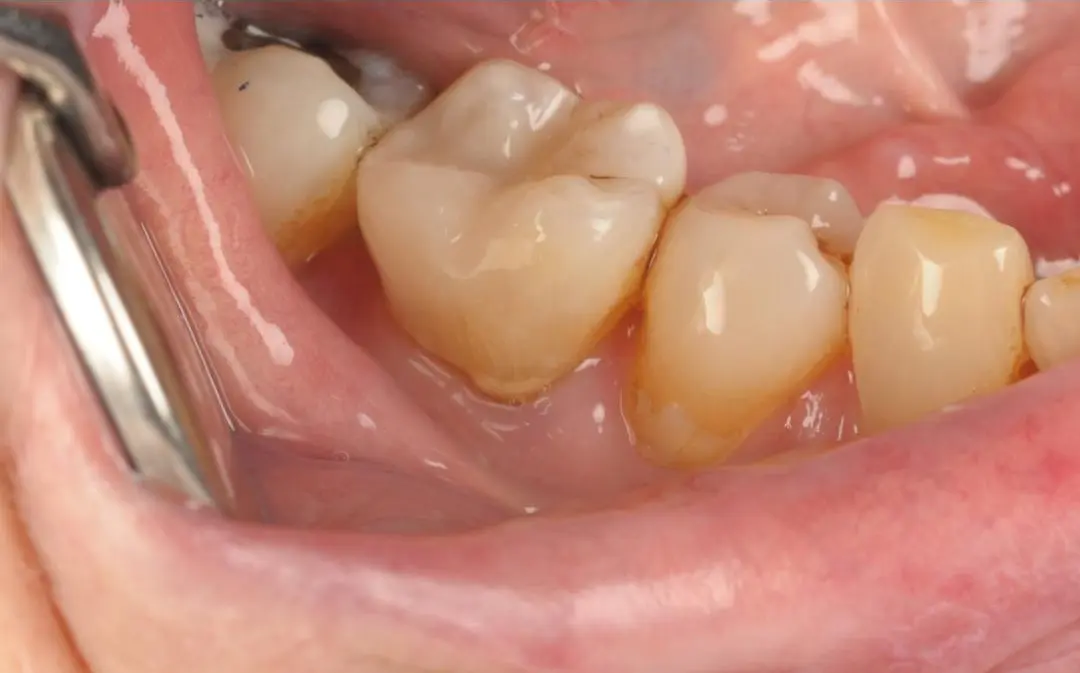
Real Patient Result: Emergency White Filling
Treatment by Dr Kamran
Failed previous treatment: Occasionally, a tooth that has already undergone root canal treatment or other restorative procedures may develop further complications. In some cases, retreatment is possible, but in others, extraction may be the more predictable course of action.
Insufficient tooth structure remaining: If decay or damage has left too little healthy tooth structure to support a crown or other restoration, the tooth may not be viable for saving.
When to Seek a Professional Dental Assessment
It can be difficult to determine from symptoms alone whether a tooth may be saved or whether extraction is being considered. The following signs suggest it would be appropriate to seek professional dental advice:
- Persistent or worsening toothache that does not resolve
- Swelling in the jaw, gum, or face
- A tooth that feels loose or unstable
- Visible cracks, fractures, or significant decay
- Previous dental treatment on the tooth that appears to be failing
- Sensitivity that does not settle after the initial cause has been addressed
These symptoms should be assessed calmly and promptly by a dentist. Early assessment generally allows for more treatment options. Delaying dental care when symptoms are present may reduce the likelihood of saving the tooth. You can learn more about tooth pain and its causes on our dedicated information page.
What Happens After Tooth Extraction?
Tooth extraction does not have to mean the end of your smile or dental function. There are several tooth replacement options available following extraction, and your dentist will typically discuss these with you as part of your overall treatment planning.
Common replacement options include:
- Dental implants — a long-term solution that replaces both the root and crown of the missing tooth
- Dental bridges — a fixed restoration that spans the gap left by the extracted tooth
- Partial dentures — a removable option suitable for some patients
The right replacement option depends on factors including your oral health, bone density, budget, and personal preferences. Discussing replacement options early — ideally before extraction — can help ensure a smoother transition to your long-term dental restoration. You can explore available tooth replacement options to understand what may be suitable for your situation.
Prevention and Maintaining Good Oral Health
While not all tooth damage can be prevented, good oral hygiene practices and regular dental check-ups significantly reduce the risk of severe decay or infection that might lead to extraction:
- Brush twice daily with fluoride toothpaste using a gentle circular technique
- Floss or use interdental brushes daily to remove plaque between teeth
- Limit sugary and acidic foods and drinks, particularly between meals
- Attend regular dental check-ups and hygiene appointments as recommended by your dentist
- Wear a mouthguard during contact sports to reduce the risk of dental trauma
- Avoid using teeth as tools to open packaging, which can cause unexpected fractures
Early treatment of minor decay is far less invasive than managing advanced damage. Regular dental check-ups allow problems to be identified and addressed before they escalate into situations where extraction becomes necessary.
Key Points to Remember
- Preserving natural teeth is always the preferred goal in modern dentistry, but it is not always clinically possible.
- Tooth extraction may be safer than saving a damaged tooth in cases of severe infection, advanced bone loss, irreparable fractures, or insufficient remaining tooth structure.
- Symptoms such as persistent pain, swelling, looseness, or visible damage warrant a professional dental assessment.
- Tooth replacement options are available following extraction and should be discussed with your dentist as part of treatment planning.
- Regular dental check-ups and good oral hygiene are the most effective ways to reduce the risk of severe tooth damage.
- Treatment suitability is always determined through individual clinical assessment — no online resource can replace a dentist's examination.
Frequently Asked Questions
Can a tooth always be saved with root canal treatment?
Root canal treatment is effective for many cases of pulp infection or damage, but it is not suitable for every situation. If the tooth has insufficient remaining structure, a root fracture extending below the gum line, or severe bone loss around the root, root canal treatment may not provide a viable long-term result. A dentist will assess the specific condition of the tooth using clinical examination and X-rays before recommending a treatment pathway. Each case is assessed individually, and outcomes cannot be guaranteed.
Is tooth extraction painful?
Modern dental techniques and local anaesthesia mean that tooth extraction is generally carried out with minimal discomfort during the procedure. Patients typically experience some soreness and mild swelling in the days following extraction, which usually settles with appropriate aftercare. Your dentist will provide post-extraction guidance and may recommend over-the-counter pain relief as needed. Patients who feel anxious about dental procedures should discuss this with their dentist beforehand, as there are options available to help manage dental anxiety.
How long does recovery from tooth extraction take?
Recovery time varies depending on the complexity of the extraction and the individual patient. Simple extractions often allow patients to return to normal activities within a day or two, with full soft tissue healing typically occurring within one to two weeks. Surgical extractions, such as removal of impacted wisdom teeth, may involve a longer recovery period. Following your dentist's aftercare instructions carefully is important to support healing and reduce the risk of complications such as dry socket.
What are the risks of leaving a damaged tooth untreated?
Leaving a significantly damaged or infected tooth untreated can allow infection to spread to surrounding teeth, the jawbone, or adjacent tissues. In some cases, untreated dental infections can become serious medical concerns. Additionally, structural damage that is left unaddressed tends to worsen over time, potentially reducing the range of treatment options available. Seeking dental advice promptly when symptoms are present generally leads to a wider choice of treatment outcomes.
Will I need a tooth replacement after extraction?
Tooth replacement is not always mandatory, but it is strongly advisable in most cases, particularly for teeth that are visible or play a role in chewing function. When a tooth is lost, the surrounding teeth may gradually shift position, and the jawbone in the area can begin to reduce in density over time. Your dentist will discuss appropriate replacement options, such as implants, bridges, or dentures, based on your clinical situation, preferences, and overall oral health.
How do I know if my tooth can be saved before seeing a dentist?
It is not possible to determine whether a tooth can be saved without a professional clinical examination, which typically includes visual assessment and dental X-rays. Online information can help you understand the general factors involved, but the specific condition of your tooth requires individual evaluation. If you are experiencing pain, sensitivity, swelling, or visible damage, arranging a dental appointment promptly will give you the clearest picture of your options.
Conclusion
Understanding when tooth extraction is safer than trying to save a damaged tooth is not always straightforward, and the answer will differ from patient to patient. While preserving natural teeth remains the priority in modern dentistry, there are genuine clinical situations where extraction provides the safer and more sustainable outcome — particularly in cases of severe infection, irreparable structural damage, or advanced bone loss.
Good oral hygiene and regular dental check-ups remain the most effective ways to protect your teeth and minimise the likelihood of needing extraction. If you are experiencing any dental symptoms that concern you, seeking a professional assessment sooner rather than later gives you the widest range of options.
Dental symptoms and treatment options should always be assessed individually during a clinical examination.
If you are experiencing dental pain, swelling, or damage and are based in London, speaking with a qualified dentist as soon as possible is the most appropriate course of action.
Disclaimer: This article is intended for general educational purposes only and does not constitute personalised dental advice. Individual diagnosis and treatment recommendations require a clinical examination by a qualified dental professional.
Next Review Due: 02 November 2027