
Experiencing severe dental pain from a damaged tooth can be overwhelming, particularly when the discomfort persists despite attempts to manage it at home. Many patients search online for information about their symptoms, hoping to understand whether their tooth can be saved or if extraction might be necessary. The prospect of losing a tooth naturally causes concern, yet in some clinical situations, extraction becomes the most appropriate treatment option for relieving pain and protecting overall oral health.
When a tooth becomes severely compromised due to extensive decay, trauma, or infection, restorative treatments may no longer be viable. Understanding when dental extraction is clinically necessary helps patients make informed decisions about their oral healthcare. Modern dentistry prioritises tooth preservation wherever possible, but in cases where a tooth cannot be successfully restored, extraction can provide effective pain relief and prevent complications from spreading to surrounding tissues. This article explores the clinical considerations that guide extraction decisions for unrestorable teeth experiencing significant pain.
When is Dental Extraction Clinically Necessary?
Dental extraction becomes a clinical necessity when a tooth is unrestorable and causing significant pain that cannot be managed through conservative treatment approaches. This typically occurs when extensive decay, fracture, or infection has compromised the tooth's structure beyond repair, making preservation impossible whilst maintaining the patient's comfort and oral health.
Experiencing these symptoms?
Delaying treatment can lead to tooth loss. We have slots available today.
Understanding Tooth Structure and Damage
A tooth consists of several layers: the outer enamel, underlying dentine, and inner pulp containing nerves and blood vessels. When damage penetrates through these layers, particularly reaching the pulp, pain and infection can develop. Extensive decay may weaken the tooth structure so significantly that even after removing the diseased tissue, insufficient healthy tooth remains to support a restoration.
Deep fractures extending below the gum line or through the root make repair extremely difficult. In these situations, attempting to restore the tooth may prove unsuccessful and could prolong discomfort. Similarly, when infection spreads extensively through the root system and cannot be effectively treated with root canal therapy, extraction may become the most predictable solution for eliminating pain and preventing further complications.
Signs That May Indicate Unrestorable Damage
Several symptoms may suggest that a tooth has sustained damage beyond conventional repair. Severe, persistent pain that does not respond to over-the-counter pain relief often indicates significant pulp damage or infection. Swelling around the affected tooth, particularly if accompanied by fever, may signal spreading infection requiring prompt attention.
Meet Dr. Yasha Shirazi
Principal Dentist at Emergency Dentist London
"We treat hundreds of dental emergencies every month. The sooner you come in, the easier the fix usually is."
Book an appointment with our team →Visible extensive decay, large fractures, or loose teeth following trauma may indicate structural compromise. However, the extent of damage can only be accurately assessed through clinical examination and diagnostic imaging. What appears minor from the outside may involve extensive internal damage, whilst seemingly severe damage might still be treatable in some cases.
Professional assessment remains essential, as symptoms alone cannot determine whether a tooth is truly unrestorable or if alternative treatments might be successful.
Clinical Assessment of Tooth Restorability
Dental professionals use several factors to determine whether a tooth can be successfully restored. The amount of remaining healthy tooth structure above and below the gum line influences restoration success. Teeth with insufficient structure may not adequately support crowns or other restorative options.
The condition of the root system also plays a crucial role. Fractures extending through roots or extensive root decay may make restoration impossible. Additionally, the tooth's strategic importance, the patient's overall oral health, and their ability to maintain proper oral hygiene all influence treatment planning.
Advanced imaging techniques help assess internal damage that may not be visible during clinical examination. This comprehensive evaluation ensures that treatment recommendations are based on the tooth's actual condition rather than symptoms alone.
When Professional Dental Assessment May Be Needed
Persistent dental pain, especially when severe or accompanied by swelling, warrants prompt professional evaluation. Pain that worsens at night, throbs continuously, or does not respond to pain relief may indicate significant damage or infection requiring urgent attention.
Visible signs such as extensive black decay, obvious fractures, or pus discharge also suggest the need for immediate assessment. Additionally, teeth that feel loose, cause difficulty eating, or create ongoing discomfort should be professionally examined to determine appropriate treatment options.
The Extraction Process and Pain Management
When extraction becomes necessary, modern techniques focus on patient comfort and efficient healing. Local anaesthetic ensures the procedure remains comfortable, whilst careful surgical technique minimises tissue trauma. Post-extraction pain management typically involves prescribed medications and specific aftercare instructions.
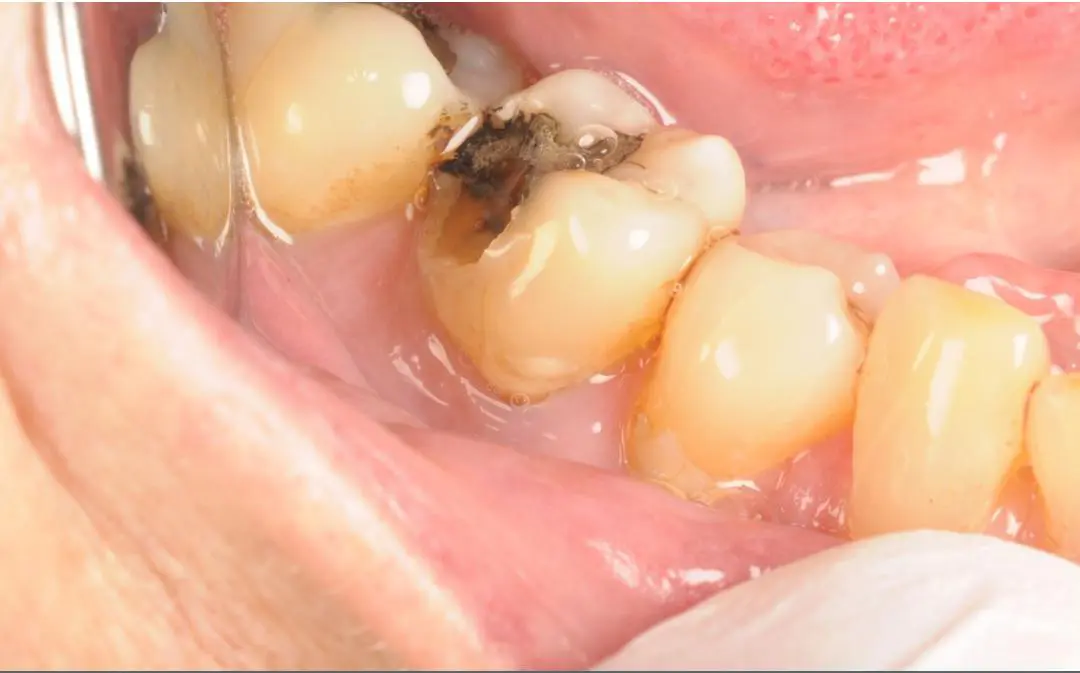
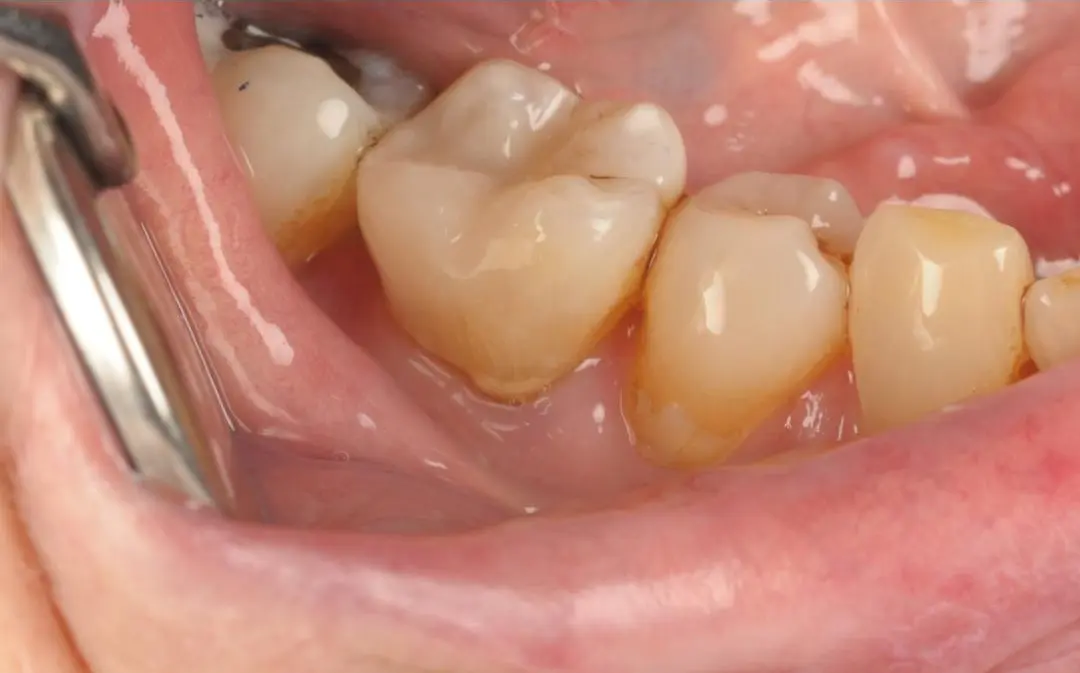
Real Patient Result: Emergency White Filling
Treatment by Dr Kamran
The healing process generally progresses predictably when patients follow post-operative guidelines. Understanding what to expect helps reduce anxiety about the procedure. Many patients experience pain relief once the infected or damaged tooth is removed, though some temporary discomfort during healing is normal.
Discussing replacement options, such as dental implants or bridges, helps patients understand their choices for restoring function and appearance following extraction.
Prevention and Oral Health Maintenance
Regular dental examinations help identify problems before they progress to the point where extraction becomes necessary. Professional cleanings remove plaque and tartar that can lead to decay and gum disease, whilst fluoride treatments strengthen tooth enamel against acid attacks.
Maintaining excellent daily oral hygiene through proper brushing and flossing reduces the risk of decay and infection. Using fluoride toothpaste and limiting sugary snacks and drinks also supports long-term tooth preservation. Additionally, wearing protective mouthguards during sports helps prevent traumatic injuries that could necessitate extraction.
Early intervention for minor problems often prevents the need for more extensive treatment later, emphasising the importance of regular dental check-ups and prompt attention to developing symptoms.
Key Points to Remember
• Extraction becomes necessary when teeth cannot be successfully restored due to extensive damage, decay, or infection
• Modern dentistry prioritises tooth preservation, but some situations require extraction for effective pain relief
• Professional assessment accurately determines whether a tooth is truly unrestorable
• Prompt attention to dental pain prevents minor problems from progressing to extraction-level damage
• Regular dental care can help reduce the likelihood of needing emergency extractions
• Post-extraction healing generally proceeds smoothly with proper aftercare and pain management
Frequently Asked Questions
How do I know if my tooth needs extraction rather than filling or crown?
The extent of damage determines treatment options. Extensive decay, fractures below the gum line, or insufficient healthy tooth structure may make restoration impossible. Professional examination with X-rays provides accurate assessment of the tooth's condition and helps determine the most appropriate treatment approach.
Is extraction always the last resort for painful teeth?
Dentistry focuses on preserving natural teeth whenever possible through treatments like fillings, crowns, or root canal therapy. However, when these options cannot successfully address the problem or provide predictable long-term results, extraction may become the most appropriate solution for relieving pain and maintaining oral health.
What happens if I delay treatment for a severely damaged tooth?
Delaying treatment for severely compromised teeth may lead to increased pain, spreading infection, or damage to adjacent teeth and tissues. Early professional assessment provides more treatment options and better outcomes than waiting until problems worsen significantly.
Can a tooth that needs extraction ever be saved?
Treatment recommendations depend on thorough clinical and radiographic examination. Whilst some teeth may appear severely damaged, professional assessment might reveal treatment options. However, truly unrestorable teeth cannot be successfully preserved, and attempting inappropriate treatment may prolong discomfort without achieving lasting results.
How long does pain last after extracting a severely infected tooth?
Many patients experience pain relief once an infected tooth is removed. Some discomfort during the first few days of healing is normal, but this may respond well to appropriate pain management guidance from your dental team. Persistent or worsening pain should be reported to your dental team promptly.
Are there alternatives to extraction for managing dental pain?
Pain management depends on the underlying cause and extent of damage. Options may include root canal treatment, antibiotics for infection, or restorative procedures for damaged teeth. However, when teeth cannot be successfully restored, extraction often provides the most predictable pain relief and prevents future complications.
Conclusion
Understanding when extraction becomes clinically necessary helps patients make informed decisions about managing unrestorable dental pain. Whilst modern dentistry emphasises tooth preservation, some situations require extraction to provide effective pain relief and maintain overall oral health. Professional assessment accurately determines treatment options, ensuring patients receive appropriate care based on their individual circumstances.
Regular dental care, prompt attention to symptoms, and maintaining excellent oral hygiene significantly reduce the likelihood of developing problems requiring extraction. When extraction does become necessary, modern techniques focus on patient comfort and successful healing outcomes.
Dental symptoms and treatment options should always be assessed individually during a clinical examination.
Disclaimer
This article is for educational purposes only and does not constitute dental advice, diagnosis, or treatment. Individual symptoms and treatment needs vary — always seek assessment from a qualified dental professional. No treatment outcomes are guaranteed; results depend on individual clinical circumstances. If you are experiencing dental pain or symptoms, please seek prompt professional care rather than relying on general information. This content complies with General Dental Council (GDC), Care Quality Commission (CQC), and Advertising Standards Authority (ASA) guidelines.