
Having a dental procedure can feel daunting enough, and for many patients, the lingering numbness that follows local anaesthesia can be just as unsettling as the treatment itself. If you have ever left the dentist's chair unable to feel your lip, tongue, or cheek — and wondered whether this sensation is normal — you are certainly not alone. Post-treatment numbness after local anaesthesia is one of the most commonly searched dental topics by adults in London and across the UK.
Understanding why post-treatment numbness after local anaesthesia occurs, how long it typically lasts, and what you can do to manage the experience comfortably at home is genuinely helpful. This article explains the science behind local anaesthesia in dentistry, what sensations are commonly reported, how to take care of yourself during the recovery period, and when it may be appropriate to seek further professional dental advice.
What to Expect After Local Anaesthesia
Post-treatment numbness after local anaesthesia typically lasts between one and four hours, depending on the type and dose of anaesthetic used, the area treated, and individual patient factors. The numbness gradually fades as the anaesthetic wears off naturally. In most cases, sensation returns to normal without any intervention.
Experiencing these symptoms?
Delaying treatment can lead to tooth loss. We have slots available today.
What Is Local Anaesthesia in Dentistry?
Local anaesthesia is one of the most widely used and well-established tools in modern dentistry. It works by temporarily blocking the transmission of nerve signals in a specific area of the mouth, allowing your dentist to carry out treatment — such as a filling, extraction, or root canal procedure — without you experiencing pain.
The most commonly used local anaesthetic agent in UK dental practices is lidocaine, often combined with a small amount of adrenaline (epinephrine) to help constrict local blood vessels. This combination slows the absorption of the anaesthetic into the bloodstream, prolonging its effectiveness and making the treatment safer and more comfortable.
The anaesthetic is typically administered by injection into the gum tissue near the target tooth or nerve pathway. Patients may feel a mild sting or pressure during the injection, but this usually passes within seconds. The numbing effect typically begins within a few minutes and is well established before treatment commences. This is especially relevant for procedures such as fully erupted wisdom tooth removal.
Meet Dr. Yasha Shirazi
Principal Dentist at Emergency Dentist London
"We treat hundreds of dental emergencies every month. The sooner you come in, the easier the fix usually is."
Book an appointment with our team →Understanding how local anaesthesia works can help patients feel more at ease about what they experience both during and after their appointment.
Why Does the Numbness Linger After Your Appointment?
The sensation of numbness after a dental procedure often surprises patients — particularly when it extends beyond the treated area to include the lip, tongue, cheek, or chin. This is entirely expected and is simply a result of how the anaesthetic interacts with the surrounding nerve pathways.
When an inferior alveolar nerve block is used — a common technique for treating lower back teeth — the anaesthetic affects a broader nerve pathway. This can result in numbness across a wider area of the lower jaw, lip, and chin, even though only a single tooth was being treated. Similarly, injections in the upper jaw may temporarily numb the cheek and gum tissue in that region.
The duration of post-treatment numbness after local anaesthesia depends on several factors:
- Type of anaesthetic used — different formulations have varying durations of action
- Dose administered — a larger volume may take longer to fully metabolise
- Location of the injection — nerve blocks generally last longer than localised infiltrations
- Individual patient variation — metabolism, circulation, and overall health can all influence how quickly the anaesthetic wears off
Most patients find that sensation returns gradually over one to four hours. Longer-lasting anaesthetic agents may occasionally produce numbness that persists for up to six hours in some individuals.
How to Manage Post-Treatment Numbness Safely at Home
The period immediately following your dental appointment requires a degree of care and awareness. Because you may not be able to feel part of your face, lips, or tongue properly, it is easy to accidentally cause minor injury without realising it.
Here are some practical suggestions for managing comfortably during the recovery period:
Eating and drinking
Avoid eating until the numbness has fully resolved. Attempting to chew food while numb can result in accidental biting of the cheek, lip, or tongue. If you need to drink, use a straw with caution and opt for cool or lukewarm fluids rather than hot beverages, which you may not be able to gauge accurately in temperature.
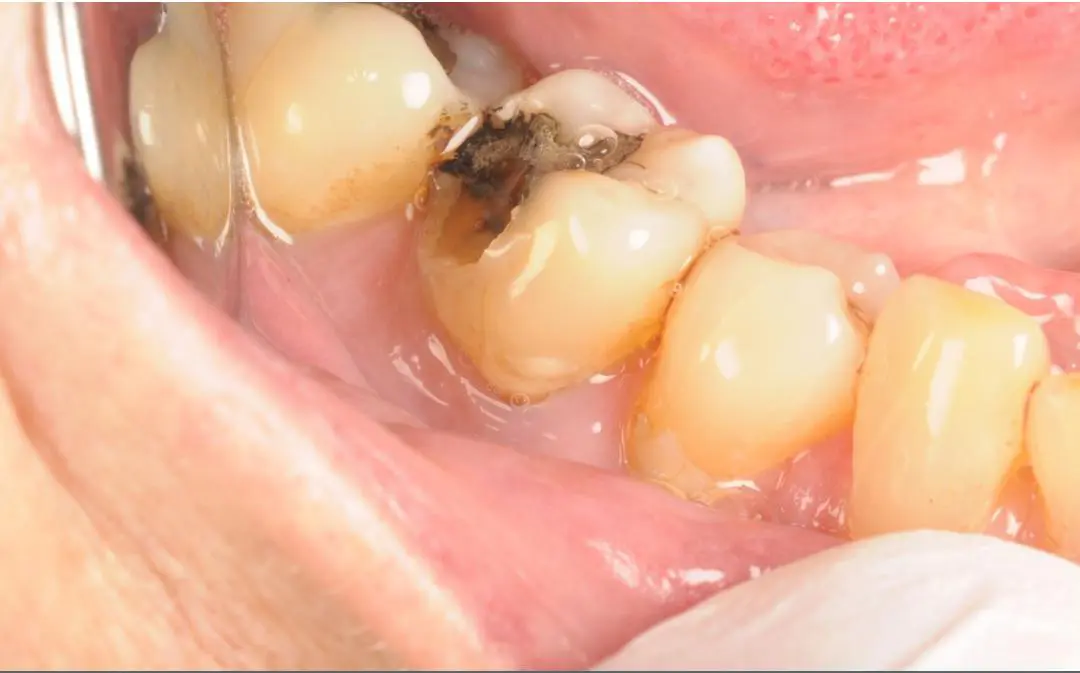
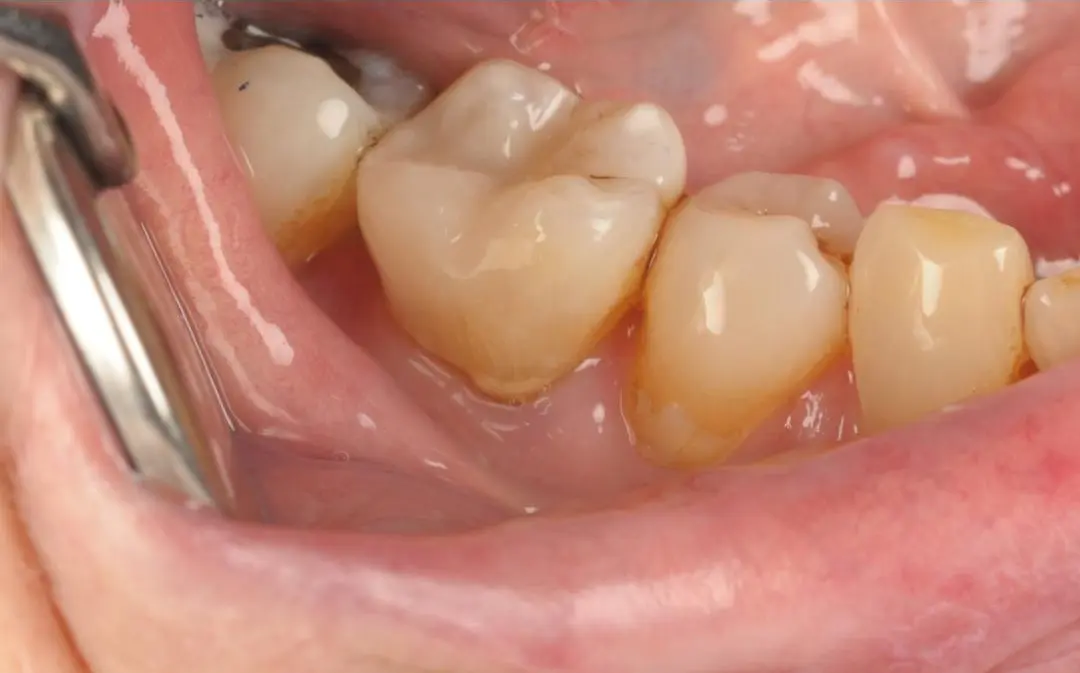
Real Patient Result: Emergency White Filling
Treatment by Dr Kamran
Protect the numb area
Be mindful not to probe or bite the numb area out of curiosity or habit. Children in particular benefit from close supervision, as they may be tempted to chew on their lip or cheek.
Rest and take it easy
Light activity is generally fine, but vigorous exercise immediately after a procedure is best avoided if anaesthesia is still active, particularly if your treatment involved more extensive work.
Talking and communication
Some patients find speech temporarily affected while the lips and tongue are numb. This is normal and resolves as sensation returns.
If you have undergone a dental procedure requiring local anaesthesia, your dentist will provide specific post-treatment guidance tailored to your individual situation. Always follow their advice.
The Science Behind Local Anaesthesia: How It Blocks Pain
To understand post-treatment numbness more fully, it helps to know a little about the underlying dental science.
Nerves transmit pain signals by generating electrical impulses through channels in the nerve cell membrane. Local anaesthetic agents — such as lidocaine — work by entering the nerve cell and blocking sodium channels, which are essential for generating these electrical signals. When the sodium channels are blocked, the nerve cannot fire, and no pain signal is transmitted to the brain.
The anaesthetic is introduced close to the nerve supplying the target area, either by direct infiltration into the surrounding tissue or by a nerve block injection aimed at the trunk of the nerve before it branches out. Once injected, the anaesthetic binds to the sodium channels in the nerve fibres.
As the body gradually metabolises and absorbs the anaesthetic agent — primarily through the local blood supply — the sodium channels become unblocked one by one. This is why the return of sensation after local anaesthesia tends to feel gradual rather than sudden, often described by patients as a slow "thawing" or tingling sensation progressing from the outer edges of the numb area inward.
This process is physiological and generally safe. The nerve itself is not usually damaged during routine local anaesthesia, and full sensation typically returns as the medication disperses.
For patients interested in understanding what different dental procedures involve, our treatment comparison hub may provide helpful context.
Common Sensations During Recovery: What Is Normal?
As the anaesthetic begins to wear off, patients commonly describe a range of sensations. Knowing what to expect can help reduce any unnecessary concern.
Tingling or "pins and needles"
A tingling or buzzing sensation in the lip, cheek, or tongue is one of the most frequently reported experiences as sensation begins to return. This is completely normal.
Mild sensitivity around the injection site
Some patients notice mild tenderness or aching at the site where the injection was administered. This is often due to minor tissue irritation from the needle and typically settles within 24 to 48 hours.
Awareness of the treated area
Once feeling returns, patients sometimes notice sensitivity around the treated tooth. This is common after procedures such as fillings or extractions and usually settles with time. If you have had a filling placed, some degree of sensitivity to temperature or pressure in the days following treatment is not unusual.
Slight swelling or bruising at the injection site
Occasionally, minor swelling or a small bruise may develop near the injection point. This typically resolves within a few days without intervention.
These sensations are generally part of the expected post-treatment experience and do not usually require further dental attention. However, if you are unsure or concerned, it is always appropriate to contact your dental practice for guidance.
When Professional Dental Assessment May Be Appropriate
While post-treatment numbness after local anaesthesia is usually straightforward and self-resolving, there are certain situations where it may be worth seeking professional dental advice.
Numbness that persists beyond 24 hours
In rare cases, numbness or altered sensation may last longer than expected. Prolonged altered sensation — known as paraesthesia — can occasionally occur following certain dental procedures, particularly those involving the lower jaw. If you notice that numbness, tingling, or a loss of sensation has not resolved within 24 hours of your procedure, it is advisable to contact your dental practice for guidance. Patients taking anticoagulants may also find our guidance on safe dental care with blood-thinning medication helpful when planning follow-up care.
Difficulty swallowing or breathing
These are uncommon but represent situations requiring prompt medical attention. If you experience any difficulty swallowing or breathing following a dental injection, seek emergency assistance immediately.
Swelling that increases after the procedure
Some minor post-procedure swelling is normal, but if swelling appears to be increasing rather than settling in the days following treatment, this warrants professional review.
Unusual or unexpected pain once anaesthesia wears off
A degree of discomfort once the anaesthetic subsides is expected after many dental procedures. However, if pain is severe, not responding to over-the-counter pain relief taken as directed, or worsening after 48 hours, it is sensible to contact your dentist.
Signs of infection
Symptoms such as persistent swelling, a bad taste or discharge, fever, or difficulty opening the mouth could suggest an infection developing and should be assessed by a dental professional without unnecessary delay.
If you are in London and require same-day dental care or assessment, our emergency dental appointments are available to help patients who need prompt attention.
Watch: Emergency Dental Care in London
If you are concerned about symptoms following a dental procedure or need to understand when to seek urgent dental assessment, the following video may be helpful:
Caring for Your Mouth After a Dental Procedure
The period following dental treatment is an important time to be mindful of your oral health. Alongside managing the effects of local anaesthesia, there are several general aftercare practices that can support comfortable recovery.
Oral hygiene
Unless your dentist has advised otherwise, continue brushing gently twice daily using a fluoride toothpaste. Around the treated area, you may wish to brush very gently to avoid irritating sensitive tissue. Flossing around extraction sites or healing gums should follow your dentist's specific guidance.
Rinsing
If you have had an extraction or oral surgery, your dentist may recommend warm saltwater rinses after 24 hours to help keep the area clean and support healing. Avoid vigorous rinsing or spitting in the immediate post-extraction period, as this can disturb the healing blood clot.
Avoiding tobacco and alcohol
Smoking and alcohol use can interfere with healing, particularly after extractions or surgical procedures. Avoiding these in the immediate recovery period is advisable.
Follow-up appointments
Attend any follow-up appointments recommended by your dentist. These allow your dental team to confirm that healing is progressing appropriately and address any concerns.
For patients seeking general guidance on maintaining good oral health alongside any dental treatment, booking regular preventative check-ups can be a valuable step in supporting long-term oral wellbeing.
Prevention and Oral Health: Reducing the Need for Repeated Procedures
One of the most effective ways to minimise repeated exposure to dental treatments — and the associated post-anaesthesia recovery — is to maintain good preventative oral health habits.
Regular dental check-ups
Attending routine dental examinations allows your dental team to identify early signs of decay, gum disease, or other concerns before they develop into conditions requiring more significant intervention.
Twice-daily brushing and daily flossing
Consistent oral hygiene removes plaque — the primary cause of both tooth decay and gum disease — before it can cause damage.
Fluoride toothpaste
Using a fluoride toothpaste strengthens tooth enamel and helps reduce the risk of cavities developing.
Dietary awareness
Frequent consumption of sugary or acidic foods and drinks creates conditions in which tooth decay can develop more readily. Moderating these foods and being mindful of how often they are consumed — rather than just how much — can make a meaningful difference to oral health.
Dental anxiety support
Many patients who avoid regular dental attendance do so because of anxiety. Modern dental practices offer a range of approaches to help anxious patients receive the care they need comfortably. Speaking to your dental team about any concerns is a positive first step.
Building these habits into your daily routine is one of the most practical ways to support long-term dental health and reduce the likelihood of procedures that require local anaesthesia.
Key Points to Remember
- Post-treatment numbness after local anaesthesia is a normal, expected part of recovery following many dental procedures and typically resolves within one to four hours.
- The duration and extent of numbness depend on the type of anaesthetic used, the injection site, and individual patient factors.
- During the numbness period, avoid eating solid foods, hot drinks, and probing the numb area to prevent accidental injury.
- Mild tingling, tenderness at the injection site, and some sensitivity around the treated tooth are common and usually settle within a short period.
- If numbness persists beyond 24 hours, or if you experience increasing swelling, signs of infection, or unusual pain, contact your dental practice for assessment.
- Good preventative oral health habits can reduce the frequency of dental procedures and associated recovery experiences.
Frequently Asked Questions
How long should numbness last after a dental injection?
Post-treatment numbness after local anaesthesia typically lasts between one and four hours for most standard dental procedures, though this can vary. Nerve block injections used for lower jaw treatments may sometimes result in numbness lasting up to six hours. Factors such as the specific anaesthetic agent used, the dose, and individual differences in metabolism all influence the duration. If numbness has not resolved within 24 hours, it would be appropriate to contact your dental practice for further guidance, as prolonged altered sensation can occasionally require professional review.
Is it normal for my lip and chin to go numb after a filling?
Yes, it is entirely normal for the lip, chin, and cheek area to become numb after dental treatment — particularly when a nerve block injection has been used for lower jaw procedures. The inferior alveolar nerve, which supplies sensation to the lower teeth, also supplies the lip and chin. Anaesthetising this nerve to treat a tooth will therefore affect the wider area it serves. This is expected and should resolve as the anaesthetic wears off naturally.
Can I eat after having local anaesthesia at the dentist?
It is generally advisable to wait until the numbness has fully resolved before eating. Attempting to chew food while part of your mouth is numb increases the risk of accidentally biting your cheek, lip, or tongue without feeling it, which can cause injury. Cool or lukewarm fluids may be consumed carefully in the interim. Your dental team will provide specific guidance based on the procedure you have had, and this should always take precedence over general advice.
What should I do if my numbness hasn't worn off after several hours?
If you are still experiencing significant numbness several hours after your appointment — particularly beyond six to eight hours — it is advisable to contact your dental practice. In most cases, there will be a straightforward explanation, but your dentist will be best placed to assess whether further evaluation is needed. Prolonged or persistent altered sensation following a dental injection, while uncommon, is something that warrants professional review to ensure appropriate follow-up if required.
Is it normal to have a sore jaw after a dental injection?
Mild soreness or tenderness around the injection site is a common and expected experience following dental anaesthesia. The jaw muscles and surrounding tissue can sometimes feel stiff or tender for 24 to 48 hours after an injection, particularly if the treatment required multiple injections or a nerve block technique. Applying a warm compress gently to the area may offer some comfort. If soreness is severe, worsening after 48 hours, or accompanied by difficulty opening the mouth, contact your dental practice for assessment.
Can local anaesthesia cause any complications?
Complications from local anaesthesia in dentistry are uncommon, and the procedure is considered very safe when performed by a qualified dental professional. Occasionally, patients may experience minor bruising at the injection site, temporary altered sensation, or a short-lived headache. Rarely, a haematoma (small collection of blood) may form near the injection site but usually resolves without treatment. Serious adverse reactions are very rare. If you have any concerns about how you feel following a dental anaesthetic, seeking advice from your dental practice is always the appropriate step.
Conclusion
Managing post-treatment numbness after local anaesthesia is a straightforward part of the dental recovery process for most patients. Understanding why numbness occurs, what sensations are normal, and how to take care of yourself during the recovery period can make the experience considerably more comfortable and less worrying.
In the vast majority of cases, post-treatment numbness after local anaesthesia resolves naturally within a few hours, and patients are able to return to their normal routine the same day. Taking simple precautions — such as avoiding eating until sensation returns and being gentle with the numb area — helps prevent minor accidental injury during this time.
If you experience any symptoms that concern you, including numbness that persists beyond 24 hours, increasing swelling, or unusual pain, it is always appropriate to contact a dental professional for assessment. Early advice is far preferable to waiting and worrying.
Good preventative oral health habits remain the most effective foundation for reducing the frequency of dental procedures and supporting long-term dental wellbeing. Regular check-ups, consistent oral hygiene, and open communication with your dental team all play an important role.
Dental symptoms and treatment options should always be assessed individually during a clinical examination.
Disclaimer
Educational information only; this article is not a diagnosis or personalised treatment advice.
Post-treatment symptoms and treatment needs must be assessed in an individual clinical examination.
No outcomes are guaranteed, and urgent symptoms should be reviewed by a clinician promptly.
Content is aligned with GDC, CQC, and ASA CAP communication guidance.
If you have concerns after treatment, seek advice from a GDC-registered dental professional.