
When a dental emergency strikes, it can feel overwhelming. Whether you are dealing with sudden tooth pain, a knocked-out tooth, a broken crown, or facial swelling, many people instinctively turn to the internet for guidance before picking up the phone. One of the most common questions patients ask is: what should I tell the emergency dentist when I call or arrive for an urgent appointment?
Knowing how to communicate your symptoms clearly and effectively can make a genuine difference to how quickly and accurately you receive appropriate dental care. Emergency dentists rely heavily on the information you provide — particularly in those first critical moments — to assess urgency and prepare for your visit.
This article explains what information to share during an urgent dental appointment, why it matters, and how to prepare yourself before you contact an emergency dentist in London. Understanding this process can help you feel calmer and more confident during what can be a stressful experience.
Experiencing these symptoms?
Delaying treatment can lead to tooth loss. We have slots available today.
Featured Snippet: What Should You Tell an Emergency Dentist?
During an urgent dental appointment, you should tell the emergency dentist what symptoms you are experiencing, when they started, the severity of your pain, any relevant medical history, and medications you are currently taking. Providing this information helps the dentist assess your situation accurately and prepare the most appropriate care.
Why the Information You Share Matters
Emergency dentists work under time pressure, often seeing patients with acute or complex conditions. The details you share — both over the phone when booking and in person at your appointment — form the foundation of your initial assessment.
Without a clear picture of your symptoms, the clinical team may need to spend additional time gathering background information before they can begin to help you. Sharing accurate and organised information from the outset allows the dentist to prioritise your care appropriately, anticipate what equipment or materials may be needed, and ensure your safety throughout the appointment.
Meet Dr. Yasha Shirazi
Principal Dentist at Emergency Dentist London
"We treat hundreds of dental emergencies every month. The sooner you come in, the easier the fix usually is."
Book an appointment with our team →It is worth remembering that an emergency dentist cannot diagnose your condition or recommend treatment without conducting a proper clinical examination. However, the information you provide in advance helps them understand the likely nature of your concern so they can be fully prepared.
Key Information to Share When You Contact the Practice
Whether you are calling ahead or arriving at an emergency dental clinic, there are several important details to communicate clearly.
1. A Description of Your Main Symptom
Begin by describing your primary concern as clearly as possible. For example:
- "I have severe throbbing pain in my upper back tooth that started last night."
- "I have knocked out a front tooth and I still have the tooth with me."
- "My face has started to swell on the right side and it is getting worse."
Being specific helps the dentist understand the nature and urgency of your situation without needing to ask too many follow-up questions.
2. When the Problem Started
Dental emergencies can develop quickly or gradually. Let the dentist know:
- When you first noticed the symptom
- Whether it came on suddenly or has been building over days
- Whether anything triggered it (a knock, biting down hard, a previous dental procedure)
This timeline is clinically valuable because certain conditions — such as dental abscesses — often follow a recognisable pattern of progression.
3. Your Pain Level and How It Feels
Describing your pain accurately helps the dentist gauge severity. Try to explain:
- How severe it is on a scale of one to ten
- Whether it is constant or comes and goes
- Whether it is sharp, throbbing, dull, or aching
- Whether anything makes it better or worse (heat, cold, pressure, lying down)
Your Medical History and Current Medications
This is an area patients sometimes forget to mention, but it is critically important for safe dental care.
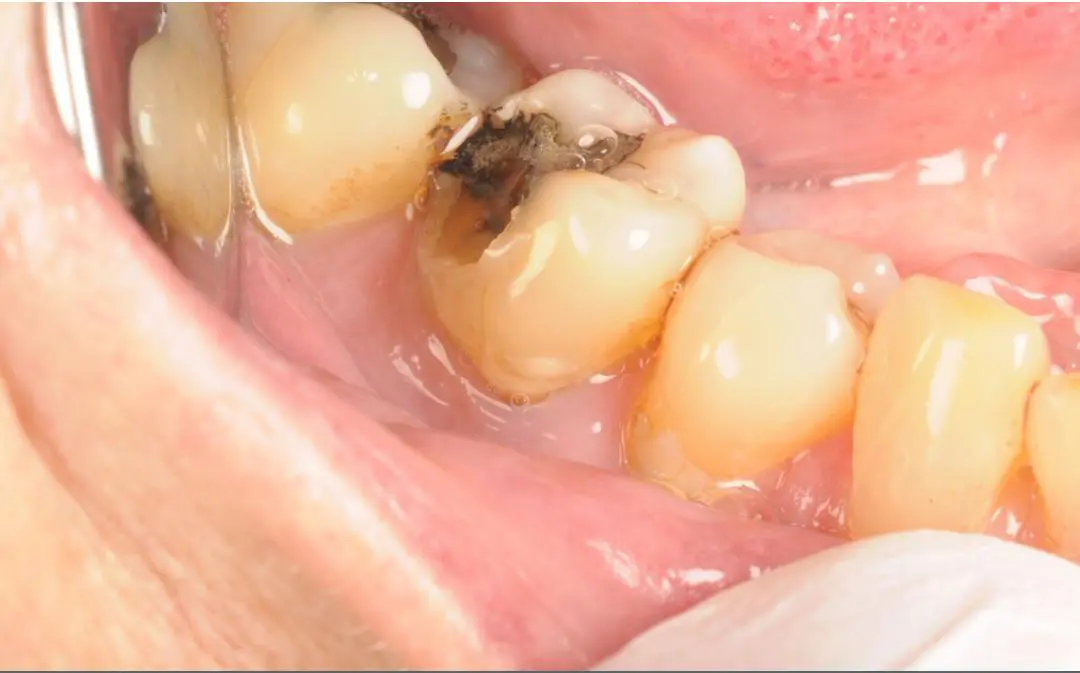
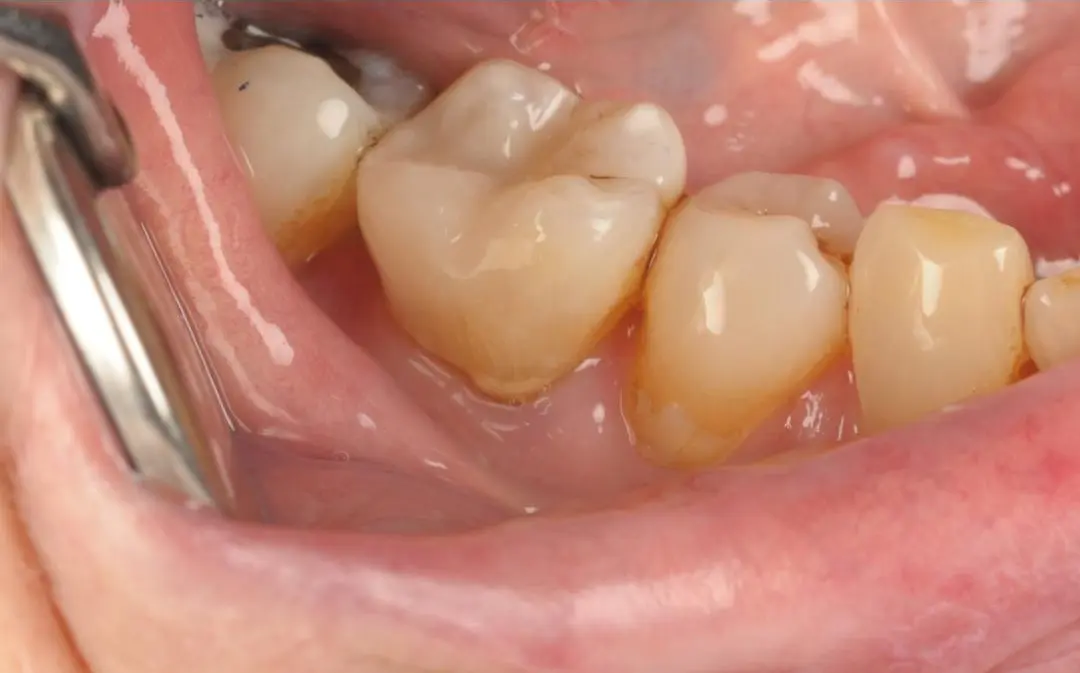
Real Patient Result: Emergency White Filling
Treatment by Dr Kamran
Always inform the emergency dentist of:
- Any known medical conditions, including heart conditions, diabetes, epilepsy, blood disorders, or immunosuppressive conditions
- Current medications, including blood thinners, antibiotics, steroids, or anticoagulants
- Known allergies, particularly to anaesthetic agents, latex, antibiotics such as penicillin, or pain relief medications
- Previous reactions to dental treatment, such as difficulties with local anaesthesia
This information directly influences the treatment the dentist can safely provide. For example, patients taking certain blood-thinning medications may require additional precautions during procedures. Patients with certain heart conditions may need antibiotic prophylaxis before specific dental interventions, subject to current clinical guidelines.
If you are unsure about any of your medications, bring the packaging or a repeat prescription list with you to the appointment.
The Clinical Science Behind Dental Emergencies
Understanding a little about why dental emergencies occur can help you describe your symptoms more effectively.
Most dental pain originates from the pulp — the soft tissue at the centre of each tooth containing nerves and blood vessels. When bacteria penetrate through damaged enamel or dentine and reach the pulp, inflammation can develop rapidly. This is known as pulpitis. If the infection spreads beyond the root tip into the surrounding bone and soft tissue, an abscess may form.
Symptoms such as spontaneous pain, prolonged sensitivity to temperature, or swelling often indicate that the pulp or surrounding structures are involved. This is why describing the character and location of your pain is so valuable — these details can help indicate how advanced a condition may be, though only a clinical examination can confirm this.
If you have experienced trauma, such as a knocked-out or fractured tooth, the management of dental trauma requires prompt assessment, as outcomes can vary depending on how quickly treatment is sought.
When You Should Seek Urgent Dental Assessment
While some dental concerns can wait for a routine appointment, others benefit from prompt professional evaluation. You should consider seeking urgent dental care if you experience:
- Severe or worsening tooth or facial pain
- Visible facial swelling, particularly if spreading
- A knocked-out or displaced permanent tooth
- Heavy or persistent bleeding following tooth loss or injury
- Difficulty swallowing or breathing alongside dental pain (seek emergency medical care immediately in this case)
- A broken tooth causing sharp edges or significant pain
- Loss of a crown, bridge, or filling resulting in sensitivity or pain
These are not exhaustive examples, and any symptom causing significant distress warrants professional assessment. A dentist will be able to examine you, determine the nature of your concern, and discuss appropriate options following that examination.
Practical Tips to Prepare Before Your Appointment
A little preparation before attending an urgent appointment can help the consultation run more smoothly.
- Write down your symptoms and when they started
- Note any medications and dosages you take regularly
- Bring your NHS medical exemption card or any relevant insurance documentation if applicable
- If a tooth has been knocked out, store it correctly — ideally in milk or between your cheek and gum — and bring it with you
- Avoid eating or drinking very hot or cold foods before attending if this worsens your pain
If you are unsure whether your situation constitutes a dental emergency, contacting an emergency dental practice directly for telephone advice is always a reasonable first step.
Oral Health and Prevention
Whilst not all dental emergencies are preventable, good oral hygiene and regular dental check-ups significantly reduce the risk of many acute dental conditions developing.
Consider the following preventative habits:
- Brush your teeth twice daily with fluoride toothpaste using a soft-bristled brush
- Clean between your teeth daily using floss or interdental brushes
- Attend routine dental check-ups as recommended by your dental team
- Wear a custom-fitted mouthguard during contact sports
- Avoid using your teeth to open packaging or bite hard objects
- Limit sugary and acidic foods and drinks, particularly between meals
Maintaining open communication with your regular dentist about any changes in sensitivity, pain, or discomfort means that potential problems may be identified and addressed before they become urgent.
Key Points to Remember
- Describe your symptoms clearly when contacting or attending an emergency dental appointment — location, type of pain, and when it started are all valuable details.
- Share your full medical history and medications so the dental team can provide care safely.
- Mention any allergies, particularly to anaesthetics, latex, or antibiotics.
- Note the timeline of your symptoms, including any triggering events.
- Prepare practically — write things down in advance, and bring any relevant teeth or dental appliances with you.
- Seek urgent care promptly for symptoms such as severe pain, swelling, trauma, or significant bleeding.
Frequently Asked Questions
What is the most important thing to tell an emergency dentist?
The most important information to share includes a clear description of your main symptom, when it started, how severe it is, and your relevant medical history including any current medications and allergies. This helps the dentist assess the urgency of your situation, prepare appropriately, and ensure any treatment provided is safe for you as an individual. The more specific you can be, the more effectively the clinical team can prepare.
Should I call ahead before attending an emergency dental appointment?
Wherever possible, calling ahead is advisable. This allows the practice to prepare for your arrival, gather initial information, and ensure the appropriate clinical team member is available. Some dental emergencies — such as a knocked-out tooth — are time-sensitive, so calling ahead also gives the dentist the opportunity to advise you on immediate steps to take before you arrive.
What if I am not sure whether my situation is a dental emergency?
If you are uncertain, it is always reasonable to contact a dental practice by phone and describe your symptoms. A member of the clinical team can help you assess whether you need an urgent appointment or whether your concern can wait for routine care. It is better to seek advice and find that your situation is not urgent than to delay care that may be needed.
What should I do if a tooth has been knocked out?
If a permanent tooth has been knocked out, handle it carefully by the crown (not the root), rinse it gently if dirty, and try to reposition it in the socket if possible. If this is not possible, store the tooth in milk or in your cheek between your gum and inner cheek, and attend an emergency dental appointment as promptly as possible. Time is an important factor in these situations, though outcomes cannot be guaranteed and depend on individual clinical factors.
Can I take painkillers before my emergency dental appointment?
Over-the-counter pain relief such as paracetamol or ibuprofen may help manage discomfort before your appointment, provided you have no contraindications to taking these medications. Always follow the dosage instructions on the packaging. Inform the dentist of anything you have taken before arriving, as this is relevant to your overall clinical picture.
Will the emergency dentist be able to fix my problem in one appointment?
This depends entirely on the nature of your dental problem. Some urgent concerns can be fully addressed in a single visit, while others may require a staged approach involving further appointments. The dentist will explain what is possible following their clinical assessment and discuss the options available to you based on your individual situation.
Conclusion
Knowing what to tell the emergency dentist during an urgent dental appointment can make a meaningful difference to the speed and quality of care you receive. By describing your symptoms clearly, sharing your medical history honestly, and arriving as prepared as possible, you give the clinical team the best opportunity to assess and support you effectively.
Dental emergencies can feel alarming, but understanding the process — and what is expected of you as a patient — can help reduce anxiety and ensure the appointment goes as smoothly as possible. Good communication is at the heart of safe and effective dental care.
Dental symptoms and treatment options should always be assessed individually during a clinical examination.
If you are experiencing a dental concern that requires prompt attention, do not hesitate to reach out to a qualified dental professional for guidance.
Disclaimer: This article is intended for general educational purposes only and does not constitute personalised dental advice. Individual diagnosis and treatment recommendations require a clinical examination by a qualified dental professional.
Next Review Due: 09 November 2027