
Having a broken tooth can be an unsettling experience. Whether it happened suddenly — from biting something hard, a fall, or an unexpected knock — the discomfort and uncertainty that follow often send people searching online for guidance. One of the most commonly asked questions after visiting an emergency dentist is: what should I eat after having a broken tooth temporarily repaired?
A temporary repair is exactly what the name suggests — a short-term solution designed to protect the tooth whilst a definitive treatment plan is arranged. It may involve a dental filling material, a temporary crown, or a bonding agent to stabilise the damaged area. Understanding what to eat during this period is essential for protecting the repair, minimising discomfort, and supporting your tooth's ability to heal effectively.
This article explains what foods are considered suitable after a temporary tooth repair, what to avoid, and when it may be worth contacting your dentist for further advice.
Experiencing these symptoms?
Delaying treatment can lead to tooth loss. We have slots available today.
Featured Snippet Answer
What should I eat after having a broken tooth temporarily repaired?
After eating after a broken tooth temporarily repaired, stick to soft, non-sticky foods such as porridge, mashed potato, soup, yoghurt, and scrambled eggs. Avoid hard, crunchy, chewy, or very hot and cold foods, as these may dislodge or damage the temporary repair and cause discomfort to the affected tooth.
Why Diet Matters After a Temporary Tooth Repair
When a dentist places a temporary repair on a broken tooth, the material used is typically softer and less durable than a permanent restoration. This is intentional — temporary materials are designed to be removed or replaced during a follow-up appointment when the definitive treatment is carried out.
Meet Dr. Yasha Shirazi
Principal Dentist at Emergency Dentist London
"We treat hundreds of dental emergencies every month. The sooner you come in, the easier the fix usually is."
Book an appointment with our team →Because of this, temporary repairs are more susceptible to being dislodged, cracked, or worn down by the forces of chewing. The underlying tooth structure may also be more sensitive than usual, particularly if the break extended close to or through the dentine — the inner layer of the tooth beneath the enamel.
Choosing the right foods during this interim period can help:
- Keep the temporary repair in place
- Reduce sensitivity and discomfort
- Prevent bacteria from accessing the vulnerable tooth
- Allow any surrounding soft tissue to settle
Your dentist will usually offer specific post-treatment advice. It is important to follow their individual guidance, as recommendations may vary depending on the extent of the break and the type of temporary material used.
Foods That Are Generally Considered Safe to Eat
During the period between your temporary repair and your permanent treatment, soft, gentle foods are typically the most appropriate choice. The following are commonly considered suitable:
Soft and easy to chew:
- Porridge and smooth cereals
- Scrambled or poached eggs
- Mashed potato or sweet potato
- Soft cooked vegetables (carrots, courgette, butternut squash)
- Ripe banana or soft fruits such as melon
- Natural yoghurt or fromage frais
- Soup (lukewarm, not very hot)
- Soft white fish or flaked salmon
- Well-cooked pasta or rice
Key principles to follow:
- Chew on the opposite side of your mouth where possible
- Eat slowly and avoid biting directly into foods with the repaired tooth
- Allow hot foods and drinks to cool slightly before eating
These choices place minimal pressure on the temporary repair and are less likely to cause sensitivity in a tooth that may already feel slightly tender.
Foods and Habits to Avoid
Certain foods and behaviours can place unnecessary stress on a temporary repair and increase the likelihood of it becoming dislodged or damaged. The following are generally best avoided:
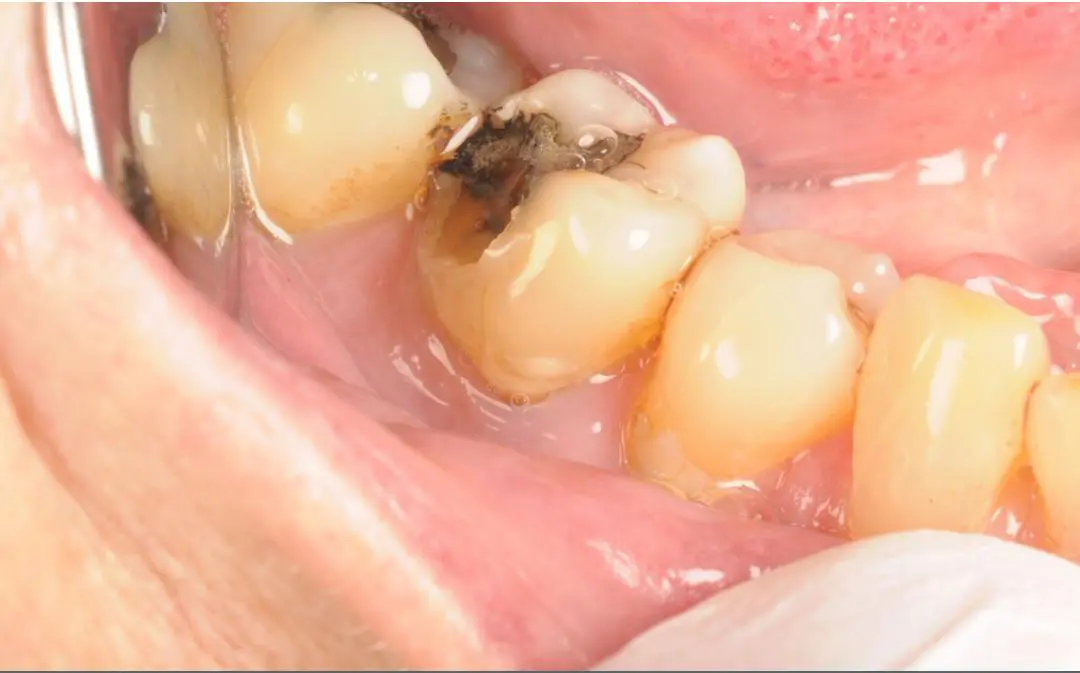
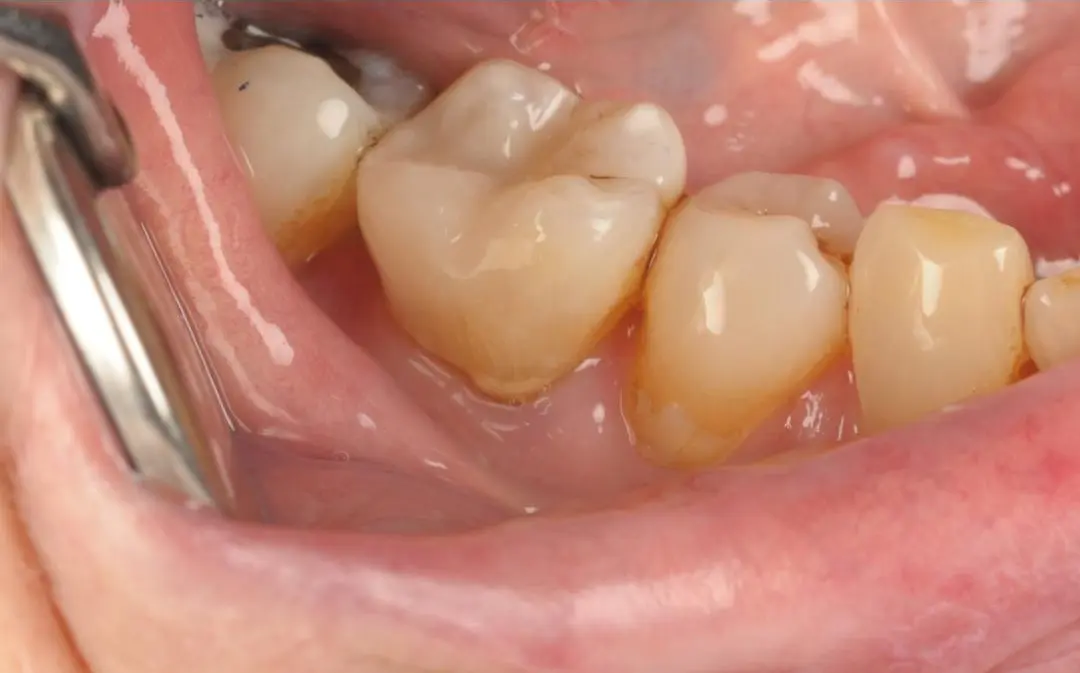
Real Patient Result: Emergency White Filling
Treatment by Dr Kamran
Hard foods:
- Crusty bread, hard rolls, or baguettes
- Raw carrots, celery, or apples
- Nuts and seeds
- Boiled sweets or hard confectionery
Sticky or chewy foods:
- Toffees, caramel, or chewing gum
- Dried fruit
- Thick, chewy meats
Extreme temperatures:
- Very hot drinks or foods, which may increase sensitivity
- Iced drinks or frozen foods, which can also cause discomfort
Other habits to be mindful of:
- Avoid using the repaired tooth to tear open packaging or bite fingernails
- Try not to clench or grind your teeth — if this is a concern, speak to your dentist
If you experience sudden or severe sensitivity, sharp pain, or notice that the temporary repair has come loose, contact your dental practice promptly. If you need urgent dental assistance in London, an emergency dentist can assess your situation and advise on next steps.
Understanding the Dental Science Behind a Temporary Repair
To understand why dietary care matters, it helps to consider what happens to a broken tooth at a structural level.
A tooth consists of three primary layers: the outer enamel, the dentine beneath it, and the pulp at the centre, which contains nerves and blood vessels. When a tooth breaks, the protective enamel is compromised. Depending on the depth of the fracture, the dentine — which contains tiny tubules connected to the nerve — may be exposed. This is why broken teeth are often sensitive to temperature, pressure, and sweet or acidic foods.
A temporary repair material is placed to seal and protect this exposed area. However, it does not replicate the full strength of natural enamel or a permanent restoration. Treating the tooth gently whilst this material is in place supports the integrity of the repair and helps prevent further structural damage or bacterial ingress.
If the pulp of the tooth has been affected by the break, more complex treatment such as root canal therapy may be considered by your dentist. Treatment suitability always depends on clinical assessment and individual circumstances. You can read more about broken tooth treatment options to better understand what may be involved.
When to Contact Your Dentist
Whilst a temporary repair is designed to provide short-term stability, there are circumstances where it is sensible to contact your dentist sooner rather than waiting for your scheduled appointment.
You may wish to seek dental advice if you experience:
- The repair has become loose or fallen out — the tooth will be unprotected and at greater risk of further damage
- Increasing or persistent pain — discomfort that worsens rather than settles may indicate an underlying issue
- Sensitivity that becomes difficult to manage — particularly if it affects your ability to eat or drink
- Swelling around the gum or jaw — this should always be assessed professionally, as it may indicate infection
- Difficulty opening or closing your mouth — this warrants prompt evaluation
It is important to remember that dental symptoms and treatment options should always be assessed individually during a clinical examination. If you are concerned at any point, contacting your dentist is always the right course of action.
Prevention and Oral Health Advice
Whilst it is not always possible to prevent a tooth from breaking — accidents can happen unexpectedly — there are steps you can take to support overall dental health and reduce the likelihood of future fractures:
- Attend regular dental check-ups — routine examinations allow your dentist to identify weaknesses in tooth structure, such as hairline cracks or areas of decay, before they progress
- Wear a mouthguard during contact sports — a custom-fitted mouthguard from your dentist offers reliable protection
- Avoid using teeth as tools — opening packaging or biting non-food items increases fracture risk
- Address teeth grinding — if you suspect you grind your teeth at night, speak to your dentist about a night guard
- Maintain good oral hygiene — brushing twice daily with fluoride toothpaste and cleaning between teeth helps preserve tooth structure
If you play sports regularly or have a history of dental trauma, asking your dentist about custom mouthguards and preventive care may be worthwhile.
Key Points to Remember
- After a broken tooth is temporarily repaired, soft foods such as porridge, mashed potato, eggs, and yoghurt are generally most suitable
- Avoid hard, sticky, crunchy, or chewy foods that could dislodge or damage the temporary repair
- Chew on the opposite side of your mouth where possible, and avoid biting directly on the repaired tooth
- Very hot or very cold foods and drinks may increase sensitivity — allow temperatures to moderate before eating
- If the temporary repair comes loose, or if pain or swelling develops, contact your dental practice promptly
- Regular dental check-ups and good oral hygiene support long-term tooth health
Frequently Asked Questions
How long does a temporary tooth repair last?
A temporary repair is not intended to be a long-term solution. Most temporary materials are designed to last a few weeks, allowing time for a permanent restoration to be arranged. The exact duration can vary depending on the material used and how the tooth is cared for in the interim. Your dentist will advise you on how long to expect before your follow-up appointment. Avoid delays in attending your next appointment, as leaving a temporary repair in place for longer than recommended may increase the risk of further damage.
Can I brush my teeth normally after a temporary repair?
Gentle brushing is generally advisable after a temporary tooth repair. Use a soft-bristled toothbrush and avoid applying excessive pressure around the repaired area. A fluoride toothpaste is recommended. You may also be advised to avoid using strong mouthwashes or flossing immediately adjacent to the repair unless your dentist has specifically advised otherwise. Maintaining oral hygiene helps reduce the risk of bacteria affecting the vulnerable tooth, but follow any specific guidance provided by your dental professional.
Is it normal for a temporarily repaired tooth to feel sensitive?
Some degree of sensitivity after a temporary tooth repair is not uncommon, particularly in the first few days. The tooth structure may have been affected by the break, and the temporary material may not fully replicate the insulating properties of natural enamel. Sensitivity to temperature, pressure, or sweet foods can occur. If sensitivity is manageable and gradually improving, this is often part of the natural settling process. However, if sensitivity is severe, worsening, or accompanied by spontaneous pain, it is advisable to contact your dentist for further assessment.
What should I do if my temporary repair falls out?
If your temporary repair becomes dislodged or falls out, contact your dental practice as soon as possible to arrange an urgent appointment. Keep the area clean by gently rinsing with lukewarm water. Avoid eating on the affected side, and try to limit exposure of the tooth to very hot, cold, or sweet substances. In some cases, temporary dental cement available from pharmacies may be used as a very short-term measure, but this is not a substitute for professional dental care. Your dentist will advise on the most appropriate next step.
Can I drink alcohol or hot beverages after a temporary tooth repair?
It is generally advisable to avoid very hot beverages in the period immediately following a temporary repair, as heat can increase sensitivity in an already compromised tooth. Regarding alcohol, it is worth noting that some temporary materials may be affected by acidic or alcoholic drinks. Your dentist may provide specific guidance based on the material used. As a precaution, allowing hot drinks to cool to a comfortable temperature and moderating alcohol intake during the temporary repair period is a sensible approach. Always follow your dentist's individual post-treatment advice.
Will I need further treatment after a temporary repair?
Yes, in most cases a temporary repair is followed by a more comprehensive permanent treatment. The nature of that treatment will depend on the extent of the break, the health of the surrounding tooth structure, and the condition of the nerve and pulp. Options your dentist may discuss include a permanent filling, an inlay or onlay, a dental crown, or in some circumstances, root canal treatment if the pulp has been affected. Treatment suitability and recommendations are always determined through clinical assessment and individual patient circumstances.
Conclusion
Understanding what to eat after having a broken tooth temporarily repaired is an important part of looking after your dental health during what can be an uncertain time. Choosing soft, gentle foods, avoiding hard and sticky items, and taking care with extreme temperatures can all help protect the temporary repair and minimise discomfort whilst you await your permanent treatment.
Above all, it is important not to ignore a broken tooth. Even when a temporary repair has been placed, the underlying tooth structure needs professional attention and follow-up care. Eating after a broken tooth temporarily repaired requires a little patience and adaptation, but with the right approach, you can help keep the repair intact and support your recovery.
If you have any concerns about your temporary repair, notice that it has become loose, or experience increasing pain or swelling, do not hesitate to contact your dental practice for guidance. Dental symptoms and treatment options should always be assessed individually during a clinical examination.
Disclaimer: This article is intended for general educational purposes only and does not constitute personalised dental advice. Individual diagnosis and treatment recommendations require a clinical examination by a qualified dental professional.
Next Review Due: 22 October 2027