
Dental pain has a way of arriving at the most inconvenient times — often late in the evening, over a weekend, or during a bank holiday when your regular practice is unavailable. If you have ever found yourself searching online for guidance while holding your jaw in discomfort, you are certainly not alone. After-hours dental pain is one of the most common reasons people look for emergency dental advice in London.
Understanding what steps to take when dental pain starts outside of normal surgery hours can help you manage the situation more calmly and make informed decisions about whether you need urgent care. This article explains why out-of-hours dental pain occurs, what your options are, how to manage discomfort safely at home, and — importantly — when seeking emergency dental care may be appropriate. Whether the pain is mild and manageable or more severe, knowing how to respond is an important part of looking after your oral health.
Featured Snippet: What Should You Do If Dental Pain Starts After Your Dentist Has Closed?
If dental pain starts after your dentist has closed, begin by assessing the severity of your symptoms. Use over-the-counter pain relief as directed, apply a cold compress to reduce swelling, and avoid very hot or cold foods. For persistent, severe, or worsening pain — particularly with swelling or fever — contact an emergency dental service as soon as possible.
Experiencing these symptoms?
Delaying treatment can lead to tooth loss. We have slots available today.
Why Does Dental Pain Often Start or Worsen at Night?
It is a well-known frustration that toothache often intensifies during the evening or night. There are some clinically recognised reasons for this. When you lie down, increased blood flow to the head can heighten pressure around an already-inflamed tooth or surrounding tissue, amplifying the sensation of pain. During the day, distractions from work and daily activity may also mask discomfort that becomes far more noticeable once you are at rest.
Additionally, dental pain can develop gradually over days or weeks — sometimes stemming from a cavity that has progressed, a cracked tooth that has worsened, or gum inflammation that has become more pronounced. Because dental pain often builds slowly, it frequently reaches a point of significance outside routine surgery hours.
Understanding this pattern can be reassuring: experiencing an escalation in pain overnight does not necessarily indicate a dramatic sudden change. It may simply mean that an existing issue has reached a threshold that requires attention. The key is responding appropriately and not waiting too long if symptoms are severe.
Meet Dr. Yasha Shirazi
Principal Dentist at Emergency Dentist London
"We treat hundreds of dental emergencies every month. The sooner you come in, the easier the fix usually is."
Book an appointment with our team →Immediate Steps You Can Take at Home
When dental pain strikes and your dentist is unavailable, there are several safe, temporary measures you can take to help manage discomfort while you decide on next steps.
Over-the-counter pain relief: Ibuprofen (if suitable for you) can help reduce both pain and inflammation. Paracetamol is an alternative if ibuprofen is contraindicated. Always follow the manufacturer's dosage instructions and consult a pharmacist if you are unsure which is appropriate for your circumstances.
Cold compress: Applying a wrapped ice pack or cold compress to the outside of the cheek for short intervals may help reduce swelling and provide some temporary relief.
Clove oil: A small amount of clove oil applied carefully to the affected area using a cotton bud may offer temporary numbing relief. This is a commonly used home measure, though it is not a substitute for professional treatment.
Avoid triggers: Steer clear of very hot drinks, cold foods, or sugary items that may aggravate the affected tooth.
Dental temporary filling kits: Available at pharmacies, these can be useful if a filling has come out and the exposed area is causing sensitivity, though they are strictly a short-term measure.
None of these steps treat the underlying cause. They are temporary management measures only.
Understanding the Dental Science Behind Toothache
Toothache can arise from several different dental conditions, each involving different structures of the tooth. The tooth itself is composed of an outer layer of enamel, beneath which sits dentine — a more porous layer containing microscopic tubules connected to the tooth's nerve centre, the pulp.
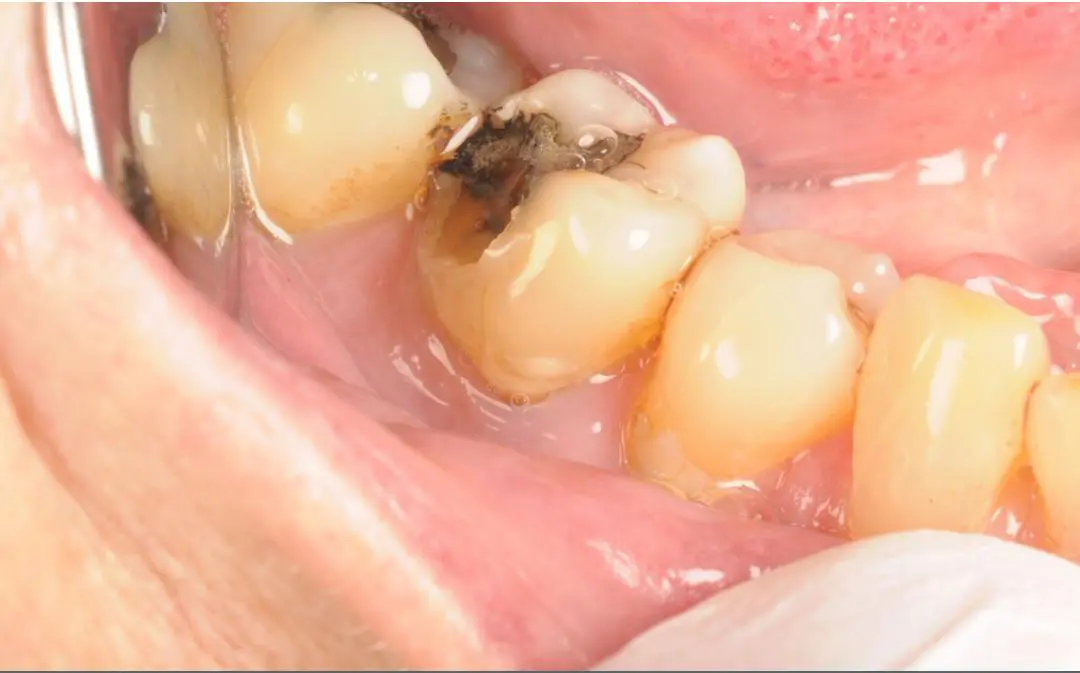
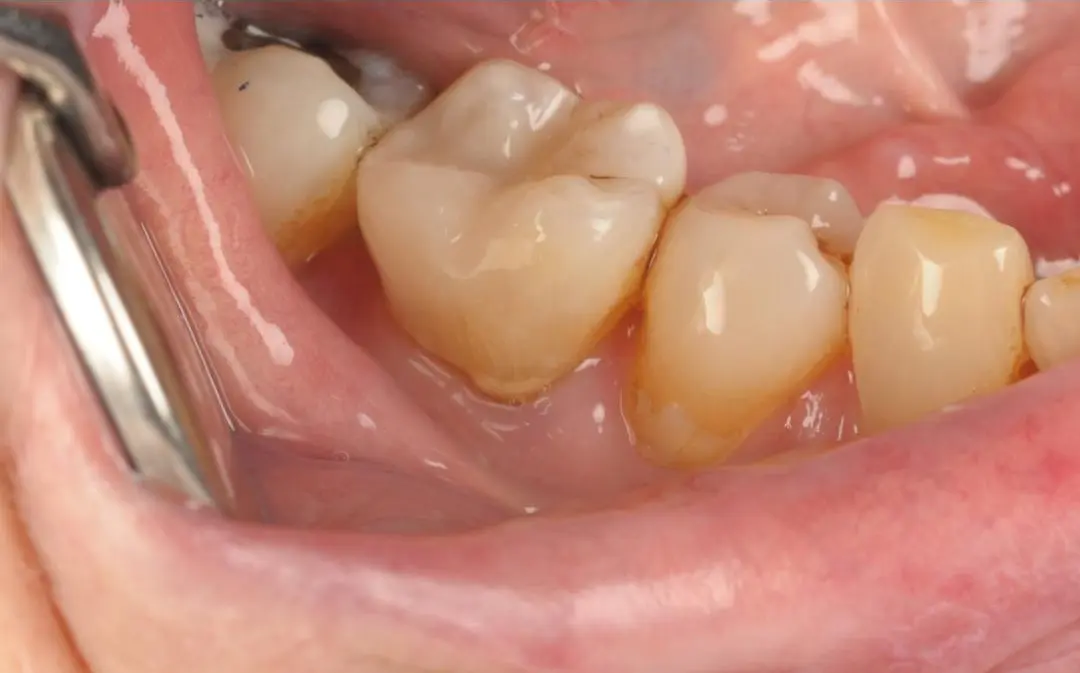
Real Patient Result: Emergency White Filling
Treatment by Dr Kamran
When enamel becomes damaged through decay, fracture, or erosion, the dentine beneath can become exposed. This exposure allows temperature changes, pressure, and bacteria to reach the pulp more easily, triggering pain. If bacterial infection reaches the pulp, it can cause significant inflammation and, in some cases, an abscess — a localised collection of infection that may cause throbbing pain, swelling, and general unwellness.
Gum disease can also contribute to dental pain, particularly if gum recession exposes sensitive root surfaces or if gum infection develops. Understanding that toothache has a physical cause — and that cause requires professional assessment — underscores why home management is a temporary measure rather than a solution.
If you would like to understand more about how dental infections are assessed and managed, our emergency dental services in London are available specifically for situations like this.
When You Should Seek Emergency Dental Care
Not all dental pain requires a same-night emergency appointment, but certain symptoms suggest that prompt professional assessment is advisable. Consider contacting an emergency dentist if you experience any of the following:
- Severe or worsening pain that is not relieved by over-the-counter pain relief
- Visible swelling of the face, jaw, neck, or gums
- Difficulty swallowing or breathing — this warrants immediate attendance at an Accident and Emergency department
- Fever or feeling generally unwell alongside dental pain, which may indicate spreading infection
- A knocked-out or displaced tooth following an accident or injury
- A broken tooth with exposed sharp edges or significant structural damage
- Bleeding that does not stop following a tooth extraction or dental injury
Dental swelling, particularly if it extends beyond the mouth into the neck or face, should always be assessed without delay. Dental infections can, in some cases, spread and become a more serious medical concern.
If you are experiencing a dental emergency in London outside of your regular practice hours, our emergency dentist team is available to provide timely professional assessment.
Your Out-of-Hours Dental Options in London
If you determine that your symptoms require professional attention outside of normal surgery hours, there are several avenues available to you:
Emergency dental practices: Specialist emergency dental clinics in London offer out-of-hours appointments specifically for situations like this. Contacting one directly is usually the most efficient route to same-day or same-evening care.
NHS 111: Calling 111 can help you locate an NHS emergency dental appointment if you are registered with an NHS dentist. Wait times may vary depending on availability in your area.
Your regular dentist's out-of-hours message: Many dental practices provide an out-of-hours recorded message with guidance or a contact number for urgent situations.
Accident and Emergency (A&E): A&E departments are not set up to provide dental treatment, but they can assist if you are experiencing severe facial swelling, difficulty breathing, or high fever associated with a dental infection. For dental-specific treatment, an emergency dental practice remains the most appropriate first point of contact.
Preventative Advice to Reduce the Risk of Dental Emergencies
While it is not always possible to prevent dental pain entirely, maintaining good oral health habits can significantly reduce the likelihood of a dental emergency arising.
- Attend regular dental check-ups: Routine examinations allow your dentist to identify and address small problems before they become significant issues. Most adults benefit from check-ups every six to twelve months, depending on individual oral health needs.
- Maintain a consistent oral hygiene routine: Brushing twice daily with a fluoride toothpaste and cleaning between teeth daily with floss or interdental brushes helps prevent decay and gum disease.
- Wear a mouthguard if you play contact sports, to protect against accidental tooth damage.
- Address dental sensitivity early: If you notice sensitivity to temperature or pressure, mentioning it at your next appointment allows your dentist to investigate before the issue progresses.
- Avoid using teeth as tools: Opening packaging, biting nails, or chewing hard objects can contribute to cracked teeth — a common source of unexpected dental pain.
Learning more about preventative dental care can support long-term oral health and may reduce the frequency of unplanned dental situations.
Key Points to Remember
- Dental pain after hours is common and often relates to an existing condition reaching a point of discomfort
- Temporary measures such as over-the-counter pain relief and cold compresses can help manage symptoms while you arrange professional care
- Home remedies do not treat the underlying cause — professional dental assessment is always necessary
- Severe pain, facial swelling, difficulty swallowing, or fever associated with dental pain warrants prompt emergency attention
- Emergency dental services are available in London outside of regular surgery hours
- Attending routine dental check-ups is one of the most effective ways to reduce the likelihood of dental emergencies
Frequently Asked Questions
Can I take painkillers to get through the night and see my dentist in the morning?
For mild to moderate dental discomfort, using over-the-counter pain relief such as paracetamol or ibuprofen (taken as directed and where appropriate for your health) may help you manage overnight until you can contact your dentist. However, if your pain is severe, worsening, or accompanied by swelling or fever, it is advisable to seek emergency dental care rather than wait. Pain relief manages the symptom, not the underlying cause, and some dental conditions benefit from early assessment.
Is facial swelling from a toothache serious?
Facial swelling associated with dental pain may indicate that an infection is present and has spread beyond the tooth itself. This warrants timely professional assessment. If swelling is significant, spreading rapidly, or accompanied by difficulty swallowing or breathing, attend an Accident and Emergency department without delay. For localised swelling that is not worsening, contacting an emergency dental practice for a same-day appointment is the recommended course of action.
What happens if I leave dental pain untreated?
Dental pain often indicates an underlying issue such as decay, infection, or structural damage. Without treatment, many of these conditions are likely to progress. For example, an untreated cavity may eventually affect the tooth's pulp, potentially leading to infection and the need for more complex treatment. Early intervention, where possible, often results in more straightforward management. If you are experiencing dental pain, arranging a professional assessment at the earliest opportunity is advisable.
My filling has come out and the tooth is sensitive — is this a dental emergency?
A lost filling can expose the underlying dentine, causing sensitivity to temperature and pressure. While this can be uncomfortable, it is not always a same-night emergency unless pain is severe. A temporary filling material from a pharmacy can provide some short-term protection. Contact your dentist as soon as they open to arrange prompt replacement. If pain becomes severe or the tooth shows signs of further damage, contacting an emergency dental service may be appropriate.
Can I use clove oil for dental pain relief?
Clove oil contains eugenol, a naturally occurring compound with mild anaesthetic properties, and it is a commonly used temporary home remedy for toothache. It may offer some short-term numbing relief when applied carefully to the affected area using a cotton bud. It should be used sparingly, as undiluted clove oil can irritate soft tissue. It is not a treatment for the underlying cause of pain and should not delay you from seeking professional dental assessment.
How do I find an emergency dentist in London out of hours?
Searching online for a registered emergency dental practice in London is usually the quickest approach. You can also call NHS 111 for guidance on accessing urgent dental care. Some private dental clinics, including emergency dental services, operate extended hours specifically to assist patients who experience dental problems outside of their regular dentist's opening times. It is worth identifying a local emergency dental option before you need one, so you have the information readily available.
Conclusion
Experiencing dental pain after your dentist has closed is an understandably stressful situation. Knowing how to respond calmly, manage discomfort temporarily, and recognise when professional care is needed can make a significant difference to both your wellbeing and the outcome for your oral health. After-hours dental pain is rarely something to dismiss, but it is also not always a cause for alarm — the key is making an informed, proportionate response based on the severity and nature of your symptoms.
If symptoms persist, worsen, or are accompanied by swelling or fever, please seek emergency dental advice promptly. Dental symptoms and treatment options should always be assessed individually during a clinical examination.
Disclaimer: This article is intended for general educational purposes only and does not constitute personalised dental advice. Individual diagnosis and treatment recommendations require a clinical examination by a qualified dental professional.
Next Review Due: 06 November 2027