
A broken tooth is one of the most unsettling dental concerns a person can experience — and when the fracture occurs below the gum line, the situation can feel particularly worrying. Many people search online because they are unsure whether this is a dental emergency, what treatment might involve, or whether the tooth can be saved at all. It is a completely understandable reaction, and knowing more about the issue can help you make informed decisions about your dental health.
A tooth that breaks below the gum line involves damage to the part of the tooth structure concealed beneath soft gum tissue, sometimes extending toward or below the bone. This can happen suddenly due to trauma, or it may develop gradually from an untreated crack or decay that weakens the tooth over time.
Understanding what this condition means, why it occurs, and what your treatment options might look like is important for anyone experiencing related symptoms. Early professional dental assessment is usually recommended to determine the most appropriate course of action for your individual circumstances.
Experiencing these symptoms?
Delaying treatment can lead to tooth loss. We have slots available today.
Featured Snippet: What Happens If a Tooth Breaks Below the Gum Line?
When a tooth breaks below the gum line, the remaining root structure sits beneath the soft tissue and may be difficult to restore conventionally. Depending on the extent of the fracture, treatment options can vary significantly. A clinical assessment is always necessary to determine whether the tooth can be saved or whether extraction is more appropriate.
Why Do Teeth Break Below the Gum Line?
Teeth can break in many ways, and fractures that extend below the gum line tend to result from a combination of structural weakness and physical force. The most common causes include:
- Dental trauma — A sharp blow to the mouth, a fall, or a sports injury can cause immediate fracture, sometimes driving the break below the gum margin.
- Severe tooth decay — Extensive decay erodes the natural tooth structure, leaving the tooth fragile and susceptible to breaking under normal biting forces.
- Large, old fillings or restorations — Teeth that have undergone significant restoration work over the years may have less natural tooth structure remaining, making them more prone to deep fractures.
- Biting on hard foods or objects — Unexpectedly biting down on something hard — such as a pip, a piece of hard bread, or ice — can cause sudden fracture.
- Tooth grinding (bruxism) — Habitual grinding places excessive pressure on tooth surfaces and can weaken teeth significantly over time.
It is worth noting that a tooth does not always break suddenly. In many cases, a visible fracture at the gum line has been developing slowly, with the patient experiencing intermittent sensitivity or discomfort beforehand.
Meet Dr. Yasha Shirazi
Principal Dentist at Emergency Dentist London
"We treat hundreds of dental emergencies every month. The sooner you come in, the easier the fix usually is."
Book an appointment with our team →Understanding the Dental Anatomy Involved
To understand why a sub-gingival fracture (a fracture below the gum line) is clinically significant, it helps to know a little about tooth anatomy. Each tooth consists of a visible crown above the gum line and one or more roots embedded in the jawbone beneath it.
The point where the crown meets the root is called the cemento-enamel junction (CEJ). The gum tissue and bone support this area, protecting the root structure. When a fracture occurs below this junction — or even deeper toward the bone — the normal methods used to restore a tooth become considerably more complex.
The pulp, which contains the nerve and blood supply of the tooth, runs through the root canal. A fracture at this depth can expose or damage the pulp, increasing the risk of bacterial ingress and potential infection if left unaddressed. This is why early professional evaluation is important — not to cause alarm, but because prompt assessment allows more options to remain available.
Symptoms You May Notice
Symptoms associated with a tooth breaking below the gum line can vary depending on the severity and location of the fracture. Common experiences include:
- Sharp or aching pain, particularly when biting or chewing
- Gum swelling or tenderness around the affected tooth
- Sensitivity to hot, cold, or sweet foods and drinks
- Visible gum changes, including redness or slight bleeding near the tooth
- A feeling that something is wrong, even when the fracture is not immediately visible
- A loose tooth or fragment, especially if part of the crown has already separated
Some people experience very little immediate discomfort, particularly if the nerve has already been affected by previous decay or root canal treatment. This can sometimes lead to a delay in seeking care. However, the absence of pain does not necessarily indicate the tooth is unaffected.
When Professional Dental Assessment May Be Appropriate
There are certain situations in which arranging a dental assessment sooner rather than later is generally advisable. These include:
- Persistent or worsening pain around a tooth, even if mild
- Visible swelling of the gum, jaw, or face near the affected area
- A tooth that feels loose or unstable
- Any sign of infection, such as a pimple-like bump on the gum, an unpleasant taste, or difficulty opening your mouth
- Following dental trauma, such as a fall or impact to the face
- Sensitivity that does not resolve within a short period
If you are experiencing any of these symptoms, it is worth contacting a dental professional for advice. For those in London requiring urgent evaluation, emergency dental services are available for same-day assessment when needed.
What Treatment Options Might Be Considered?
Treatment for a tooth that has broken below the gum line depends entirely on individual clinical circumstances, including the depth of the fracture, the condition of the remaining root, the health of the surrounding bone, and the patient's overall oral health.
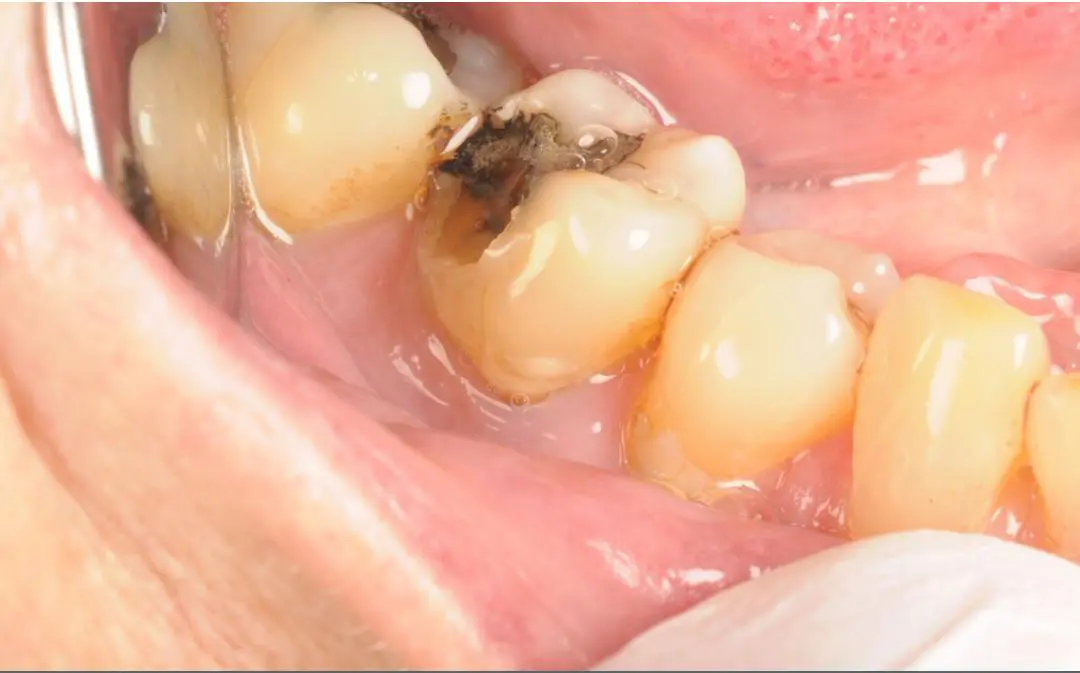
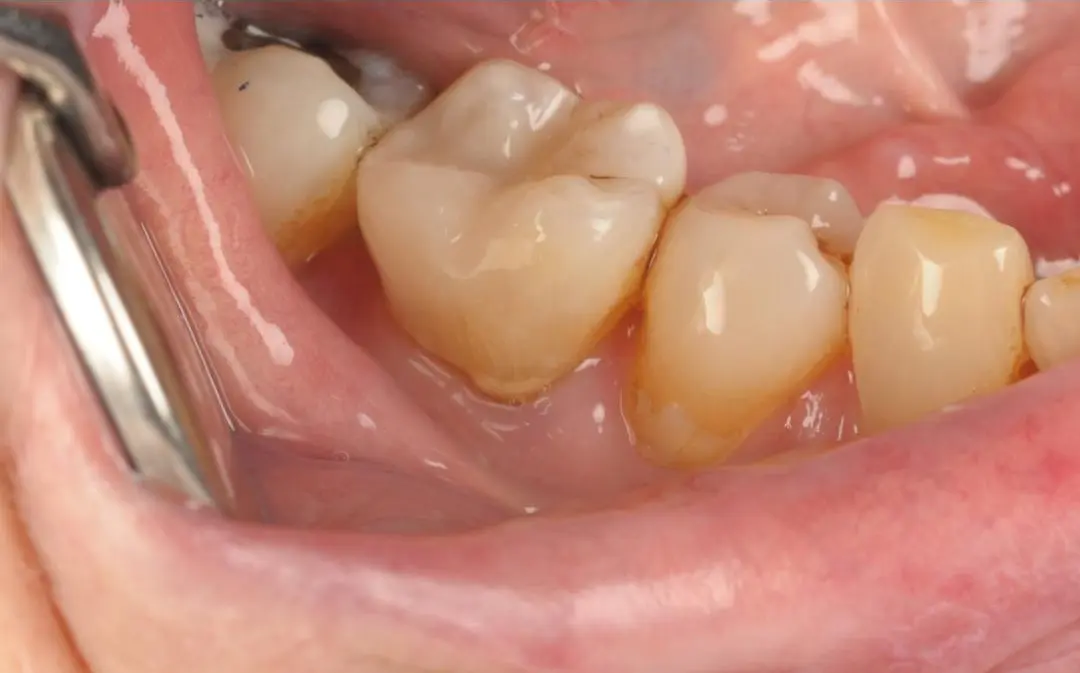
Real Patient Result: Emergency White Filling
Treatment by Dr Kamran
A dentist will typically carry out a clinical examination alongside dental X-rays to assess the extent of the damage before discussing options. Possible approaches may include:
- Crown lengthening — A surgical procedure that repositions the gum and bone to expose more of the tooth structure, potentially enabling a crown to be placed. Suitability depends on the fracture depth and bone levels.
- Orthodontic extrusion — In some cases, the root can be gently moved upward over time to expose more structure for restoration.
- Root canal treatment followed by restoration — If the root is intact and the fracture is manageable, root canal treatment may be performed before a crown or post-and-core restoration is placed.
- Tooth extraction — If the fracture is too deep to allow reliable restoration, extraction may be the most clinically appropriate option. This can then be followed by tooth replacement options such as a dental implant or a bridge.
Treatment suitability always depends on an individual clinical assessment. No outcome can be guaranteed, and your dentist will discuss realistic expectations with you.
Prevention and Oral Health Advice
Whilst not all tooth fractures can be prevented, there are several practical steps that may help reduce risk:
- Attend regular dental check-ups so that decay, cracks, and worn restorations can be identified and managed early.
- Wear a custom-fitted mouthguard during contact sports to protect teeth from impact.
- Address bruxism (tooth grinding) with a night guard if your dentist identifies it as a concern.
- Avoid using teeth as tools — opening packaging or biting nails can increase fracture risk.
- Manage decay promptly — larger cavities significantly weaken tooth structure; early treatment reduces the likelihood of deeper damage.
- Discuss worn or old restorations with your dentist, as these may require updating before they contribute to a more serious problem.
Patients who have already undergone root canal treatment on a tooth should be aware that these teeth can become more brittle over time and may benefit from a protective crown. Your dentist can advise on this during a routine review.
Key Points to Remember
- A tooth breaking below the gum line involves fracture beneath the soft tissue margin, which can complicate restoration.
- Common causes include trauma, decay, large existing restorations, and bruxism.
- Symptoms may include pain, swelling, sensitivity, or a loose tooth — though some cases present with minimal discomfort.
- Treatment depends entirely on clinical assessment and the depth and nature of the fracture.
- Options range from crown lengthening or root canal treatment to extraction and tooth replacement.
- Regular dental check-ups are one of the most effective ways to identify structural concerns before they become more complex.
Frequently Asked Questions
Can a tooth that breaks below the gum line always be saved?
Not always. Whether a tooth can be saved depends on several clinical factors, including how far below the gum line the fracture extends, the condition of the root, and the health of the surrounding bone. In some cases, restoration is possible through procedures such as crown lengthening or root canal treatment. In others, extraction may be the most appropriate option. A thorough clinical examination and dental X-rays are needed to determine what is suitable for each individual patient.
Is a tooth breaking below the gum line a dental emergency?
It depends on the symptoms present. If you are experiencing significant pain, facial swelling, signs of infection, or the tooth is very loose following trauma, you should seek urgent dental assessment. If the fracture has occurred without severe symptoms, it is still important to arrange a dental appointment promptly, as delays can sometimes reduce the available treatment options. Many dental practices offer same-day or urgent appointments for these situations.
Will I need a tooth extraction if my tooth breaks below the gum line?
Not necessarily. Extraction is one possible outcome, but it is not the only option. Many teeth that fracture below the gum line can be assessed for restorative potential. The decision depends on a detailed examination of the fracture depth, root structure, and supporting bone. Your dentist will explain the available options and help you understand the likely outcomes of each, allowing you to make an informed decision about your care.
How long can you leave a broken tooth below the gum line without treatment?
It is generally advisable not to delay assessment, even if symptoms appear mild. Leaving a sub-gingival fracture without evaluation increases the risk of bacterial ingress, infection, and further structural deterioration — all of which may reduce the likelihood of successful restoration. If infection develops, it can spread to surrounding tissue and bone. Early assessment by a dental professional supports the opportunity to explore available treatment options in a timely manner.
What does tooth extraction recovery involve after a sub-gingival fracture?
Following extraction of a tooth with a below-the-gum-line fracture, recovery typically involves some mild soreness and swelling for a few days. Your dentist will provide aftercare instructions, which usually include avoiding rinsing vigorously for the first 24 hours, soft food recommendations, and guidance on pain management. Once healed, tooth replacement options such as dental implants or a bridge can be discussed, depending on your individual circumstances and preferences.
How can I tell if a tooth has broken below the gum line?
In some cases, part of the tooth may be visibly missing, and you may notice a sharp edge at or near the gum line. However, fractures below the gum line are not always immediately visible to the patient. Signs that something may be wrong include localised pain when biting, gum swelling or redness, prolonged sensitivity, or a general sense of discomfort in a specific area. A dental X-ray is often essential to identify the full extent of any fracture below the gum tissue.
Conclusion
A tooth that breaks below the gum line is a dental concern that warrants professional evaluation, but it is not necessarily a situation without options. Understanding the causes, recognising relevant symptoms, and knowing what treatment pathways may be available can help you approach the situation calmly and with confidence.
Whether the outcome involves restoring the tooth or planning for a suitable replacement, the most important step is receiving a proper clinical assessment so that an informed decision can be made. Dental symptoms and treatment options should always be assessed individually during a clinical examination.
If you are experiencing pain, swelling, or uncertainty following a tooth fracture, do not hesitate to contact a dental professional. Prompt assessment not only helps with your immediate comfort but also supports the best possible long-term outcome for your oral health.
Disclaimer: This article is intended for general educational purposes only and does not constitute personalised dental advice. Individual diagnosis and treatment recommendations require a clinical examination by a qualified dental professional.
Next Review Due: 22 October 2027