
Waking up to find that your temporary crown has come off can be an unsettling experience, especially in the middle of the night when your dental practice is closed. Many people immediately reach for their phone to search online, hoping to understand whether the situation is serious and what steps they can take before they can speak to a dentist.
A temporary crown — sometimes called a provisional crown — is placed over a prepared tooth while your permanent crown is being made in a dental laboratory. Although these restorations are designed to protect the underlying tooth and maintain your bite, they are not intended as a permanent solution and can occasionally come loose.
If a temporary crown comes off at night, it is natural to feel concerned. This article explains why it happens, what risks may be involved, what you can do in the short term, and when it is important to seek professional dental attention. Understanding the situation clearly can help you respond calmly and make informed decisions about your dental health.
Experiencing these symptoms?
Delaying treatment can lead to tooth loss. We have slots available today.
Featured Snippet: What Happens If a Temporary Crown Comes Off at Night?
If a temporary crown comes off at night, keep the crown safe and avoid placing it back in your mouth without guidance. The exposed tooth may feel sensitive. You should contact your dentist as soon as possible the following morning. In cases of significant discomfort or pain, an emergency dental appointment may be appropriate.
Why Do Temporary Crowns Come Off?
Temporary crowns are secured with a weaker, short-term dental cement — this is intentional. The purpose is to allow your dentist to remove the temporary crown easily at your next appointment without disturbing the underlying prepared tooth. However, this also means they are more prone to displacement than permanent restorations.
Common reasons a temporary crown may come off include:
Meet Dr. Yasha Shirazi
Principal Dentist at Emergency Dentist London
"We treat hundreds of dental emergencies every month. The sooner you come in, the easier the fix usually is."
Book an appointment with our team →- Eating sticky or hard foods such as toffees, chewing gum, or crusty bread
- Clenching or grinding teeth at night (a condition known as bruxism), which places repeated pressure on the restoration
- Natural wear of the temporary cement over time, particularly if your appointment is delayed
- An imperfect fit, which can make the crown more susceptible to movement during normal biting and chewing
It is worth noting that temporary crowns are not designed to withstand the same forces as permanent crowns. Their displacement does not necessarily mean anything has gone wrong with your overall treatment plan.
Understanding the Underlying Tooth Structure
To appreciate why a dislodged temporary crown needs attention, it helps to understand what lies beneath it. When a dentist prepares a tooth for a crown, the outer enamel — the hard, protective layer — is carefully shaped to allow the crown to fit accurately. This means the prepared tooth has less natural protection than an unprepared tooth.
Dentine, the layer beneath enamel, contains microscopic tubules that connect to the tooth's nerve. When dentine is exposed — as it may be when a temporary crown falls off — it can become sensitive to temperature, pressure, and air. This sensitivity is not usually a sign of serious damage, but it does highlight why the tooth needs to be protected as quickly as possible.
If the prepared tooth remains unprotected for an extended period, there is also a risk of minor shifting in surrounding teeth or soft tissue changes, which could affect how well the final permanent crown fits. Seeking prompt emergency dental care in London helps to avoid these complications.
What to Do Immediately If Your Temporary Crown Comes Off
If you wake up and discover your temporary crown has come off, try to remain calm. The following steps may help in the short term:
- Locate the crown — keep it safe in a clean container or small bag. Do not attempt to re-cement it yourself without speaking to a dentist, as incorrect placement could cause further problems.
- Rinse your mouth gently with warm water to remove any debris.
- Avoid eating on that side of your mouth to minimise pressure on the exposed tooth.
- Avoid very hot, cold, or sweet foods and drinks, as the exposed tooth may be sensitive.
- Do not use super glue or household adhesives — these are not safe for use in the mouth and could cause damage to the tooth or surrounding tissue.
Some pharmacies stock temporary dental cement, which may provide short-term protection overnight. However, this is a temporary measure only, and professional assessment remains essential.
When to Seek Professional Dental Assessment
In many cases, a temporary crown coming off is not a dental emergency, but there are circumstances where seeking prompt professional attention is advisable. You should contact a dentist without delay if you experience:
- Significant or worsening pain in the affected tooth or surrounding area
- Swelling in the gum, jaw, or face
- Signs of infection, such as a bad taste, discharge, or fever
- Difficulty biting or chewing on the opposite side of your mouth
- The crown has broken rather than simply come loose
- You have swallowed the crown — in most cases this will pass naturally, but it is sensible to inform your dentist
If you are unsure whether your situation requires urgent attention, our team at Emergency Dentist in London is available to offer guidance and arrange an assessment when needed.
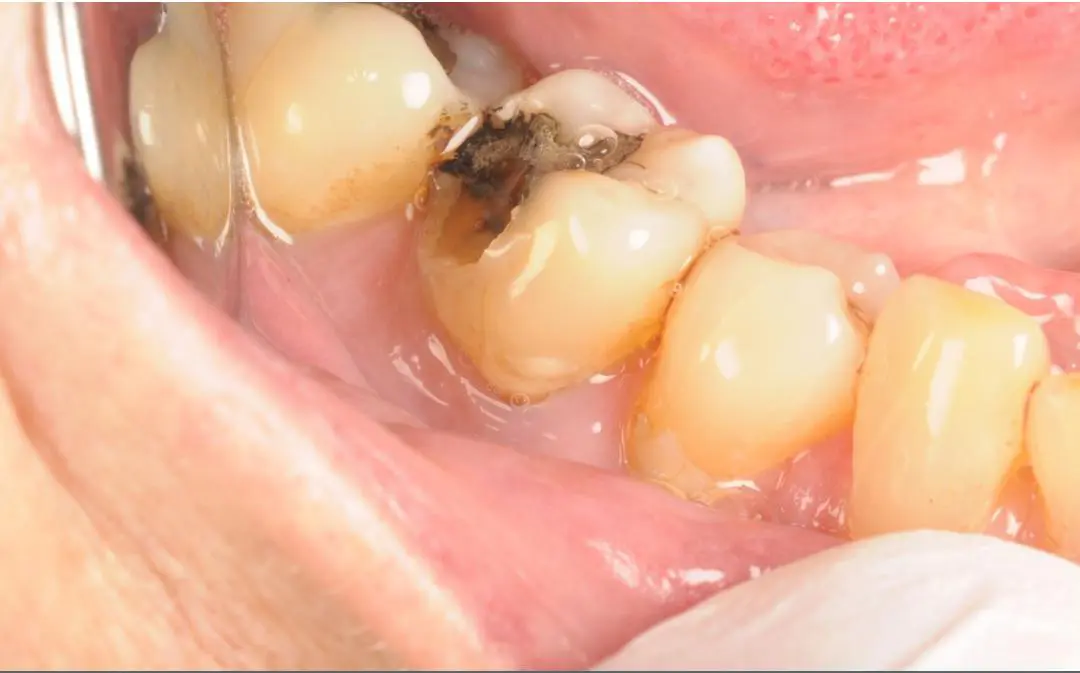
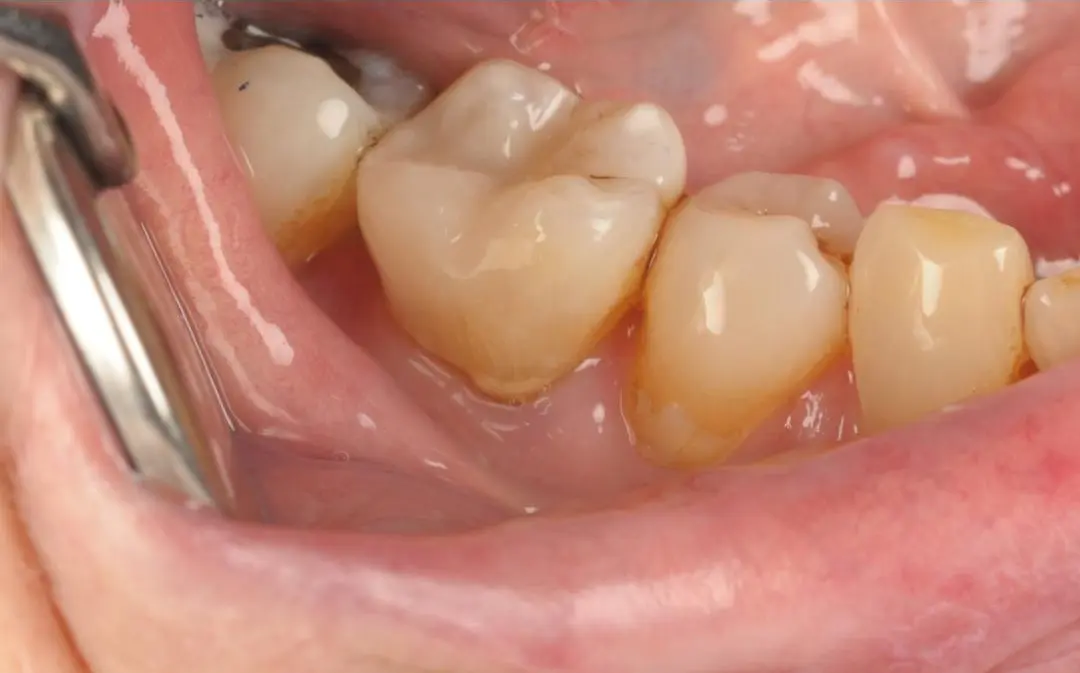
Real Patient Result: Emergency White Filling
Treatment by Dr Kamran
Prevention and Oral Health Advice
While it is not always possible to prevent a temporary crown from coming off, there are practical steps you can take to reduce the likelihood of it happening:
- Avoid sticky, hard, or chewy foods during the period you are wearing a temporary crown
- Chew on the opposite side of your mouth where possible
- Be gentle when flossing near the temporary crown — slide floss out sideways rather than lifting upwards, which can dislodge the crown
- If you grind your teeth at night, speak to your dentist about whether a protective nightguard may be appropriate during your treatment period
- Attend your permanent crown fitting promptly — the longer a temporary crown remains in place beyond the planned timeframe, the greater the chance of displacement
These measures cannot guarantee the crown stays in place, but they may help reduce the risk of an unexpected dislodgement. Patients who are having dental crown treatment should always follow any specific aftercare advice provided by their treating dentist.
Key Points to Remember
- A temporary crown is designed to be removed and is held in place with a weaker cement than a permanent restoration
- If your temporary crown comes off at night, keep it safe and contact your dentist at the earliest opportunity the following morning
- The exposed prepared tooth may feel sensitive — this is common and does not necessarily indicate a serious problem
- Avoid attempting to re-cement the crown yourself or using household adhesives
- Over-the-counter temporary dental cement may offer short-term relief, but professional assessment is still required
- Significant pain, swelling, or signs of infection warrant prompt dental attention
Frequently Asked Questions
Is it an emergency if my temporary crown falls off at night?
In most cases, a temporary crown falling off overnight is not an immediate emergency, but it does require prompt dental attention. The exposed tooth may be sensitive, and leaving it unprotected for too long could affect the fit of your permanent crown. Contact your dentist first thing in the morning. If you are experiencing significant pain, swelling, or signs of infection, it is advisable to seek emergency dental advice sooner rather than waiting until the next routine appointment.
Can I sleep with my temporary crown off?
If your temporary crown has come off at night, it is generally safe to sleep without it in place for the short term. Avoid lying on the affected side if possible and refrain from eating until you have sought dental advice. The priority is to contact your dentist as soon as they open so the crown can be re-cemented or replaced. Keeping the affected area clean and avoiding temperature extremes can help manage any sensitivity overnight.
Can I put my temporary crown back in myself?
It is generally not recommended to attempt re-cementing a temporary crown at home without dental guidance. If the crown is placed incorrectly, it could trap bacteria against the prepared tooth or affect your bite. Some pharmacies sell temporary dental cement products for short-term use in non-emergency situations, but these are not a substitute for professional treatment. Always inform your dentist that you have experienced displacement so they can assess the situation properly before re-fitting the crown.
Why does my tooth hurt after the temporary crown fell off?
Sensitivity or mild discomfort after a temporary crown falls off is common. The prepared tooth beneath the crown has reduced enamel coverage, meaning the dentine layer may be exposed. Dentine contains tiny channels that connect to the tooth's nerve, making it more reactive to temperature, air, and pressure. This sensitivity typically settles once the tooth is protected again. If the pain is severe, persistent, or accompanied by swelling, contact your dentist promptly for an assessment.
How long can I go without a temporary crown?
It is generally advisable to have a temporary crown re-cemented or replaced as soon as possible — ideally within 24 to 48 hours, though the appropriate timeframe will depend on your individual clinical circumstances as assessed by your dentist. Leaving the prepared tooth exposed for longer periods increases the risk of sensitivity, minor tooth movement, and changes to the surrounding soft tissue that could affect the fit of your permanent crown. There is no universal timeframe that applies to everyone, as this depends on individual clinical factors that your dentist will be best placed to advise on following an examination.
What if I accidentally swallowed my temporary crown?
Accidentally swallowing a small dental crown is more common than many people realise. In most instances, the crown will pass through the digestive system naturally without causing harm. However, you should inform your dentist and, if you experience any unusual symptoms such as difficulty swallowing, chest discomfort, or abdominal pain, seek medical advice promptly. Your dentist will need to fabricate a new temporary crown to protect your tooth until the permanent restoration is ready.
Conclusion
Finding that your temporary crown has come off during the night can feel alarming, but in the majority of cases it is a manageable situation that can be addressed promptly by your dental team. The key steps are to keep the crown safe, protect the exposed tooth as best you can, avoid placing unnecessary pressure on the area, and contact your dentist at the earliest opportunity.
Understanding why temporary crowns can become dislodged — and what the prepared tooth looks like beneath — helps to put the situation in context and reduces unnecessary anxiety. The exposed tooth may feel sensitive, but this is typically a temporary experience that resolves once appropriate protection is restored.
If you are experiencing significant discomfort, or notice any swelling or signs of infection, do not hesitate to seek emergency dental advice. A temporary crown coming off at night is best addressed promptly to protect your ongoing treatment and overall dental health.
Dental symptoms and treatment options should always be assessed individually during a clinical examination.
Disclaimer: This article is intended for general educational purposes only and does not constitute personalised dental advice. Individual diagnosis and treatment recommendations require a clinical examination by a qualified dental professional.
Next Review Due: 12 October 2027