
A dental abscess is one of those dental concerns that can feel particularly worrying, especially when you are waiting for an appointment and notice sudden changes in your symptoms. Many people in London search online for guidance when they experience a dental abscess, hoping to understand what is happening and whether their situation requires immediate attention.
If you have been living with a dental abscess and notice it appears to have burst or drained on its own, it is natural to feel uncertain about what to do next. Does this mean the problem has resolved itself? Should you still attend your dental appointment? Is it safe to wait?
This article aims to answer those questions clearly and calmly. We will explain what a dental abscess is, what happens when one bursts, how to manage symptoms at home whilst awaiting professional care, and why attending your dental appointment remains essential even if the discomfort appears to ease. Understanding this dental issue matters, because a burst dental abscess does not necessarily mean the underlying infection has cleared.
Experiencing these symptoms?
Delaying treatment can lead to tooth loss. We have slots available today.
Featured Snippet Answer
What happens if a dental abscess bursts before your appointment?
If a dental abscess bursts before your appointment, the pressure and acute pain may temporarily reduce as pus drains away. However, this does not mean the underlying dental infection has resolved. The source of the infection — typically a decayed tooth or gum problem — remains present and requires professional dental assessment and treatment.
What Is a Dental Abscess?
A dental abscess is a localised collection of pus caused by a bacterial infection within the mouth. There are two main types commonly seen in general dental practice:
Meet Dr. Yasha Shirazi
Principal Dentist at Emergency Dentist London
"We treat hundreds of dental emergencies every month. The sooner you come in, the easier the fix usually is."
Book an appointment with our team →- Periapical abscess — This forms at the tip of a tooth root, typically as a result of untreated tooth decay, a cracked tooth, or a failed dental restoration that has allowed bacteria to reach the inner pulp of the tooth.
- Periodontal abscess — This develops in the gum and supporting bone tissue, often associated with gum disease.
In both cases, the body responds to bacterial invasion by sending white blood cells to fight the infection. The resulting pus — a combination of dead tissue, bacteria, and immune cells — accumulates and creates the characteristic swelling and pressure that patients find so uncomfortable.
Without treatment, the infection has no safe route to drain. The abscess may grow, causing increasing pain and swelling. In some cases, the built-up pressure causes the abscess to rupture spontaneously, releasing pus either into the mouth or, in some cases, through the skin of the face or neck — though the latter is uncommon.
What Happens When a Dental Abscess Bursts?
When a dental abscess bursts spontaneously, patients often notice a sudden release of pressure followed by a reduction in acute pain. There may be an unpleasant taste in the mouth, which is the pus draining. In some cases, there is visible swelling in the gum that appears to deflate.
Whilst this can feel like welcome relief, it is important to understand what this does — and does not — mean:
What it does mean:
- The pressure inside the abscess has released temporarily.
- Some pus has drained away from the immediate area.
What it does not mean:
- The bacterial infection has been eliminated.
- The source of the infection — the decayed or damaged tooth or compromised gum tissue — has resolved.
- The abscess cannot re-form or spread further.
A burst abscess should never be taken as a sign that dental care is no longer needed. The infection source remains active, and without professional intervention, the abscess is very likely to return. In some circumstances, dental infections can spread to surrounding tissues, which is why continued monitoring and professional dental assessment remain important.
If you have a dental abscess and are awaiting care, you can learn more about emergency dental treatment options in London to understand how promptly this kind of issue can be addressed.
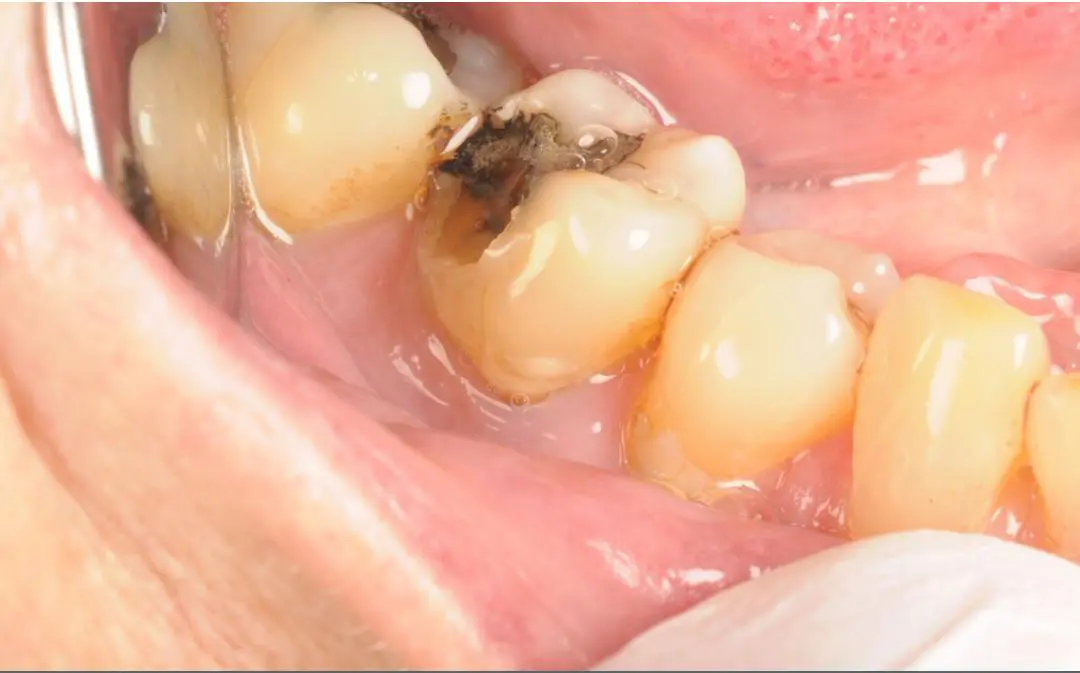
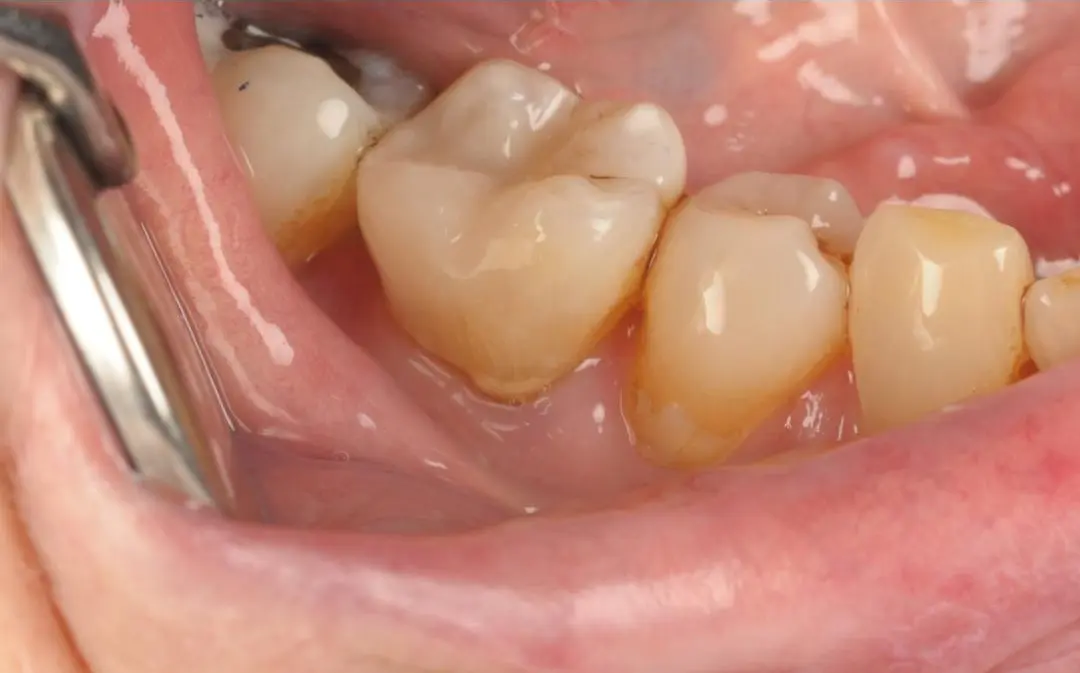
Real Patient Result: Emergency White Filling
Treatment by Dr Kamran
The Dental Science Behind an Abscess
Understanding why an abscess forms helps explain why it cannot resolve without treatment. Inside every tooth is soft tissue called the dental pulp, which contains nerves and blood vessels. When tooth decay penetrates through the hard enamel and dentine layers and reaches this pulp, bacteria gain access to a warm, moist environment ideal for multiplication.
The body mounts an immune response, but because the pulp space is enclosed and has limited blood supply once decay is advanced, bacteria can overwhelm local defences. Pus accumulates at the root apex or within the surrounding periodontal space.
The infection does not stop at the tooth. Bacteria can track along tissue planes, which is why untreated dental abscesses warrant timely professional attention. The jaw bones, surrounding teeth, and soft tissues of the head and neck can potentially become involved if an infection is left without appropriate dental care.
Managing Symptoms at Home Whilst Awaiting Your Appointment
If your dental abscess has burst and you are waiting for your dental appointment, there are some general comfort measures that may help, though these should complement — not replace — professional dental care:
- Rinse gently with warm, slightly salted water — This may help keep the area clean and may offer mild temporary comfort.
- Take over-the-counter pain relief — Ibuprofen or paracetamol, taken as directed on the packaging, may help manage residual discomfort. Always follow dosage instructions and check with a pharmacist if you have any medical conditions or take other medications.
- Avoid very hot, cold, or sweet foods and drinks — These may aggravate sensitivity in the affected area.
- Maintain gentle oral hygiene — Continue to brush carefully around the area if possible.
Do not attempt to squeeze or drain the abscess yourself, as this can introduce further bacteria and worsen the situation.
If you notice swelling spreading to the face, neck, or eye area, difficulty swallowing, breathing difficulties, or a high temperature, you should seek urgent medical attention without delay, as these may indicate a spreading infection requiring immediate assessment.
When Professional Dental Assessment Is Needed
Even if the pain from a dental abscess has reduced following rupture, professional assessment remains essential. There are several situations in which you should prioritise seeing a dentist:
- Persistent or returning pain — Even if initially relieved, returning discomfort suggests the underlying problem remains active.
- Visible swelling — Swelling in the gum, face, or jaw warrants clinical evaluation.
- Unpleasant taste — An ongoing bad taste in the mouth may indicate continued drainage.
- Fever or feeling unwell — Systemic symptoms alongside a dental abscess require prompt attention.
- Difficulty opening your mouth — This symptom always requires professional assessment without delay.
A dentist will be able to examine the affected tooth and surrounding tissues, take appropriate radiographs if needed, and recommend a suitable course of treatment based on your clinical circumstances. Treatment may involve root canal treatment to address the source of infection, antibiotic therapy where clinically indicated, or in some cases tooth extraction — though the most appropriate option will always depend on a thorough clinical assessment.
Preventing Dental Abscesses
Whilst not every dental abscess is entirely preventable, good oral health habits significantly reduce the risk of developing one. The following measures are widely recommended:
- Brush twice daily using a fluoride toothpaste, paying attention to the gum margins.
- Clean between teeth daily using interdental brushes or floss to remove plaque from areas your toothbrush cannot reach.
- Attend routine dental check-ups as recommended by your dentist — typically every six to twelve months for most adults, though your dentist may advise differently based on your individual risk.
- Address tooth pain or sensitivity promptly — Early dental intervention for decay or gum problems is far less complex than treating an established infection.
- Limit sugary food and drink to reduce the bacterial activity that contributes to tooth decay.
- Do not ignore a chipped or cracked tooth — Damaged teeth can allow bacteria into the pulp. Early treatment for dental emergencies such as cracked or broken teeth can help prevent subsequent infection.
Key Points to Remember
- A dental abscess is a bacterial infection that forms a collection of pus within or around a tooth or gum tissue.
- If a dental abscess bursts spontaneously, pressure and acute pain may temporarily reduce — but the underlying infection has not resolved.
- You should still attend your dental appointment even if symptoms appear to ease after rupture.
- Seek urgent medical attention if swelling spreads, breathing or swallowing becomes difficult, or you develop a fever.
- Home comfort measures such as warm salt-water rinses and over-the-counter pain relief may help temporarily but are not a substitute for professional care.
- Routine dental check-ups and good oral hygiene are the most effective ways to reduce the risk of dental abscesses developing.
Frequently Asked Questions
Is it dangerous if a dental abscess bursts on its own?
A spontaneously ruptured dental abscess may temporarily relieve pain as pressure reduces, but it is not without risk. The infection source remains active, and pus draining into the mouth carries bacteria. There is a potential risk of the infection spreading or the abscess reforming. It is important to attend your dental appointment even after a burst abscess and to seek urgent care if you develop systemic symptoms such as fever, significant facial swelling, or difficulty swallowing or breathing.
Will antibiotics alone cure a dental abscess?
Antibiotics may help manage the spread of a dental infection and reduce systemic symptoms, but they do not eliminate the source of the problem. A dental abscess originates from a structural issue — such as an infected tooth pulp or a periodontal pocket — that requires direct clinical treatment. Antibiotics are sometimes prescribed alongside dental treatment, but are not considered a standalone cure. Your dentist will advise on whether antibiotic therapy is appropriate as part of your overall treatment plan.
How long can a dental abscess go untreated?
There is no safe period for leaving a dental abscess untreated. An abscess will not resolve on its own, and the infection can spread over time. Whilst some individuals experience fluctuating symptoms — including periods of reduced discomfort — the underlying cause remains active. Prompt professional assessment is always advisable. If you cannot access your regular dentist quickly, an emergency dental service may be able to provide timely care.
Can a dental abscess come back after it bursts?
Yes. If the underlying cause — typically tooth decay reaching the pulp or a periodontal problem — is not addressed, an abscess is very likely to reform. The temporary relief provided by a rupture does not mean the problem has been resolved. Only professional dental treatment targeting the source of the infection can prevent recurrence. This may involve root canal treatment, periodontal therapy, or another clinical approach determined by your dentist following examination.
What does a burst dental abscess feel like?
Patients typically describe a sudden release of pressure, a reduction in throbbing pain, and often an unpleasant or salty taste in the mouth as pus drains. The gum or tissue in the affected area may feel softer or less swollen. Whilst this can feel like significant relief compared to the intense pressure of an intact abscess, the area may remain tender, and some discomfort or sensitivity usually persists until the underlying dental problem is treated professionally.
Should I go to A&E if my dental abscess bursts?
For most cases of a burst dental abscess, attending your dental appointment remains the most appropriate course of action. However, you should seek urgent medical attention — including attending A&E if necessary — if you experience spreading facial or neck swelling, difficulty breathing, difficulty swallowing, a high fever, or feel severely unwell. These symptoms may indicate a spreading infection that requires immediate medical assessment beyond routine dental care.
Conclusion
A dental abscess is a bacterial infection that requires professional attention regardless of whether it ruptures before your appointment. Whilst a burst abscess may temporarily ease the discomfort you have been experiencing, the underlying infection source remains and will not resolve without appropriate dental treatment. Attending your dental appointment is essential, and you should seek urgent care if symptoms worsen or you develop any signs of a spreading infection.
Good oral hygiene, routine dental check-ups, and addressing dental problems early remain the most reliable ways to reduce your risk of developing an abscess in the first place. If you are concerned about dental symptoms you are currently experiencing, seeking professional guidance sooner rather than later is always advisable.
Dental symptoms and treatment options should always be assessed individually during a clinical examination.
Disclaimer: This article is intended for general educational purposes only and does not constitute personalised dental advice. Individual diagnosis and treatment recommendations require a clinical examination by a qualified dental professional.
Next Review Due: 26 October 2027
Disclaimer
This article is for general educational purposes only and does not constitute dental advice, diagnosis, or treatment. Every patient is different, so symptoms and treatment options should be assessed by a qualified dental professional during a clinical examination. No specific outcomes are guaranteed.