
Breaking a tooth can be an unsettling experience, particularly if it happens unexpectedly — whether from biting down on something hard, a sports accident, or a fall. Many people find themselves searching online immediately after, trying to understand how serious the damage might be, whether they need to see a dentist urgently, and what the appointment will actually involve.
An emergency broken-tooth assessment is the first and most important step in understanding the extent of any dental injury. Rather than trying to self-diagnose or delay care, attending a prompt dental examination allows a qualified professional to evaluate the damage, identify any underlying concerns, and discuss what options may be available to you.
This article explains what typically happens during an emergency broken-tooth appointment, what the dentist looks for, why certain checks are carried out, and what you can do to protect your oral health in the meantime. Understanding this process can help you feel more prepared and less anxious before you arrive.
Experiencing these symptoms?
Delaying treatment can lead to tooth loss. We have slots available today.
Featured Snippet Answer
What happens during an emergency broken-tooth assessment?
During an emergency broken-tooth assessment, a dentist examines the visible damage, takes X-rays to evaluate the root and surrounding bone, and checks for nerve involvement, infection, or structural risk. The assessment determines the extent of the injury and helps identify which treatment options may be appropriate based on your individual clinical situation.
Why a Broken Tooth Requires Prompt Attention
Not all broken teeth look the same. A minor chip to the outer enamel may cause little discomfort, whilst a deeper fracture extending toward the root or pulp can result in significant pain, sensitivity, or swelling. Because the outer appearance of a broken tooth does not always reflect the true extent of the internal damage, a professional assessment is important.
Meet Dr. Yasha Shirazi
Principal Dentist at Emergency Dentist London
"We treat hundreds of dental emergencies every month. The sooner you come in, the easier the fix usually is."
Book an appointment with our team →Delaying an examination following dental trauma can allow minor issues to develop into more complex ones. Bacteria may enter exposed dentine or pulp tissue, increasing the risk of infection. A fracture that appears superficial could, upon X-ray, reveal involvement closer to the root than initially expected.
For this reason, dentists and patient safety guidance consistently recommend that broken or chipped teeth are assessed promptly — particularly when pain, bleeding, swelling, or difficulty biting are present. If you are in the London area and are concerned about a dental injury, you can find out more about emergency dental appointments and how same-day assessments may be available.
What the Dentist Will Ask You First
Before any clinical examination begins, the dentist will take a brief but important history. This helps them contextualise the injury and understand your current symptoms. You can expect questions such as:
- When did the injury occur?
- How did it happen?
- Are you experiencing pain, and if so, is it constant or triggered by temperature, pressure, or biting?
- Have you noticed any swelling, bleeding, or looseness?
- Do you have any relevant medical history or current medications?
This information helps the dentist prioritise what to examine and guides decisions about which diagnostic tools, such as X-rays, may be necessary. Even if your broken tooth causes no pain at the time of the appointment, providing an accurate account of what happened is still helpful for a thorough assessment.
The Clinical Examination: What the Dentist Is Looking For
The physical examination during an emergency broken-tooth assessment covers several key areas.
Visual inspection is the starting point. The dentist examines the surface of the tooth under appropriate lighting, identifying the location and apparent depth of the fracture, whether the gum tissue is affected, and whether any part of the tooth is missing or displaced.
Percussion testing involves gently tapping the tooth to assess whether there is sensitivity to pressure, which can indicate nerve involvement or damage to the periodontal ligament — the tissue attaching the tooth to the jaw bone.
Thermal testing may be used to check whether the tooth responds appropriately to cold stimuli. An exaggerated, prolonged, or absent response can indicate that the dental pulp — the soft tissue inside the tooth containing nerves and blood vessels — has been affected.
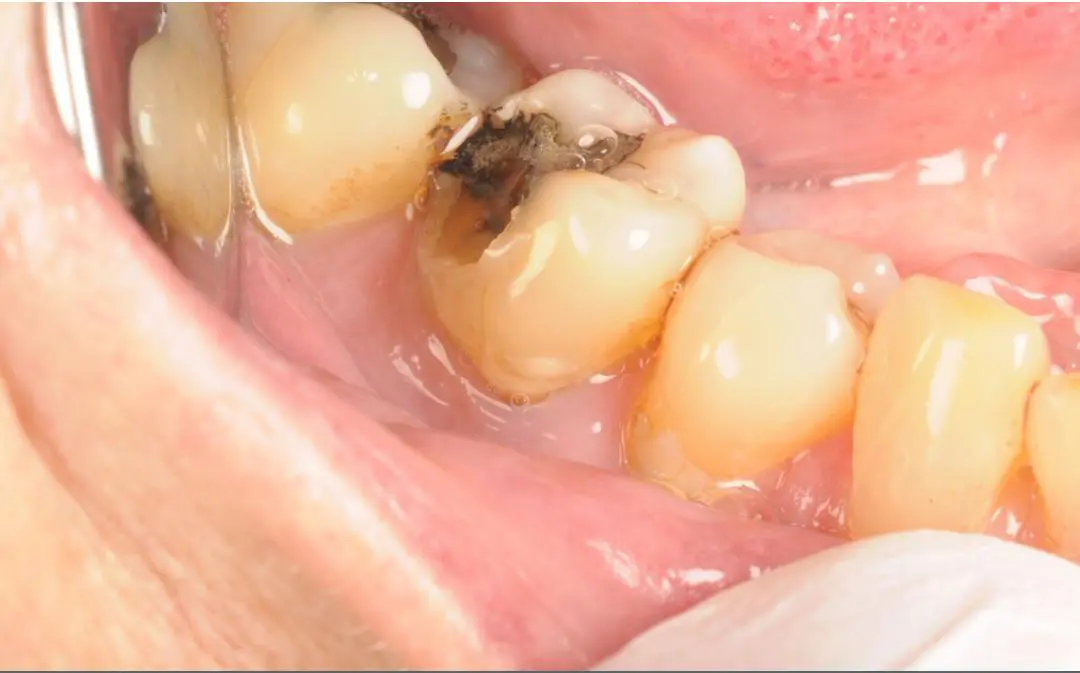
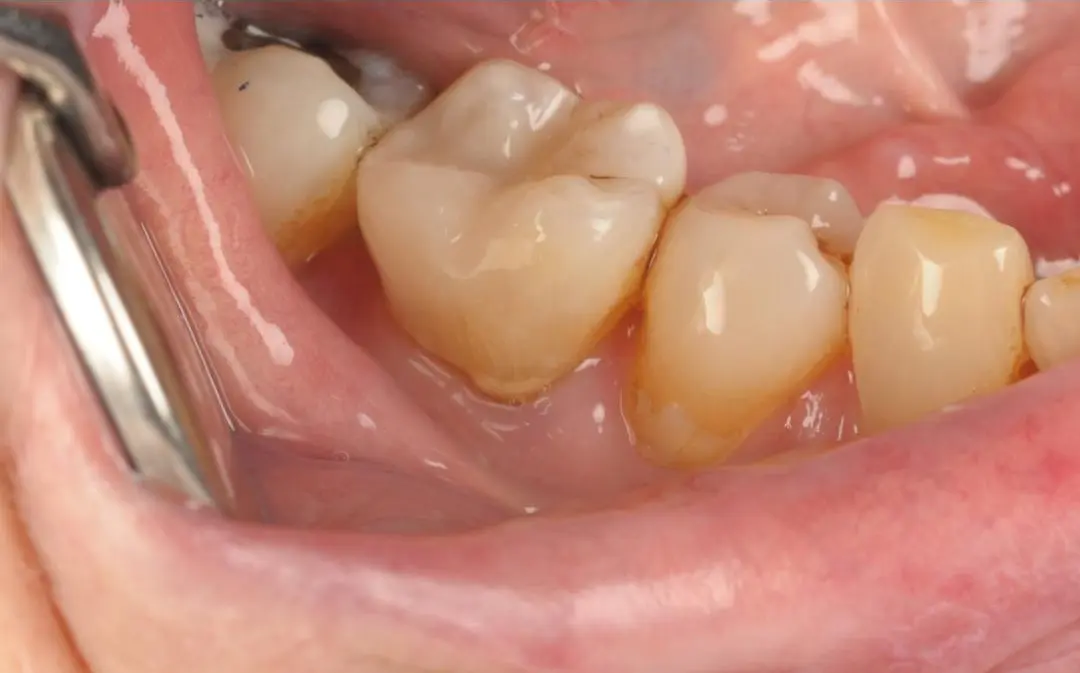
Real Patient Result: Emergency White Filling
Treatment by Dr Kamran
Mobility assessment checks whether the tooth moves more than it should, which may suggest root fracture or trauma to the surrounding supporting structures.
The Role of Dental X-Rays in Assessing a Broken Tooth
X-rays are an essential part of the emergency broken-tooth assessment and provide information that cannot be obtained through visual examination alone. A dentist may take one or more targeted X-rays to evaluate:
- The extent of any fracture below the gum line
- Whether the root has been affected or cracked
- The condition of the surrounding bone
- Whether there are signs of infection, such as a periapical abscess
- The position of the nerve canals relative to the fracture
X-rays allow the dentist to make a more informed clinical judgement about which treatment approaches may be suitable. Without this diagnostic information, any recommendation would be incomplete. This is why attending an in-person emergency dental assessment is always preferable to attempting to evaluate dental trauma at home.
Understanding Tooth Anatomy: Why Fracture Depth Matters
To understand why the depth of a fracture is so significant, it helps to know a little about how a tooth is structured.
Each tooth has three main layers. The outermost is enamel — the hard, protective surface. Beneath this lies dentine, a slightly softer tissue that contains tiny tubules connected to the nerve. The innermost layer is the pulp, which houses the blood vessels and nerve tissue that keep the tooth alive.
When a fracture remains within the enamel layer, the impact on the nerve is typically minimal. However, when the crack extends into the dentine, sensitivity often increases because the tubules transmit temperature and pressure signals more readily. A fracture reaching the pulp can cause significant discomfort and may increase the risk of infection if bacteria gain access to this tissue.
Understanding this is why the clinical assessment focuses not just on what is visible, but on how deeply the damage may have extended — something only a qualified examination with appropriate diagnostic tools can determine.
When Professional Dental Assessment May Be Particularly Important
Certain symptoms following a broken tooth suggest that attending an emergency dental assessment without delay may be advisable:
- Persistent or severe pain that does not settle
- Swelling of the gum, jaw, or face
- Sensitivity to hot or cold that lingers after the stimulus is removed
- Bleeding from the tooth site that does not stop
- A tooth that feels loose or has shifted position
- Difficulty opening your mouth or swallowing
These symptoms do not necessarily indicate a worst-case scenario, but they do suggest that a thorough clinical evaluation is appropriate. A dentist can assess these signs calmly and methodically and help you understand what, if any, further care may be needed.
If you are unsure whether your situation warrants urgent care, it is always reasonable to contact a dental practice for guidance. You can also learn more about broken and chipped tooth treatment to understand what clinical options are commonly considered.
Prevention and Protecting Your Teeth From Trauma
Whilst not all dental injuries are preventable, there are practical steps you can take to reduce your risk of breaking a tooth:
- Wear a custom-fitted mouthguard during contact sports or physical activity
- Avoid using your teeth as tools to open packaging or bite hard objects
- Address teeth grinding (bruxism) early — speaking to a dentist about a nightguard can help protect enamel worn by grinding
- Attend regular dental check-ups so that weakened, cracked, or heavily filled teeth can be identified and monitored before a fracture occurs
- Maintain a balanced diet that supports strong enamel and overall dental health
Existing dental restorations such as large fillings can sometimes reduce a tooth's structural resilience over time. Routine examinations allow a dentist to identify teeth that may benefit from protective measures before an emergency arises. You can explore information about dental check-up appointments to understand how regular reviews support long-term oral health.
Key Points to Remember
- An emergency broken-tooth assessment involves a structured clinical examination, including visual inspection, sensitivity testing, and X-rays
- The depth of a fracture — whether it affects enamel, dentine, or pulp — significantly influences what treatment may be appropriate
- X-rays are a key diagnostic tool that help the dentist evaluate damage below the visible surface
- Symptoms such as persistent pain, swelling, or prolonged sensitivity are reasons to seek dental assessment promptly
- Wearing a mouthguard during sport and attending regular check-ups can help reduce the risk of dental trauma
- Treatment suitability is always determined on an individual basis following a clinical examination
Frequently Asked Questions
How quickly should I see a dentist after breaking a tooth?
If you have broken a tooth, it is advisable to contact a dental practice as soon as possible, particularly if you are experiencing pain, swelling, or sensitivity. Even if the damage appears minor and you have no discomfort, prompt assessment is still recommended. The visible appearance of a fracture does not always reflect the full extent of the damage, and early evaluation helps identify any issues before they progress. Many emergency dental practices in London offer same-day or next-day appointments for dental trauma.
Will the dentist be able to tell how serious the break is just by looking at it?
A visual examination gives the dentist important initial information, but it is rarely sufficient on its own. X-rays are typically needed to assess whether the fracture extends below the gum line, whether the root is affected, and whether there are any early signs of infection. This is why attending an in-person emergency appointment — rather than relying on photographs or descriptions — is always the recommended approach following dental trauma.
Is a broken tooth always painful?
Not necessarily. Some fractures, particularly those involving only the enamel layer, may cause little or no immediate discomfort. However, the absence of pain does not mean the tooth is undamaged. Sensitivity may develop over time if the fracture is left unaddressed and bacteria gain access to the inner tooth layers. A professional assessment helps determine whether treatment is appropriate, regardless of whether you are currently in pain.
What treatment might be recommended after the assessment?
Treatment recommendations depend entirely on the nature and extent of the fracture, and can only be confirmed following a clinical examination. Options that a dentist may discuss include dental bonding or contouring for minor chips, a dental crown to protect and restore a more significantly damaged tooth, root canal treatment if the pulp has been affected, or — in cases of severe damage — other restorative considerations. Each case is different, and treatment planning is always personalised.
Can a broken tooth be left without treatment?
Leaving a broken tooth without professional assessment is not generally advisable. Even if the tooth is not currently causing discomfort, exposed dentine or pulp tissue can become vulnerable to bacteria over time, potentially leading to infection. Additionally, sharp edges from a fractured tooth can irritate soft tissue in the mouth. A clinical assessment allows a dentist to advise you on the most appropriate course of action based on the specific characteristics of your injury.
What should I do immediately after breaking a tooth before my appointment?
If part of the tooth has broken off, keep the fragment if possible and store it in milk or saliva. Rinse your mouth gently with warm water. If there is bleeding, apply gentle pressure with clean gauze. Avoid eating on the affected side and be mindful of temperature extremes if the tooth is sensitive. Over-the-counter pain relief appropriate for your medical history may help manage discomfort. Contact a dental practice as soon as possible to arrange an emergency assessment.
Conclusion
Understanding what happens during an emergency broken-tooth assessment can help you feel more informed and less anxious about seeking care following dental trauma. The assessment is a structured, methodical process designed to establish the true extent of the damage — not just what is visible on the surface, but what may be occurring beneath the gum line and within the tooth's internal structures.
Prompt professional evaluation remains the most important step you can take after breaking a tooth. Early assessment supports better outcomes and ensures that any treatment recommended is tailored to your specific clinical needs.
Dental symptoms and treatment options should always be assessed individually during a clinical examination.
If you are concerned about a broken or chipped tooth, contacting a qualified dental professional at the earliest opportunity is always the appropriate course of action.
Disclaimer: This article is intended for general educational purposes only and does not constitute personalised dental advice. Individual diagnosis and treatment recommendations require a clinical examination by a qualified dental professional.
Next Review Due: 23 October 2027
Disclaimer
This article is for general educational purposes only and does not constitute dental advice, diagnosis, or treatment. Every patient is different, so symptoms and treatment options should be assessed by a qualified dental professional during a clinical examination. No specific outcomes are guaranteed.