
Many people are surprised to learn that their oral health can reflect what is happening elsewhere in the body. When gum problems arise — such as persistent bleeding, unusual swelling, or changes in tissue colour — it is natural to wonder whether these signs point to something beyond the mouth itself. One area of increasing interest in dental and medical research is the relationship between liver function and gum health indicators.
If you have recently noticed changes in your gums, or if a healthcare professional has mentioned concerns about your liver function, you may be searching online for clarity. This article aims to explain, in straightforward terms, how the liver and oral health are connected, what gum indicators may suggest about systemic health, and why regular dental assessments remain an important part of your broader healthcare routine.
Understanding this relationship matters because the mouth is often one of the first places that signs of systemic change can become visible. Seeking professional dental guidance when gum symptoms persist is always a sensible step.
Experiencing these symptoms?
Delaying treatment can lead to tooth loss. We have slots available today.
What Is the Relationship Between Liver Function and Gum Health?
The relationship between liver function and gum health is grounded in the liver's role in regulating blood clotting, immune response, and nutrient absorption. When liver function is compromised, it can reduce the body's ability to control gum inflammation, heal oral tissues effectively, and maintain healthy clotting — sometimes making gum symptoms more pronounced or persistent.
How the Liver Influences Overall Health
The liver is one of the body's most essential organs, responsible for a remarkable range of functions. It filters toxins from the blood, produces bile for digestion, synthesises proteins required for blood clotting, and plays a central role in immune regulation. It also processes nutrients absorbed from food, ensuring that vitamins and minerals such as vitamin K, vitamin D, and zinc are properly metabolised and distributed.
When liver function is impaired — whether through conditions such as hepatitis, fatty liver disease, cirrhosis, or other hepatic disorders — these essential processes can be disrupted. Reduced production of clotting factors, for example, can lead to a tendency for easier or more prolonged bleeding. Impaired immune regulation may mean the body is less effective at controlling inflammatory responses, including those affecting the gums.
Meet Dr. Yasha Shirazi
Principal Dentist at Emergency Dentist London
"We treat hundreds of dental emergencies every month. The sooner you come in, the easier the fix usually is."
Book an appointment with our team →It is important to note that oral symptoms alone cannot diagnose liver conditions. However, understanding the liver's broad systemic role helps explain why patients with known hepatic conditions may sometimes experience more noticeable gum-related symptoms. Medical and dental care work best in coordination, which is why informing your dentist of any existing health conditions or medications is always encouraged.
The Science Behind Gum Tissue and Systemic Connections
Clinical Explanation: How Systemic Health Affects the Periodontium
The periodontium is the collective term for the tissues supporting the teeth — including the gums (gingiva), the periodontal ligament, cementum, and alveolar bone. These tissues are highly vascular, meaning they have a rich blood supply, and they are directly influenced by the quality and composition of that blood.
When systemic conditions affect the blood — for example, by altering platelet function, reducing clotting factors, or impairing immune cell activity — the periodontium is often one of the first areas where this becomes apparent. This is because the gums are subject to constant low-level bacterial challenge from dental plaque, and the body's ability to mount an effective immune response is crucial to keeping this bacterial load in check.
In individuals with compromised liver function, the following changes may occur at the tissue level:
- Reduced clotting factor synthesis: The liver produces the majority of clotting proteins. Impaired production can lead to gingival (gum) bleeding that is more pronounced than expected.
- Altered immune signalling: Chronic liver conditions can affect cytokine production and immune cell activity, potentially amplifying the inflammatory response in gum tissue.
- Nutritional deficiencies: Poor liver function can impair the absorption or metabolism of vitamins essential to gum integrity, such as vitamin C and vitamin K.
- Increased susceptibility to infection: A compromised immune system may make it harder for the body to manage periodontal bacteria effectively.
These mechanisms do not mean that liver disease directly causes gum disease, but they do suggest that the two can influence each other in meaningful ways. This interrelationship is an area of ongoing research in both dentistry and hepatology.
Common Gum Indicators That May Warrant Attention
There are several gum-related symptoms that patients sometimes notice and that may prompt them to seek further information. It is important to emphasise that these symptoms have many possible causes and should always be assessed professionally before drawing any conclusions.
Gum bleeding during brushing or spontaneously
While bleeding gums are most commonly associated with gingivitis or periodontitis caused by plaque accumulation, persistent or unexplained bleeding — particularly when oral hygiene is well maintained — can sometimes suggest an underlying systemic factor, including issues with clotting.
Gum swelling or redness
Inflamed gums can result from local factors such as tartar build-up or poor brushing technique, but widespread inflammation that does not respond to improved oral hygiene may merit broader investigation.
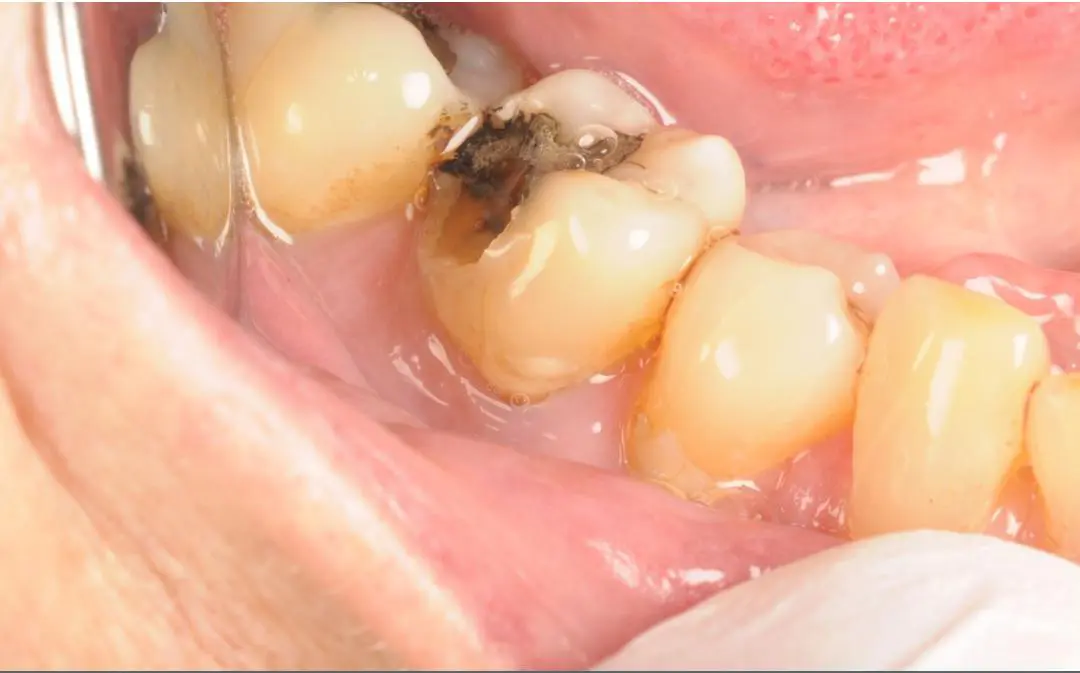
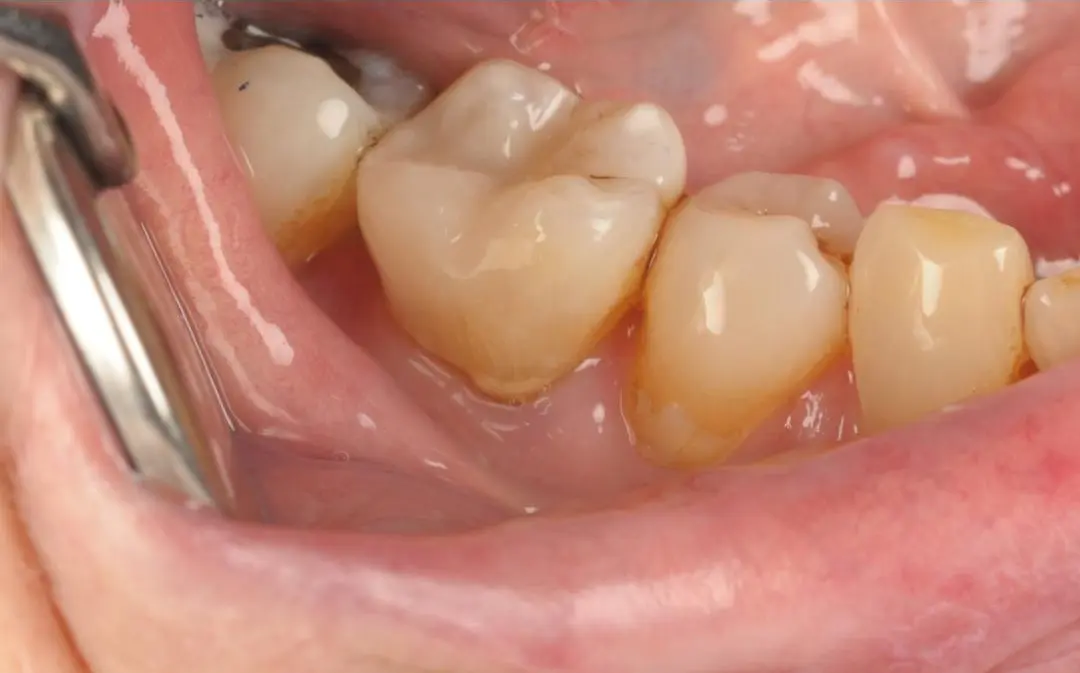
Real Patient Result: Emergency White Filling
Treatment by Dr Kamran
Pale or yellowish gum tissue
Changes in gum colour, such as pallor or a yellowish tinge, may occasionally reflect changes in the blood or, in cases of jaundice, systemic bilirubin levels. Jaundice itself more commonly affects the skin and whites of the eyes, but oral tissues can sometimes show early signs.
Gum tissue that heals slowly after injury or dental treatment
Delayed healing in the mouth may be linked to reduced clotting ability or impaired immune function, both of which can be associated with hepatic conditions.
None of these symptoms should be interpreted as a self-diagnosis tool. They are indicators that a professional assessment — both dental and, where appropriate, medical — may be helpful.
The Link Between Periodontal Disease and Systemic Conditions
Research into the connection between periodontal (gum) disease and systemic health has grown considerably over recent decades. There is now a well-established body of evidence suggesting that chronic gum disease is associated with a range of systemic conditions, including cardiovascular disease, diabetes, and certain liver conditions. For a broader understanding of how systemic conditions relate to dental care, our article on exploring the connection between kidney function and gum health provides a useful comparison.
The relationship appears to be bidirectional. Not only can systemic conditions influence gum health, but chronic periodontal infection and inflammation may, in turn, place additional burden on the body's immune and inflammatory systems. Bacteria from the oral cavity can enter the bloodstream, particularly through inflamed gum tissue, and this bacterial translocation has been studied in relation to conditions affecting the liver, including non-alcoholic fatty liver disease (NAFLD).
For patients with known liver conditions, maintaining excellent oral hygiene and attending regular dental check-ups may therefore be especially beneficial — not only for the sake of their oral health but as part of their broader health management. Conversely, patients who are being investigated for liver-related conditions may find that their dentist is a useful part of their wider healthcare team.
To better understand gum disease and what treatment may involve, a professional dental consultation can help determine what approach may be most suitable for your individual circumstances.
When Professional Dental Assessment May Be Appropriate
If you are experiencing any of the following, it may be worth arranging a dental appointment to have your gum health assessed professionally:
- Gums that bleed regularly, even with gentle brushing or spontaneously
- Persistent gum swelling, redness, or tenderness that does not improve with consistent oral hygiene
- Gum recession or the appearance of teeth looking longer than before
- Loose teeth or changes in how your teeth fit together when biting
- Slow-healing areas in the mouth after minor injuries or dental procedures
- Unusual changes in gum colour, such as pallor or discolouration
- Mouth soreness or ulceration that persists beyond two weeks
It is also worthwhile informing your dentist if you have a known liver condition, take medications that affect bleeding or immune function, or if you have recently been advised by your GP or specialist to be vigilant about oral health.
Early dental assessment is generally reassuring and allows any concerns to be addressed before they progress. There is no need to wait until symptoms become severe.
How Medications for Liver Conditions Can Affect Oral Health
Patients managing liver-related conditions are often prescribed medications that can have oral health implications. Some anticoagulant or antiplatelet medications increase the risk of gum bleeding. For more on this important topic, read our guide on why you should inform your dentist about blood thinner use. Immunosuppressant drugs, sometimes used in autoimmune liver conditions, may increase susceptibility to oral infections, including fungal conditions such as oral thrush.
Long-term medication use can also sometimes contribute to a condition known as gingival overgrowth (where gum tissue becomes enlarged), dry mouth (xerostomia — a reduction in saliva that can affect tooth decay risk), and altered taste perception.
It is important that patients inform their dentist of all medications they are taking, including those prescribed for conditions that may seem unrelated to oral health. This allows the dental team to tailor their care approach appropriately and to monitor for any medication-related oral changes. If you are unsure about the potential oral side effects of a medication you have been prescribed, your pharmacist, GP, or dentist can all provide relevant guidance.
Nutritional Considerations and Gum Health
The liver plays a central role in processing the nutrients that gum tissue depends upon for integrity and repair. When liver function is affected, nutritional deficiencies may develop that have a direct impact on oral health.
Vitamin C is essential for collagen synthesis, which forms the structural foundation of gum tissue. Inadequate vitamin C can lead to fragile gum tissue that bleeds easily — a condition historically known as scurvy, though milder forms of deficiency are more commonly encountered today.
Vitamin K is required for blood clotting, and its activation depends on liver processing. Reduced vitamin K activity can contribute to increased bleeding tendencies, including in the gums.
Zinc plays a role in tissue healing and immune function. Deficiencies have been associated with impaired wound healing and increased susceptibility to oral infections.
Iron deficiency, which can sometimes accompany chronic liver conditions, may present in the mouth as pale gum tissue, a sore or smooth tongue, or angular cheilitis (cracking at the corners of the mouth).
A balanced, varied diet that supports both liver and oral health is always advisable. If you are concerned about nutritional deficiencies, your GP can arrange appropriate blood tests and provide dietary guidance.
Prevention and Maintaining Oral Health
Regardless of any underlying systemic considerations, maintaining good daily oral hygiene remains the most effective foundation for gum health. The following practical steps are widely recommended:
Brush twice daily with fluoride toothpaste
Use a soft-bristled toothbrush and gentle circular motions. Aggressive brushing can damage gum tissue rather than protect it.
Clean between your teeth daily
Interdental brushes or floss help remove plaque from areas a toothbrush cannot reach. This is particularly important for gum health.
Attend regular dental check-ups
Routine dental examinations allow early detection of gum changes and provide an opportunity to discuss any health changes with your dental team. The frequency of check-ups will depend on your individual dental health needs.
Avoid tobacco in all forms
Smoking significantly increases the risk and severity of gum disease, impairs healing, and can mask gum bleeding — a misleading effect that makes symptoms appear less serious than they are.
Maintain a balanced diet
Diets rich in fruit, vegetables, lean proteins, and whole grains support both oral and general health. Limiting sugary foods and drinks reduces the risk of decay and supports a healthier oral environment.
Stay well hydrated
Adequate hydration supports saliva production, which has a natural protective and cleansing effect on oral tissues.
Inform your dental team of any health changes
Any new diagnosis, change in medication, or systemic health concern is relevant information for your dentist. This helps them provide the most appropriate and safe care. You can contact our practice to discuss any concerns with a qualified dental professional.
Key Points to Remember
- The liver plays a significant role in blood clotting, immune regulation, and nutrient metabolism — all of which can influence gum health.
- Gum bleeding, swelling, colour changes, or slow healing may sometimes reflect systemic factors, including those related to liver function, though these symptoms have many possible causes.
- Periodontal disease and systemic conditions, including certain liver conditions, may influence each other in a bidirectional relationship.
- Patients with known liver conditions or those taking medications that affect clotting or immunity should inform their dentist to ensure care is tailored appropriately.
- Nutritional deficiencies associated with impaired liver function — such as reduced vitamin C, K, or iron — can contribute to gum tissue fragility and altered healing.
- Good daily oral hygiene, regular dental check-ups, and open communication between your dental and medical team all support both oral and systemic health.
Frequently Asked Questions
Can liver disease cause gum problems?
Liver disease does not directly cause gum disease, but it can create conditions that make gum problems more likely or more pronounced. Reduced clotting factor production can increase gum bleeding, impaired immune regulation may amplify gum inflammation, and nutritional deficiencies associated with liver conditions can affect gum tissue integrity. If you have a liver condition and notice changes in your gums, it is advisable to discuss this with both your dentist and your medical practitioner to ensure a coordinated approach to your care.
Should I tell my dentist about my liver condition?
Yes, informing your dentist of any known health conditions, including liver conditions, is important. Liver conditions can affect clotting, immune function, and the suitability of certain dental procedures or medications. Your dental team can adjust their approach accordingly — for example, being aware of increased bleeding risk during treatments, or considering the safety of local anaesthetics in relation to liver metabolism. Always provide an up-to-date medical history, including any medications you are taking.
Can bleeding gums be a sign of a liver problem?
Bleeding gums are most commonly caused by local factors such as plaque-related gingivitis or periodontitis. However, if gum bleeding is persistent, more pronounced than expected, or occurs alongside other unusual symptoms, it may occasionally reflect an underlying systemic issue, including problems with blood clotting linked to liver function. A dental assessment is the appropriate first step, and your dentist may recommend that you speak with your GP if a systemic cause is suspected.
What oral symptoms might someone with liver disease experience?
People with liver conditions may, in some cases, notice gum bleeding that is difficult to control, slow healing after dental treatment, increased susceptibility to oral infections, dry mouth from medications, or changes in gum tissue appearance. Jaundice associated with significant liver conditions can occasionally cause a yellowish tinge to oral mucosa. These are not universal experiences, and many individuals with liver conditions have no notable oral symptoms. Individual experiences vary, and a professional dental assessment is always recommended.
How can I protect my gum health if I have a systemic health condition?
The most effective steps are consistent daily oral hygiene (twice-daily brushing and daily interdental cleaning), attending regular dental check-ups, avoiding tobacco, maintaining a balanced diet, staying hydrated, and ensuring your dental team has a full and current picture of your health. If you have a systemic condition such as a liver disorder, close coordination between your dental and medical care teams is particularly valuable. Your dentist can advise you on any additional precautions relevant to your specific health situation.
Is there a connection between non-alcoholic fatty liver disease (NAFLD) and gum disease?
Research into the relationship between NAFLD and periodontal disease is ongoing and evolving. Some studies have suggested associations between the two conditions, with shared inflammatory pathways and possible bacterial translocation from the oral cavity playing a role. However, this area of research is still developing, and it would not be appropriate to draw firm conclusions from current evidence alone. Patients with NAFLD are encouraged to maintain good oral health as part of their broader health management, and to discuss any gum concerns with their dental team. Learn more about periodontal health assessments and routine dental checks at your next dental appointment.
Conclusion
The relationship between liver function and gum health indicators is a genuinely important area of oral and systemic medicine that patients and healthcare professionals are increasingly recognising. While the mouth and the liver may seem unrelated at first glance, the liver's fundamental roles in blood clotting, immune regulation, and nutritional processing mean that changes in hepatic function can have meaningful effects on gum tissue health and healing.
Understanding the relationship between liver function and gum health can help patients make better-informed decisions about their oral hygiene routines, their communication with healthcare providers, and when to seek professional assessment. Gum symptoms such as persistent bleeding, unusual swelling, or slow healing deserve proper evaluation — not to cause alarm, but because early attention generally leads to better outcomes.
If you have noticed changes in your gum health, have a known systemic condition, or simply want to ensure your oral health is as well-maintained as possible, arranging a dental assessment is a positive and practical step.
Dental symptoms and treatment options should always be assessed individually during a clinical examination.
Disclaimer
This article is for educational and informational purposes only and does not constitute professional dental or medical advice, diagnosis, or treatment recommendation. Dental symptoms, oral health concerns, and treatment decisions must be assessed individually by a qualified dental professional during a clinical examination — no outcomes are guaranteed and no specific diagnosis should be implied from the content provided. Produced in accordance with GDC communication standards, CQC patient safety principles, ASA CAP Code healthcare advertising guidelines, and GMC ethical communication guidance.
TEST_FOUND_WRITTEN_DATE