
Many people experience discomfort or concern when their wisdom teeth begin to cause problems. It is understandable to search online for answers — particularly when you are unsure whether a tooth needs to come out, what the procedure involves, or how long recovery might take. Fully erupted wisdom tooth removal is one of the most commonly searched dental topics in the UK, and yet it remains widely misunderstood.
Unlike impacted wisdom teeth that are still partially or fully beneath the gum line, a fully erupted wisdom tooth has broken through the gum entirely. While this may sound simpler to address, removal is still a clinical procedure that requires careful assessment by a qualified dental professional.
This article explains what a fully erupted wisdom tooth is, why removal may be recommended, what the extraction process typically involves, what patients might expect during recovery, and when seeking professional dental advice may be appropriate. Understanding this process can help you feel more informed and prepared before attending a dental appointment.
Experiencing these symptoms?
Delaying treatment can lead to tooth loss. We have slots available today.
What Does Fully Erupted Wisdom Tooth Removal Involve?
Fully erupted wisdom tooth removal involves a clinical assessment, local anaesthesia, and careful extraction of the tooth from its socket. Because the tooth is fully visible above the gum line, the procedure is often more straightforward than removing an impacted tooth. However, suitability for removal and the specific technique used will always depend on an individual clinical assessment.
Why Are Wisdom Teeth Sometimes Recommended for Removal?
Wisdom teeth — also referred to as third molars — are the last teeth to emerge, typically appearing between the late teens and mid-twenties. Not everyone develops all four, and not all wisdom teeth cause problems. However, in some cases, a dental professional may recommend removal when a wisdom tooth is contributing to oral health concerns.
Common reasons a dentist may suggest removal of a fully erupted wisdom tooth include:
Meet Dr. Yasha Shirazi
Principal Dentist at Emergency Dentist London
"We treat hundreds of dental emergencies every month. The sooner you come in, the easier the fix usually is."
Book an appointment with our team →If you are currently symptomatic, our wisdom tooth pain relief service explains assessment and treatment options.
- Recurring infection or gum inflammation around the wisdom tooth, a condition known as pericoronitis
- Tooth decay affecting the wisdom tooth or the adjacent second molar, due to difficulty in cleaning the area
- Crowding or pressure on neighbouring teeth in certain clinical situations
- Pain or discomfort that is persistent and clinically linked to the wisdom tooth
- Cyst formation in some cases where structural concerns are identified
It is important to note that not every wisdom tooth requires removal. A dentist will assess the clinical situation using examination findings and, where appropriate, dental X-rays before making any recommendation. Removal is never a decision taken lightly, and individual circumstances always guide the clinical approach.
Understanding the Anatomy: Why Fully Erupted Differs from Impacted
To understand the removal process, it helps to understand the difference between a fully erupted and an impacted wisdom tooth.
A fully erupted wisdom tooth has broken completely through the gum tissue and is visible in the mouth, just like any other molar. It is anchored into the jawbone by its root or roots, but the crown — the visible upper portion of the tooth — sits above the gum line.
An impacted wisdom tooth, by contrast, has not fully emerged. It may be angled sideways, trapped beneath the gum, or partially visible. Removing an impacted tooth often requires a more involved surgical approach, sometimes including incisions in the gum tissue or sectioning of the tooth.
Because a fully erupted wisdom tooth is entirely visible and accessible, the removal process is generally more straightforward from a clinical standpoint. However, the specific anatomy of the roots — their number, curvature, and depth within the jawbone — can influence how the procedure is carried out. This is why dental imaging is an important part of the pre-treatment assessment.
The Step-by-Step Process for Fully Erupted Wisdom Tooth Removal
Understanding what to expect during a fully erupted wisdom tooth removal can help reduce anxiety and allow patients to feel more prepared. While individual experiences vary, the process typically follows these stages:
1. Clinical Assessment and Consultation
Before any extraction takes place, your dentist will conduct a thorough examination. This will include assessing the tooth visually, reviewing any symptoms you have reported, and taking dental X-rays to understand the root structure and surrounding bone. This stage is essential to confirm whether extraction is clinically appropriate and to plan the safest approach.
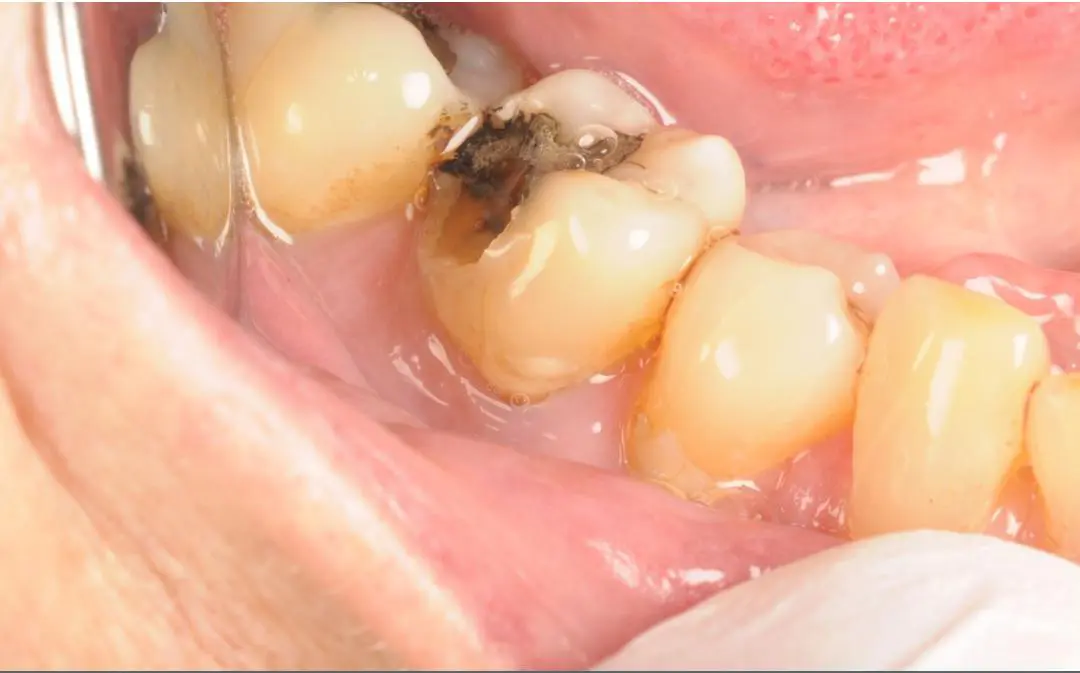
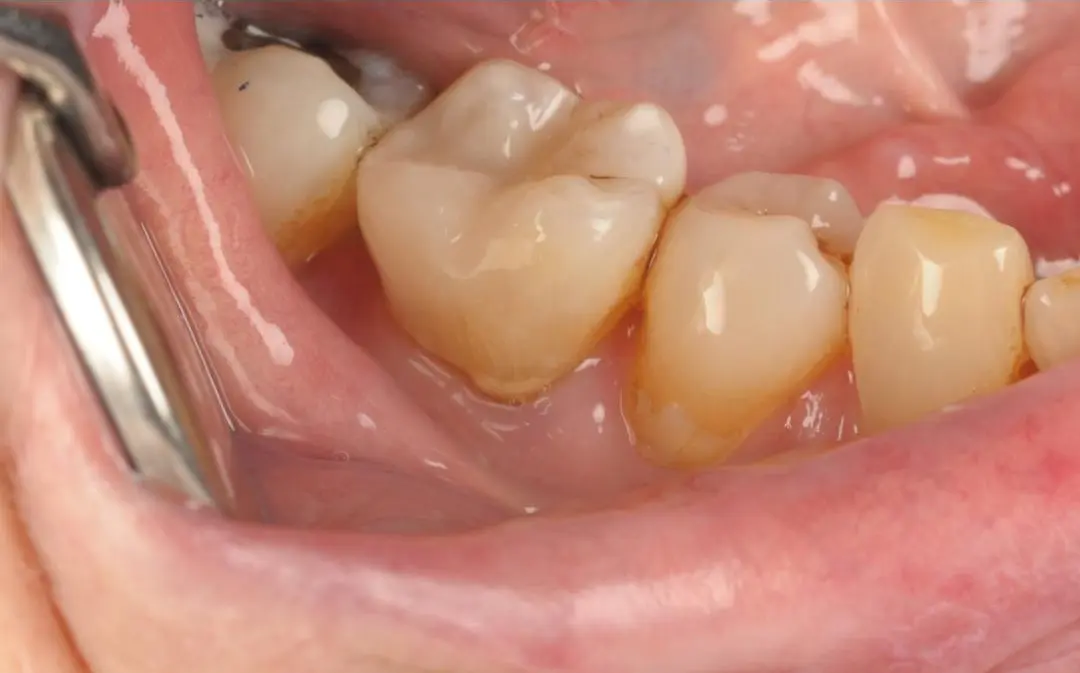
Real Patient Result: Emergency White Filling
Treatment by Dr Kamran
2. Discussing Your Options
Your dentist will explain the recommended treatment, outline what the procedure involves, and discuss alternatives where applicable. You will have the opportunity to ask questions and give informed consent before proceeding.
3. Local Anaesthesia
On the day of the procedure, local anaesthesia will be administered to numb the area around the tooth. This means that while you may feel pressure or movement during the extraction, you should not experience pain. If you have dental anxiety, speak to your dentist — they can advise on options to help you feel more comfortable. After treatment, you can review what to expect as local anaesthesia wears off.
4. The Extraction
Once the area is numb, your dentist will use specialised dental instruments to gently loosen the tooth from its socket by moving it carefully back and forth. In some cases, a small amount of bone tissue around the tooth may need to be addressed to allow for safe removal. The tooth is then lifted out of the socket.
Because the tooth is fully erupted, this process is generally less complex than a surgical extraction. However, the experience will vary depending on root anatomy and individual clinical factors.
5. Socket Management
After the tooth has been removed, the socket will be cleaned and, if necessary, a dissolvable suture may be placed to support healing. Gauze is typically applied to the area to help manage any initial bleeding.
6. Aftercare Instructions
Your dentist will provide clear written and verbal aftercare guidance. Following these instructions carefully is important for supporting a healthy recovery.
If you are concerned about a wisdom tooth and would like a professional assessment, you can find out more about same-day emergency dental appointments in London for prompt evaluations.
What to Expect During Recovery
Recovery following a fully erupted wisdom tooth removal is often described as more manageable than that following a surgical extraction for an impacted tooth, though experiences do vary between individuals.
In the first 24 hours, some bleeding from the socket is normal. Resting, avoiding vigorous rinsing, and eating soft foods are typically advised. Smoking and alcohol should be avoided during the initial healing period as they can impair the healing process.
In the days following extraction, mild to moderate swelling, tenderness around the jaw, and some degree of discomfort are common. Over-the-counter pain relief may be recommended — always follow the guidance provided by your dentist or the manufacturer's instructions.
Over the following one to two weeks, most patients find that discomfort gradually reduces. The gum tissue will begin to heal over the socket, and normal oral hygiene routines can usually resume carefully as advised.
It is important to monitor for any symptoms that may indicate complications (discussed in a later section). If anything concerns you during your recovery, contacting your dental practice for guidance is always appropriate.
Oral Health Before and After Wisdom Tooth Removal
Maintaining good oral health before and after a wisdom tooth extraction plays a meaningful role in the overall experience and outcome of the procedure.
Before extraction, keeping the area as clean as possible — even if it is uncomfortable — can help reduce the risk of infection. Using a soft-bristled toothbrush and rinsing gently with warm, slightly salted water may help soothe inflamed gum tissue around the wisdom tooth.
After extraction, oral hygiene must continue in the rest of the mouth, but care should be taken around the extraction site. Your dentist will advise when and how to clean near the socket without disrupting the healing process.
Staying well hydrated, eating soft nutritious foods, and avoiding foods that are very hot, very crunchy, or small and particulate (such as seeds or rice that could enter the socket) can all support a comfortable recovery.
Patients with pre-existing conditions such as diabetes, or those taking medications that affect healing or clotting, should ensure their dentist is fully informed before the procedure so that appropriate care can be planned. If you are taking anticoagulants, read our guidance on safe dental care while on blood-thinning medication.
When Professional Dental Assessment May Be Needed
Recognising Symptoms That Warrant Dental Attention
If you are experiencing any of the following, it may be appropriate to seek a dental assessment without delay:
- Persistent or worsening pain in the back of the mouth that does not settle
- Swelling of the gum, jaw, or face particularly if it appears to be spreading
- Difficulty opening the mouth or pain when chewing
- Unpleasant taste or odour from the back of the mouth, which may indicate infection
- Swollen lymph nodes beneath the jaw or in the neck
Following extraction, there are also certain signs that may warrant prompt contact with your dental practice, including:
- Bleeding that does not settle within a reasonable period after applying gauze pressure
- Severe or increasing pain after the first couple of days, which may indicate a condition known as dry socket
- Signs of infection such as increased swelling, discharge, or fever
None of these symptoms are intended to cause alarm — most wisdom tooth removals proceed without complications. However, being aware of what to look out for allows you to seek advice promptly if needed.
If you are based in London and need same-day access to a dental professional, our emergency dental service in London is available for urgent appointments.
Prevention and Ongoing Oral Health Advice
While it is not always possible to prevent wisdom tooth problems entirely — as they are largely influenced by the size of your jaw and the position your teeth develop in — there are steps you can take to support your oral health and identify any concerns early.
Attend regular dental check-ups. Routine appointments allow your dentist to monitor the development and position of your wisdom teeth over time. X-rays taken at routine intervals can detect emerging issues before they become painful or complicated.
Maintain a thorough oral hygiene routine. Brushing twice daily with a fluoride toothpaste, flossing regularly, and using interdental brushes where appropriate can help reduce the build-up of plaque and bacteria around the wisdom teeth — areas that are commonly more difficult to clean.
Do not ignore discomfort. Mild discomfort that comes and goes can be easy to dismiss, but persistent symptoms around wisdom teeth are worth mentioning to your dentist at your next appointment, or sooner if they worsen.
Be aware of your family dental history. In some cases, crowding or wisdom tooth problems can run in families. Knowing this may prompt you to attend more frequent monitoring appointments.
Early awareness and proactive dental care are among the most practical ways to manage wisdom tooth health.
Key Points to Remember
- A fully erupted wisdom tooth sits completely above the gum line, which often makes removal more straightforward than an impacted extraction — though individual clinical factors always apply.
- Removal may be recommended for reasons including decay, infection, gum inflammation, or persistent pain, but not every wisdom tooth needs to come out.
- The procedure involves clinical assessment, local anaesthesia, careful extraction, and socket care — your dentist will explain each stage before proceeding.
- Recovery typically improves over one to two weeks, with most patients able to manage discomfort with rest and over-the-counter pain relief as directed.
- Following your dentist's aftercare instructions carefully supports healthy healing and reduces the risk of complications such as dry socket.
- Regular dental check-ups are one of the most effective ways to monitor wisdom tooth health and catch concerns early.
Frequently Asked Questions
Is the removal of a fully erupted wisdom tooth painful?
The procedure is carried out under local anaesthesia, which means the area will be numb throughout. Most patients report feeling pressure or movement rather than pain during the extraction itself. Some discomfort is normal in the days following the procedure and can generally be managed with over-the-counter pain relief as directed. If pain feels severe or is worsening after the first couple of days, it is worth contacting your dental practice for advice.
How long does a fully erupted wisdom tooth extraction take?
The duration of the procedure varies depending on the individual anatomy of the tooth and roots. In many cases, a straightforward fully erupted wisdom tooth removal may take between twenty and forty minutes, including preparation and aftercare. Your dentist will be able to give you a more specific indication based on your clinical situation following the pre-treatment assessment.
How long does recovery take after a wisdom tooth is removed?
Most people find that initial discomfort and swelling begin to improve within a few days. The gum tissue over the socket usually heals within one to two weeks, though full bone healing takes longer. Everyone's recovery experience is different, and following your dentist's aftercare guidance carefully supports the healing process.
What is dry socket and how common is it?
Dry socket (alveolar osteitis) is a post-extraction complication where the blood clot that forms in the socket is lost or dissolves before the wound has fully healed, leaving the underlying bone exposed. It typically presents as a worsening, dull pain in the jaw in the days following extraction. It is not extremely common, but it can occur — certain risk factors such as smoking can increase the likelihood. If you suspect dry socket, contact your dental practice for assessment and appropriate care.
Can I eat normally after having a wisdom tooth removed?
For the first day or two after extraction, a soft diet is recommended to avoid disturbing the socket. Foods such as yoghurt, soup, mashed potato, and similar options are typically well-tolerated. Very hot, spicy, crunchy, or hard foods should be avoided initially. Your dentist will advise on when it is appropriate to gradually return to a more normal diet as healing progresses.
Do I need to have my wisdom teeth removed even if they are not causing any pain?
Not necessarily. Many wisdom teeth that are fully erupted and well-positioned may not require removal at all. However, the absence of pain does not always mean a tooth is free from clinical concern — decay or gum problems can sometimes develop without causing obvious symptoms. Your dentist is best placed to assess whether your wisdom teeth require any treatment, based on a thorough clinical examination and appropriate imaging.
Conclusion
Understanding what is involved in fully erupted wisdom tooth removal can help patients feel better informed, less anxious, and more prepared to discuss their options with a dental professional. The process — from clinical assessment and anaesthesia through to extraction and recovery — is a well-established dental procedure, though the approach will always be tailored to each patient's individual clinical circumstances.
Whether you are experiencing symptoms now or simply want to know more about your dental health, speaking to a qualified dentist is always the most appropriate first step. A professional assessment provides the clarity and guidance that no online article can replace.
Dental symptoms and treatment options should always be assessed individually during a clinical examination.
Disclaimer
Educational information only; this article is not a diagnosis or personalised treatment recommendation.
Wisdom-tooth treatment decisions must be based on individual clinical examination and imaging.
No outcome is guaranteed, and suitability is determined case by case by a GDC-registered dentist.
Content follows GDC, CQC, and ASA CAP communication standards.
If you have pain, swelling, or concern, seek prompt professional dental assessment.