
When a dental problem arises unexpectedly — a sudden toothache in the middle of the night, a broken tooth before an important occasion, or swelling that appears without warning — one of the first questions many people ask is: how much will this cost? It is entirely natural to think about fees before attending an urgent dental appointment, particularly in a city like London where private dental care can vary significantly in price.
Understanding urgent dental assessment fees in London helps patients feel more prepared and less anxious when they do need to seek same-day or short-notice dental care. This article explains what clinical fees for urgent dental assessments typically cover, why fees vary between practices, what happens during an urgent consultation, and when it may be appropriate to seek professional dental advice without delay. Whether you are experiencing discomfort or simply want to be informed ahead of time, this guide aims to provide clear, balanced information.
What Are Urgent Dental Assessment Fees in London?
Urgent dental assessment fees in London typically cover the cost of a clinical examination by a qualified dentist, a review of your dental and medical history, and a discussion of your symptoms and possible next steps. Fees vary by practice and do not automatically include treatment. They represent the professional time and clinical evaluation required to assess your dental concern.
Experiencing these symptoms?
Delaying treatment can lead to tooth loss. We have slots available today.
What Is an Urgent Dental Assessment?
An urgent dental assessment is a focused clinical appointment designed to evaluate a specific dental concern that requires prompt attention. Unlike a routine dental check-up, which may cover the overall health of your teeth, gums, and soft tissues comprehensively, an urgent assessment is centred on a presenting problem — such as acute pain, swelling, a lost filling, or a chipped tooth.
During this type of appointment, a dentist will:
- Take a brief dental and medical history relevant to your current symptoms
- Examine the affected area or tooth
- Assess whether X-rays are needed to better understand the issue
- Discuss possible causes and outline treatment options suitable to your situation
It is important to understand that an urgent assessment is a diagnostic appointment. Treatment — if required — may be provided on the same day in some cases, or a follow-up appointment may be recommended depending on the complexity of your situation. The assessment fee covers the professional clinical time required to evaluate your concerns safely and responsibly.
Meet Dr. Yasha Shirazi
Principal Dentist at Emergency Dentist London
"We treat hundreds of dental emergencies every month. The sooner you come in, the easier the fix usually is."
Book an appointment with our team →Why Do Urgent Dental Fees Vary in London?
One of the most common sources of confusion for patients is why urgent dental fees can differ so significantly between clinics in London. Several factors influence pricing, and understanding these can help you make a more informed decision when seeking care.
Location and overheads: Dental practices in central London, particularly in areas such as South Kensington, Chelsea, or the City, often carry higher operational costs than those in outer boroughs. These overheads can influence the fees charged to patients.
Clinical team qualifications and experience: The level of experience of the dentist providing the assessment, including any postgraduate training or areas of special interest, may be reflected in the fee structure.
Facilities and equipment: Practices with advanced digital X-ray equipment, cone beam CT scanning, or other diagnostic tools may incorporate the cost of these into their overall fee structure.
Inclusions within the fee: Some practices include a digital X-ray within the urgent assessment fee; others may charge for this separately. It is always reasonable to ask what is included before your appointment.
Out-of-hours availability: Practices offering evening, weekend, or bank holiday urgent appointments may charge a premium to reflect the additional staffing and operational requirements involved.
What Happens at an Urgent Dental Appointment?
Understanding what takes place during an urgent dental appointment can help patients feel more at ease when they attend. Here is a general overview of what you might expect, although individual appointments will vary based on your specific circumstances and the clinical judgement of your dentist.
Registration and history-taking: You will typically be asked to complete a brief medical history form, either in advance online or upon arrival. This helps your dentist understand any health conditions or medications that may be relevant to your dental care.
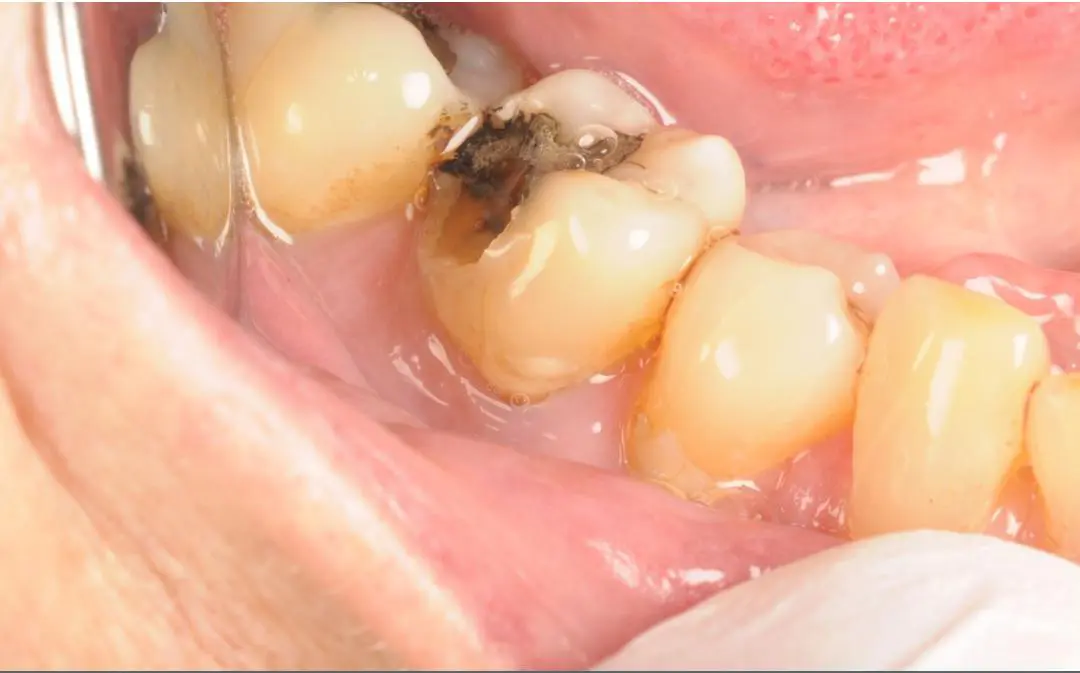
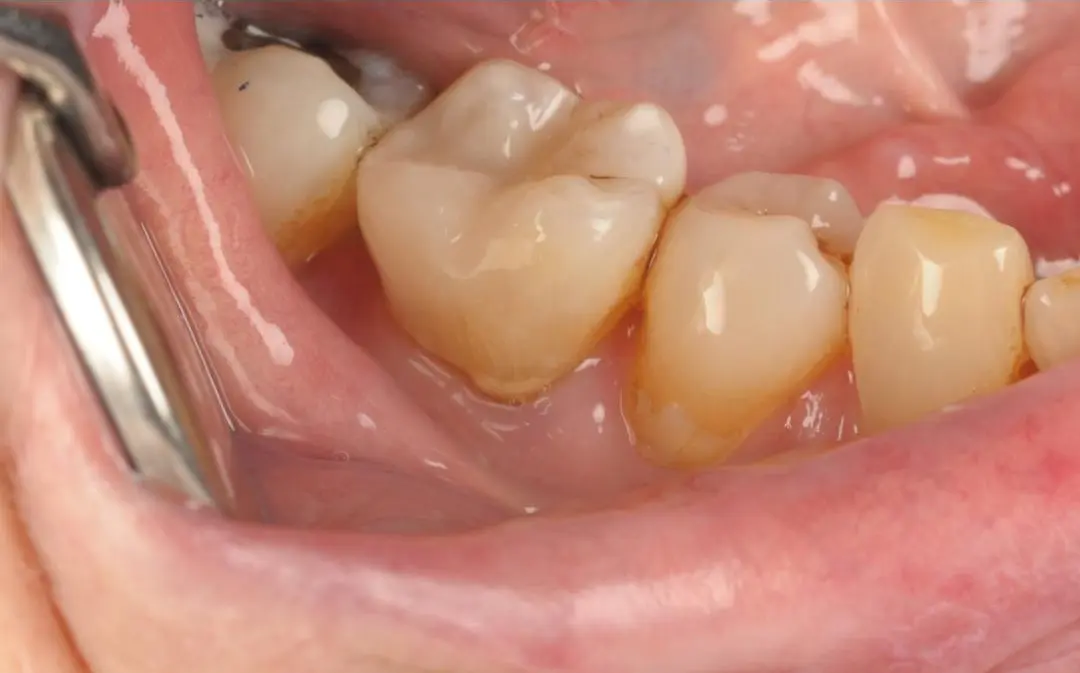
Real Patient Result: Emergency White Filling
Treatment by Dr Kamran
Clinical examination: Your dentist will examine the area of concern. This may involve a visual examination, gentle probing, and assessment of surrounding teeth and soft tissues. They will ask you questions about the nature of your symptoms, including when they started, what makes them better or worse, and whether you have experienced similar symptoms previously.
Diagnostic imaging: If required, an X-ray may be taken to assess the internal structures of the tooth or surrounding bone. This helps inform a more complete clinical picture.
Discussion and treatment planning: Your dentist will explain what they have found and outline the options available to you. They will discuss potential next steps, answer your questions, and provide you with the information you need to make an informed decision about your care.
If you are considering same-day emergency dental appointments in London, understanding this process in advance can make attending feel considerably less daunting.
The Clinical Science Behind Common Urgent Dental Presentations
To better understand why prompt dental assessment is valuable, it helps to have some insight into the dental science behind common urgent presentations.
Dental pulp and tooth pain: Each tooth contains a soft inner tissue called the pulp, which houses nerves and blood vessels. When the outer layers of the tooth — enamel and dentine — are compromised through decay, fracture, or wear, the pulp can become exposed to bacteria or temperature changes, triggering pain signals. Left unaddressed, pulp inflammation (pulpitis) may progress, potentially requiring more involved treatment.
Dental infection: When bacteria penetrate deep into the tooth or surrounding gum tissue, an infection may develop. This can sometimes result in an abscess — a localised collection of pus. Dental infections can cause swelling, persistent throbbing pain, and in some circumstances, systemic symptoms such as fever. Infections do not resolve without clinical intervention, which is why prompt assessment is important. You can read more about urgent dental abscess treatment.
Lost or broken restorations: A lost filling or broken crown exposes the underlying dentine and possibly the pulp. This can lead to sensitivity, discomfort, or vulnerability to further damage. Prompt assessment helps determine the most appropriate way to protect the tooth, including same-day lost filling or crown replacement.
Understanding these processes helps explain why dental concerns benefit from early professional evaluation rather than a wait-and-see approach.
When Professional Dental Assessment May Be Appropriate
Whilst not every dental concern requires an emergency appointment, there are circumstances in which seeking professional dental assessment promptly is advisable. The following situations are general examples where a dental review may be appropriate. This is not an exhaustive list, and individual symptoms should always be assessed by a qualified dentist.
Persistent or severe tooth pain: Tooth pain that does not resolve within a short period, or that is affecting sleep, eating, or daily activities, warrants clinical assessment.
Facial or gum swelling: Any noticeable swelling around the jaw, cheek, or neck associated with a dental concern should be evaluated by a dentist.
Sensitivity following dental work or trauma: If you experience heightened sensitivity following a dental procedure or an injury to your mouth, a review appointment may help determine whether further care is needed.
Lost fillings or broken teeth: Exposed tooth structure may feel sharp or sensitive. A clinical assessment can determine the best way to protect the tooth.
Bleeding that does not settle: Persistent bleeding from the gums or mouth, particularly following an extraction or injury, is worth discussing with a dental professional.
If any of these situations resonate with you, seeking urgent same-day assessment is sensible to help identify the cause and discuss treatment options promptly.
Watch: Same-Day Emergency Dental Appointments in London
Understanding Fee Transparency in Private Dental Care
In the United Kingdom, private dental practices are not bound by NHS fee structures and are permitted to set their own pricing. However, responsible private dental practices are expected to communicate fees clearly and transparently to patients before treatment is provided. This expectation is aligned with guidance from the General Dental Council (GDC) and the principles of the Advertising Standards Authority (ASA).
When contacting an urgent dental practice, it is entirely reasonable to ask:
- What does the urgent assessment fee include?
- Are X-rays charged separately?
- Will I receive a written treatment plan and cost estimate before any treatment begins?
- Are there different fees for out-of-hours appointments?
A transparent, patient-centred practice will be able to answer these questions clearly and without hesitation. Written treatment plans, including itemised costs, are considered good practice in private dentistry and help patients make informed decisions about their care.
For patients researching private urgent care fees, this guide on whether emergency appointments cost more provides further context on what to expect.
Prevention and Oral Health: Reducing the Need for Urgent Dental Care
Whilst dental emergencies cannot always be predicted or prevented, certain oral health habits can help reduce the likelihood of needing urgent dental care. Incorporating the following practices into your daily routine supports long-term dental health.
Attend regular dental check-ups: Routine dental examinations allow your dentist to identify early signs of decay, gum disease, or structural concerns before they develop into more acute problems. The frequency of check-ups will depend on your individual oral health needs, as recommended by your dentist.
Maintain a consistent oral hygiene routine: Brushing twice daily with a fluoride toothpaste, cleaning between teeth with floss or interdental brushes, and using a dentist-recommended mouthwash can all contribute to reducing bacterial build-up that leads to decay and gum disease.
Wear a mouthguard during contact sports: Physical trauma is one of the most common causes of dental emergencies. A custom-fitted mouthguard, made by your dentist, offers considerably more protection than an over-the-counter alternative.
Address dental anxiety: Some patients delay seeking dental care because of anxiety, which can allow minor issues to become more significant over time. Speaking openly with your dental team about your concerns can help them tailor your care accordingly.
Be mindful of dietary habits: Reducing the frequency of sugary and acidic food and drink intake can help protect tooth enamel and lower the risk of decay.
Good oral health is a long-term investment. Preventative care, wherever possible, remains a highly effective long-term approach to maintaining oral health.
Key Points to Remember
- Urgent dental assessment fees in London cover the professional clinical time required to examine your dental concern — they do not automatically include treatment costs.
- Fees vary between practices due to location, facilities, team experience, and what is included within the appointment.
- Asking questions about fee structures and inclusions before your appointment is entirely reasonable and encouraged.
- Common dental emergencies — including infection, severe pain, and broken teeth — benefit from prompt clinical assessment rather than a delayed approach.
- Preventative dental habits, including regular check-ups and a consistent oral hygiene routine, can help reduce the risk of urgent dental problems developing.
- All dental symptoms and treatment options should be assessed individually by a qualified dental professional.
Frequently Asked Questions
How much does an urgent dental assessment typically cost in London?
Urgent dental assessment fees in London vary widely between practices depending on factors such as location, clinician experience, and what is included within the appointment. Actual fees should always be confirmed directly with the practice prior to attendance, as individual pricing may differ. A full breakdown of costs should be provided before any treatment is undertaken. Some practices include a digital X-ray within the assessment fee; others charge for this separately. It is always advisable to confirm what is included before attending. A transparent dental practice should provide a clear breakdown of fees before your appointment takes place.
Will I receive treatment at my urgent dental assessment?
This depends on the nature of your concern and the clinical judgement of your dentist. In many cases, straightforward treatments — such as a temporary filling or tooth extraction — may be carried out at the same appointment. For more complex situations, your dentist may recommend a follow-up appointment once a full assessment has been made. Your dentist will discuss all options with you and will not proceed with treatment without your informed consent.
Is an urgent dental assessment fee refundable if I decide not to proceed with treatment?
This will depend on the individual practice's fee policy. The assessment fee covers the professional clinical time of the dentist, regardless of whether treatment is ultimately undertaken. It is advisable to ask about the practice's policy when you book your appointment. Most reputable practices will clearly communicate this before you attend.
Can I get urgent dental care on the NHS in London?
NHS urgent dental care is available in some circumstances, typically for patients registered with an NHS dentist or through NHS 111, which can direct patients to urgent dental services. However, availability can be limited, and patients often seek private urgent dental care to ensure timely access. Private urgent assessments offer greater flexibility in terms of appointment times and availability.
What should I do whilst waiting for an urgent dental appointment?
Whilst waiting for your appointment, over-the-counter pain relief (used as directed on the packaging) may help manage discomfort temporarily. Avoid very hot, cold, or sweet foods and drinks if you have sensitivity. Dental wax or temporary filling materials, available from pharmacies, may provide short-term protection for a broken tooth or lost filling. These are temporary measures only and do not replace professional dental assessment and treatment.
How do I know if my dental concern is a genuine emergency?
Dental concerns that may benefit from prompt assessment include: persistent or severe tooth pain, facial swelling, a dental abscess, a knocked-out or significantly damaged tooth, or bleeding that does not settle. If you are uncertain whether your situation requires urgent care, contacting a dental practice directly to describe your symptoms is a sensible first step. The dental team can help advise you on the appropriate level of urgency.
Conclusion
Understanding urgent dental assessment fees in London helps patients approach dental care more confidently, particularly during stressful moments when a dental problem arises unexpectedly. Fees vary between practices for a range of legitimate reasons, and patients are encouraged to ask questions about what is included before attending. Transparent, patient-centred dental practices should explain their fee structure clearly.
Prompt clinical assessment remains the most reliable way to understand the cause of a dental concern and to explore appropriate options. Preventative oral health habits, including regular check-ups and consistent home care, continue to offer strong long-term support for dental health.
Dental symptoms and treatment options should always be assessed individually during a clinical examination.
If you are experiencing a dental concern and would like to understand likely next-step costs before booking, our emergency dentist costs in London guide is a useful starting point.
Disclaimer
This article is for general educational information only and is not financial, diagnostic, or treatment advice.
Dental symptoms and treatment suitability can only be assessed by a qualified clinician during an in-person examination.
Fees and inclusions vary by provider and should be confirmed directly with the treating practice before care.
No treatment outcomes are guaranteed, and care decisions should be made with your treating clinician.