
Many patients experiencing dental pain and swelling search online for answers about abscess management, particularly when facing discomfort or uncertainty about treatment options. A dental abscess represents a collection of infected material that can cause significant pain, swelling, and potential complications if not properly addressed.
Understanding why clinical drainage is frequently recommended helps patients make informed decisions about their oral health care. Dental abscesses develop when bacteria accumulate in areas where the body's natural immune response cannot effectively clear the infection. This process can occur around tooth roots, in gum tissues, or in surrounding bone structures.
Professional dental assessment becomes particularly important because abscess management requires careful evaluation of the infection's location, severity, and underlying causes. While some patients may seek home remedies or delay treatment, understanding the clinical reasoning behind professional drainage helps explain why prompt dental care often provides the most effective path to resolution and prevents potential complications that could affect overall health and wellbeing.
Experiencing these symptoms?
Delaying treatment can lead to tooth loss. We have slots available today.
Why Do Dentists Often Recommend Clinical Drainage for Abscesses?
Clinical drainage is frequently recommended for dental abscesses because it provides direct removal of infected material whilst allowing proper cleaning and assessment of the affected area. Professional drainage enables dentists to address both immediate symptoms and underlying causes effectively.
Understanding Dental Abscess Formation
Dental abscesses typically develop when bacteria penetrate protective barriers around teeth or gums, creating localised infections that the body struggles to resolve independently. These infections commonly arise from untreated tooth decay, gum disease, or trauma that allows bacteria to access deeper tissues.
The body's immune response attempts to contain bacterial infections by creating barriers around affected areas. However, when bacteria continue to multiply faster than the immune system can eliminate them, infected material accumulates, forming an abscess. The enclosed nature of dental tissues can make it particularly challenging for the body to clear these infections without intervention.
Meet Dr. Yasha Shirazi
Principal Dentist at Emergency Dentist London
"We treat hundreds of dental emergencies every month. The sooner you come in, the easier the fix usually is."
Book an appointment with our team →Understanding this process helps explain why professional treatment often becomes necessary. The confined spaces within dental structures mean that natural drainage pathways may be limited, and pressure from accumulated infected material can cause significant discomfort whilst potentially affecting surrounding healthy tissues.
Different types of dental abscesses can develop depending on the infection's origin and location, with each requiring specific assessment and management approaches that take into account the individual circumstances affecting each patient's oral health.
The Clinical Approach to Abscess Management
Professional abscess management involves systematic assessment of the infection's characteristics, including location, severity, and underlying causes. Dentists evaluate factors such as the source of infection, extent of tissue involvement, and potential complications before determining appropriate treatment approaches.
Clinical drainage procedures typically involve creating controlled access to remove infected material whilst maintaining proper sterile conditions. This approach allows thorough cleaning of affected areas and enables dentists to assess the full extent of damage or infection that may not be visible from external examination alone.
The drainage process also facilitates improved circulation to affected areas, supporting the body's natural healing mechanisms. Professional management ensures that underlying causes are addressed alongside immediate symptom relief, helping to prevent recurrence of similar problems.
Following drainage, dentists can provide targeted aftercare guidance and monitor healing progress to ensure optimal recovery. This comprehensive approach addresses both immediate discomfort and longer-term oral health considerations that affect overall treatment outcomes.
How Dental Infections Affect Surrounding Tissues
Dental infections can spread beyond their initial location, affecting surrounding bone, soft tissues, and potentially other structures within the oral and facial regions. Understanding this spread helps explain why prompt professional assessment becomes important for containing infections effectively.
Bacterial toxins and inflammatory responses associated with abscesses can affect blood circulation and tissue health in surrounding areas, and may contribute to significant oral bleeding when infections involve gum tissues. This process may compromise the body's ability to fight infection and can potentially affect adjacent teeth or supporting structures.
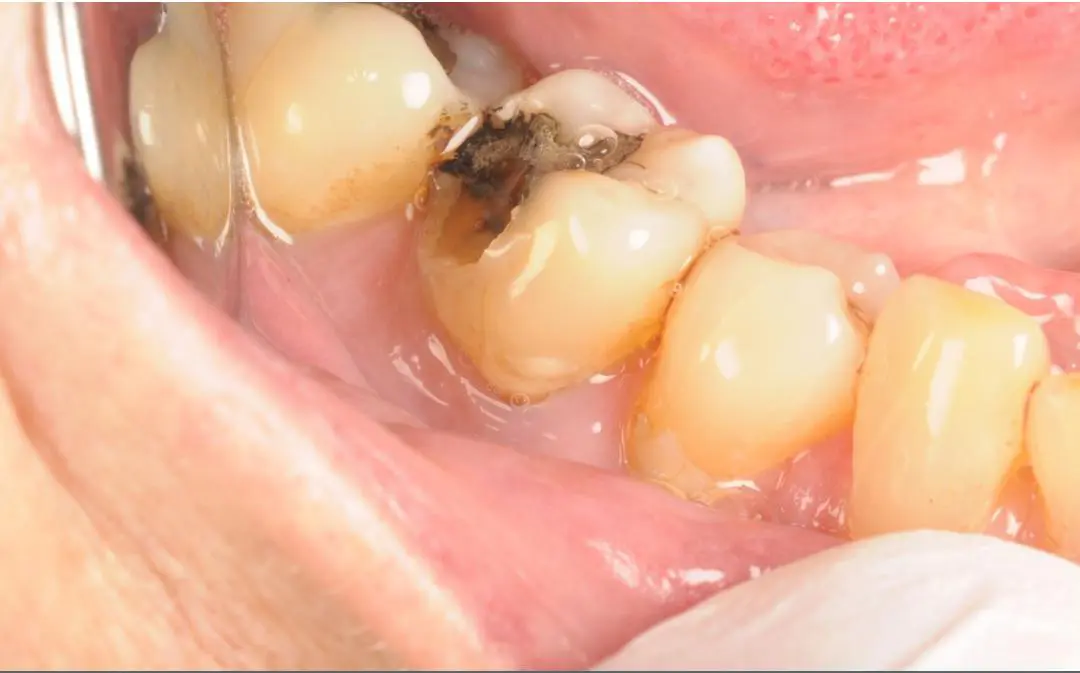
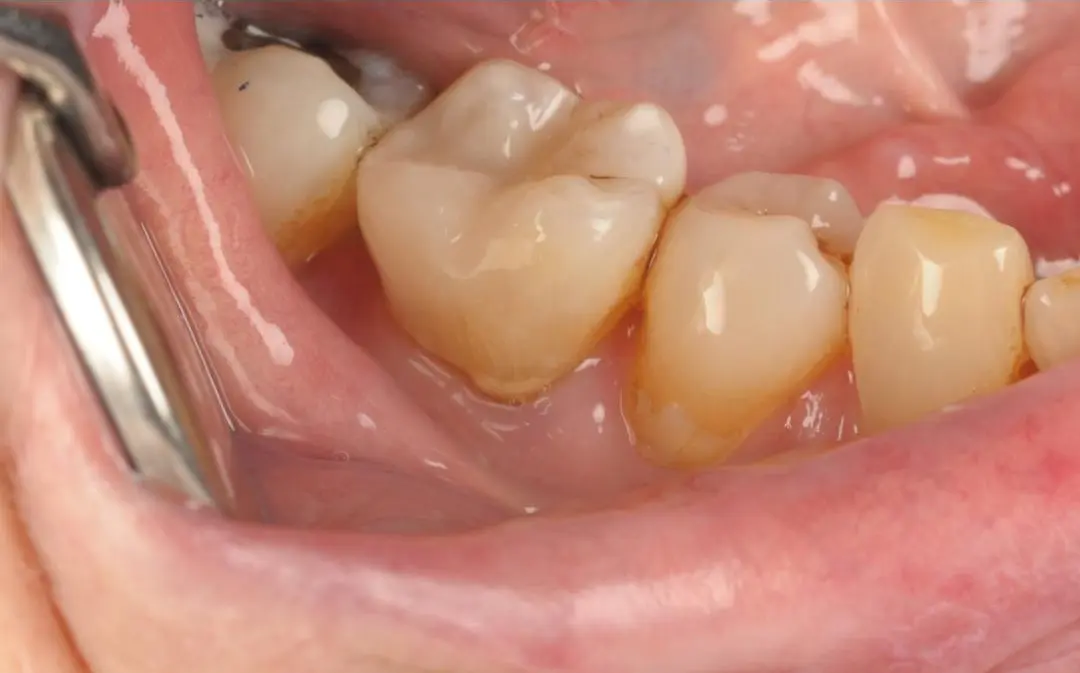
Real Patient Result: Emergency White Filling
Treatment by Dr Kamran
The anatomy of facial spaces means that some infections have pathways to spread to more distant locations, which could potentially affect breathing, swallowing, or other vital functions if left unaddressed. Professional assessment helps identify cases where additional monitoring or treatment may be appropriate.
Clinical evaluation enables dentists to assess these risks and implement appropriate management strategies that address both localised infection and potential complications. This systematic approach helps protect surrounding healthy tissues whilst supporting effective resolution of the original problem.
When Professional Dental Assessment May Be Needed
Several situations suggest that professional dental evaluation may be beneficial for managing abscess-related symptoms. Persistent or worsening pain, particularly when accompanied by swelling, often indicates that professional assessment could help determine appropriate management approaches.
Swelling that affects facial tissues, difficulty opening the mouth, or changes in bite alignment may suggest that infections are affecting surrounding structures. These symptoms warrant prompt dental evaluation to assess the extent of involvement and determine suitable treatment options.
Systemic symptoms such as fever, malaise, or swollen lymph nodes can indicate that infections are affecting overall health. Professional assessment helps determine whether additional treatment or monitoring may be appropriate in these circumstances.
Changes in sensation, taste, or difficulty swallowing represent symptoms that require urgent professional evaluation. These signs may suggest that infections are affecting important anatomical structures and require immediate attention to prevent potential complications.
Treatment Options and Considerations
Abscess management may involve various approaches depending on individual circumstances, including drainage procedures, antibiotic therapy, and treatment of underlying causes. Professional assessment helps determine which combination of treatments may be most appropriate for each situation.
Emergency dental care may be necessary when symptoms develop rapidly or affect daily activities. Early intervention often provides more treatment options and may help prevent complications that could affect surrounding tissues.
Some cases may require combination therapy that addresses both immediate infection and underlying dental problems such as decay or gum disease. Antibiotics alone are rarely sufficient for resolving an established dental abscess and are typically used alongside drainage procedures. This comprehensive approach helps ensure long-term resolution whilst managing current symptoms effectively.
Treatment planning takes into account factors such as medical history, current medications, and individual risk factors that may affect healing or treatment outcomes. Professional assessment enables personalised treatment approaches that consider these individual circumstances.
Supporting Recovery and Healing
Effective abscess management extends beyond initial treatment to include supporting optimal healing conditions. Professional guidance helps patients understand appropriate aftercare measures that promote recovery whilst minimising risks of complications or recurrence.
Pain management strategies may involve both professional treatments and appropriate home care measures. Understanding how to support healing whilst managing discomfort helps patients participate effectively in their recovery process.
Dietary considerations during healing may include recommendations about food texture, temperature, and nutritional support that promotes tissue repair. Professional guidance helps patients understand how to maintain adequate nutrition whilst avoiding factors that might impede healing.
Follow-up care enables monitoring of healing progress and early identification of any concerns that may require additional attention. Regular professional assessment during recovery helps ensure optimal outcomes and addresses any questions or concerns that arise during the healing process.
Prevention and Long-term Oral Health
Understanding abscess prevention involves recognising risk factors and implementing appropriate oral hygiene measures that reduce bacterial accumulation. Regular professional dental care helps identify and address potential problems before they develop into more serious conditions.
Effective daily oral hygiene, including appropriate brushing and flossing techniques, helps maintain healthy bacterial levels in the mouth. Professional guidance ensures that patients understand proper techniques and can adapt their routine to address individual risk factors.
Regular dental check-ups enable early detection and treatment of conditions such as decay or gum disease that could potentially lead to abscess formation. Professional monitoring helps identify changes in oral health before they progress to more serious problems.
Lifestyle factors such as diet, smoking, and stress management can affect immune function and oral health. Understanding the long-term implications of untreated dental infections highlights why prompt professional assessment and prevention remain essential for maintaining overall health.
Key Points to Remember
• Dental abscesses often require professional drainage because natural healing pathways may be limited in confined dental spaces
• Clinical management enables thorough cleaning, assessment of underlying causes, and monitoring of healing progress
• Prompt professional assessment becomes particularly important when symptoms worsen or affect surrounding tissues
• Treatment approaches are individualised based on infection characteristics, medical history, and other relevant factors
• Prevention strategies focus on maintaining good oral hygiene and addressing risk factors through regular professional care
• Follow-up care helps ensure optimal healing and early detection of any concerns that may require additional attention
Frequently Asked Questions
How long does it typically take for an abscess to heal after professional drainage?
Healing timelines vary depending on individual circumstances, infection severity, and underlying causes. Many patients experience symptom improvement within days of professional treatment, though complete healing may take several weeks. Professional monitoring helps ensure healing progresses appropriately and addresses any concerns that arise during recovery.
Can dental abscesses resolve without professional treatment?
While some minor infections may resolve independently, abscesses often require professional intervention because natural drainage pathways may be inadequate. Self-treatment carries risks of incomplete resolution, recurrence, or potential complications. Professional assessment helps determine appropriate management approaches for each individual situation.
What factors influence whether drainage is recommended over other treatments?
Treatment recommendations depend on factors including abscess location, size, underlying causes, and individual patient circumstances. Some situations may benefit from drainage combined with other treatments such as antibiotics or addressing underlying dental problems. Professional evaluation enables personalised treatment planning based on these various factors.
Are there warning signs that suggest an abscess requires urgent attention?
Symptoms such as rapidly worsening swelling, difficulty swallowing or breathing, fever, or severe pain may indicate that urgent professional assessment is appropriate. Changes in facial symmetry, difficulty opening the mouth, or systemic symptoms warrant prompt evaluation to assess whether immediate treatment may be beneficial.
How can patients support healing following professional abscess treatment?
Supporting healing typically involves following professional aftercare guidance, maintaining appropriate oral hygiene, managing discomfort as recommended, and attending follow-up appointments. Avoiding factors that might impede healing, such as smoking or poor nutrition, also contributes to optimal recovery outcomes.
What role do antibiotics play in abscess management alongside drainage?
Antibiotics may be recommended in conjunction with drainage procedures, particularly when infections show signs of spreading or when individual risk factors suggest additional support may be beneficial. It is essential that patients inform their GDC-registered dental professional of any known drug allergies — including penicillin, amoxicillin, or other antibiotics — before any prescription is issued, to ensure safe and appropriate treatment. Professional assessment determines whether antibiotic therapy is appropriate based on specific circumstances and individual health considerations.
Conclusion
Understanding why clinical drainage is often recommended for dental abscesses helps patients appreciate the comprehensive approach required for effective management. Professional treatment addresses both immediate symptoms and underlying causes whilst minimising risks of complications or recurrence.
The complex nature of dental infections, combined with the confined spaces within oral structures, often makes professional intervention the most effective approach for achieving complete resolution. Clinical drainage enables thorough assessment, proper cleaning, and targeted treatment that supports optimal healing outcomes.
Early professional assessment provides a favourable opportunity for successful treatment whilst preserving surrounding healthy tissues. Dental symptoms and treatment options should always be assessed individually during a clinical examination.
Disclaimer
This article is for educational purposes only and does not constitute dental advice, diagnosis, or treatment. Symptoms and treatment options should always be assessed by a GDC-registered dental professional during a clinical examination. Individual results may vary.