
Waking up with a persistent, throbbing tooth pain that radiates to the temple can be an unsettling experience. Many people are surprised to discover that dental problems can produce discomfort far beyond the mouth — spreading through the jaw, cheeks, ear, and even up into the temple region. This is why so many adults in London search online for answers when they notice this type of pain, hoping to understand whether it is a dental emergency or something that can wait.
Throbbing tooth pain radiating to the temple is more common than you might think, and there are several well-understood dental and anatomical reasons why it occurs. This article explores the most likely causes, explains the science behind referred dental pain, and outlines the fast relief options that may ease your discomfort while you arrange a professional assessment. Understanding what may be happening can help you make more informed decisions about your dental health and when to seek timely professional advice.
Featured Snippet: What Causes Throbbing Tooth Pain That Radiates to the Temple?
Throbbing tooth pain radiating to the temple is typically caused by referred pain — a phenomenon where the brain misinterprets pain signals travelling along shared nerve pathways. Dental infections, abscessed teeth, jaw tension, and issues with the temporomandibular joint (TMJ) are among the most common underlying causes that can produce this type of radiating discomfort.
Experiencing these symptoms?
Delaying treatment can lead to tooth loss. We have slots available today.
Understanding Referred Dental Pain: The Science Behind It
One of the most important concepts to understand when throbbing tooth pain radiates to the temple is referred pain. The human head and face share a complex network of nerve fibres, primarily through the trigeminal nerve — the largest cranial nerve responsible for sensation across the face, jaw, teeth, and surrounding structures.
When a tooth becomes infected, inflamed, or structurally compromised, the pain signals it generates travel along these shared nerve pathways. The brain can sometimes struggle to identify the precise origin of these signals, interpreting the discomfort as coming from an entirely different area — such as the temple, ear, or jaw hinge.
This neurological overlap explains why a deeply infected upper molar can produce a dull, throbbing ache that feels as though it is coming from the side of the head. It is an important reason why patients should not dismiss temple pain as purely a tension headache without considering whether a dental cause may be contributing. A thorough clinical examination is the most reliable way to identify the true source of the pain.
Meet Dr. Yasha Shirazi
Principal Dentist at Emergency Dentist London
"We treat hundreds of dental emergencies every month. The sooner you come in, the easier the fix usually is."
Book an appointment with our team →Common Dental Causes of Tooth Pain Radiating to the Temple
Several dental conditions are associated with throbbing pain that extends beyond the tooth itself:
Dental Abscess
An abscess is a localised collection of infection, usually resulting from untreated tooth decay or a cracked tooth that has allowed bacteria to reach the inner pulp. The resulting inflammation and pressure can generate intense, throbbing pain that radiates along nerve pathways to the jaw, ear, and temple.
Pulpitis
Pulpitis refers to inflammation of the dental pulp — the soft inner tissue containing nerves and blood vessels. It can be reversible or irreversible. Irreversible pulpitis often causes a persistent, throbbing pain that can be difficult to locate precisely and may radiate upward.
Cracked or Fractured Teeth
A crack in a tooth can expose the inner pulp to bacteria and temperature changes, triggering sharp or throbbing pain that may radiate outward. Cracks are not always visible to the naked eye.
Impacted Wisdom Teeth
Lower wisdom teeth that are partially or fully impacted can create pressure and inflammation that radiates toward the jaw, ear, and temple region.
Temporomandibular Joint (TMJ) Disorders
Problems with the jaw joint — including muscle tension, misalignment, or joint dysfunction — are a significant cause of pain that is often felt in the temple area and may be associated with dental issues such as teeth grinding (bruxism).
If you are experiencing persistent jaw pain alongside tooth discomfort, it may be worth reading about jaw pain and TMJ disorders to better understand whether this could be a contributing factor.
Recognising the Symptoms: What to Look Out For
Understanding the pattern of your symptoms can help you describe them more clearly to a dental professional. Throbbing tooth pain radiating to the temple may be accompanied by:
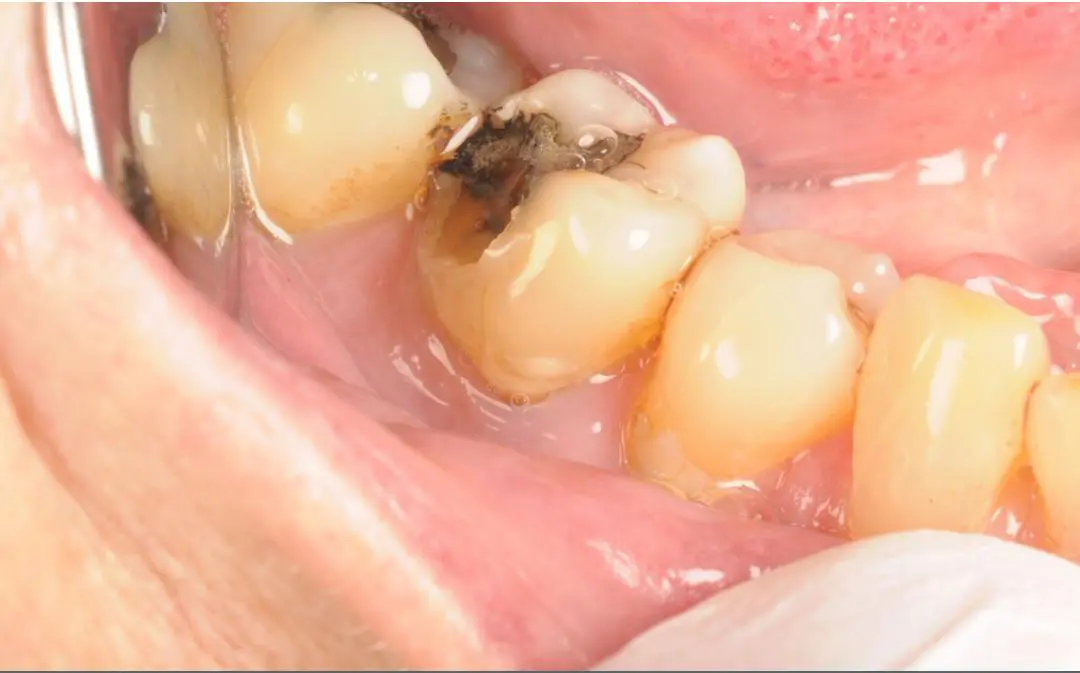
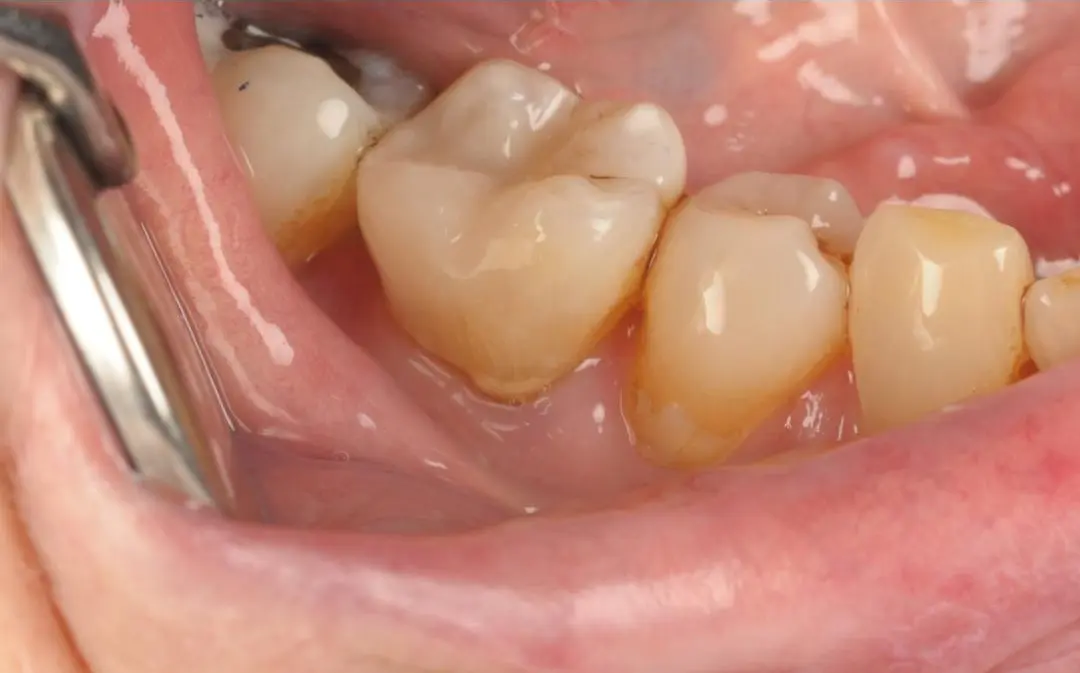
Real Patient Result: Emergency White Filling
Treatment by Dr Kamran
- A continuous or pulsating ache that worsens when lying down
- Sensitivity to hot or cold food and drinks
- Swelling around the jaw, cheek, or gum line
- Pain that intensifies when biting or applying pressure to the tooth
- A general feeling of pressure or fullness in the face or temple
- Earache or a sensation of blocked ears
- Headaches that appear to worsen in line with dental discomfort
It is worth noting that these symptoms can vary considerably from person to person. Not everyone with an abscess will experience swelling, and not all temple pain will have a straightforward dental origin. This is why individual clinical assessment is important rather than self-diagnosis based on symptoms alone.
Fast Relief Options While You Wait for a Dental Appointment
Whilst professional dental treatment is the only way to address the underlying cause of throbbing tooth pain, there are some evidence-informed, temporary comfort measures that may help reduce discomfort in the short term:
Over-the-counter pain relief: Ibuprofen (if suitable for you) can help reduce both pain and inflammation. Paracetamol may also provide pain relief. Always follow the guidance on the packaging and consult a pharmacist if you are unsure about suitability.
Clove oil: Eugenol, found naturally in clove oil, has mild analgesic and antibacterial properties. Applied carefully with a cotton bud to the affected area, it may provide temporary numbing relief. Avoid swallowing it.
Cold compress: Applying a cold pack or wrapped ice to the outside of the cheek for short intervals may help reduce swelling and numb discomfort.
Keeping the head elevated: Lying flat can increase blood pressure around the affected area, intensifying throbbing pain. Sleeping with an extra pillow may help.
Avoid very hot, cold, or sweet foods: These can aggravate an already inflamed or exposed nerve.
These measures are for temporary comfort only and do not treat infection or underlying dental problems. Suitability of any pain relief medication depends on your individual health circumstances; consult a pharmacist or GP if you are unsure. If you are in significant pain, an emergency dental appointment in London is the most appropriate course of action.
When You Should Seek Professional Dental Assessment
There are circumstances where seeking timely dental advice is particularly important. You should contact a dental professional promptly if you notice:
- Swelling of the face, jaw, or neck that is spreading or worsening
- Difficulty swallowing or breathing
- A high temperature alongside dental pain
- Pain that is severe and unresponsive to over-the-counter pain relief
- Visible pus or a bad taste in the mouth suggesting infection
- Pain that has persisted for more than two days
Swelling in the neck or difficulty breathing alongside dental infection should be treated as a medical emergency — contact NHS 999 or attend your nearest A&E department immediately.
For less acute but persistent pain, arranging a dental appointment as soon as possible is advisable. Dental infections do not resolve without treatment, and early intervention may lead to more straightforward management of the condition.
Prevention and Oral Health Advice
Whilst not all dental problems are entirely preventable, good oral health habits can significantly reduce the risk of the conditions most commonly associated with throbbing tooth pain:
- Brush thoroughly twice daily using fluoride toothpaste, paying attention to the gum line and all tooth surfaces.
- Floss or use interdental brushes daily to remove plaque from between teeth where brushing cannot reach.
- Attend regular dental check-ups — typically every six to twelve months, depending on your dentist's recommendation. Early detection of decay or cracks reduces the risk of more serious complications.
- Address teeth grinding: If you are aware that you grind your teeth at night, speak to your dentist about a protective night guard.
- Limit sugary and acidic foods and drinks, which contribute to enamel erosion and tooth decay over time.
- Do not delay treatment: Small cavities and minor cracks are far more straightforward to manage than abscesses or pulp damage that develops over time.
Understanding more about tooth decay prevention and treatments can help you make informed choices about maintaining your dental health long term.
Key Points to Remember
- Throbbing tooth pain radiating to the temple is frequently caused by referred pain travelling along shared nerve pathways in the face and head.
- Common dental causes include abscesses, pulpitis, cracked teeth, impacted wisdom teeth, and TMJ disorders.
- Temporary comfort measures such as over-the-counter pain relief and cold compresses may ease discomfort short term, but do not treat the underlying cause.
- Swelling of the face or neck, fever, or difficulty swallowing alongside dental pain warrants urgent professional assessment.
- Good oral hygiene, regular dental check-ups, and early treatment of dental problems are the most effective ways to reduce risk.
- Dental symptoms should always be assessed individually by a qualified dental professional before any diagnosis or treatment plan is determined.
Frequently Asked Questions
Can a tooth problem really cause pain in my temple?
Yes. Throbbing tooth pain radiating to the temple is a well-recognised phenomenon explained by the anatomy of the trigeminal nerve, which transmits sensory signals from the teeth, jaw, and face to the brain. When a dental structure becomes inflamed or infected, pain signals can be interpreted as coming from a different location — including the temple. This is known as referred pain and is one reason why dental problems are sometimes initially mistaken for headaches or migraines.
Is throbbing tooth pain that radiates to the temple a dental emergency?
It depends on the accompanying symptoms. If the pain is severe, associated with facial or neck swelling, fever, or difficulty swallowing, prompt professional assessment is advisable. Dental infections can progress and are best addressed early. If the pain is persistent but mild and there are no signs of spreading infection, contacting your dentist as soon as possible to arrange an appointment is the appropriate step.
Why does my tooth pain feel worse at night?
Many people notice that dental pain intensifies when they lie down. This is partly because the horizontal position increases blood pressure in the head and face, which can heighten throbbing sensations around an inflamed or infected tooth. Additionally, there are fewer distractions at night, making pain more noticeable. Sleeping with your head slightly elevated may provide some relief whilst awaiting dental treatment.
Can TMJ problems cause both tooth pain and temple pain?
Yes. The temporomandibular joint (TMJ) connects the jaw to the skull and sits close to the temple region. Dysfunction of this joint — which may be linked to teeth grinding, jaw clenching, stress, or bite misalignment — can produce pain that is felt across the jaw, teeth, ear, and temple simultaneously. A dental professional can assess whether TMJ dysfunction may be contributing to your symptoms during a clinical examination.
Will the pain go away on its own?
Dental pain caused by infection or pulp damage is unlikely to resolve without treatment. Whilst pain levels can fluctuate — sometimes appearing to ease temporarily — the underlying condition typically continues to progress without clinical intervention. It is advisable not to wait to see whether the pain resolves itself, particularly if infection may be present.
What will a dentist do to treat the cause of this pain?
Treatment depends entirely on the clinical findings following examination. Options may include root canal treatment (to remove infected pulp tissue and preserve the tooth), dental drainage of an abscess, prescription antibiotics in appropriate cases, tooth extraction where necessary, or treatment for TMJ-related issues. The appropriate course of action can only be determined after a thorough clinical assessment.
Conclusion
Throbbing tooth pain radiating to the temple is a symptom worth taking seriously. It is most commonly a sign that the teeth, dental pulp, or surrounding structures are under stress — whether from infection, structural damage, or jaw-related issues. Understanding the likely causes and knowing which temporary comfort measures may help can make the experience less distressing whilst professional care is arranged.
Good oral hygiene and regular dental check-ups remain the most effective long-term strategy for reducing the risk of the conditions that lead to this kind of discomfort. If you are currently experiencing persistent tooth pain that extends to the temple, earache, or jaw, we encourage you to seek a professional dental assessment at your earliest opportunity.
Dental symptoms and treatment options should always be assessed individually during a clinical examination.
Disclaimer: This article is intended for general educational purposes only and does not constitute personalised dental advice. Individual diagnosis and treatment recommendations require a clinical examination by a qualified dental professional.
Next Review Due: 20 November 2027