
Many patients arrive at a dental appointment unsure of which medications to mention — or assume that what they take for an unrelated health condition simply isn't relevant to their dental care. This is an understandable concern, but one that can have real implications for both safety and treatment outcomes.
Providing a comprehensive medication history to your dentist is not merely administrative. It is a clinically important step that helps dental professionals deliver the safest and most appropriate care for your individual circumstances. Certain prescription medicines, over-the-counter drugs, supplements, and herbal remedies can significantly affect oral health, bleeding response, anaesthetic efficacy, and healing processes.
This article explores why a full medication history matters, which types of medications are most relevant to dental treatment, how certain drugs affect the mouth and gums, and what you should share with your dental team at every appointment. Whether you are attending a routine check-up or an emergency dental visit, being open about your medications helps your dentist help you.
Experiencing these symptoms?
Delaying treatment can lead to tooth loss. We have slots available today.
Why Is a Medication History Important at the Dentist?
Providing a comprehensive medication history to your dentist is essential because many medications — including blood thinners, antidepressants, and blood pressure drugs — can directly affect oral health, bleeding during procedures, and how your mouth responds to local anaesthetics or prescribed dental medicines. An accurate medication history enables your dentist to plan safer, more effective treatment tailored to your individual health needs.
Why Your Medication History Is a Critical Part of Dental Safety
When you visit any healthcare professional, they need a clear picture of your overall health. Dentistry is no different. Dental treatments — from a simple extraction to a routine scale and polish — involve the oral tissues, blood supply, and nerves. Many systemic medications interact with these systems in ways that are not always immediately obvious to patients.
A medication history allows your dentist to:
Meet Dr. Yasha Shirazi
Principal Dentist at Emergency Dentist London
"We treat hundreds of dental emergencies every month. The sooner you come in, the easier the fix usually is."
Book an appointment with our team →- Identify potential drug interactions — some antibiotics or pain relief medicines prescribed post-treatment may interact with medications you already take.
- Assess bleeding risk — blood thinners such as warfarin, apixaban (Eliquis), or aspirin can increase bleeding during extractions or periodontal treatment. Your dentist may need to liaise with your GP before proceeding.
- Understand healing capacity — certain drugs, including corticosteroids, chemotherapy agents, and bisphosphonates (used for osteoporosis), can affect how tissues heal after dental procedures.
- Adjust anaesthetic approach — some medications affect the effectiveness of local anaesthetics or raise cardiovascular considerations when adrenaline-containing anaesthetics are used.
- Recognise oral side effects — many common medications cause dry mouth, gum changes, or increased risk of oral infections, and knowing what you take helps your dentist identify the cause and recommend appropriate management.
Completing your medication history honestly and in full is one of the most straightforward things you can do to support your own dental safety.
Which Medications Are Most Relevant to Dental Treatment?
Patients sometimes focus only on medications prescribed by their GP and overlook other substances that are equally relevant. The following categories of medication are particularly important for your dental team to know about.
Blood Thinners and Anticoagulants
Medicines such as warfarin, rivaroxaban, apixaban, clopidogrel, and low-dose aspirin affect how blood clots. This is highly relevant during any procedure that involves bleeding, including extractions, gum treatment, or implant placement. Your dentist may request a recent INR reading if you take warfarin, and may contact your GP or haematologist before undertaking invasive treatment.
For a fuller clinical overview, see our article on dental care for patients on blood-thinning medications.
Bisphosphonates
Used to treat osteoporosis and some cancers, bisphosphonates (such as alendronate or zoledronic acid) are associated with a rare but serious condition called medication-related osteonecrosis of the jaw (MRONJ). This risk means your dentist needs to know if you take or have previously taken these medicines before carrying out extractions or bone-related procedures.
Blood Pressure Medications
Certain antihypertensive drugs, including calcium channel blockers such as amlodipine or nifedipine, are associated with gingival overgrowth — a condition where the gums enlarge and become inflamed. Dentists who are aware of this can monitor your gum health more closely and advise on tailored oral hygiene routines.
Antidepressants and Mental Health Medications
Many antidepressants, particularly selective serotonin reuptake inhibitors (SSRIs), cause dry mouth (xerostomia) as a side effect. Dry mouth significantly increases the risk of tooth decay and gum disease. Knowing you take these medications allows your dentist to recommend preventative measures such as high-fluoride toothpaste or dry mouth products.
Steroids and Immunosuppressants
Patients on long-term corticosteroids or immunosuppressant therapy may have a reduced immune response, which can affect healing after dental procedures and increase susceptibility to oral infections. This information is essential when planning any surgical or invasive treatment.
Herbal Remedies and Supplements
St John's Wort, garlic supplements, ginkgo biloba, and fish oil, among others, can all affect bleeding or interact with medicines used in dentistry. Many patients do not consider these relevant, but they should always be included in your medication history.
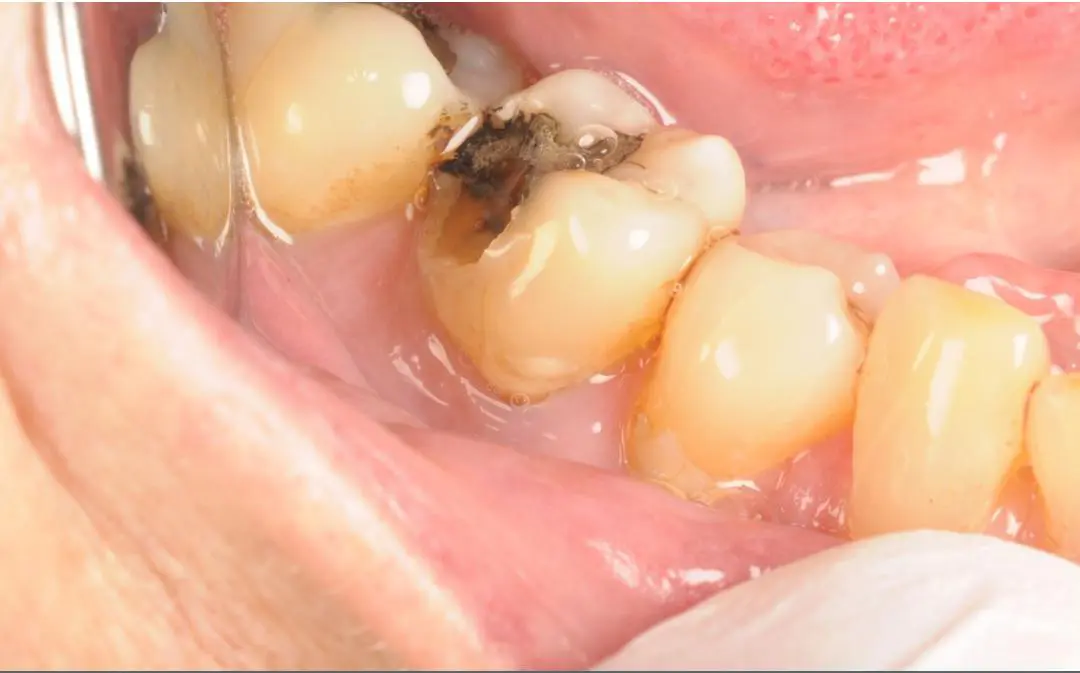
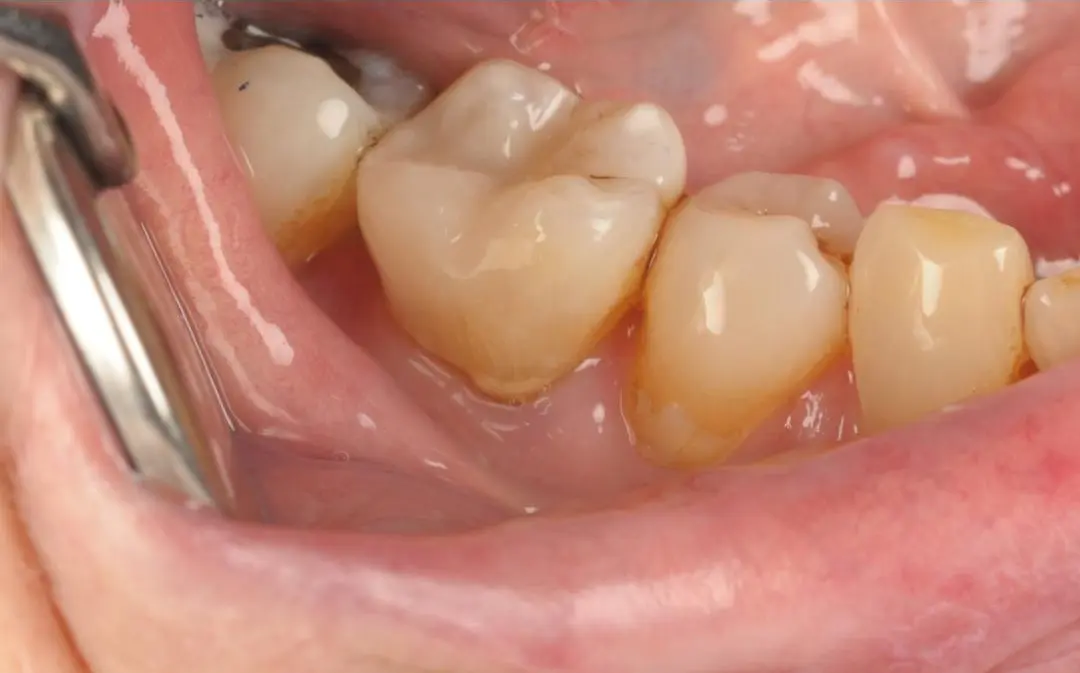
Real Patient Result: Emergency White Filling
Treatment by Dr Kamran
How Medications Affect Your Oral Health: The Clinical Explanation
Understanding the science behind medication-related oral changes can help patients appreciate why disclosure matters so much.
Dry mouth (xerostomia) is one of the most common medication-related oral side effects. Saliva is the mouth's natural defence system — it neutralises acids, washes away food debris, and contains antimicrobial proteins that protect the teeth and gums. Hundreds of medications, including antihistamines, antidepressants, diuretics, and antihypertensives, reduce saliva flow. When saliva production is compromised, the oral environment becomes more acidic, bacteria proliferate more readily, and the risk of tooth decay, gum disease, and oral candidiasis (fungal infections) increases substantially.
Gingival changes caused by certain drugs — including calcium channel blockers, anticonvulsants such as phenytoin, and the immunosuppressant ciclosporin — result from altered fibroblast activity in the gum tissue. The gums can become swollen, tender, and overgrown, making oral hygiene more difficult and creating pockets where bacteria accumulate. With appropriate dental management and oral hygiene support, these changes can often be reduced, though they may not resolve entirely while the medication continues.
Bone metabolism changes caused by bisphosphonates occur because these medicines inhibit osteoclast activity — the cells responsible for breaking down and remodelling bone. While this is beneficial for conditions like osteoporosis, it can impair the jaw's ability to heal after trauma or surgical procedures, which is why pre-treatment assessment is so important.
Local anaesthetic considerations are particularly relevant for patients taking tricyclic antidepressants or certain cardiac medications, where adrenaline-containing anaesthetics may require careful management. Your dentist will always assess this individually and may modify the choice of anaesthetic accordingly. You can also read what to expect after local anaesthesia for practical recovery guidance.
The Role of Over-the-Counter Medicines and Supplements
It is a common misconception that only prescription medicines need to be reported to your dentist. In reality, many over-the-counter products can be equally significant from a clinical safety perspective.
Ibuprofen and aspirin are widely used for pain management, but both affect platelet function and can increase bleeding during dental procedures. Patients who take these regularly — even without a formal prescription — should always inform their dentist.
Similarly, vitamin E supplements, fish oil capsules, and certain herbal products including garlic and ginkgo biloba have measurable anticoagulant properties. If you take high doses of these supplements, your dentist should be made aware before any procedure involving the gum or bone.
Antacids and proton pump inhibitors (PPIs) used for acid reflux may also be relevant, as chronic acid exposure from reflux can cause dental erosion — the gradual wearing away of tooth enamel. Your dentist can help monitor this and recommend protective strategies.
If you are unsure whether something you take is relevant, share it anyway. It is always better to provide too much information than too little. Your dental team will use their clinical judgement to determine what is pertinent to your care.
Prevention and Oral Health Advice for Patients Taking Regular Medications
If you take medication regularly, there are practical steps you can take to protect your oral health alongside your dental team's guidance.
Maintain excellent oral hygiene. Brush twice daily with a fluoride toothpaste for at least two minutes, and clean between teeth daily using floss or interdental brushes. This is especially important if your medication causes gum changes or dry mouth.
Stay hydrated. Drinking water regularly throughout the day can help manage dry mouth. Sipping water — rather than sugary or acidic drinks — helps maintain a healthier oral environment.
Use dry mouth products if recommended. Saliva substitutes, alcohol-free mouthwashes, and specialist dry mouth gels are available and can help protect teeth and soft tissues if your medication reduces saliva flow.
Attend regular dental check-ups. Patients on long-term medications often benefit from more frequent monitoring of their oral health, particularly if their medications are associated with gum changes or dry mouth. Your dentist can recommend an appropriate recall schedule.
Inform your dentist of any medication changes. If you are prescribed a new medicine, change a dose, or start a new supplement between appointments, let your dental team know at your next visit — or before any planned procedure.
Use high-fluoride toothpaste if appropriate. Patients with dry mouth or a history of frequent decay may benefit from a prescription-strength fluoride toothpaste recommended by their dentist. Suitability should always be discussed during a clinical appointment.
You can learn more about how oral health is connected to general wellbeing by arranging a routine dental assessment.
When Professional Dental Assessment May Be Needed
Certain oral symptoms may be related to medications and warrant professional dental review. While not every symptom requires urgent attention, the following signs are worth discussing with your dental team:
Persistent dry mouth that does not resolve with hydration and makes eating, speaking, or swallowing difficult. This can increase your risk of tooth decay, and your dentist may recommend specific products or monitoring.
Gum swelling or tenderness that appears or worsens after starting a new medication. This may indicate gingival overgrowth related to the medicine, and your dental team can assess the extent of the change and advise on management.
Unusual bleeding during brushing or flossing, particularly if you have started or changed anticoagulant medication. Persistent gum bleeding warrants professional review to distinguish medication-related causes from gum disease.
Difficulty healing after a dental procedure, or slow recovery following an extraction. If you have recently started bisphosphonate therapy or immunosuppressants, this is particularly important to monitor.
Oral soreness, white patches, or discomfort that may indicate an oral fungal infection (candidiasis), which can be more common in patients whose medications reduce saliva flow or immune response.
Tooth sensitivity or visible erosion related to dry mouth or acid reflux medication. Your dentist can assess enamel integrity and recommend protective treatments.
If you are in London and experiencing any of the above symptoms or have a dental concern that requires prompt attention, our team offers same-day emergency dental appointments. You can find out more about emergency dental care in London and how we can support you.
How to Present Your Medication History Effectively
Knowing that your medication history is important is one thing — presenting it clearly and accurately to your dental team is another. The following practical guidance may help you prepare.
Bring a written list. Before your appointment, write down the name, dose, and frequency of every medication you take — including prescriptions, over-the-counter medicines, vitamins, and supplements. This is particularly helpful if you take several different medicines.
Include medications taken recently, not just currently. Some drugs have long-lasting effects even after you stop taking them. Bisphosphonates, for example, can remain in bone tissue for years. Your dentist will want to know about previous courses of treatment as well as current ones.
Note any allergies or adverse reactions. If you have ever had an allergic reaction to a medicine — including antibiotics or local anaesthetics — this must be communicated to your dental team before treatment.
Update your history at every appointment. Medication regimens change. What you disclosed six months ago may no longer reflect your current situation. Make a habit of reviewing your health history form at every visit.
Be honest and complete. Dental professionals are bound by strict confidentiality guidelines. The information you share will only be used to support your care and will not be disclosed without your consent. There is no need to omit anything for fear of judgement.
If you are unsure about how to prepare for your appointment, you may find our contact page helpful.
Key Points to Remember
- Providing a comprehensive medication history to your dentist is essential for safe, effective dental care.
- Many medications — including blood thinners, bisphosphonates, antidepressants, and blood pressure drugs — have direct implications for dental treatment and oral health.
- Over-the-counter medicines, vitamins, and herbal supplements are equally relevant and should always be disclosed.
- Medication-related oral side effects, such as dry mouth, gum changes, and delayed healing, can often be managed with early identification and the right preventative advice.
- Update your medication history at every appointment, particularly if your prescriptions have changed.
- If you experience new or unusual oral symptoms after starting or changing a medication, discuss these with your dentist at the earliest opportunity.
Frequently Asked Questions
Why do I need to tell my dentist about medications that have nothing to do with my teeth?
Many systemic medications have direct effects on oral tissues, blood clotting, healing, and the way local anaesthetics work. For example, blood pressure medications can cause gum overgrowth, and antidepressants can reduce saliva production — both of which affect dental health and treatment planning. Even medications prescribed for entirely unrelated conditions can influence the safety and outcomes of dental procedures. Your dental team uses this information to plan the most appropriate care for your circumstances. Always disclose all medications, including supplements and over-the-counter products.
Can I still have dental treatment if I take blood thinners?
In many cases, yes — though your dentist will need to assess this carefully on an individual basis. Blood thinners such as warfarin, apixaban, or rivaroxaban affect how blood clots, which is relevant during extractions and surgical procedures. Your dentist may request a recent INR reading, consult with your GP or specialist, or adjust the timing of treatment. They will not make decisions about changing your anticoagulant therapy without medical input. Treatment suitability always depends on a full clinical assessment.
How do I know if my medication is causing dry mouth?
Dry mouth caused by medication is often experienced as a persistent feeling of thirst, difficulty swallowing dry foods, a sticky sensation in the mouth, altered taste, or frequent throat clearing. Hundreds of commonly prescribed drugs can reduce saliva flow, including antidepressants, antihistamines, diuretics, and some pain relief medicines. If you notice these symptoms after starting or changing a medication, speak to your dentist. They can assess the impact on your oral health and recommend appropriate products and preventative strategies.
Should I tell my dentist about herbal supplements and vitamins?
Yes, absolutely. Many patients assume that natural or herbal products are irrelevant to dental care, but several can affect bleeding, interact with prescribed medicines, or influence healing. St John's Wort, garlic supplements, fish oil, ginkgo biloba, and high-dose vitamin E are among those that may be clinically significant. Providing a full picture of everything you take — whether prescribed, purchased over the counter, or taken as a supplement — helps your dentist ensure your treatment is as safe as possible.
What is bisphosphonate-related osteonecrosis of the jaw, and how does it affect dental treatment?
Medication-related osteonecrosis of the jaw (MRONJ) is a rare but serious condition in which areas of jawbone fail to heal, typically following dental extractions or other invasive procedures. It is associated with bisphosphonate medications (used for osteoporosis and certain cancers) as well as some other bone-targeting drugs. The risk varies depending on the type of bisphosphonate, route of administration, and duration of use. If you take or have previously taken these medications, your dentist needs to know before any extraction or implant procedure. Treatment decisions will be made with appropriate care and, where needed, specialist input.
How often should I update my medication history with my dentist?
You should review and update your medication history at every dental appointment. Even if you feel your health has not changed significantly, medications can be added, stopped, or adjusted between visits. It is also worth informing your dental team promptly if you are prescribed a new medicine before a planned procedure. Many practices include a health history review as a routine part of every appointment — this is your opportunity to ensure the information on file accurately reflects your current health and medication use.
Conclusion
Providing a comprehensive medication history to your dentist is one of the most important contributions you can make to your own dental safety and care. It may feel like a small administrative step, but the information you share allows your dental team to plan treatment that is appropriate for your overall health, minimise the risk of complications, and identify and manage medication-related oral health changes before they become more significant.
Medications of every type — from prescription anticoagulants and bisphosphonates to everyday supplements and herbal remedies — can have meaningful effects on oral tissues, healing, bleeding, and the way dental medicines interact with what you already take. By being open and thorough in what you disclose, you enable your dentist to provide the safest and most tailored care possible.
If you have noticed any changes to your oral health that may be related to a medication you take, or if you simply wish to discuss your dental needs in the context of your overall health, please do not hesitate to seek professional dental guidance.
Dental symptoms and treatment options should always be assessed individually during a clinical examination.
Disclaimer
Educational information only; this article is not a diagnosis or treatment plan.
Medication effects and treatment suitability must be assessed individually in a clinical examination.
Do not change prescribed medication based on online content without medical advice.
Content is written in line with GDC, CQC, and ASA CAP communication guidance.
If you have symptoms or concerns, seek advice from a GDC-registered dental professional.